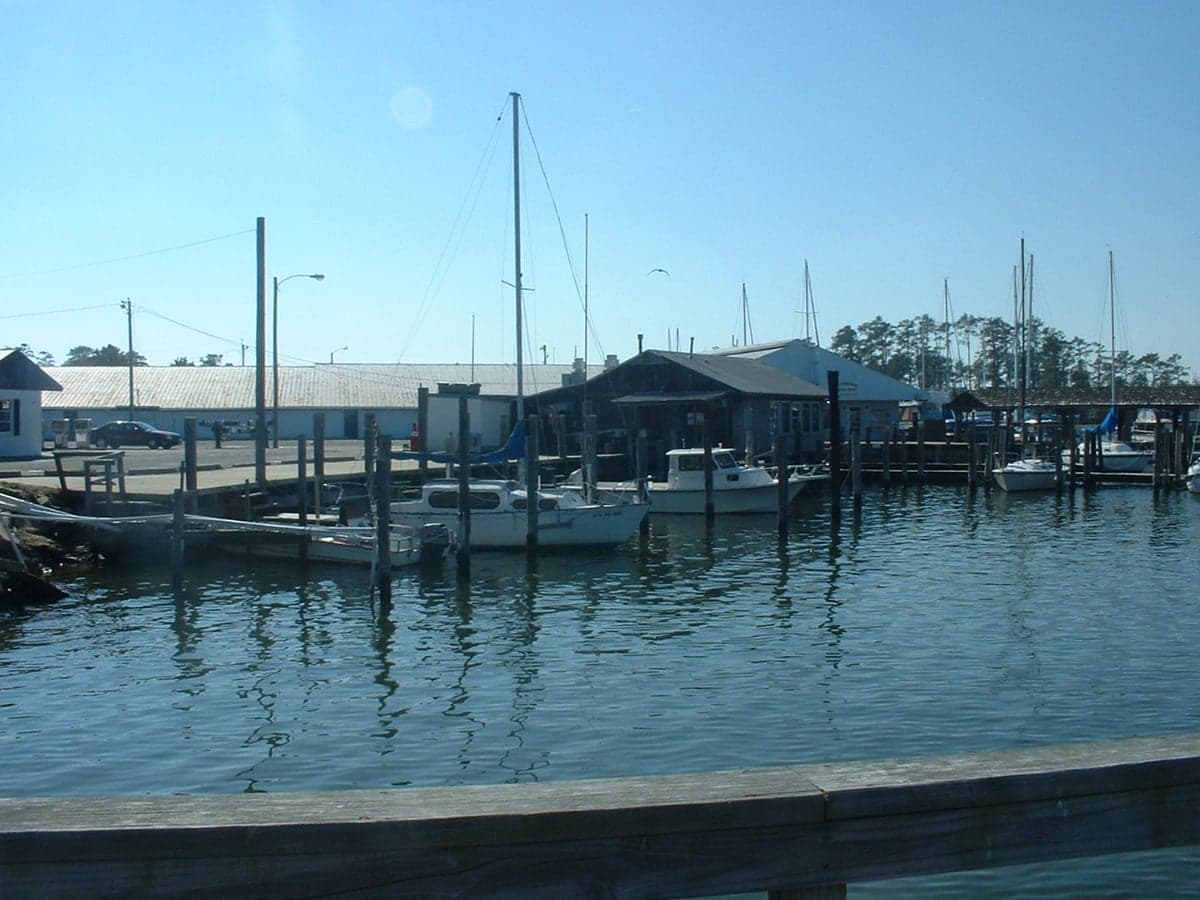
Photo: Wikipedia
Quality of Life in Poquoson, VA
A high quality of life with strong walkability, manageable living costs, healthy neighborhood signals, and solid amenity access.
What does Quality of Life tell us?
Quality of Life blends cost of living, nearby amenities, socioeconomic signals, and neighborhood character. City-level scores represent the whole municipality; individual neighborhoods can differ.
What does this tell us?
Quality of Life blends cost of living, nearby amenities, socioeconomic signals, and neighborhood character. City-level scores represent the whole municipality; individual neighborhoods can differ.
Cost of Living
41% above national average
The Real Cost of Living in Poquoson, VA for 2026
| Tier | Individual | Family (4) |
|---|---|---|
| Survival | $26k | $49k |
| Comfortable | $78k | $115k |
| Luxury | $158k+ | $245k+ |
| Elite (Top 5%) | $186k+ | $288k+ |
105%
The Area Signal
A metric tracking the socioeconomic signals of the area.
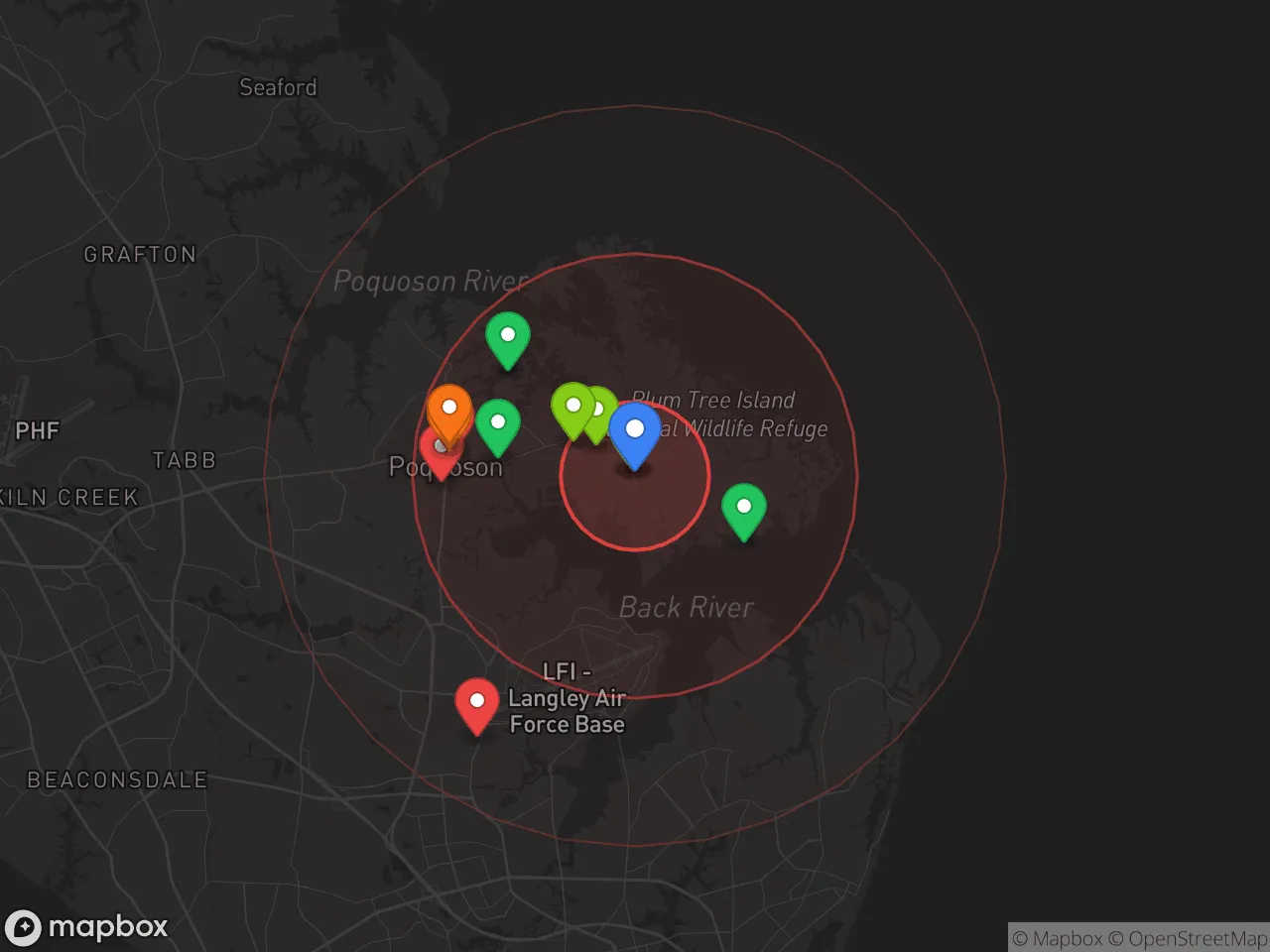
Hobbies
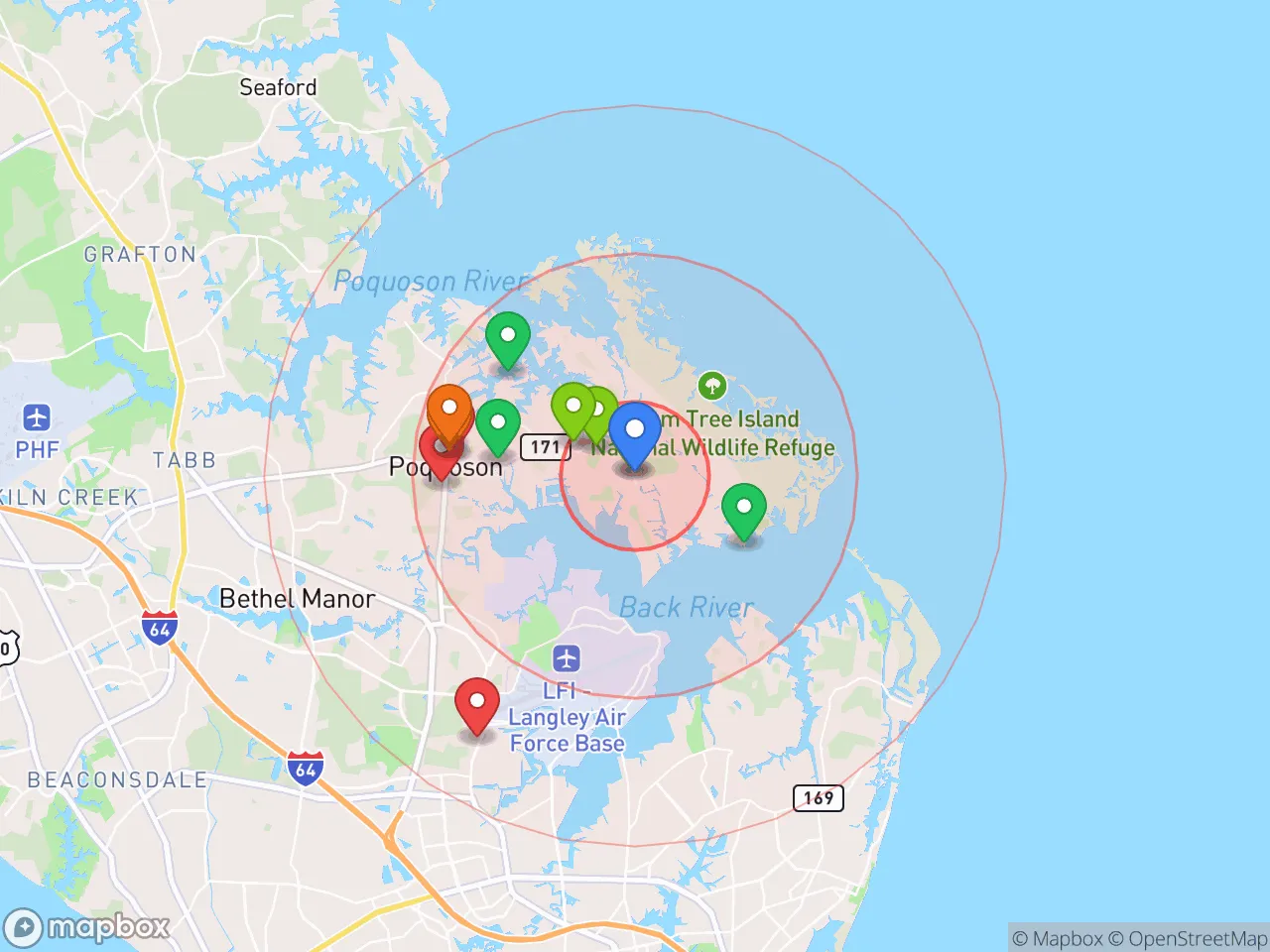
Explore the areaGroceries
5 within 10 miles
Gas
20 within 10 miles
Hospital
13 within 20 miles
Airport
DCA — Ronald Reagan Washington National
Post Office
USPS — Poquoson, VA
Critical Amenities
Quality-of-Life Analysis
Poquoson, Virginia, is a small, affluent waterfront city of roughly 12,000 residents, where the cost of living index of 141 (41% above the U.S. average) reflects its desirability as a quiet, family-oriented enclave on the Chesapeake Bay. The population skews heavily toward established professionals, military-affiliated families (due to proximity to Langley Air Force Base and Fort Eustis), and retirees drawn to low crime rates and exceptional public schools. This is not a transient or rental-heavy community—it is a place where people buy in and stay, creating a stable, neighborly atmosphere that prioritizes outdoor recreation and community events over nightlife or commercial bustle.
Cost of living, housing affordability, and how Poquoson compares to Hampton Roads
Poquoson’s cost of living is the highest in the Hampton Roads region, driven almost entirely by housing. The median home value sits at $403,000, roughly 60% higher than the Virginia state median and more than double the median in neighboring Hampton or Newport News. Renters face a median of $1,634 per month, which is above the national average but still below the cost of comparable waterfront properties in Virginia Beach. The average commute of 26 minutes is slightly longer than the national average, but most residents drive to jobs at Langley Air Force Base, NASA Langley Research Center, or Newport News Shipbuilding—all within a 15- to 30-minute drive. Property taxes are moderate for the region (around 0.9% of assessed value), but homeowners insurance is notably higher due to flood risk, a factor any buyer should budget for. For renters or first-time buyers, affordability is a challenge: the median household income of roughly $100,000 is necessary to comfortably afford the median home, making Poquoson a premium choice for dual-income professionals or military officers with housing allowances.
What daily life is like for families: schools, amenities, and the local rhythm
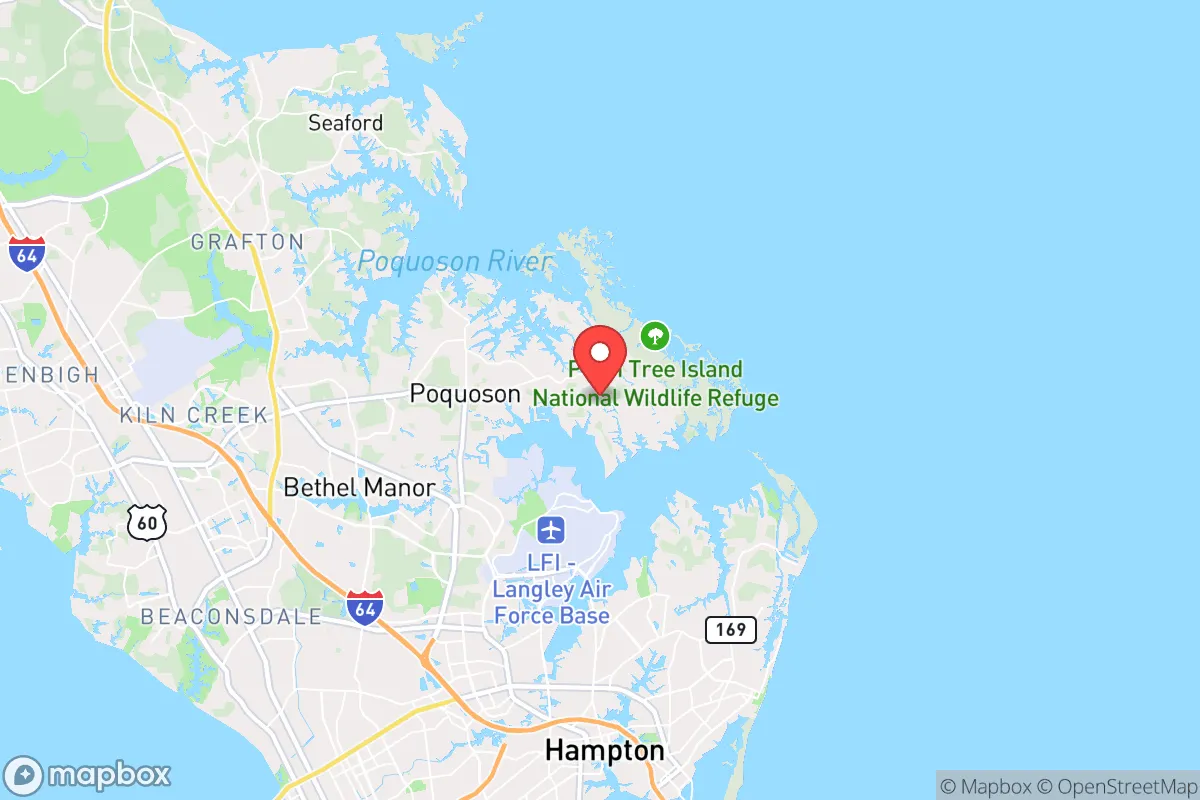
Daily life in Poquoson revolves around the water, the schools, and a tight-knit civic calendar. The city’s public school system is consistently rated among the top in Virginia, with Poquoson High School earning a 98% graduation rate and strong STEM programs. There are no major shopping malls or entertainment districts—residents drive 15 minutes to Hampton or Yorktown for groceries, dining, and retail. Instead, the local rhythm is defined by boating, crabbing, and kayaking on the Back River and Chesapeake Bay, plus community staples like the annual Poquoson Seafood Festival and youth sports leagues that fill weekends. Parks such as Poquoson Municipal Park and White’s Creek Park offer walking trails, playgrounds, and boat ramps. The city has no hospital, but Sentara CarePlex in Hampton is 10 minutes away. For families, the trade-off is clear: you sacrifice urban convenience for safety (violent crime is nearly nonexistent), excellent schools, and direct access to the bay. Retirees appreciate the quiet streets and low traffic, though the lack of senior-specific amenities means most remain active and self-sufficient.
Poquoson is best suited for families with school-aged children, military personnel stationed at Langley or Eustis, and water-oriented retirees who value safety and community over nightlife or walkable shopping. Singles and young professionals without children may find the social scene too limited and the housing costs prohibitive. The city’s high cost of living and flood-insurance requirements also mean it is not a budget-friendly option—but for those who can afford it, Poquoson offers a quality of life that consistently ranks among the highest in coastal Virginia for safety, education, and outdoor recreation.

Crime in Poquoson, VA
Lower crime rates than 83% of comparable U.S. locations.
Violent CrimeViolent Crime Analysis
Property CrimeProperty Crime Analysis
Crime Analysis
Poquoson, Virginia, is a notably safe small city, with violent crime rates significantly below both state and national averages. The city reported a violent crime rate of 238.7 incidents per 100,000 residents, compared to the Virginia average of roughly 260 per 100,000 and the national average of approximately 380 per 100,000. Property crime in Poquoson stands at 885.6 per 100,000 residents, which is also lower than the national property crime rate of about 1,950 per 100,000, though it aligns more closely with Virginia's statewide figure of roughly 1,600 per 100,000.
Crime in context
Poquoson’s crime data places it among the safest jurisdictions in the Hampton Roads region. The city’s violent crime rate is roughly 37% lower than the national average, and its property crime rate is about 55% lower. For context, neighboring Newport News reported a violent crime rate of approximately 540 per 100,000 in recent years, more than double Poquoson’s figure. The city benefits from its status as an independent city with its own police department and a relatively insular, residential character, which helps keep crime numbers low. However, readers should note that Poquoson is part of the broader Hampton Roads metro area, which includes larger cities like Norfolk and Hampton. Some of these larger jurisdictions have faced criticism for progressive prosecutorial policies—such as reduced bail requirements and diversion programs for repeat offenders—that can lead to higher recidivism and more criminals on the street. While Poquoson itself is not directly affected by these policies, its proximity to such metro areas means residents may encounter spillover crime from neighboring cities.
What residents experience
Daily life in Poquoson is characterized by a strong sense of security. The city’s low population density (roughly 12,000 residents) and tight-knit community mean that most crime is opportunistic rather than violent. Theft from vehicles and minor vandalism are the most common property crimes, while incidents like burglary or assault are rare. Poquoson’s police department maintains a visible presence, and neighborhood watch programs are active in many subdivisions. Residents report feeling safe walking or biking during the day and evening, particularly in the city’s many waterfront areas and parks. The city’s schools, part of Poquoson City Public Schools, also report very low incidents of violence or drug-related offenses, contributing to a family-friendly reputation.
Neighborhood-level variation in Poquoson is minimal but worth noting. The city is largely composed of single-family homes on large lots, with no high-density apartment complexes or commercial corridors that typically attract higher crime. Areas near the Poquoson River and along the Back River are considered the safest, with virtually no reported violent crime. The small commercial district along Wythe Creek Road sees slightly higher property crime, primarily shoplifting and vehicle break-ins, but remains well below regional averages. Overall, Poquoson offers a level of safety that is exceptional for a city within commuting distance of a major metro area, though residents should remain aware of broader regional trends in criminal justice policy that could affect long-term safety.
* Values derived from national, state, county, city and local statistics and may differ in a specific area. Last updated: 2026-05-03T20:38:33.000Z
Narrative content on this page is AI-generated and may contain mistakes. Verify any details that matter before acting on them.
ReloMaps may earn a commission from affiliate links at no extra cost to you.

