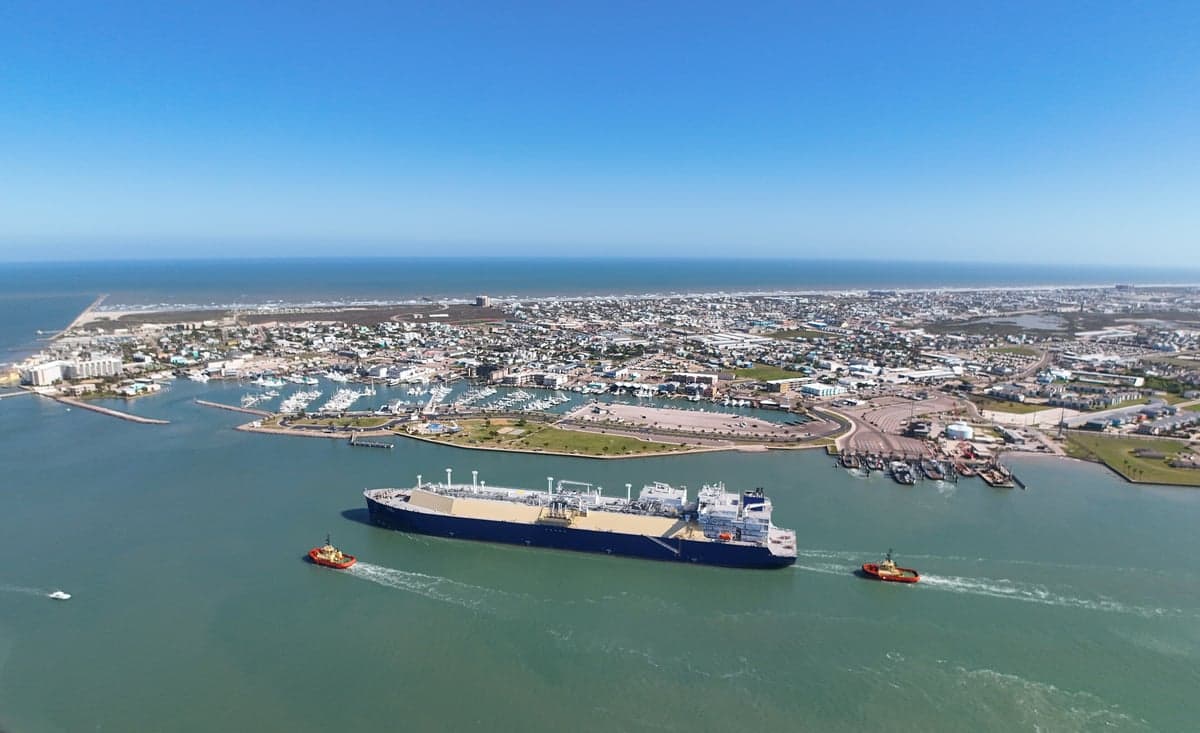
Photo: Wikipedia
Personal Sovereignty in Port Aransas, TX
Strong independent fundamentals that actively favor personal liberty and low regulation.
What does Personal Sovereignty tell us?
Personal Sovereignty measures your capacity for self-reliance and independence with minimal government friction. Higher scores mean fewer barriers between you and the way you want to live... but it assumes you have the space you need and good neighbors.
What does this tell us?
Personal Sovereignty measures your capacity for self-reliance and independence with minimal government friction. Higher scores mean fewer barriers between you and the way you want to live... but it assumes you have the space you need and good neighbors.
State Policy
Energy independence: Net exporter (220% of energy produced in-state)
Personal Liberty
Homesteading

Personal Liberty Analysis
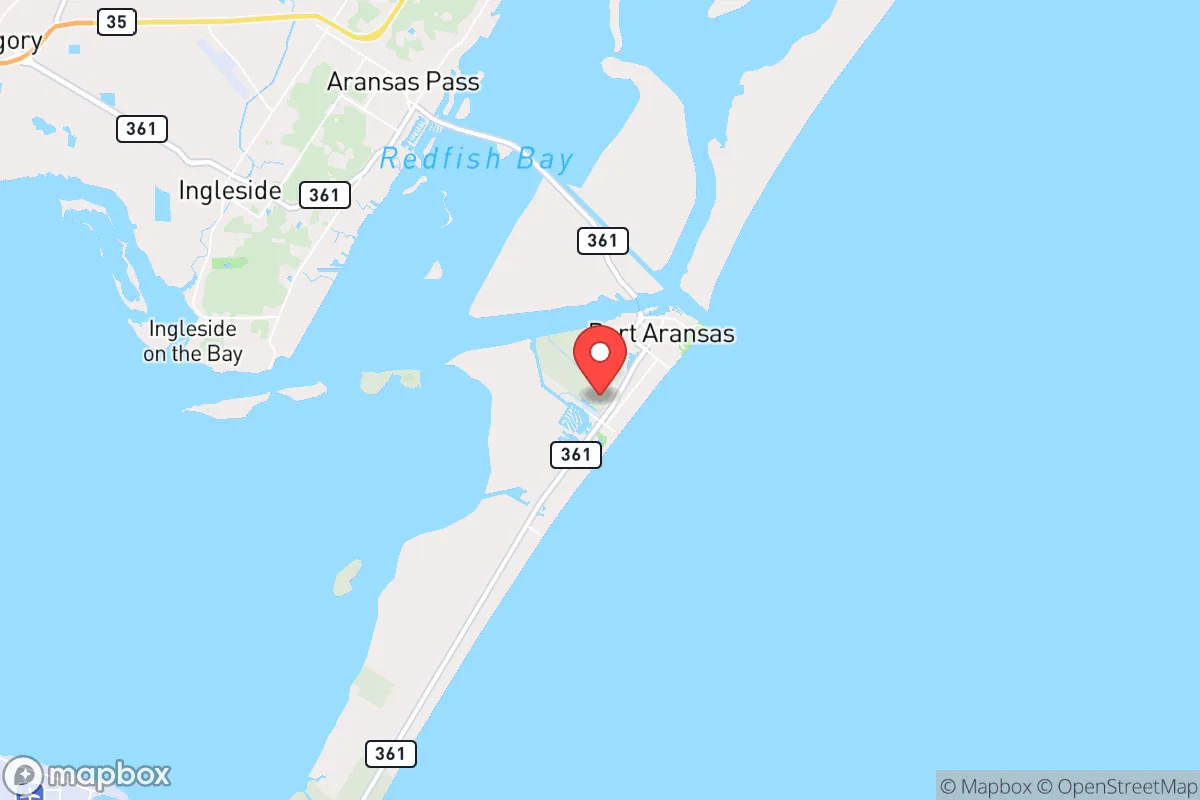
Port Aransas, Texas, offers a unique blend of coastal living and personal sovereignty that appeals to those seeking to minimize government overreach while maximizing self-reliance. As a small island community (population roughly 3,500 year-round, swelling with tourists), it sits within Nueces County, a region that leans conservative but is not immune to the creeping regulatory pressures seen in larger Texas cities. For the survivalist or prepper, the key question is whether this beach town provides the buffer needed to live free from excessive state or local interference—and the answer is nuanced, with significant advantages in state-level protections but some local constraints tied to its tourism-dependent economy and environmental regulations.
Tax burden and regulatory posture in Port Aransas
Texas has no state income tax, which is a foundational advantage for personal sovereignty, and Port Aransas benefits from this fully. Property taxes, however, are a mixed bag: the effective property tax rate in Nueces County hovers around 2.1% of assessed value, slightly above the Texas average of 1.8%, driven by local school district and city levies. For a $300,000 home, that’s roughly $6,300 annually—a significant recurring cost that eats into self-reliance budgets. Sales tax in Port Aransas is 8.25% (state 6.25% + county 0.5% + city 1.5%), which is standard for Texas but adds up for preppers stockpiling supplies. Regulatory posture is generally light compared to coastal California or the Northeast, but the city enforces strict building codes in flood zones (FEMA flood maps dictate elevation requirements), and short-term rental restrictions have tightened since 2020 to curb investor-driven housing shortages. For a survivalist, the lack of state income tax is a win, but the property tax burden and local zoning overlays mean you’re not escaping all government hands on your wallet.
Self-defense and gun law specifics in Port Aransas
Texas is a constitutional carry state as of 2021, meaning no permit is needed to carry a handgun openly or concealed for anyone 21 or older who can legally possess a firearm. Port Aransas does not impose additional local restrictions beyond state law, so you can carry on public streets, beaches, and most businesses unless posted. The city’s police department is small (about 20 officers), and response times in remote areas of the island can exceed 15 minutes, making personal defense a practical necessity. Stand-your-ground laws apply statewide, with no duty to retreat in any place you have a legal right to be. Magazine capacity bans and assault weapon restrictions do not exist in Texas, so preppers can stock AR-15s and standard-capacity magazines without worry. However, note that discharging a firearm within city limits is prohibited except on designated ranges or in self-defense, so zeroing rifles on your own property is off the table unless you’re outside the city limits (which is rare on the island). For the survivalist, this is a solid gun-rights environment, but the small-town police force and tourist influx mean you should plan for self-reliance in defensive scenarios.
Self-reliance and homesteading viability in Port Aransas
Homesteading on a barrier island is challenging due to salt air, sandy soil, and limited freshwater. Lot sizes in Port Aransas average 6,000 to 10,000 square feet in residential zones, with some larger parcels (up to 1 acre) in the northern part of the island near the jetty. Zoning is primarily residential and commercial, with no agricultural exemptions—raising livestock (chickens, goats) is permitted only on lots over 20,000 square feet and with a city permit, effectively barring most residents. Off-grid feasibility is low: the city requires connection to municipal water and sewer in most areas, and solar panels are allowed but must comply with HOA rules in many subdivisions. Rainwater collection is legal in Texas but not incentivized here, and the high water table makes septic systems problematic. For a prepper seeking true self-reliance, Port Aransas is a poor fit—you’re tied to grid utilities, and the island’s vulnerability to hurricanes (evacuation orders are mandatory during storms) undermines long-term bug-in plans. The nearby mainland (e.g., Aransas Pass or Rockport) offers larger lots and fewer restrictions for those who want coastal access without the island’s constraints.
Personal liberties in Port Aransas: parental rights, medical autonomy, speech, and property
Texas has strong parental rights protections under state law, including the Texas Parental Bill of Rights (HB 4545, 2023), which affirms parents’ authority over medical decisions, education, and religious upbringing. Port Aransas Independent School District (PAISD) serves roughly 600 students and has not adopted controversial curriculum mandates, though it follows state standards. Medical autonomy is robust: Texas does not have a state-level vaccine mandate for adults, and COVID-era restrictions were minimal in Nueces County compared to urban areas. However, the city’s reliance on tourism means local businesses may voluntarily enforce mask or vaccine policies, but no government mandates exist. Free speech is protected under the Texas Religious Freedom Restoration Act and state law, with no local ordinances restricting political expression or assembly—though the small community means social pressure can be a factor. Property rights are strong under Texas’s private property protections (no statewide rent control, no inclusionary zoning), but Port Aransas’s floodplain regulations and FEMA requirements can limit what you build on your land. For the survivalist, the state-level framework is excellent, but the island’s physical and regulatory constraints mean you’re trading some autonomy for coastal living.
Overall, Port Aransas offers a moderate-to-strong sovereignty environment relative to other Texas coastal towns, but it falls short for those seeking deep self-reliance. The lack of state income tax, constitutional carry, and strong parental rights are major wins, while property taxes, floodplain regulations, and limited homesteading viability are notable drawbacks. Compared to a place like rural East Texas (where you can buy 10 acres with no zoning and drill a well), Port Aransas is more constrained. For the prepper who values beach access and a conservative community but is willing to accept some government oversight on utilities and building, it’s a viable option. For the hardcore survivalist aiming for off-grid independence, look inland—but if you’re willing to trade total autonomy for a coastal lifestyle with strong state-level protections, Port Aransas is a defensible choice in a deteriorating national landscape.

* Values derived from national, state, county, city and local statistics and may differ in a specific area. Last updated: 2026-05-12T00:15:21.000Z
Narrative content on this page is AI-generated and may contain mistakes. Verify any details that matter before acting on them.
ReloMaps may earn a commission from affiliate links at no extra cost to you.

