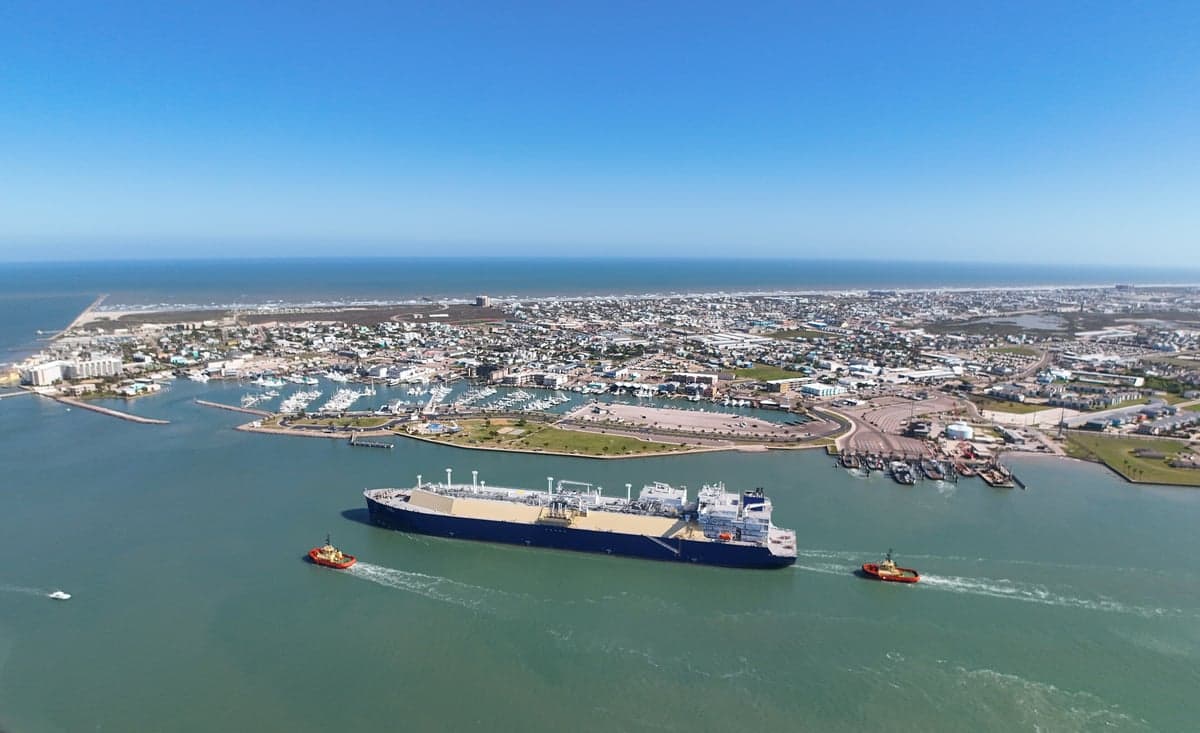
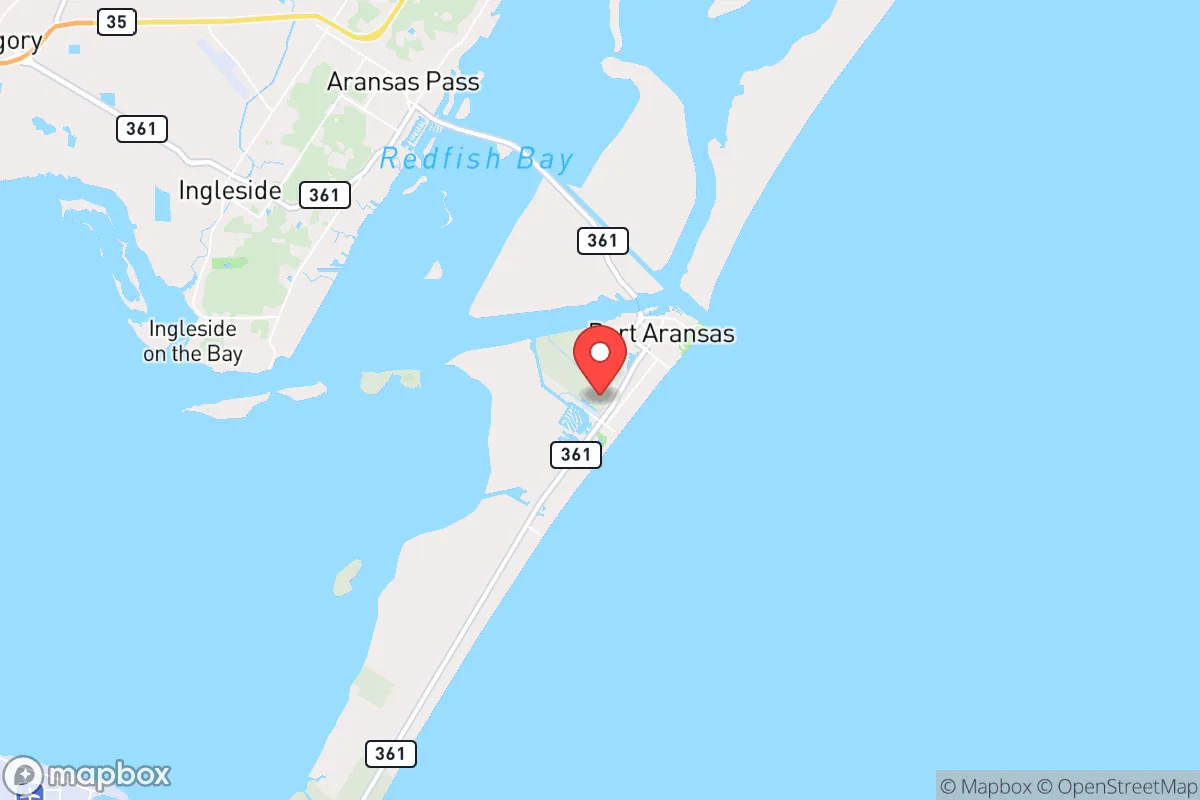
Photo: Wikipedia
Quality of Life in Port Aransas, TX
A high quality of life with strong walkability, manageable living costs, healthy neighborhood signals, and solid amenity access.
What does Quality of Life tell us?
Quality of Life blends cost of living, nearby amenities, socioeconomic signals, and neighborhood character. City-level scores represent the whole municipality; individual neighborhoods can differ.
What does this tell us?
Quality of Life blends cost of living, nearby amenities, socioeconomic signals, and neighborhood character. City-level scores represent the whole municipality; individual neighborhoods can differ.
Cost of Living
The Real Cost of Living in Port Aransas, TX for 2026
| Tier | Individual | Family (4) |
|---|---|---|
| Survival | $36k | $67k |
| Comfortable | $95k | $140k |
| Luxury | $160k+ | $247k+ |
| Elite (Top 5%) | $259k+ | $401k+ |
63%
The Area Signal
A metric tracking the socioeconomic signals of the area.
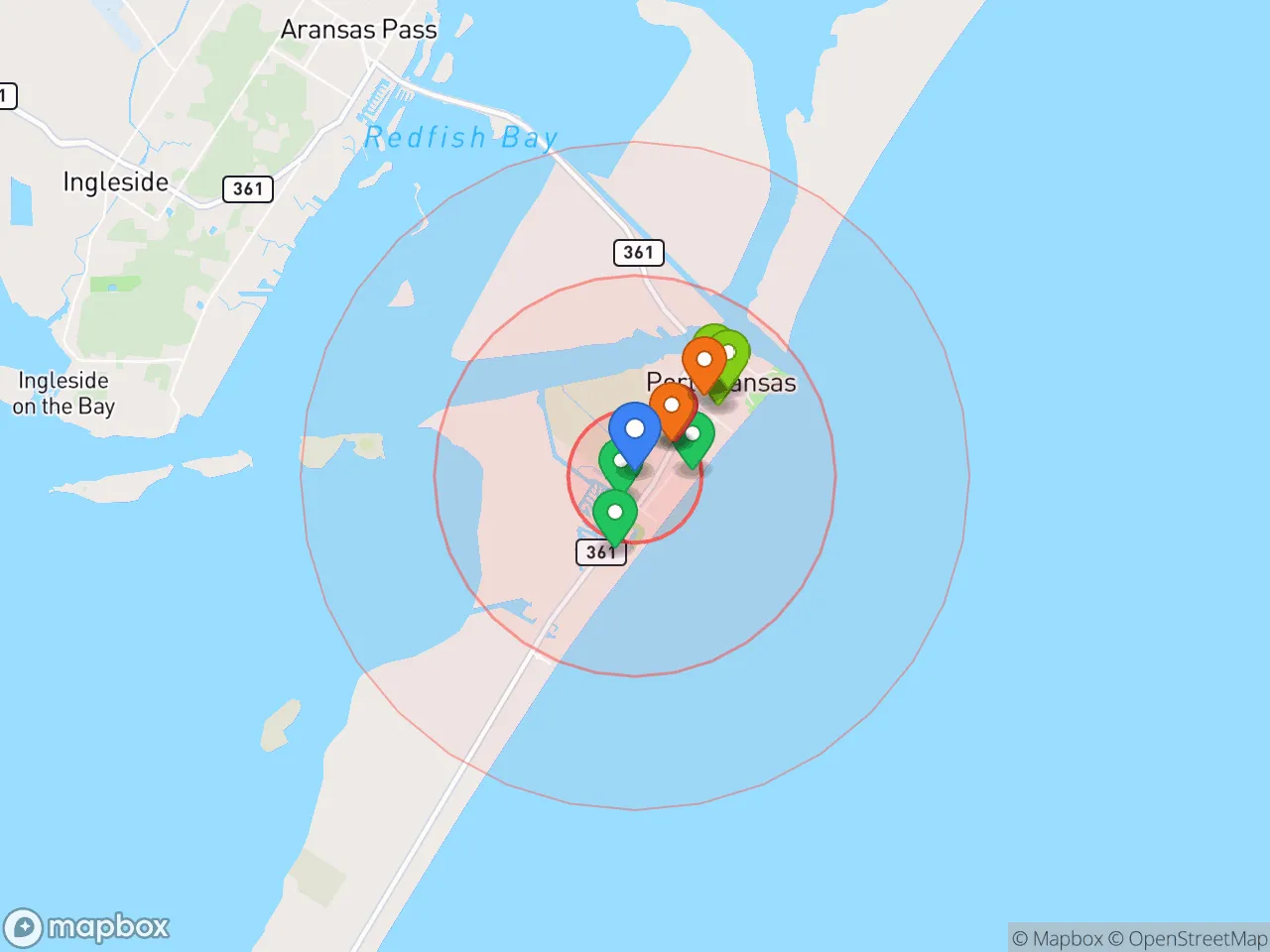
Hobbies
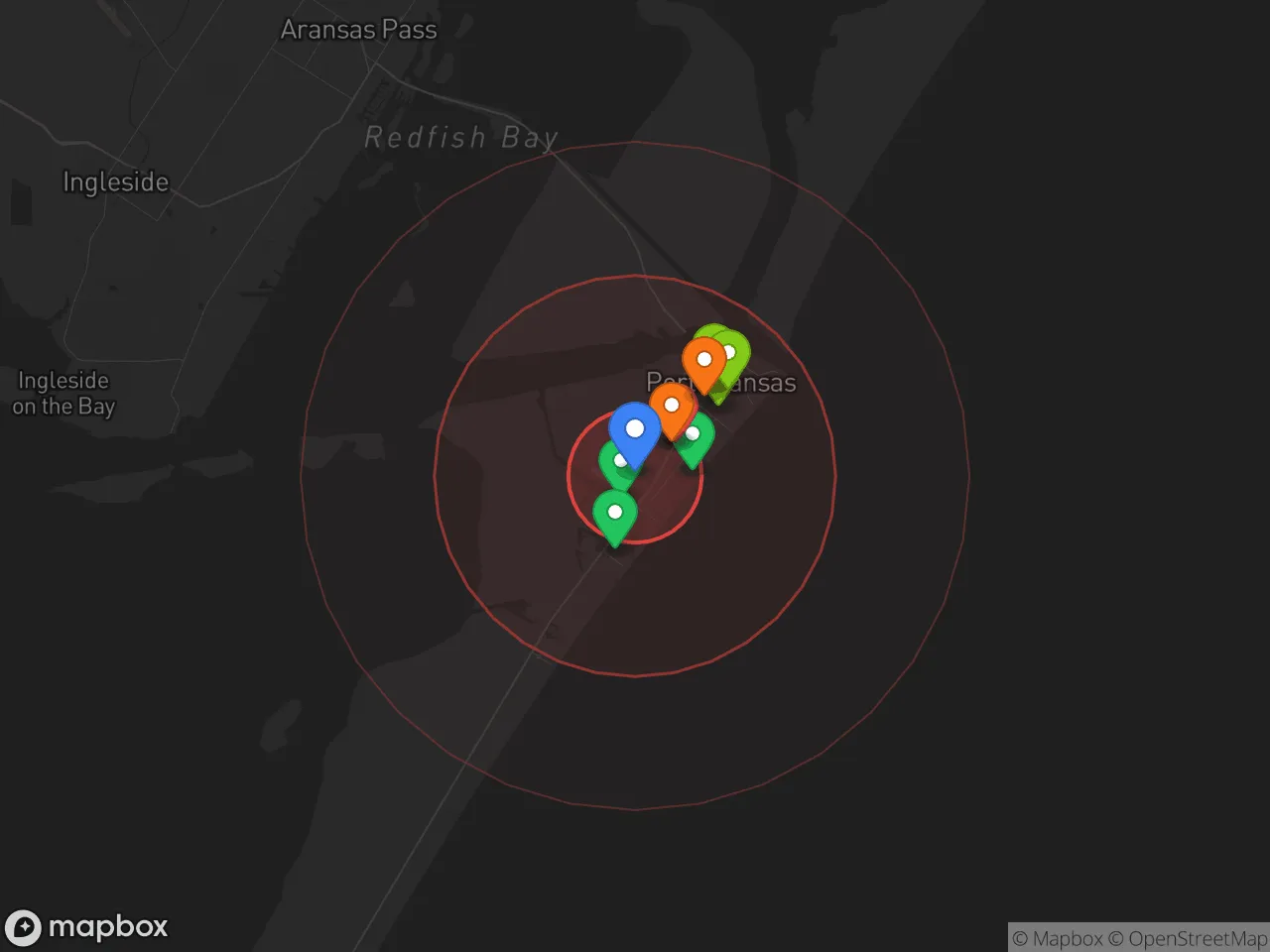
Explore the areaGroceries
3 within 10 miles
Gas
10 within 10 miles
Hospital
8 within 20 miles
Airport
SAN — San Antonio International
Post Office
USPS — Port Aransas, TX
Critical Amenities
Quality-of-Life Analysis
Port Aransas is a coastal resort community with an affluence profile sharply elevated above the Texas average, driven largely by second-home owners, retirees, and hospitality-sector workers who accept a high cost of living for direct beach access. The median household income of roughly $62,000 is modest by national standards, but the town’s real estate market—where the median home value sits at $490,200—reflects a premium for waterfront and near-beach properties that far exceeds inland Texas norms. The population skews older and more seasonal, with a significant share of residents employed in tourism, fishing, and short-term rental management, creating a distinct economy that ebbs and flows with vacation cycles.
Cost of living, housing, and affordability compared to Corpus Christi and Rockport
Port Aransas carries a cost-of-living index of 184, nearly double the U.S. baseline of 100, making it one of the most expensive small towns in the Coastal Bend region. Housing is the primary driver: the median home value of $490,200 is roughly 2.5 times higher than in nearby Corpus Christi (around $195,000) and significantly above Rockport’s median of about $280,000. Renters face a median monthly rent of $2,226, which is comparable to Austin suburbs and far above the Texas coastal average of roughly $1,300. The average commute of 26.7 minutes is longer than typical for a town of 3,000 year-round residents, largely because many workers live in Aransas Pass or Portland and drive onto the island daily. Property taxes in Nueces County run about 2.3% of assessed value, adding roughly $11,275 annually on a median-priced home—a significant burden that buyers should factor into affordability calculations.
What daily life is like for families, retirees, and remote workers
Daily life in Port Aransas revolves around the beach, the marina, and a compact downtown strip along Alister Street. The Port Aransas Independent School District serves roughly 900 students across three campuses, with a student-teacher ratio of about 14:1 and a B+ rating from Niche—solid for a small coastal district. Amenities include the Port Aransas Nature Preserve, the University of Texas Marine Science Institute, and the annual Whooping Crane Festival, which draws birders from across the country. Grocery shopping is limited to a single IGA and a few specialty markets; most residents make a weekly run to Corpus Christi (about 30 minutes) for big-box stores and medical services. The nearest hospital is in Corpus Christi, so emergency care requires a drive across the Harbor Bridge. Remote workers rely on Spectrum cable internet (up to 1 Gbps) and Starlink, though cellular coverage can be spotty during peak tourist weekends. The rhythm is distinctly seasonal: quiet and uncrowded from November through February, then bustling with vacationers from March through September.
Port Aransas is best suited for retirees who prioritize beach access and a slow pace, second-home buyers who can absorb the high property costs, and hospitality entrepreneurs who thrive on seasonal tourism. Families with school-age children will find a tight-knit community and small class sizes, but should plan for the commute to Corpus Christi for shopping, healthcare, and extracurricular activities. Remote workers and creatives may appreciate the isolation and natural setting, but the high cost of living and limited local services mean this is not a budget-friendly relocation option. Anyone considering a move should visit during both a summer weekend and a winter weekday to experience the full seasonal swing before committing.

Crime in Port Aransas, TX
Significantly higher crime rates than 76% of comparable U.S. locations.
Violent CrimeViolent Crime Analysis
Property CrimeProperty Crime Analysis
Crime Analysis
Port Aransas, a coastal tourist destination on Mustang Island, reports a violent crime rate of 681.9 per 100,000 residents and a property crime rate of 4,038.8 per 100,000, figures that place it well above both Texas state averages and national benchmarks. The city's small year-round population—roughly 3,800—swells dramatically with seasonal visitors, which strains local law enforcement and contributes to elevated crime statistics. Prospective residents should weigh these numbers carefully, particularly given the broader context of Nueces County's justice system.
Crime in context
Port Aransas' violent crime rate is more than double the national average of roughly 380 per 100,000, while its property crime rate exceeds the U.S. median of approximately 2,500 per 100,000. Compared to Texas as a whole, where the violent crime rate hovers around 450 per 100,000, Port Aransas stands out as a higher-risk environment. The city's status as a beach resort town means that thefts, burglaries, and vehicle break-ins spike during peak tourist seasons, particularly spring break and summer months. The proximity to Corpus Christi, a larger metro area with its own crime challenges, also influences local patterns through transient populations and drug-related activity.
What residents experience
Year-round residents report that property crime—especially theft from vehicles and vacation rentals—is the most common safety concern. The city's police department maintains a visible presence along major corridors like State Highway 361, but response times can lag in outlying residential areas during busy weekends. A significant factor for those considering a move is the judicial philosophy in Nueces County. The county's district attorney and several judges have been elected on platforms emphasizing progressive criminal justice reforms, including diversion programs and reduced sentencing for property and drug offenses. While these policies aim to reduce incarceration rates, critics argue they result in more repeat offenders returning to the streets, directly undermining public safety in small communities like Port Aransas. Residents often express frustration that repeat burglary suspects are released quickly, eroding trust in the justice system's ability to protect victims.
Neighborhood-level variation is notable. The more established residential areas near the Port Aransas Nature Preserve and along the Gulf beaches tend to see lower violent crime but higher rates of petty theft from unsecured properties. In contrast, the commercial corridor around Alister Street and the municipal marina experiences more concentrated property crime and occasional alcohol-fueled disturbances. The Island Moorings and Cinnamon Shore developments, with their private security and gated access, report significantly fewer incidents than the older, more open neighborhoods closer to the ferry landing. For those prioritizing safety, choosing a home with a homeowners association that funds private patrols or investing in a monitored security system is a practical step in this high-crime coastal environment.
* Values derived from national, state, county, city and local statistics and may differ in a specific area. Last updated: 2026-05-12T00:15:21.000Z
Narrative content on this page is AI-generated and may contain mistakes. Verify any details that matter before acting on them.
ReloMaps may earn a commission from affiliate links at no extra cost to you.

