Photo: Wikipedia
Find The Best Places To Live
in Port Aransas
PRO TIP! You can paste a Zillow or Redfin link to get info on that property.
What It's Like Living in Port Aransas, TX
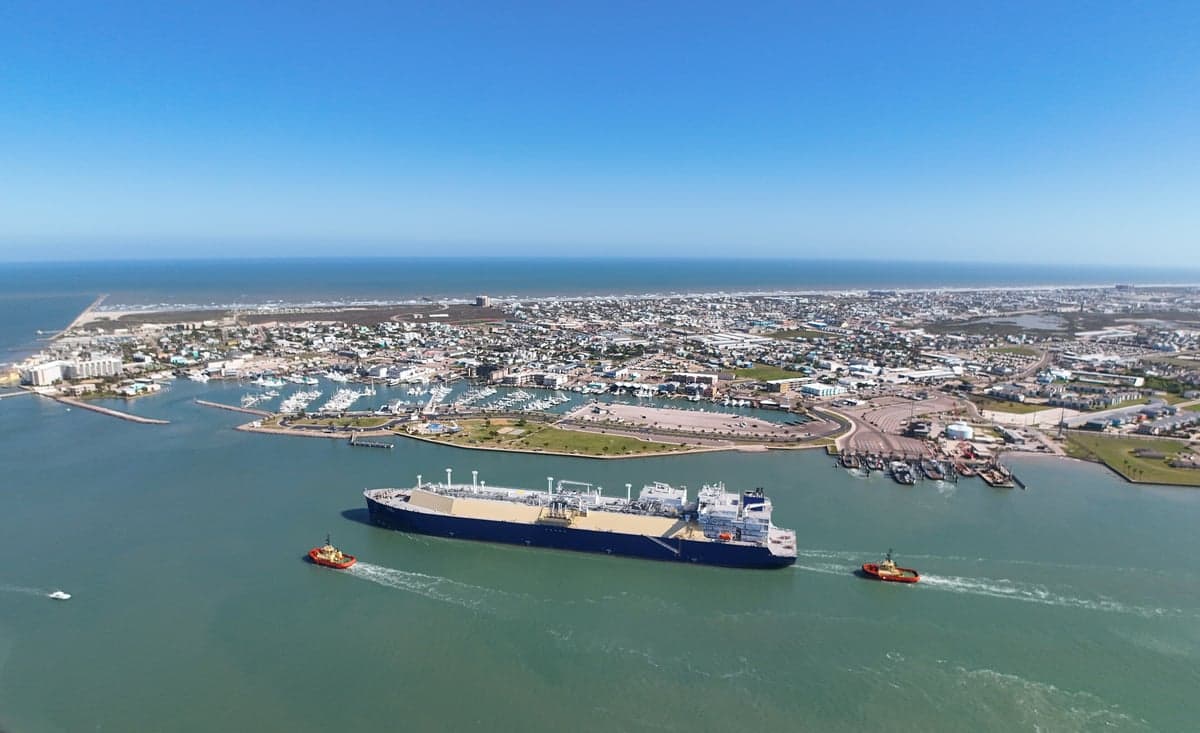
Port Aransas feels less like a typical Texas town and more like a coastal hideaway that happens to have a year-round population just over 3,100. It’s a place where the pace is set by the tides, not the clock, and where the local identity is wrapped up in salt air, fishing piers, and a fierce independence that leans conservative. Living here means accepting that you’re on an island—literally—and that the nearest Walmart is a 25-minute drive across the bridge to Corpus Christi, a trade-off most residents happily make for the quiet and the views.
Daily Rhythm on the Island
Daily life in Port Aransas revolves around the water and the weather. Mornings often start with a walk on the beach or a quick stop at Island Coffee on Alister Street, where locals catch up before the tourist crowds roll in. Grocery shopping means Family Center IGA—the only full-service grocery on the island—or a weekly run to Corpus Christi for bigger hauls. The median age here is 53.5, which shows in the slower, more deliberate pace; this isn’t a town built for late-night bar crawls, though Virginia’s on the Bay and The Gaff stay lively with a mix of locals and visitors. Weekends are for fishing off the Horace Caldwell Pier, kayaking through the dunes, or grilling on the beach with neighbors. The median household income of $88,311 supports a comfortable, if not extravagant, lifestyle—enough to afford the $490,200 median home value, but not so much that you’re insulated from the seasonal swings of a tourist economy.
Who Fits In—and Who Doesn’t
Port Aransas attracts a specific type: retirees, remote workers who value solitude, and families who want their kids to grow up barefoot and independent. The 37.1% college-educated rate is respectable but not elite—this is a place where a marine biology degree or a captain’s license is as common as a business degree. Single people in their 20s and 30s often find the social scene limited, especially in winter when the population thins. Parents appreciate the small K-12 school system, where teachers know every student’s name and Friday night football at Port Aransas High School is a genuine community event—not a spectacle, but a gathering. The school’s mascot, the Marlins, reflects the town’s maritime soul, and games draw crowds that include both year-round residents and second-home owners.
What’s There to Do (Beyond the Beach)
Yes, the beach is the main draw—Mustang Island State Park offers 5 miles of undeveloped shoreline—but the town has its own rhythm of festivals and traditions. Texas SandFest in April brings world-class sand sculptors and tens of thousands of visitors, turning the beach into an outdoor gallery. Whooping Crane Festival in February celebrates the wintering cranes at the nearby Aransas National Wildlife Refuge and draws birders from across the country. For nightlife, Pelican’s Landing is a reliable spot for live music and cold beer, while Seafood & Spaghetti Works serves the kind of fried shrimp platters that define coastal Texas cuisine. Fishing charters out of Woody’s Sports Center are a staple—redfish, trout, and flounder are the targets, and the guides are as much storytellers as they are captains. The Port Aransas Nature Preserve offers boardwalks through wetlands for those who prefer their wildlife without a rod and reel.
Pros and Cons of Island Life
- What residents love: The quiet off-season (September through February), when you can have the beach nearly to yourself. The strong sense of community—neighbors help neighbors during hurricane season. The lack of chain stores and strip malls; most businesses are locally owned. The commute is short—average 26.7 minutes—but that’s mostly because there’s nowhere far to go.
- What frustrates them: The cost of living index of 184 (nearly double the national average) makes everyday goods and housing expensive. The violent crime rate of 681.9 per 100,000 is notably high for a small town, though much of it is concentrated in tourist-heavy areas and involves property crime and alcohol-related incidents rather than random violence. Summer traffic on the single bridge to the mainland can back up for miles, especially on holiday weekends. Hurricane season (June through November) is a genuine stressor—evacuations are mandatory for some zones, and the island’s geography makes it vulnerable to storm surge.
The Weather, the Seasons, and the Quirks
Summer runs hot and humid, with highs in the 90s and a constant Gulf breeze that makes it bearable. Winter is mild—50s and 60s—but “winter Texans” (snowbirds from the Midwest and Canada) fill the rental properties from November through March, keeping the town from going completely dormant. The island has a few cultural quirks that newcomers notice: the “No Shoes, No Shirt, No Problem” vibe is real, but so is a deep-seated skepticism of government overreach. Local politics lean conservative, and the town’s independence is a point of pride—Port Aransas has its own school district, its own police force, and a city council that fights hard to keep development from overwhelming the island’s character. The biggest quirk? The “Port A” nickname is used by everyone, and newcomers who call it “Port Aransas” in casual conversation are gently corrected. It’s a small thing, but it sums up the place: unpretentious, proud, and perfectly content to be a little off the beaten path.

Similar small towns to Port Aransas

* Values derived from national, state, county, city and local statistics and may differ in a specific area. Last updated: 2026-05-12T00:15:21.000Z
Narrative content on this page is AI-generated and may contain mistakes. Verify any details that matter before acting on them.
ReloMaps may earn a commission from affiliate links at no extra cost to you.

