Photo: Wikipedia
Personal Sovereignty in Port Chester, NY
Moderate friction. Expect trade-offs in some aspect of personal liberty and independence.
What does Personal Sovereignty tell us?
Personal Sovereignty measures your capacity for self-reliance and independence with minimal government friction. Higher scores mean fewer barriers between you and the way you want to live... but it assumes you have the space you need and good neighbors.
What does this tell us?
Personal Sovereignty measures your capacity for self-reliance and independence with minimal government friction. Higher scores mean fewer barriers between you and the way you want to live... but it assumes you have the space you need and good neighbors.
State Policy
Energy independence: Importer (12% of energy produced in-state)
Personal Liberty
Homesteading

Personal Liberty Analysis
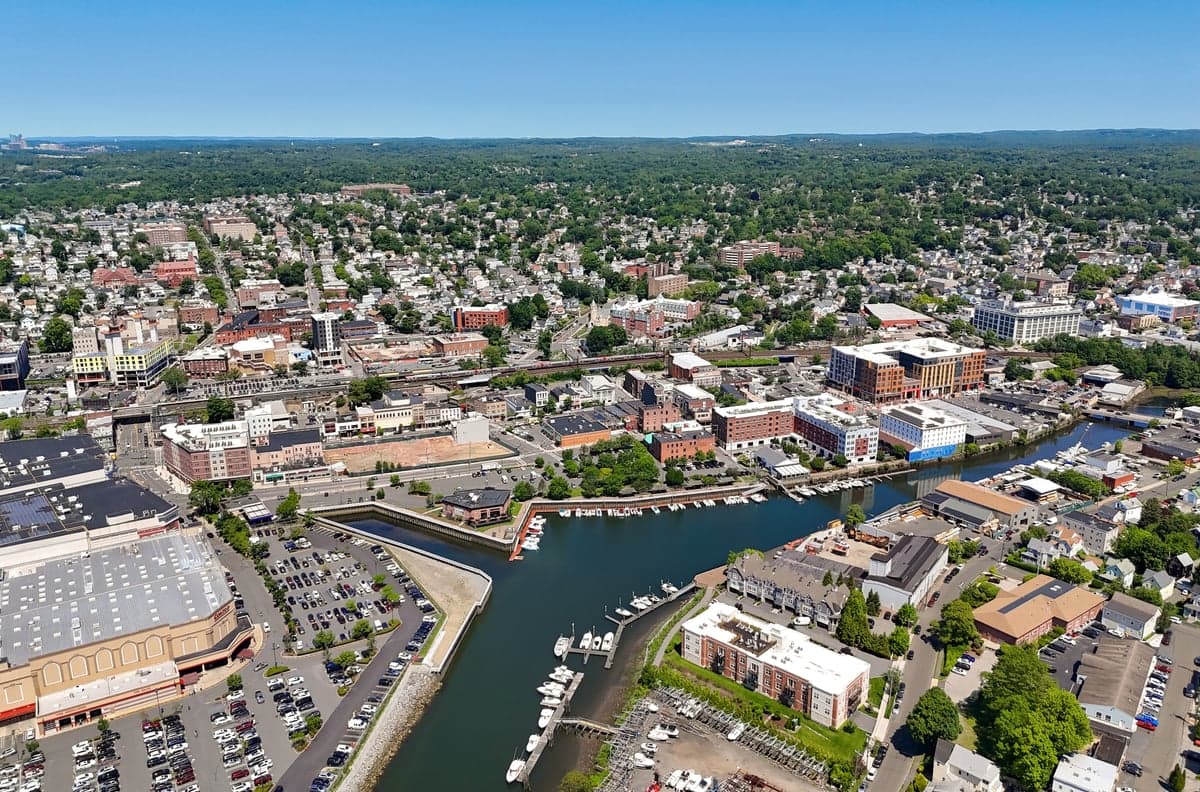
For the liberty-minded individual or family evaluating Port Chester, New York, the personal sovereignty environment is constrained by a dense web of state-level mandates that limit autonomy in taxation, self-defense, and daily life. As a village in Westchester County, Port Chester sits within one of the most heavily regulated and highest-taxed states in the nation, where state preemption overrides local control on nearly every front. This analysis examines the specific burdens on personal freedom here, from the tax code to gun laws, zoning restrictions, and parental rights, to help you gauge whether this area aligns with a self-reliant, survivalist mindset.
Tax burden and regulatory posture: what you pay for limited freedom
New York State imposes one of the heaviest tax burdens in the country, and Port Chester residents feel it directly. The combined state and local income tax rate can exceed 10% for higher earners, while property taxes in Westchester County are among the highest nationally—often topping $10,000 to $20,000 annually on a median home. This is not a place where you keep what you earn. The regulatory environment is equally dense: New York’s strict building codes, environmental regulations, and energy mandates (like the statewide ban on new gas hookups in certain buildings) give the government significant control over your property and daily choices. For a prepper or survivalist, this means less flexibility to modify your home for self-sufficiency without navigating costly permits and inspections. The state’s aggressive tax collection and regulatory posture effectively reduce personal sovereignty, as every major decision—from home renovations to vehicle purchases—is subject to government oversight and fees.
Self-defense and gun law specifics: what you can and cannot do
New York’s gun laws are among the most restrictive in the nation, and Port Chester residents must comply with the state’s Concealed Carry Improvement Act (CCIA), passed in 2022. This law requires a permit to carry a concealed handgun, and applicants must demonstrate “good moral character” through a lengthy process that includes character references, a firearms safety course, and a background check. The state also bans so-called “assault weapons” and limits magazine capacity to 10 rounds. For the self-defense-minded, this is a significant erosion of the Second Amendment. Open carry is effectively prohibited, and carrying in sensitive locations—including public parks, government buildings, and even private businesses that post signs—is restricted. The permitting process can take months, and local sheriffs in Westchester County are generally not known for leniency. If you prioritize the ability to defend yourself and your family without government permission, Port Chester’s legal environment is a major drawback. The state’s red-flag laws also allow for temporary firearm seizure based on complaints, which raises concerns about due process for those who might be targeted by false reports.
Self-reliance and homesteading viability: lot sizes, zoning, and off-grid feasibility
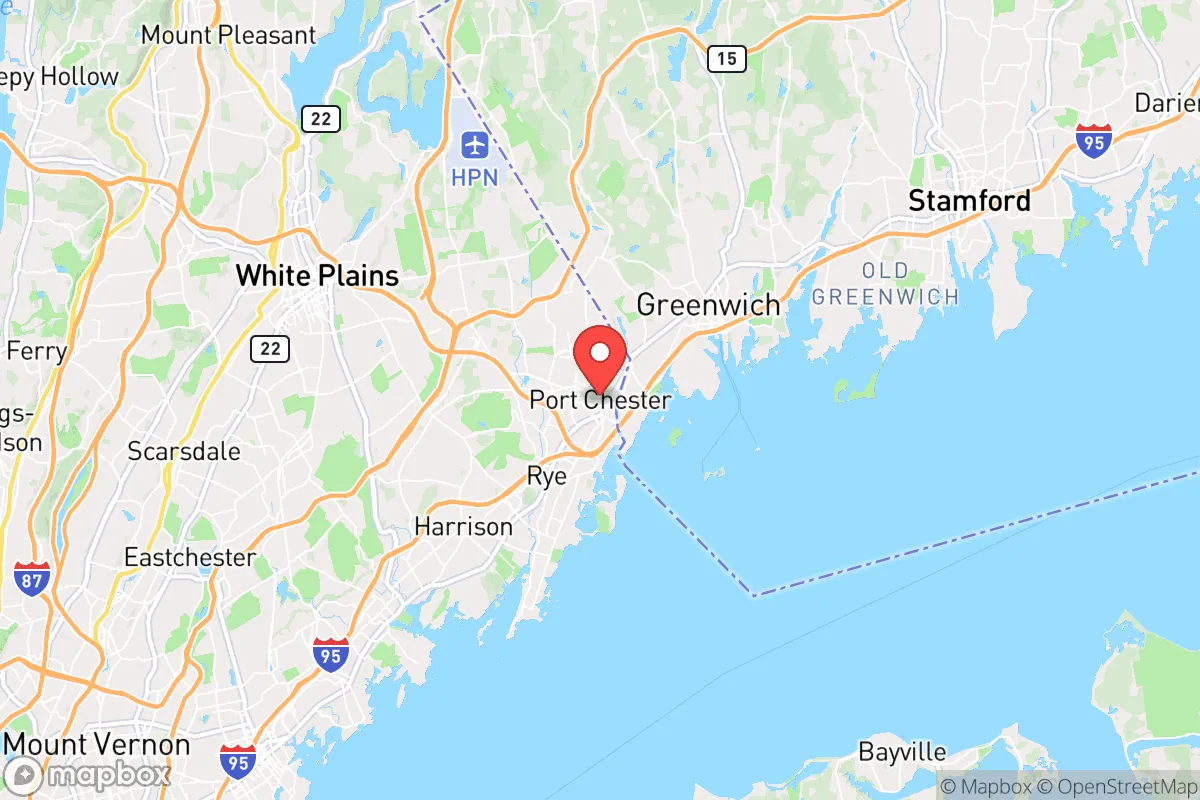
Port Chester is a dense, suburban village with limited land for self-reliant living. Typical residential lot sizes range from 5,000 to 10,000 square feet, and most homes are on small parcels with little room for gardening, livestock, or alternative energy systems. Zoning laws are strict: keeping chickens or goats is generally prohibited in residential zones, and any significant outbuilding—like a workshop or root cellar—requires a building permit and compliance with setback rules. Off-grid feasibility is extremely low. New York’s building codes mandate grid-tied electrical connections for new construction, and solar panel installations must meet utility standards. Rainwater collection is legal but limited to 100 gallons per property without a permit, and composting toilets are not allowed as primary sanitation. For a prepper seeking to reduce dependence on municipal systems, Port Chester’s dense zoning and regulatory environment make it nearly impossible to achieve meaningful self-sufficiency. The village’s proximity to New York City (about 30 miles) also means that any major disruption—whether economic or natural—would likely strain local resources quickly, as the area is heavily dependent on supply chains and public utilities.
Personal liberties: parental rights, medical autonomy, speech, and property
On parental rights, New York State has moved toward centralizing control over education and health decisions. The state mandates comprehensive sex education in public schools, and parents cannot opt their children out of all lessons. Vaccine mandates for school attendance are strict, with no philosophical exemptions, and medical autonomy for adults is limited by state health orders that can be reinstated during emergencies. Free speech is constitutionally protected, but New York’s hate speech laws and social media regulations can chill expression, particularly on controversial topics. Property rights are heavily circumscribed: the state’s rent stabilization laws (which apply to some Port Chester apartments) limit what landlords can do with their own property, and eminent domain is used aggressively for development projects. For the liberty-minded individual, these factors create an environment where the government has a strong say in how you raise your children, manage your health, and use your land. The state’s COVID-era mandates—including business closures and vaccine passports—also demonstrated a willingness to override personal choice during emergencies, which is a red flag for those prioritizing sovereignty.
Overall, Port Chester offers low personal sovereignty compared to many other parts of the country, particularly the South, Midwest, or rural Northeast. The combination of high taxes, restrictive gun laws, dense zoning, and state-level control over education and health makes it a challenging environment for survivalists, preppers, or anyone seeking to live with minimal government interference. While the village itself has a diverse community and access to urban amenities, those benefits come at the cost of significant regulatory and financial burdens. If your priority is maximizing personal autonomy—whether through self-defense, homesteading, or keeping more of your income—you would likely find greater freedom in states like Texas, Florida, or New Hampshire, where tax burdens are lower, gun laws are more permissive, and zoning allows for more self-reliant living. Port Chester is a place to live within the system, not to escape it.

* Values derived from national, state, county, city and local statistics and may differ in a specific area. Last updated: 2026-04-19T05:20:06.000Z
Narrative content on this page is AI-generated and may contain mistakes. Verify any details that matter before acting on them.
ReloMaps may earn a commission from affiliate links at no extra cost to you.

