 Popular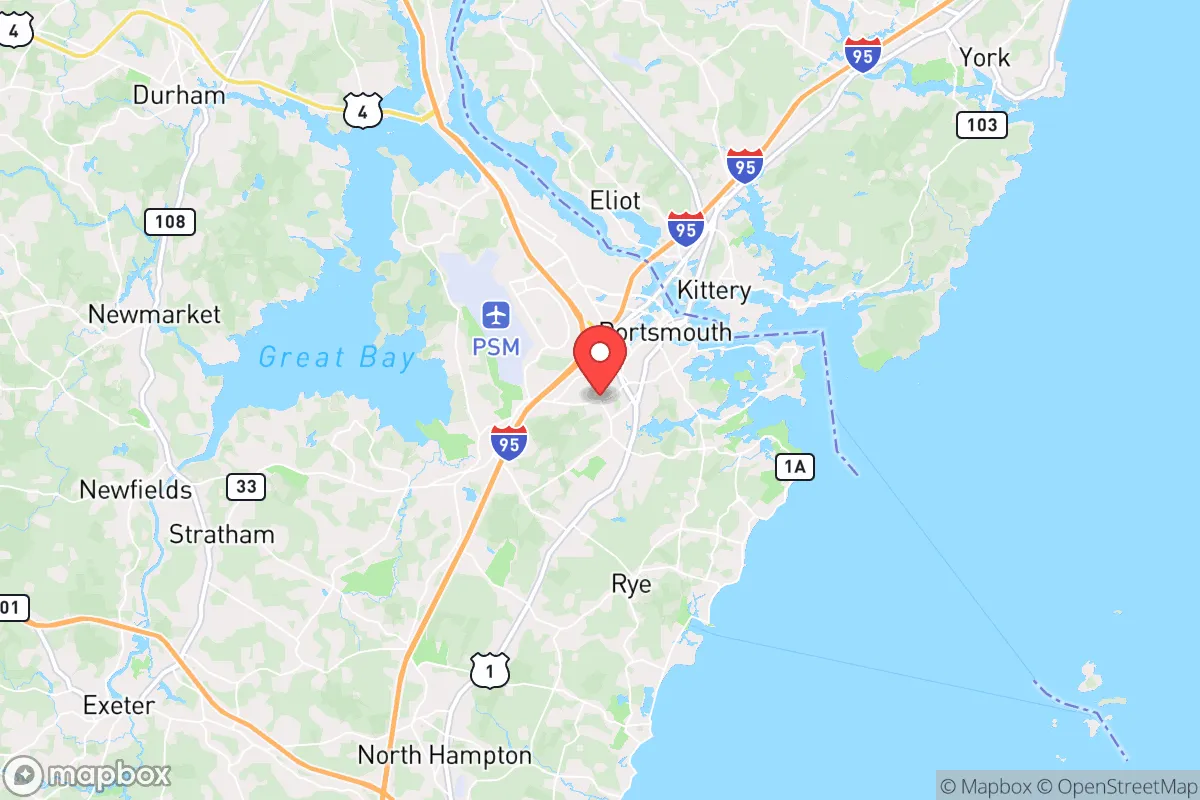
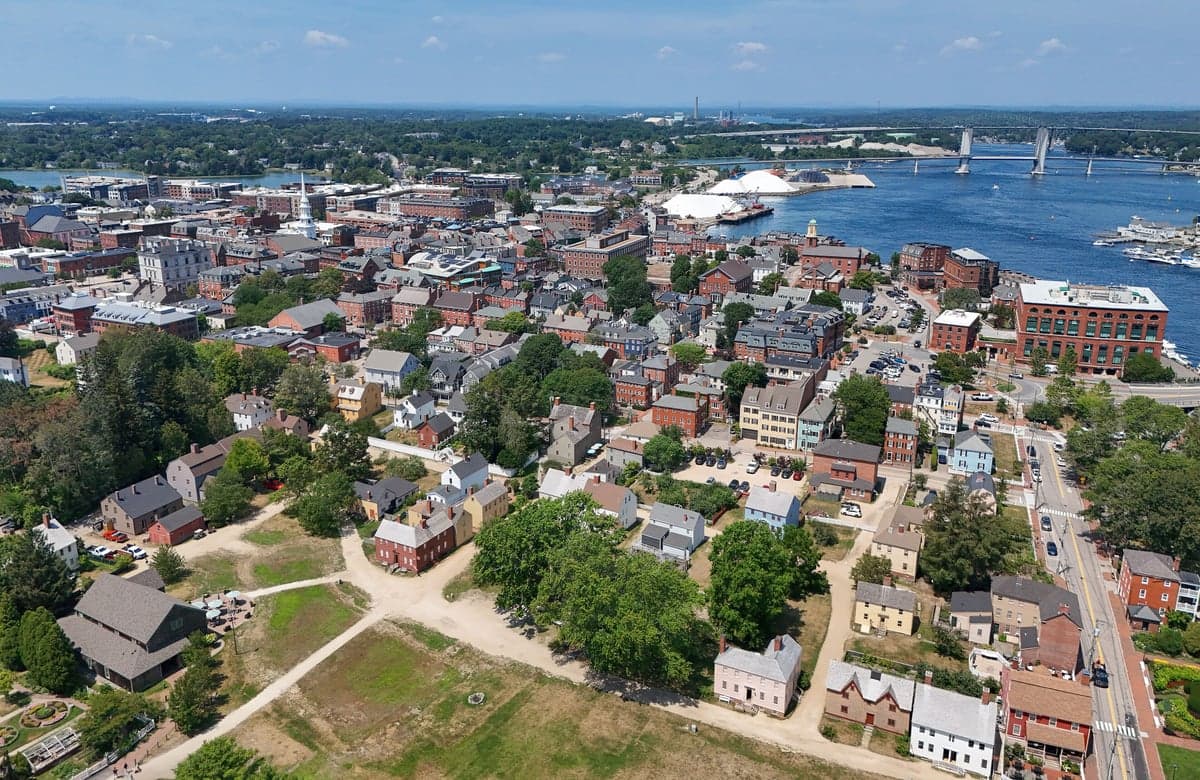
Photo: Wikipedia
Political ClimatePolitical Climate in Portsmouth, NH
District shown is the primary district for this city’s centroid. Cities may span multiple districts.
Local Political AnalysisPolitical Analysis of Portsmouth, NH
Portsmouth, New Hampshire, has a Cook PVI of D+2, meaning it leans slightly more Democratic than the national average, but don't let that number fool you into thinking it's a one-party town. The reality on the ground is a lot more complicated, and frankly, a lot more concerning for anyone who values personal freedom and limited government. This isn't the Portsmouth I grew up in; the political center of gravity has shifted hard and fast toward progressive activism, and the old-school live-and-let-live Yankee independence is getting squeezed out.
How it compares
To understand Portsmouth's politics, you have to look at the donut around it. Drive 15 minutes west into Newington or Greenland, and you'll find towns that still vote reliably Republican and where the local budget fights are about keeping taxes low and schools focused on basics. Head north to Dover or Rochester, and you get a more mixed, working-class vibe where people are skeptical of the kind of social engineering that's become popular in Portsmouth. But inside the city itself, the city council and school board are increasingly dominated by voices pushing for things like sanctuary city policies, defunding police initiatives (even if they rebrand them), and zoning changes that prioritize density over property rights. The contrast is stark: Portsmouth is becoming an island of coastal progressive ideology in a region that's still mostly sensible.
What this means for residents
For a long-time resident, the most visible change is the feeling that your personal freedoms are being managed. The city has aggressively pursued plastic bag bans, restrictions on short-term rentals that limit what you can do with your own property, and a push for "equity" policies in hiring and contracting that prioritize group identity over individual merit. The school board has been a particular battleground, with debates over critical race theory-inspired curricula and gender ideology policies that many parents feel were implemented without real community input. If you own a small business, you're facing a growing stack of local regulations and fees that make it harder to just run your shop without a lawyer on retainer. The tax rate isn't outrageous compared to some Massachusetts towns, but it's climbing, and the city's appetite for new spending on social programs and climate initiatives shows no sign of slowing down.
What the future looks like
Looking ahead, the trajectory is worrying. The influx of remote workers from Boston and New York City—many of whom bring their big-city politics with them—is accelerating the shift. The old guard of fiscally conservative Democrats and moderate Republicans who used to run the city is retiring or being voted out. I see a real risk that Portsmouth becomes a place where the government's role expands into every corner of life, from what kind of lightbulb you can buy to what your kids are taught about American history. The local elections in 2025 and 2026 will be critical; if the progressive slate holds the council and school board, expect more of the same. For now, if you value personal liberty, low taxes, and a government that stays out of your way, you might want to keep an eye on the towns just outside the city limits. Portsmouth is still a beautiful place to live, but the political climate is becoming less about freedom and more about conformity to a particular vision—and that's a red flag worth paying attention to.

State Political ClimatePolitical Climate in New Hampshire
State Political AnalysisPolitical Environment in the State
New Hampshire has long been known as a fiercely independent state, but its political lean has shifted noticeably over the past decade. While it still carries a libertarian streak and a "Live Free or Die" ethos, the state has moved from a reliably purple swing state to one that leans slightly Democratic in presidential elections, though it remains deeply divided. The dominant coalition is a mix of moderate Republicans, fiscally conservative independents, and a growing progressive base concentrated in the southeastern corner. Over the last 10-20 years, the state has seen a slow but steady drift leftward, driven by in-migration from Massachusetts and other blue states, though the rural north and west remain solidly red.
Urban vs. rural divide
The political map of New Hampshire is a tale of two states. The southeastern corridor—Manchester, Nashua, Portsmouth, and the Seacoast region—is the engine of Democratic power. These areas are dense, affluent, and increasingly progressive, with Manchester and Nashua both voting heavily for Joe Biden in 2020. In contrast, the rural North Country (Coos County) and the western Monadnock region (Keene, though Keene itself is a blue island) lean heavily Republican. The Lakes Region and the central part of the state, including Concord, are more competitive but trending left. The key battleground is the "Golden Triangle" of Manchester, Nashua, and Salem, where suburban voters have been drifting away from the GOP on social issues. Meanwhile, towns like Derry, Londonderry, and Bedford still lean Republican but are becoming more moderate. The rural-urban divide is stark: in 2024, Hillsborough County (home to Manchester) went for Biden by about 8 points, while Carroll County in the north went for Trump by 12 points. This split means state elections are often decided by a few thousand votes in the southeastern suburbs.
Policy environment
New Hampshire’s policy environment is a mixed bag for conservatives. On the plus side, the state has no income tax and no sales tax, which is a major draw for those fleeing high-tax states. Property taxes are high—among the highest in the nation—but there’s no broad-based income or sales levy. The regulatory posture is generally business-friendly, with a right-to-work law on the books and minimal zoning restrictions outside of the Seacoast. However, education policy has become a flashpoint. The state’s school funding system is heavily reliant on local property taxes, leading to wide disparities between wealthy and poor districts. In 2023, the legislature passed a school voucher-style program (Education Freedom Accounts) that allows parents to use state funds for private or homeschool expenses—a win for school choice advocates. Healthcare is a mixed bag: New Hampshire expanded Medicaid under the Affordable Care Act, and the state has a strong public health infrastructure, but there’s no state-run insurance mandate. Election laws are relatively free—same-day voter registration is allowed, and there’s no voter ID requirement, which has drawn criticism from conservatives who worry about election integrity. The state also has a strong tradition of town hall meetings and citizen-led initiatives, which can be a double-edged sword for those seeking stability.
Trajectory & freedom
On the freedom front, New Hampshire is a tale of two trends. The state has expanded personal liberty in some areas while contracting it in others. On the positive side, gun rights remain strong: New Hampshire is a constitutional carry state, with no permit required to carry a concealed firearm, and there’s no state-level assault weapons ban. In 2021, the legislature passed a law prohibiting "red flag" orders that would allow temporary seizure of firearms without due process—a major win for Second Amendment advocates. Parental rights have also seen gains: the Education Freedom Accounts mentioned above give parents more control over their children’s education. However, there are concerning trends. In 2023, the state passed a law banning conversion therapy for minors, which some conservatives view as government overreach into parental decision-making. Medical autonomy has been a battleground: New Hampshire has no vaccine mandate for adults, but COVID-era restrictions were stricter than in neighboring states like Maine, with mask mandates in schools lasting into 2022. Property rights are generally strong, but the state’s housing crisis has led to calls for more zoning regulation, which could erode local control. The biggest red flag for conservatives is the steady push for progressive social policies in the legislature, including efforts to codify abortion rights (the state currently has no gestational limit on abortion) and expand LGBTQ+ protections. The trajectory is toward more government intervention in personal matters, albeit slowly.
Civil unrest & political movements
New Hampshire has a history of political activism, but it’s generally more civil than in other states. The Free State Project, a movement of libertarians who moved to the state to push for smaller government, has been a notable force since the early 2000s. They’ve had some success in local politics, particularly in towns like Keene and Grafton County, but their influence has waned as more mainstream conservatives and progressives have moved in. On the left, the "No Coal" movement and environmental activists have been vocal, particularly around the Seabrook nuclear plant and the Northern Pass transmission line. Immigration politics have been relatively quiet, as New Hampshire has a small foreign-born population, but there have been flashpoints over sanctuary policies. In 2019, the state passed a law prohibiting local police from asking about immigration status, which conservatives criticized as a sanctuary policy. Election integrity has been a hot topic since 2020, with Republican legislators pushing for voter ID laws and stricter registration rules, but those efforts have largely stalled in the face of Democratic opposition. Protests have been small and sporadic—the 2020 Black Lives Matter protests in Manchester and Portsmouth drew a few hundred people, and there were counter-protests from pro-Trump groups. Overall, the state is politically engaged but not prone to large-scale unrest, though the growing polarization in the southeastern suburbs is a concern for long-term stability.
Projection
Looking ahead 5-10 years, New Hampshire is likely to continue its slow drift leftward, driven by demographic shifts. The state is seeing significant in-migration from Massachusetts, New York, and other high-tax states, and these newcomers tend to be more progressive, especially on social issues. The southeastern corridor will become even more Democratic, while the rural north and west will remain Republican but lose population. This could lead to a situation where the state legislature becomes more competitive, with Democrats potentially gaining a permanent majority in the House and Senate by the early 2030s. The Free State Project’s influence is waning, and the GOP is struggling to appeal to suburban voters who are turned off by cultural wars. For a conservative moving in now, the next decade will likely bring higher property taxes (to fund education and social services), more progressive social policies (codified abortion rights, expanded LGBTQ+ protections), and continued erosion of local control over zoning and education. The state’s fiscal conservatism—no income or sales tax—is likely to hold, but the cultural and political landscape will become increasingly hostile to traditional values. The best bet for conservatives is to settle in the rural north or west, where the political climate is more aligned with their views, but even there, the demographic tide is against them.
For a new resident, the bottom line is this: New Hampshire still offers a high degree of personal freedom compared to many states, especially on taxes and gun rights. But the political winds are shifting, and the state is becoming more progressive with each election cycle. If you value low taxes and minimal government, you’ll find a lot to like here—for now. But if you’re looking for a long-term conservative stronghold, you might want to look further west. The "Live Free or Die" spirit is still alive, but it’s increasingly being interpreted through a progressive lens. Keep an eye on the state legislature and the governor’s race in 2026—that will tell you a lot about where New Hampshire is headed.
* Values derived from national, state, county, city and local statistics and may differ in a specific area. Last updated: 2026-05-01T22:27:08.000Z
Narrative content on this page is AI-generated and may contain mistakes. Verify any details that matter before acting on them.
ReloMaps may earn a commission from affiliate links at no extra cost to you.

