 Popular
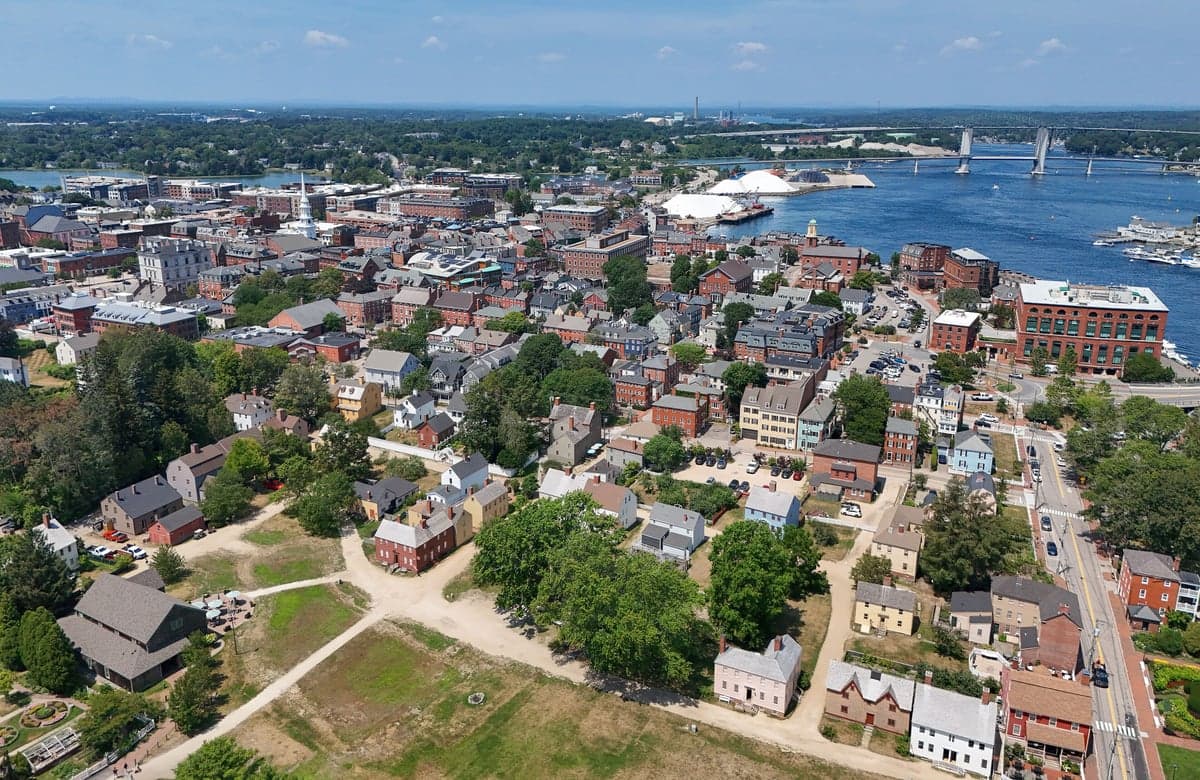
Photo: Wikipedia
Quality of Life in Portsmouth, NH
Above-average quality of iife. The area offers a reasonable cost of living, decent mobility, and a mix of neighborhood amenities.
What does Quality of Life tell us?
Quality of Life blends cost of living, nearby amenities, socioeconomic signals, and neighborhood character. City-level scores represent the whole municipality; individual neighborhoods can differ.
What does this tell us?
Quality of Life blends cost of living, nearby amenities, socioeconomic signals, and neighborhood character. City-level scores represent the whole municipality; individual neighborhoods can differ.
Cost of Living
83% above national average
The Real Cost of Living in Portsmouth, NH for 2026
| Tier | Individual | Family (4) |
|---|---|---|
| Survival | $28k | $53k |
| Comfortable | $124k | $183k |
| Luxury | $191k+ | $296k+ |
| Elite (Top 5%) | $232k+ | $360k+ |
58%
The Area Signal
A metric tracking the socioeconomic signals of the area.
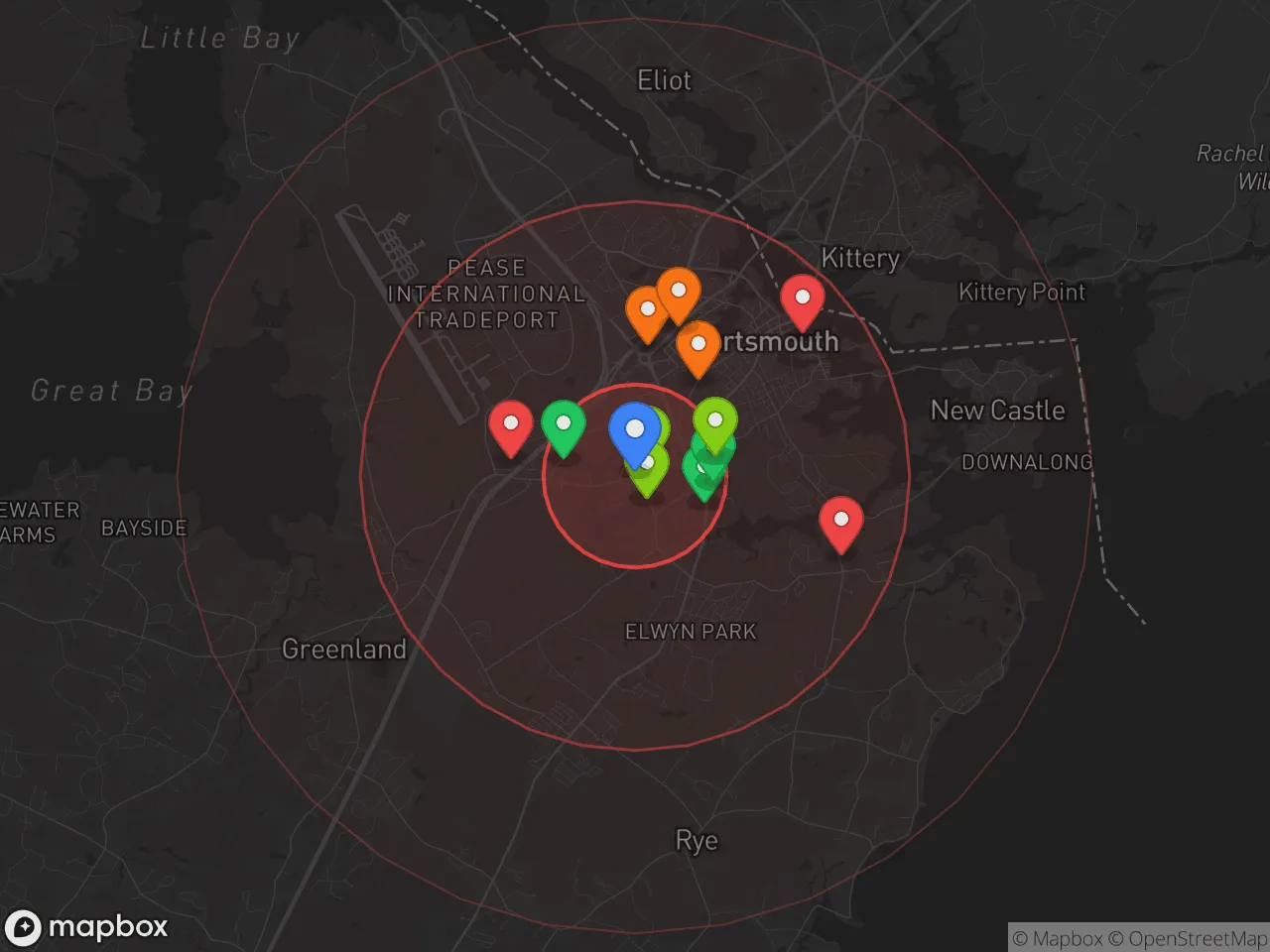
Hobbies
Explore the areaGroceries
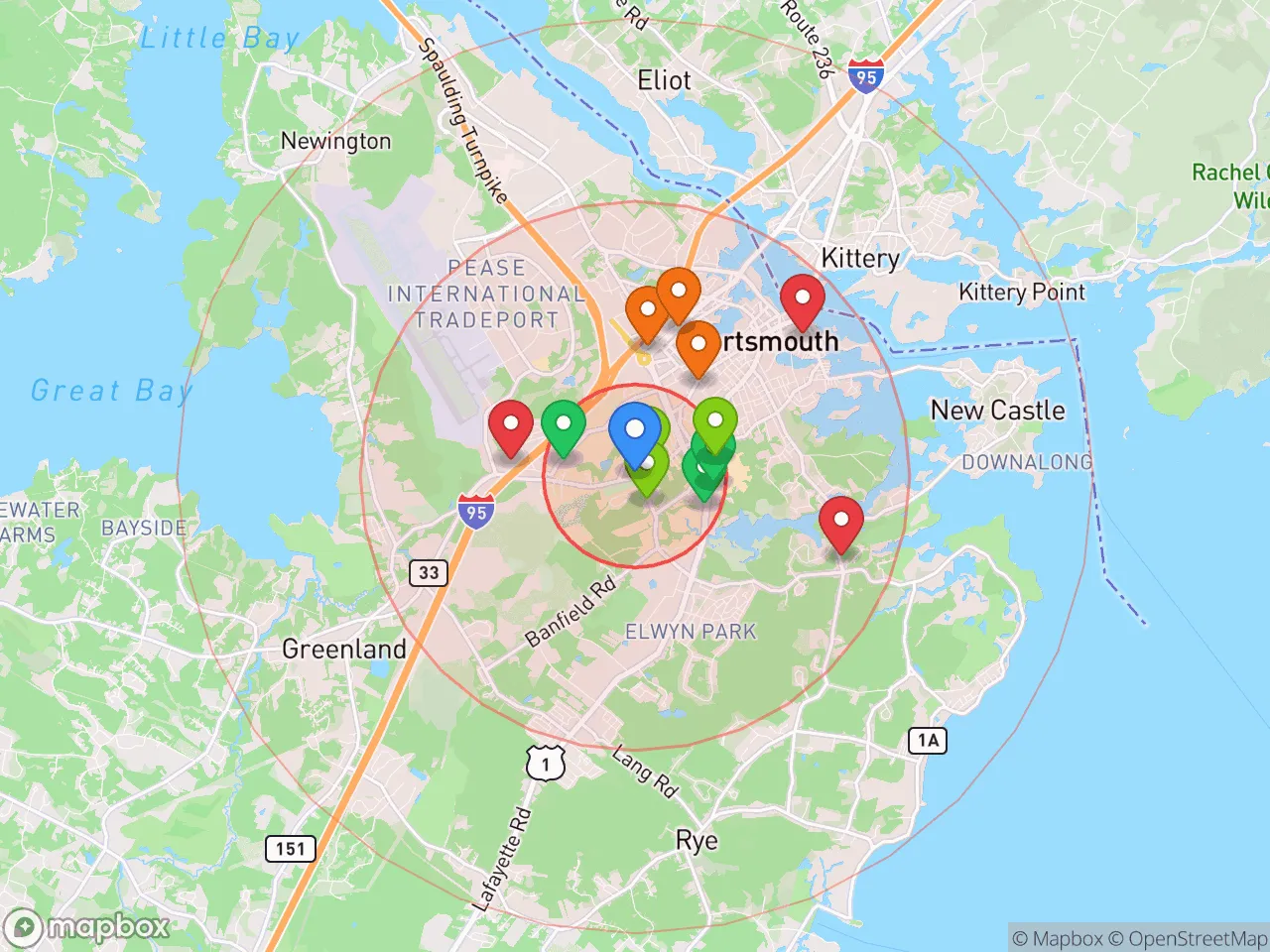
9 within 10 miles
Gas
20 within 10 miles
Hospital
8 within 20 miles
Airport
PDX — Portland International Jetport
Post Office
USPS — Portsmouth, NH
Critical Amenities
Quality-of-Life Analysis
Portsmouth, New Hampshire, is an affluent coastal city where the population skews toward highly educated professionals, empty-nesters, and families drawn by its historic downtown and waterfront lifestyle. With a cost-of-living index of 183 (83% above the U.S. average), the city commands a premium that reflects its desirability, but the trade-off is access to one of New England’s most walkable, amenity-rich small cities. The median household income hovers well above the national figure, supporting a community where many residents work in tech, healthcare, education, or commute to Boston-area employers.
Cost of living, housing, and affordability compared to nearby areas
Portsmouth’s cost of living is among the highest in New Hampshire, driven primarily by housing. The median home value sits at $640,600, roughly double the national median, while the median rent of $1,778 is similarly elevated. Compared to nearby Seacoast towns like Dover or Rochester, Portsmouth homes typically cost 30–50% more; however, it remains less expensive than Boston’s core suburbs, where comparable properties often exceed $800,000. The average commute of 22 minutes is notably short for the region, as many residents work locally or at the Portsmouth Naval Shipyard in Kittery, Maine, just across the Piscataqua River. Property taxes in New Hampshire are relatively high (no state income or sales tax), adding roughly $8,000–$10,000 annually on a median-priced home. For renters, the market is tight, with vacancy rates below 3% and studios often leasing for $1,400+. Affordability challenges push some workers to commute from cheaper inland towns, but for those who can absorb the cost, Portsmouth offers a compact, car-optional lifestyle rare in northern New England.
What daily life is like: amenities, schools, and local rhythm
Daily life in Portsmouth revolves around its compact, walkable downtown—Market Square, Prescott Park, and the working waterfront are all within a 15-minute walk of most neighborhoods. The city’s public schools, including Portsmouth High School, consistently rank among New Hampshire’s top 10%, with strong STEM and arts programs. The local rhythm is defined by seasonal festivals (e.g., the Prescott Park Arts Festival, Market Square Day), a thriving farm-to-table restaurant scene, and easy access to outdoor recreation along the coast and the Great Bay. The Portsmouth Public Library and the Music Hall provide year-round cultural anchors. While the city lacks a major hospital within its limits, Portsmouth Regional Hospital and several specialty clinics serve the area. Traffic on the Memorial Bridge and Route 1 Bypass can bottleneck during summer weekends, but the average commute remains under 25 minutes. For families, the trade-off is higher housing costs versus access to top-tier schools and a safe, pedestrian-friendly environment where children can walk to parks and the library.
Portsmouth is best suited for professionals, remote workers, and retirees who prioritize walkability, cultural density, and coastal scenery over square footage or a large yard. Families with school-age children will find excellent public education and a tight-knit community, but should budget carefully for housing. Those who thrive here are typically willing to pay a premium for a lifestyle that blends historic charm, outdoor access, and urban amenities in a compact package—without the congestion of a major metro area. For anyone seeking a quieter, more affordable alternative, nearby towns like Newmarket or Somersworth offer lower costs with a longer commute to Portsmouth’s job centers.

Crime in Portsmouth, NH
Lower crime rates than 82% of comparable U.S. locations.
Violent CrimeViolent Crime Analysis
Property CrimeProperty Crime Analysis
Crime Analysis
Portsmouth, New Hampshire, presents a mixed safety profile for potential residents. The city’s violent crime rate of 203 incidents per 100,000 people is notably lower than the national average, but its property crime rate of 1,140 per 100,000 exceeds both state and national benchmarks. This combination makes Portsmouth a generally safe city for violent offenses while requiring heightened vigilance against theft and burglary, a pattern common in dense, amenity-rich small cities near major metro areas like Boston.
Crime in context
When compared to the rest of New Hampshire, which consistently ranks among the safest states in the U.S., Portsmouth’s property crime rate stands out as elevated. The state’s average property crime rate hovers around 900 per 100,000, meaning Portsmouth’s rate is roughly 27% higher. Violent crime, however, remains well below the national average of approximately 380 per 100,000. This disparity is partly attributable to the city’s status as a regional hub for tourism, dining, and nightlife, which draws a transient population and creates more opportunities for property-related offenses. Progressive judicial policies in Rockingham County and the broader New Hampshire court system—including a focus on diversion programs and reduced sentencing for non-violent property offenders—contribute to a higher recidivism rate for theft and larceny, as critics argue that lenient treatment fails to deter repeat offenses. This ideological approach, while intended to reduce incarceration, can result in more criminals cycling through the community, directly impacting victims and public confidence in safety.
What residents experience
Daily life in Portsmouth feels safe for most residents, particularly during daylight hours and in the downtown core. The most common crimes reported are thefts from vehicles, bicycle thefts, and shoplifting, concentrated along Congress Street, Market Square, and the waterfront. Violent incidents are rare and typically involve disputes among acquaintances rather than random attacks. However, the presence of a progressive district attorney’s office that prioritizes rehabilitation over incarceration means that individuals arrested for property crimes often face minimal jail time, leading to a perception among locals that the justice system is soft on repeat offenders. This can erode trust in law enforcement and create frustration for victims who see perpetrators return to the same neighborhoods. Residents are advised to lock vehicles, secure bicycles, and avoid leaving valuables in plain sight, especially in high-traffic tourist areas.
Neighborhood-level variation is modest but noticeable. The downtown and Islington Street corridor see the highest property crime volumes, while residential areas like the South End, Pannaway Manor, and Elwyn Park report lower incident rates. The city’s overall violent crime rate remains low enough that most families and professionals consider Portsmouth a desirable place to live, but the elevated property crime and the philosophical leanings of the local judiciary are factors that should give prospective residents pause, particularly those accustomed to stricter enforcement in more conservative jurisdictions.
* Values derived from national, state, county, city and local statistics and may differ in a specific area. Last updated: 2026-05-01T22:27:08.000Z
Narrative content on this page is AI-generated and may contain mistakes. Verify any details that matter before acting on them.
ReloMaps may earn a commission from affiliate links at no extra cost to you.

