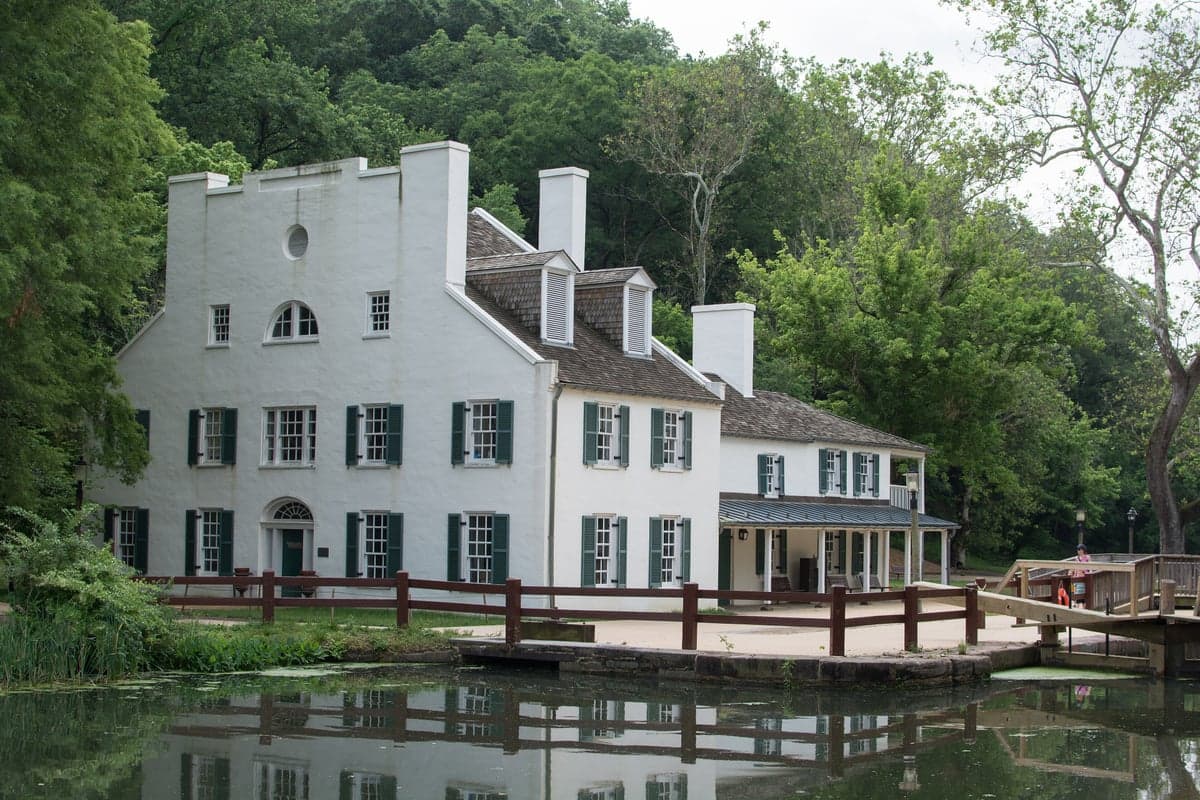
Photo: Wikipedia
Quality of Life in Potomac, MD
Above-average quality of iife. The area offers a reasonable cost of living, decent mobility, and a mix of neighborhood amenities.
What does Quality of Life tell us?
Quality of Life blends cost of living, nearby amenities, socioeconomic signals, and neighborhood character. City-level scores represent the whole municipality; individual neighborhoods can differ.
What does this tell us?
Quality of Life blends cost of living, nearby amenities, socioeconomic signals, and neighborhood character. City-level scores represent the whole municipality; individual neighborhoods can differ.
Cost of Living
192% above national average
The Real Cost of Living in Potomac, MD for 2026
| Tier | Individual | Family (4) |
|---|---|---|
| Survival | $42k | $78k |
| Comfortable | $215k | $316k |
| Luxury | $406k+ | $630k+ |
| Elite (Top 5%) | $478k+ | $741k+ |
76%
The Area Signal
A metric tracking the socioeconomic signals of the area.
Hobbies
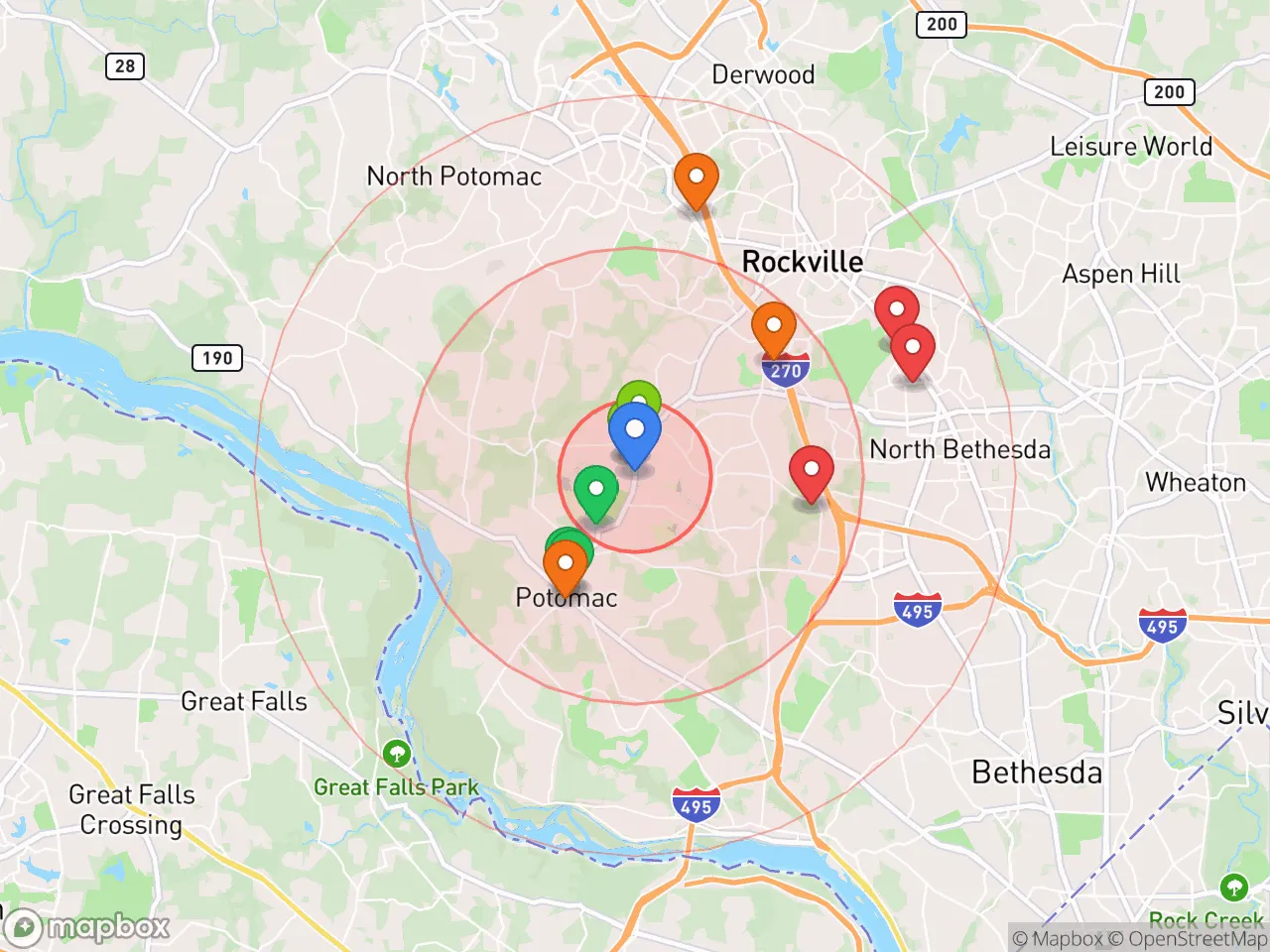
Explore the areaGroceries
7 within 10 miles
Gas
20 within 10 miles
Hospital
20 within 20 miles
Airport
DCA — Ronald Reagan Washington National
Post Office
USPS — Potomac, MD
Critical Amenities
Quality-of-Life Analysis
Potomac, Maryland, is one of the most affluent communities in the Washington, D.C. metropolitan area, with a cost of living index of 292—nearly three times the national average. This unincorporated census-designated place in Montgomery County is home to a dense concentration of high-earning professionals, diplomats, and executives who prioritize privacy, large estates, and top-tier public education over urban convenience. The population skews heavily toward families and long-term residents, creating a quiet, insular atmosphere that contrasts sharply with the fast-paced energy of nearby D.C.
Cost of living, housing prices, and affordability compared to Bethesda and D.C.
Potomac’s housing market is among the most expensive in Maryland, with a median home value of $1,105,900 and a median rent of $2,616. For context, the median home value in neighboring Bethesda is roughly $950,000, while in Washington, D.C. proper it hovers around $700,000. The cost of living index of 292 reflects not just housing but also higher costs for services, groceries, and transportation. Renters face a market with limited inventory, as the area is dominated by single-family homes on large lots. The average commute of 31.2 minutes—longer than the national average of 26 minutes—is a trade-off residents accept for larger properties and lower crime rates. Property taxes in Montgomery County average about 1.1% of assessed value, adding roughly $12,000 annually on a median-priced home, though Maryland’s state income tax (up to 5.75%) and county tax (up to 3.2%) further raise the effective cost of living.
Schools, amenities, and what daily life is like for families
Daily life in Potomac revolves around its highly rated public schools, particularly Winston Churchill High School (ranked #1 in Maryland by U.S. News in 2024) and Thomas S. Wootton High School. The area is zoned for Montgomery County Public Schools, a system with a 92% graduation rate and extensive Advanced Placement offerings. Amenities are spread out rather than walkable: residents drive to the Potomac Village shopping center for a Starbucks, a CVS, and upscale dining like Il Pizzico, or to Cabin John Village for a Whole Foods and a Regal Cinema. Outdoor recreation centers on the C&O Canal National Historical Park and Great Falls Park, both offering hiking, biking, and kayaking along the Potomac River. The rhythm is suburban and car-dependent—there is no Metro station in Potomac itself, though the Grosvenor-Strathmore station in nearby North Bethesda is a 10-minute drive. Community events like the Potomac Day festival in October and the Potomac Community Center’s summer concerts provide low-key social anchors.
Potomac is best suited for high-income families and professionals who value space, privacy, and elite public schools over urban walkability or cultural density. Empty-nesters and retirees also gravitate here for the large homes and quiet streets, though the lack of senior-specific transit and the high property taxes can be drawbacks. Singles and young professionals without children may find the area isolating, as social life is heavily family-oriented and nightlife is virtually nonexistent. For those who can afford the $1.1 million median home price and the associated tax burden, Potomac offers a secure, well-maintained environment with strong property value appreciation—but it demands a car, a tolerance for long commutes, and a preference for suburban seclusion.

Crime in Potomac, MD
Higher crime rates than 57% of comparable U.S. locations.
Violent CrimeViolent Crime Analysis
Property CrimeProperty Crime Analysis
Crime Analysis
Potomac, Maryland, presents a complex safety profile where property crime rates significantly exceed national averages while violent crime remains somewhat below the U.S. norm, though both figures are elevated compared to other affluent Washington, D.C., suburbs. The community's violent crime rate of 351.4 per 100,000 residents sits notably above the Maryland state average of roughly 300 per 100,000 and the national average of approximately 380 per 100,000, placing it in a middle tier for safety among comparable jurisdictions. Property crime, at 1,814.9 per 100,000, runs substantially higher than both the state average of about 1,500 per 100,000 and the national figure of roughly 1,950 per 100,000, indicating that theft and burglary are the primary public safety concerns for residents.
Crime in context
When compared to neighboring communities like Bethesda (violent crime ~180 per 100K) or North Potomac (~120 per 100K), Potomac's violent crime rate is roughly double to triple that of its immediate peers. The property crime rate, however, is more in line with the broader Montgomery County average of approximately 1,700 per 100,000, suggesting that while theft is a regional issue, violent incidents are disproportionately concentrated in Potomac relative to its wealth profile. Potomac's violent crime rate is 17% higher than the Maryland state average, a notable divergence for a community with a median household income exceeding $200,000. This disparity may reflect the influence of progressive prosecutorial policies in Montgomery County, where the State's Attorney's Office has implemented diversion programs and reduced sentencing recommendations for non-violent offenses, potentially contributing to higher recidivism and a greater number of offenders remaining on the street.
What residents experience
Daily life in Potomac for most residents involves a heightened awareness of property crime, particularly vehicle break-ins and package theft, which are common in the area's large-lot subdivisions and along major corridors like River Road and Falls Road. Larceny-theft accounts for roughly 70% of all reported property crime, with many incidents occurring in driveways and garages of single-family homes. Violent crime, while less frequent, includes armed robberies at commercial plazas and occasional home invasions, often targeting high-value properties. Residents report that neighborhood watch programs and private security patrols are common, but the sheer number of transient offenders passing through from nearby urban centers like Washington, D.C., and Silver Spring limits the effectiveness of these measures. The presence of progressive judges and district attorneys in Montgomery County, who prioritize rehabilitation over incarceration, means that even repeat property offenders often face minimal jail time, a factor that directly undermines deterrence and public confidence in the justice system.
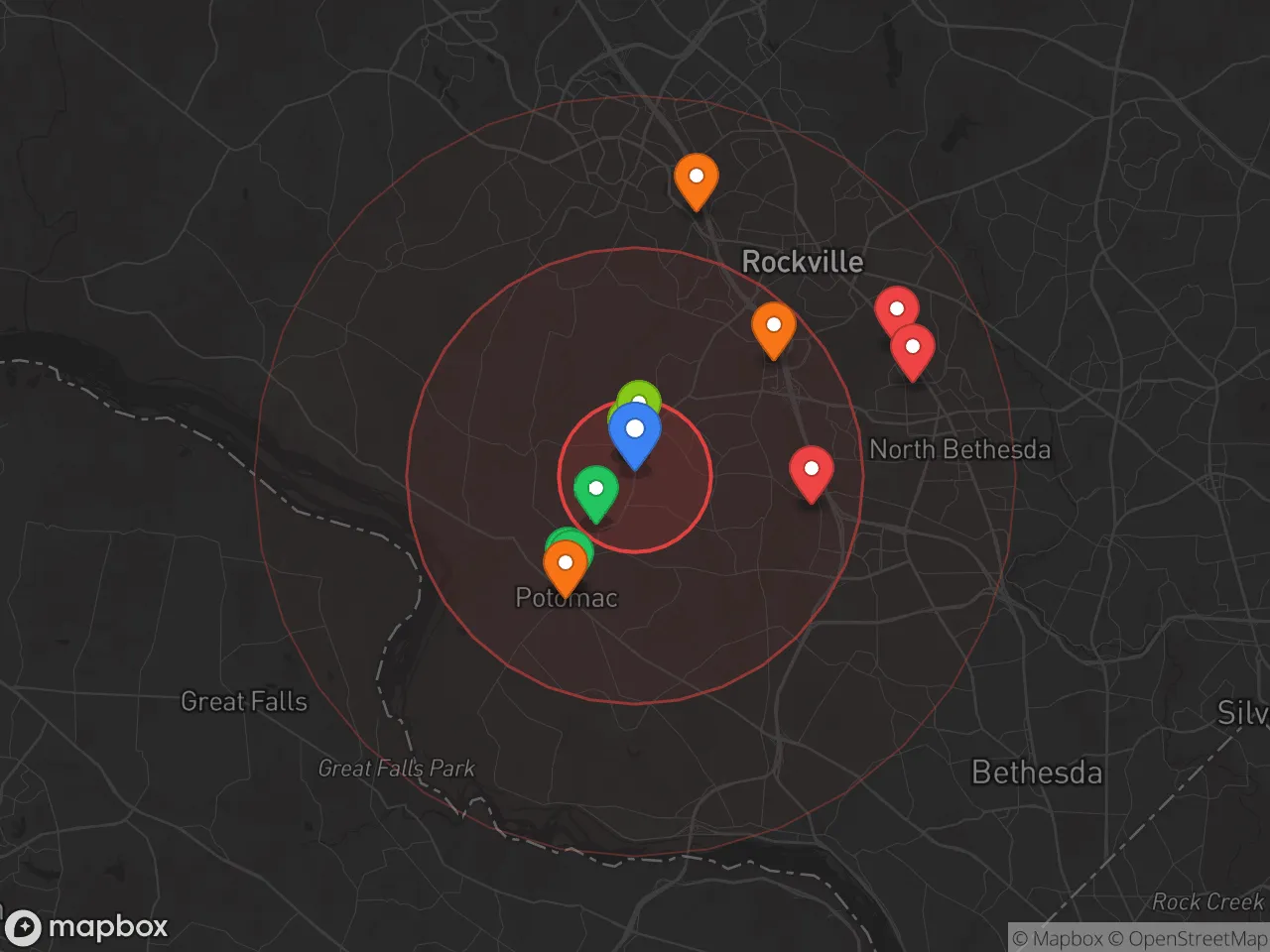
Neighborhood-level variation in Potomac is significant. Areas east of I-270, closer to Rockville and the more densely populated parts of the county, tend to experience higher rates of both property and violent crime, while the western sections near the Potomac River and the C&O Canal National Historical Park see fewer incidents. The Potomac Village commercial district and the neighborhoods along MacArthur Boulevard report the highest concentration of thefts and burglaries, driven by easy access to major roads and a steady flow of non-resident traffic. Gated communities and those with private security, such as parts of Avenel and the Palisades, show markedly lower crime rates, though they remain vulnerable to organized theft rings targeting luxury goods. For prospective residents, choosing a home in the western or northern reaches of Potomac, combined with active participation in a neighborhood watch, offers the best chance of experiencing the community's lower-than-average violent crime rate while mitigating the pervasive property crime risk.
* Values derived from national, state, county, city and local statistics and may differ in a specific area. Last updated: 2026-04-27T14:55:29.000Z
Narrative content on this page is AI-generated and may contain mistakes. Verify any details that matter before acting on them.
ReloMaps may earn a commission from affiliate links at no extra cost to you.

