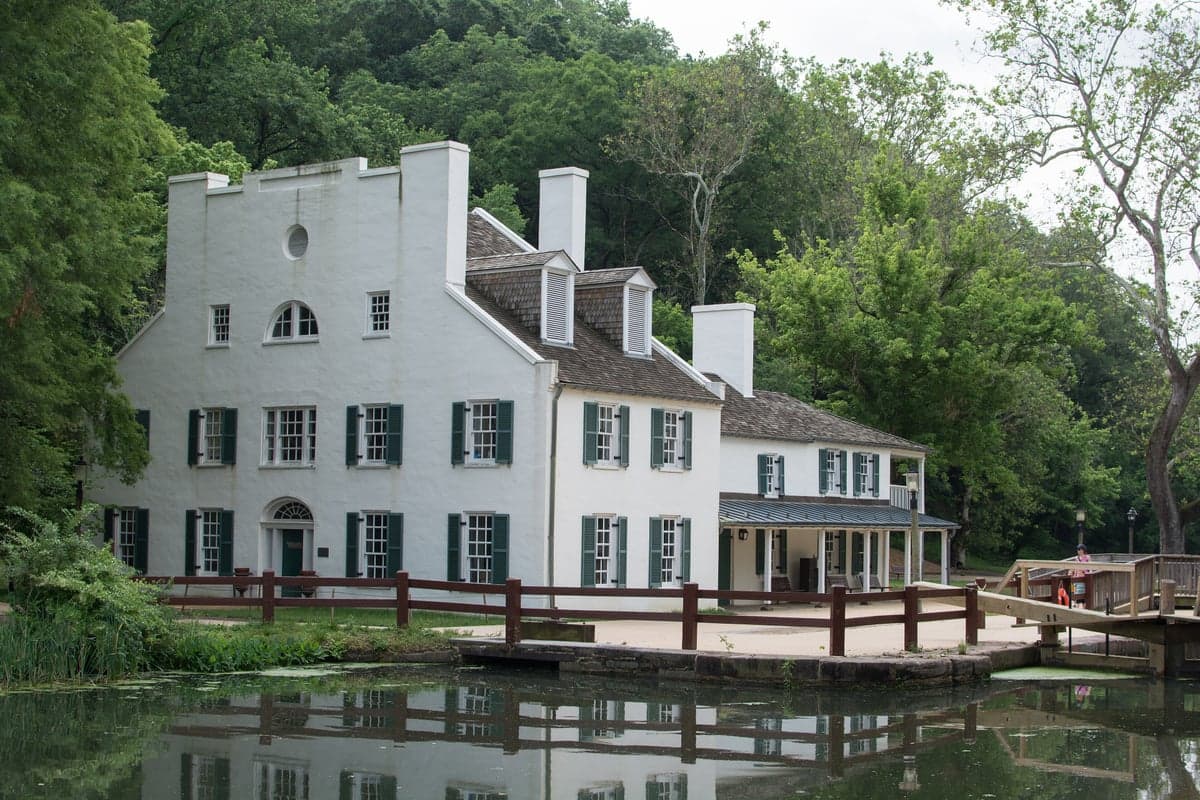
Photo: Wikipedia
Strategic Assessment of Potomac, MD
Meaningful friction. Expect exposure to either population pressure, blast zones, or natural disaster risk. Consider buying a retreat property.
What does the Strategic Assessment tell us?
Our Strategic Assessment grades tactical survivability of an area. Major population centers, military targets, fallout zones, natural disasters, and border exposure all drive risk — lower exposure means a more defensible position in a crisis.
This is heavily inspired by Joel Skousen's Strategic Relocation book. Highly recommended you checkout the book ($)What does this tell us?
Our Strategic Assessment grades tactical survivability of an area. Major population centers, military targets, fallout zones, natural disasters, and border exposure all drive risk — lower exposure means a more defensible position in a crisis.
This is heavily inspired by Joel Skousen's Strategic Relocation book. Highly recommended you checkout the book ($)Strategic Pillars

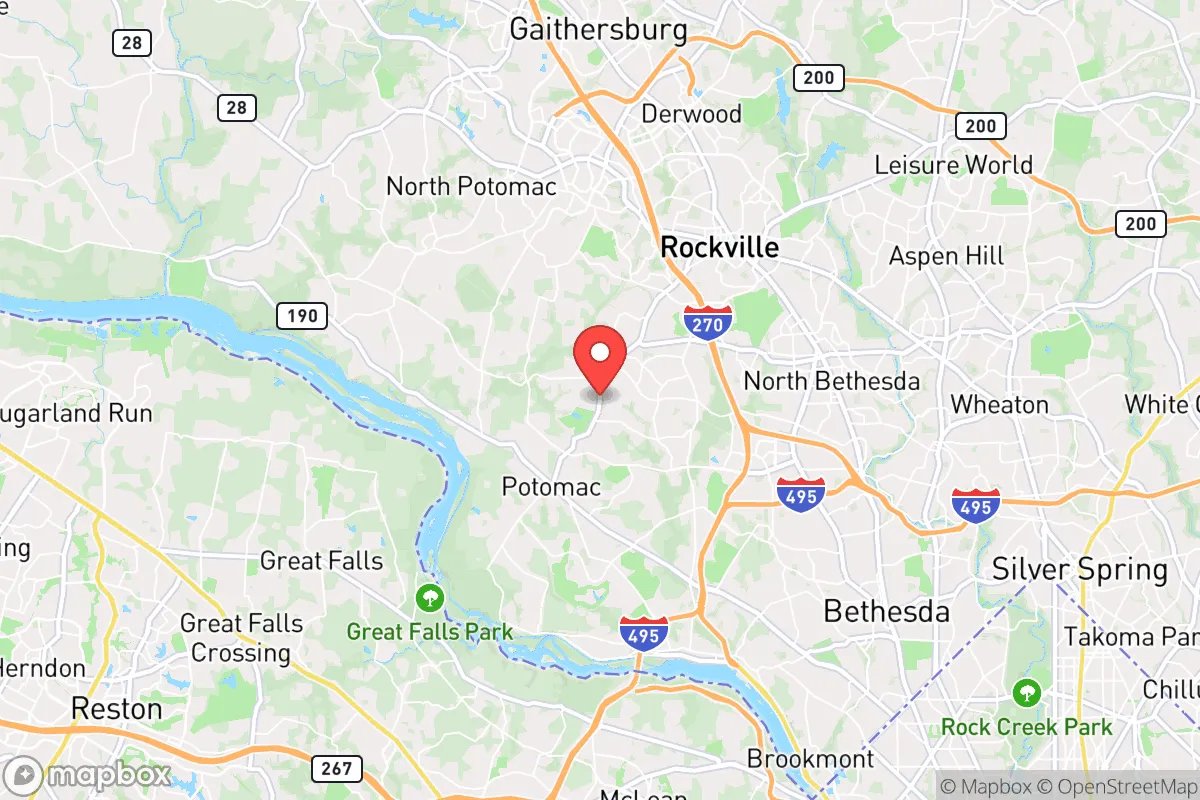
Key Distances
Regional Safe Places
Below is our recommended "safe zones" in Maryland and the surrounding area based on our strategic heuristics. For most people, it's unrealistic to live in a “safe zone” full-time due to work, family or other personal reasons. They tend to be more rural. However, many of these areas are perfect for second homes and retreat properties that double as a vacation home or even a short-term rental.
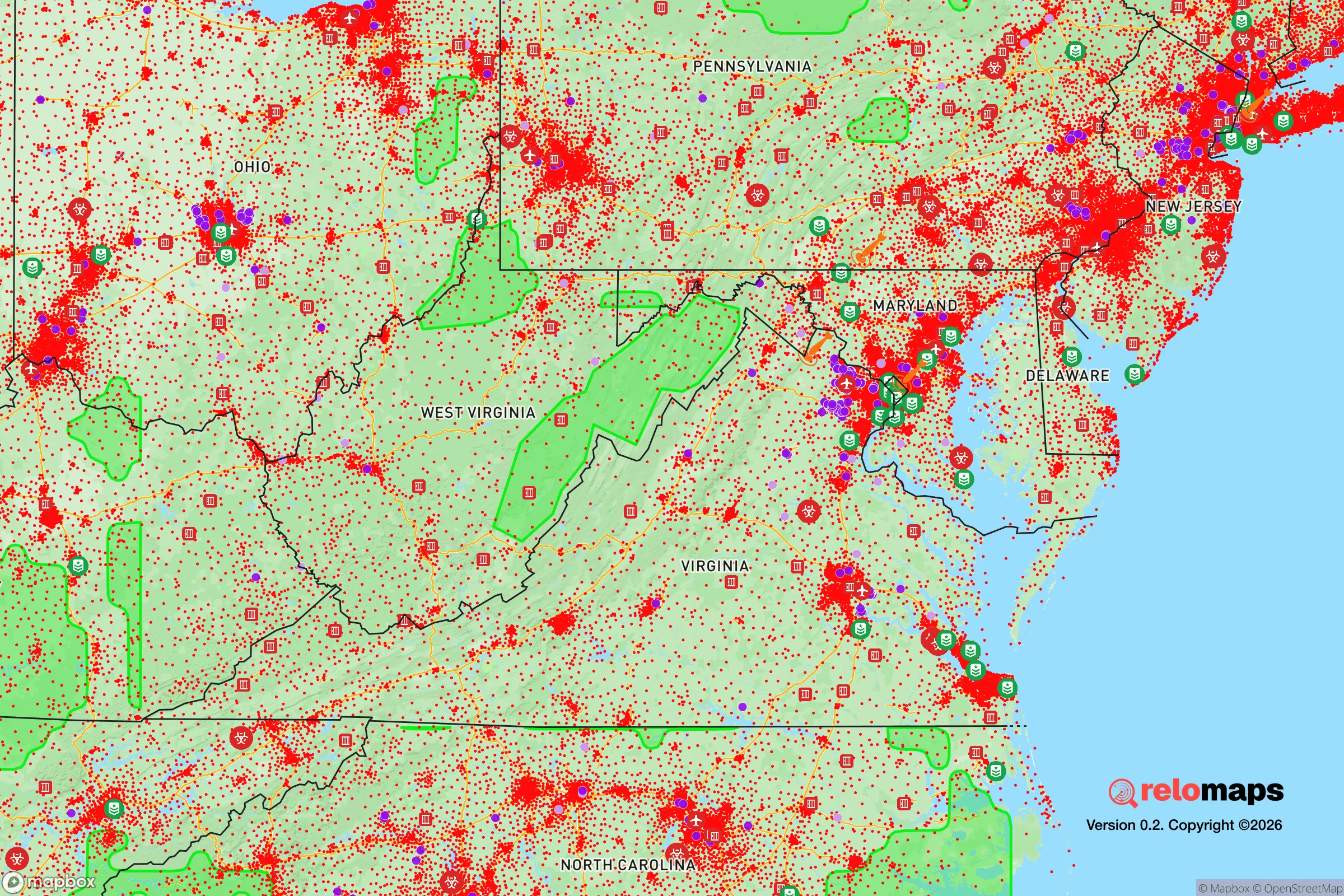
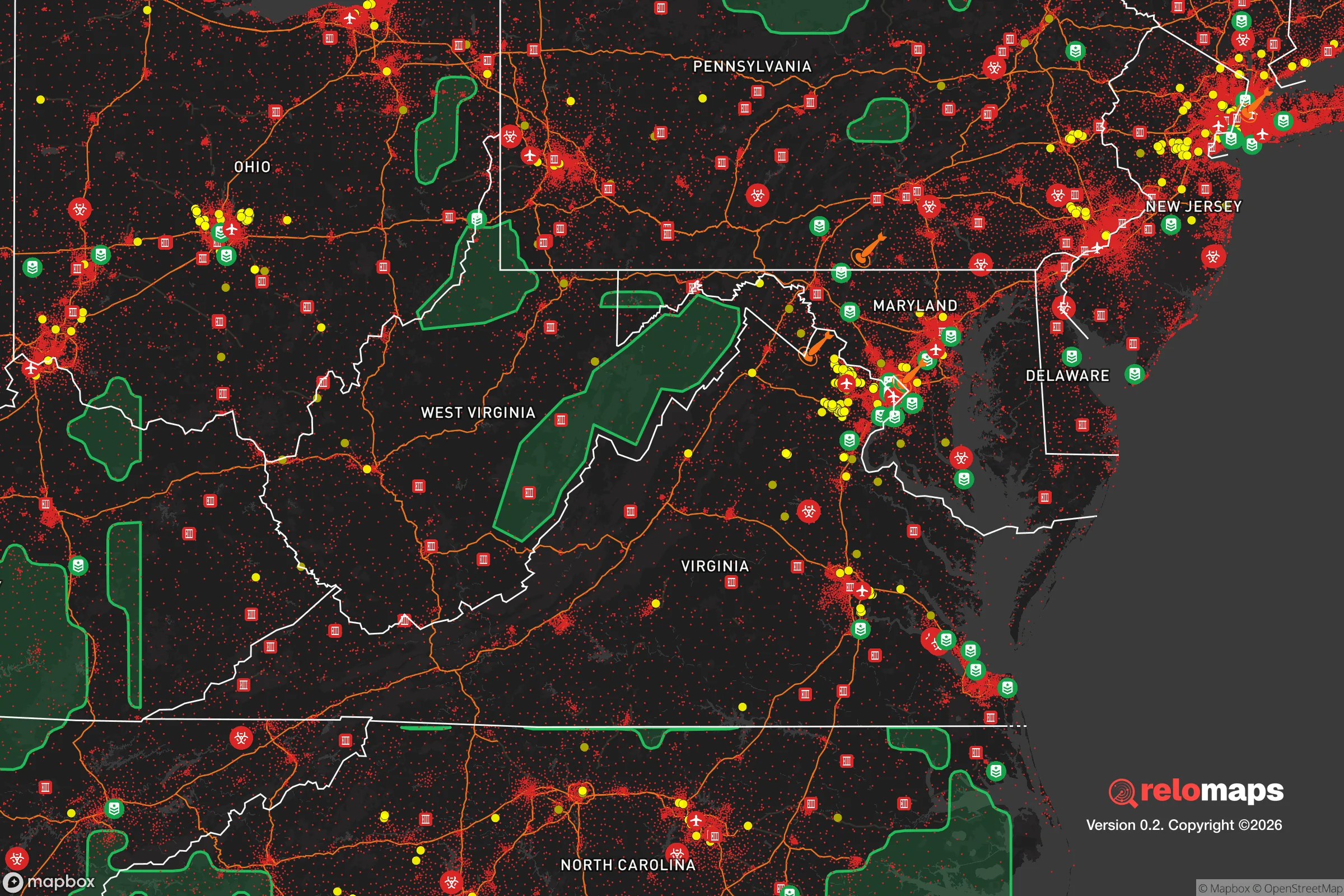


Important Note: For informational purposes only. This does not mean nothing bad ever happens in the green zones. Please use common sense. This is based on public data and modeled with AI. We tried to take a conservative approach but mistakes happen. We update this regularly as new information becomes available.
Solar Generator Recommendations
Backup power matters more here than in safer locations. We've picked three solar generators across budgets and capacity tiers — start with the budget unit if you only need a few essentials, or step up if you want to run a fridge and HVAC for days at a time.

Jackery Portable Power Station Explorer 300
Budget OptionPower on the Go: Weighing only 11 lbs, it's convenient to set up and store with book-sized foldable solar panels

BLUETTI Portable Power Station AC180
Designed for both indoor and outdoor scenarios, AC180 is highly capable as it has a robost capacity and continuous output power.

EF ECOFLOW DELTA Pro Ultra Power Station
Upgraded PickEcoFlow DELTA Pro Ultra is a whole-home energy system designed to grow with your family. Integrated with the Smart Home Panel 2, it scales to meet your evolving energy needs — keeping your home powered, intelligent, and secure through every stage of life.
We earn a commission, at no additional cost to you.
Strategic Assessment Analysis
Potomac, Maryland, offers a deceptive mix of strategic advantages and glaring vulnerabilities for the conservative prepper. Its location in affluent Montgomery County places it within the Washington, D.C. commuter shed, but the area’s geography—rolling hills, dense tree cover, and the Potomac River corridor—provides natural buffers that many closer-in suburbs lack. For a relocator weighing resilience against proximity to the federal leviathan, Potomac is a high-value but high-risk proposition: you get the resources of a wealthy enclave, but you’re living in the shadow of the most targeted ZIP code in the country.
Geographic position and natural advantages for long-term survival
Potomac sits roughly 15 miles northwest of the White House, but its terrain is markedly different from the flat, congested sprawl of Bethesda or Tysons Corner. The area is carved by the Potomac River and its tributaries—Watts Branch, Cabin John Creek—which create steep ravines and wooded corridors that break up sightlines and slow vehicle movement. These natural features offer a degree of defensibility: a determined group could use the river bluffs and forested ridges as observation points or choke points against disorganized threats. The local geology is underlain by hard metamorphic rock (schist and gneiss), which means well water is feasible if you drill deep enough—a critical advantage if municipal systems fail. The tree canopy is dense, with mature oaks and maples providing both cover and a long-term source of firewood. For a prepper, the key takeaway is that Potomac’s topography is far more survivable than the flat, exposed subdivisions of the outer exurbs. However, that same tree cover also creates blind spots and limits line-of-sight for security, so you’d need to clear fields of fire around any retreat property.
Risks, exposures, and proximity to fallout-relevant landmarks
The single biggest liability for Potomac is its proximity to Washington, D.C., and the cascade of targets that come with it. You’re within the blast-and-fallout radius of several high-value military and government installations: Fort Detrick (biological defense labs) is 30 miles north, Joint Base Andrews (Air Force One, nuclear command-and-control assets) is 30 miles southeast, and the Pentagon is 12 miles east. In a major conflict or terror event, these sites would be primary targets for nuclear, EMP, or conventional strikes. The prevailing winds in the D.C. area blow from the west-southwest roughly 60% of the year, meaning fallout from a strike on the Pentagon or the White House would drift toward Potomac, not away from it. Additionally, the area is crisscrossed by major evacuation corridors—I-270, I-495, River Road—that would become parking lots in a crisis. The 2020 civil unrest showed how quickly Montgomery County’s liberal leadership can lose control of the streets; during the George Floyd protests, parts of Bethesda and Silver Spring saw looting and road blockades. Potomac itself is more insulated by wealth and distance, but the county’s political culture is hostile to armed self-defense and private preparedness. Montgomery County has some of the strictest firearm laws in the nation, including a ban on many semi-automatic rifles and high-capacity magazines. If you’re a prepper who values the Second Amendment, you’re operating under legal constraints that could become lethal if the situation deteriorates.
Practical resilience for a relocator: food, water, energy, and defensibility
For a single individual or family willing to invest, Potomac offers a baseline of practical resilience that many rural areas lack. The median household income exceeds $200,000, which means the local infrastructure—roads, hospitals, grocery stores—is well-maintained and stocked. There are at least four major grocery stores within a 10-minute drive (Wegmans, Whole Foods, Giant, Harris Teeter), and the area has a high density of farmers’ markets and CSA operations (e.g., Potomac Vegetable Farms, Butlers Orchard). Water is the weak point: the municipal supply comes from the Potomac River via the Washington Aqueduct, a single-point-of-failure system that could be compromised by a chemical spill or sabotage. A prepper here needs a backup—either a drilled well (cost: $15,000–$30,000) or a rainwater catchment system with adequate filtration. Energy is more promising: the area has high solar insolation (4.5–5.0 peak sun hours per day), and many homes have the roof space for a 10–15 kW array. Battery backup (Tesla Powerwall or similar) is common in the luxury market, and natural gas generators are widespread. Defensibility is mixed. Potomac is a wealthy suburb with low crime rates—violent crime is roughly 1.5 per 1,000 residents, about a third of the national average—but it’s also a target-rich environment for looters and organized gangs in a collapse scenario. The homes are large, set back from the road, and often have acreage (1–5 acres is typical), which gives you standoff distance. But the neighbors are mostly professionals, not preppers, and the local police response time in a widespread emergency could stretch to hours. You’d need to harden your perimeter, establish a neighborhood watch or mutual-aid group, and stockpile supplies for at least 90 days without resupply.
The overall strategic picture for Potomac is one of high potential reward paired with equally high risk. If you can afford the real estate—median home prices hover around $1.5 million—and you’re willing to invest in off-grid water, solar, and security upgrades, you gain access to a community with deep resources, good medical facilities (Suburban Hospital, MedStar Montgomery), and a geography that offers natural cover. But you’re also living in the bullseye of the American empire, with all the fallout and civil unrest risks that entails. For a conservative prepper who values self-reliance and wants to be within a few hours of the D.C. power structure (for work, influence, or intelligence), Potomac is a viable base—provided you have a secondary retreat further west, in the Alleghenies or Shenandoah Valley, for when the balloon goes up. The smart play is to treat Potomac as a forward operating base, not a final redoubt. Stock it, harden it, and know your egress routes (River Road west to I-270, then north to Frederick, or south to Route 28 and the mountains). If you’re looking for a place to ride out the storm in comfort while the cities burn, Potomac can work—but only if you’ve done the work.

* Values derived from national, state, county, city and local statistics and may differ in a specific area. Last updated: 2026-04-27T14:55:29.000Z
Narrative content on this page is AI-generated and may contain mistakes. Verify any details that matter before acting on them.
ReloMaps may earn a commission from affiliate links at no extra cost to you.

