Photo: Wikipedia
Quality of Life in Preston, ID
A high quality of life with strong walkability, manageable living costs, healthy neighborhood signals, and solid amenity access.
What does Quality of Life tell us?
Quality of Life blends cost of living, nearby amenities, socioeconomic signals, and neighborhood character. City-level scores represent the whole municipality; individual neighborhoods can differ.
What does this tell us?
Quality of Life blends cost of living, nearby amenities, socioeconomic signals, and neighborhood character. City-level scores represent the whole municipality; individual neighborhoods can differ.
Cost of Living
19% below national average
The Real Cost of Living in Preston, ID for 2026
| Tier | Individual | Family (4) |
|---|---|---|
| Survival | $13k | $24k |
| Comfortable | $54k | $80k |
| Luxury | $100k+ | $156k+ |
| Elite (Top 5%) | $121k+ | $187k+ |
69%
The Area Signal
A metric tracking the socioeconomic signals of the area.
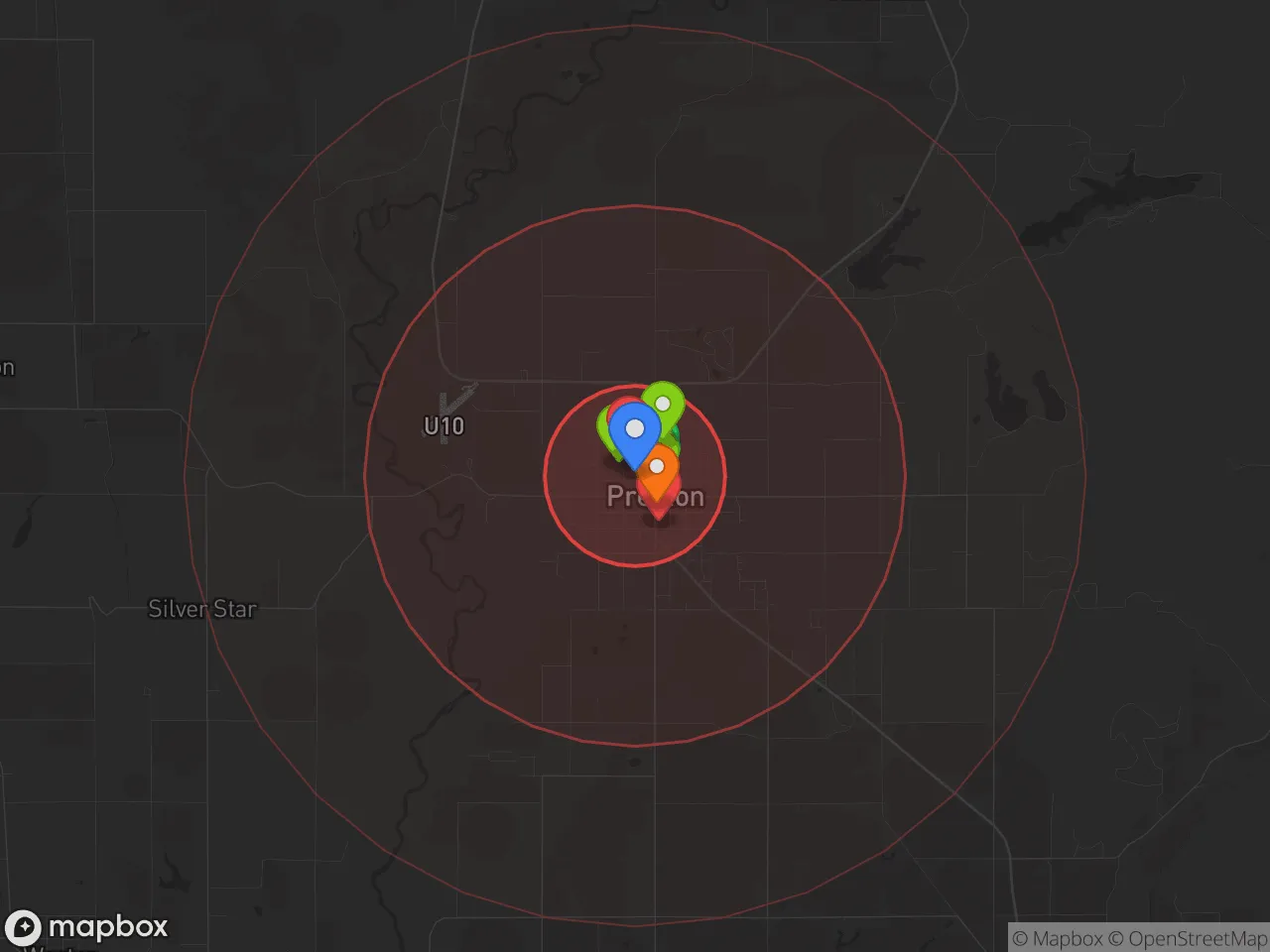
Hobbies
Explore the areaGroceries
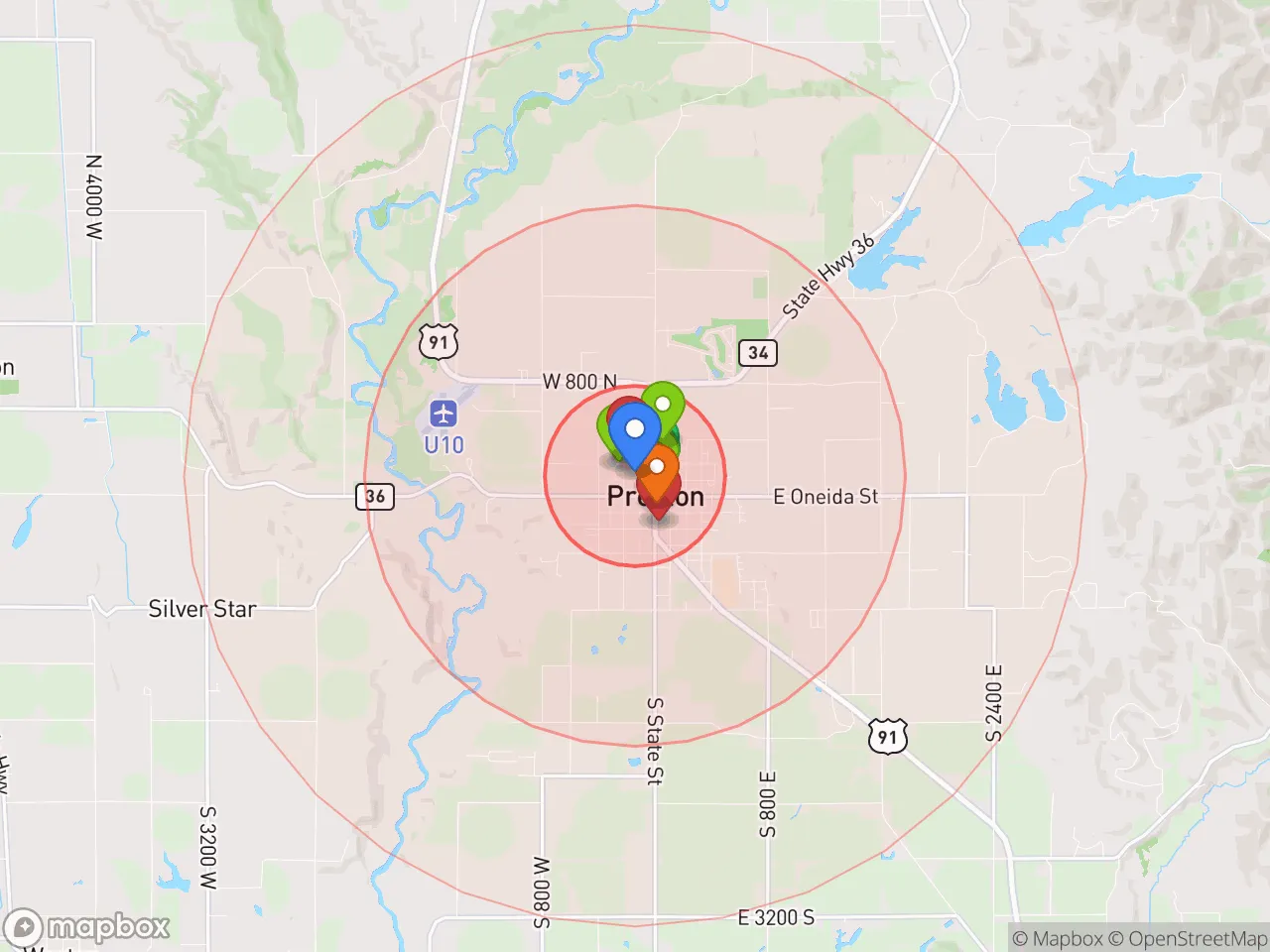
0 within 10 miles
Gas
10 within 10 miles
Hospital
2 within 20 miles
Airport
SLC — Salt Lake City International
Post Office
USPS — Preston, ID
Critical Amenities
Quality-of-Life Analysis
Preston, Idaho, presents a notably affordable quality of life with a cost of living index of 81—well below the national average of 100—attracting a mix of young families, outdoor enthusiasts, and retirees seeking a slower pace. The community is predominantly white, with a strong Latter-day Saint cultural influence, and the median household income of roughly $55,000 supports a stable, family-oriented demographic. This combination of low expenses and a tight-knit social fabric makes Preston a practical choice for those prioritizing financial breathing room over urban amenities.
Cost of living, housing affordability, and how Preston compares to nearby cities
Preston’s housing market is a standout draw: the median home value sits at $280,500, while the median rent is just $794 per month—both significantly cheaper than in nearby Logan, Utah (where median home values exceed $400,000) or Pocatello (around $310,000). The overall cost of living index of 81 means groceries, utilities, and transportation are all roughly 19% cheaper than the U.S. average. However, the trade-off is a limited rental inventory and a slower appreciation rate; homes here tend to hold value rather than skyrocket. The average commute of 25 minutes is manageable, with most residents driving to jobs in Preston itself or commuting 30–40 minutes to Logan for employment at Utah State University or regional healthcare centers.
Local amenities, schools, and what daily life feels like in Preston
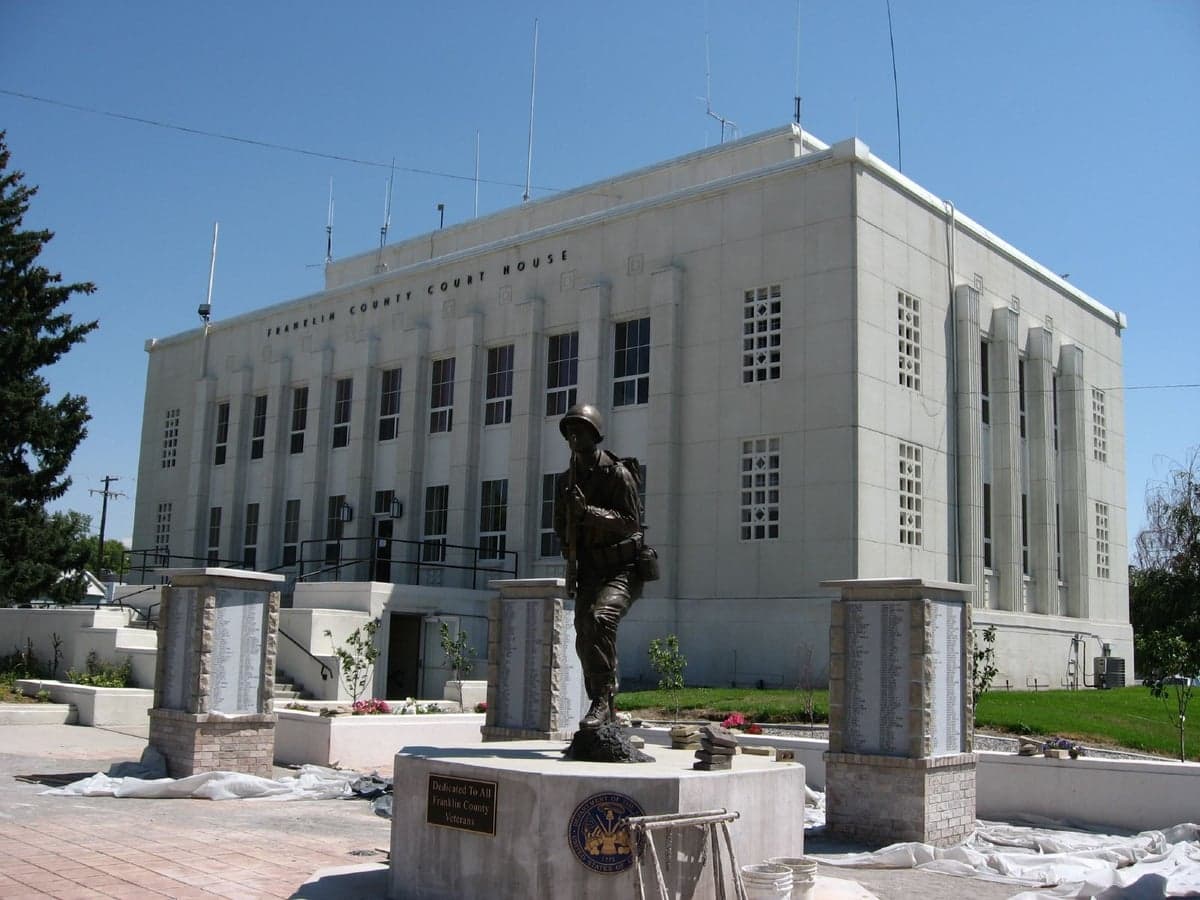
Daily life in Preston revolves around its historic downtown, anchored by the Franklin County Courthouse and a handful of locally owned shops, diners, and a grocery co-op. The Preston School District (Franklin County School District #201) serves about 2,500 students, with Preston High School maintaining a graduation rate above 90% and offering dual-enrollment programs with nearby colleges. For recreation, residents access the Oneida Narrows Reservoir (15 minutes east) for boating and fishing, and the Caribou-Targhee National Forest for hiking and snowmobiling. Cultural amenities are sparse—no movie theater, no major hospital (closest is in Logan), and limited dining options—so most entertainment requires a 30-minute drive. The town’s rhythm is quiet, with community events like the Preston Rodeo and the Franklin County Fair drawing crowds in summer.
Who thrives in Preston and who might look elsewhere
Preston is best suited for people who value low housing costs, short commutes, and a close-knit community over urban nightlife or career diversity. Remote workers, retirees on fixed incomes, and families who prioritize outdoor recreation and a slower pace will find the area comfortable. Those seeking high-paying professional jobs, diverse dining, or a vibrant arts scene will likely feel constrained and should consider Logan or Pocatello instead. The town’s strong religious and conservative culture also means newcomers outside that tradition may need time to integrate. Overall, Preston offers a stable, affordable base for those willing to trade urban convenience for financial freedom and natural surroundings.

Crime in Preston, ID
Lower crime rates than 97% of comparable U.S. locations.
Violent CrimeViolent Crime Analysis
Property CrimeProperty Crime Analysis
Crime Analysis
Preston, Idaho, is a notably safe small city, with violent and property crime rates that are a fraction of both the national average and the averages for larger metropolitan areas. The city’s 2024 reported violent crime rate of 63.5 incidents per 100,000 residents is roughly one-fifth the U.S. average, while its property crime rate of 365 per 100,000 is about one-third the national figure. This safety profile is a key draw for families and retirees relocating from higher-crime regions.
Crime in context
Preston’s crime statistics place it among the safest municipalities in Idaho. The city’s violent crime rate is 80% lower than the national average and significantly below the rates found in Idaho’s larger cities like Boise (where violent crime hovers around 350 per 100K) or Pocatello (approximately 400 per 100K). Property crime in Preston is also well-controlled, with a rate that is roughly 65% lower than the U.S. average. For context, neighboring Franklin County as a whole reports similarly low crime figures, reinforcing that this is a regional pattern of safety. These low numbers reflect a community with strong social cohesion and a proactive local police department.
What residents experience
Residents of Preston consistently describe a community where unlocked doors are common and children can play outside without constant supervision. The most frequently reported incidents are minor thefts from vehicles and occasional vandalism, rather than violent confrontations. The city’s small size—around 5,200 people—means that most crime is quickly noticed and addressed. Importantly, Preston is not subject to the progressive criminal justice policies seen in many larger, liberal-leaning metro areas. The local prosecutor’s office and courts in Franklin County operate with a traditional, victim-centered approach, which residents and law enforcement credit with keeping recidivism low and ensuring that offenders face meaningful consequences. This stands in stark contrast to jurisdictions where soft-on-crime policies have led to increased property crime and a revolving-door justice system.
Neighborhood-level variation in Preston is minimal. The most affordable housing near the city’s core and along U.S. Highway 91 sees slightly higher rates of petty theft, while the newer subdivisions on the outskirts and the rural areas surrounding the city report near-zero crime. The presence of the Oneida Stake Academy and the annual Franklin County Fairgrounds events can draw temporary crowds, but these have not historically led to safety issues. For anyone concerned about the negative impacts of progressive judicial ideology on public safety, Preston offers a clear alternative: a community where low crime rates are sustained by conservative, accountability-focused law enforcement and a population that values personal responsibility.
* Values derived from national, state, county, city and local statistics and may differ in a specific area. Last updated: 2026-04-23T02:12:29.000Z
Narrative content on this page is AI-generated and may contain mistakes. Verify any details that matter before acting on them.
ReloMaps may earn a commission from affiliate links at no extra cost to you.

