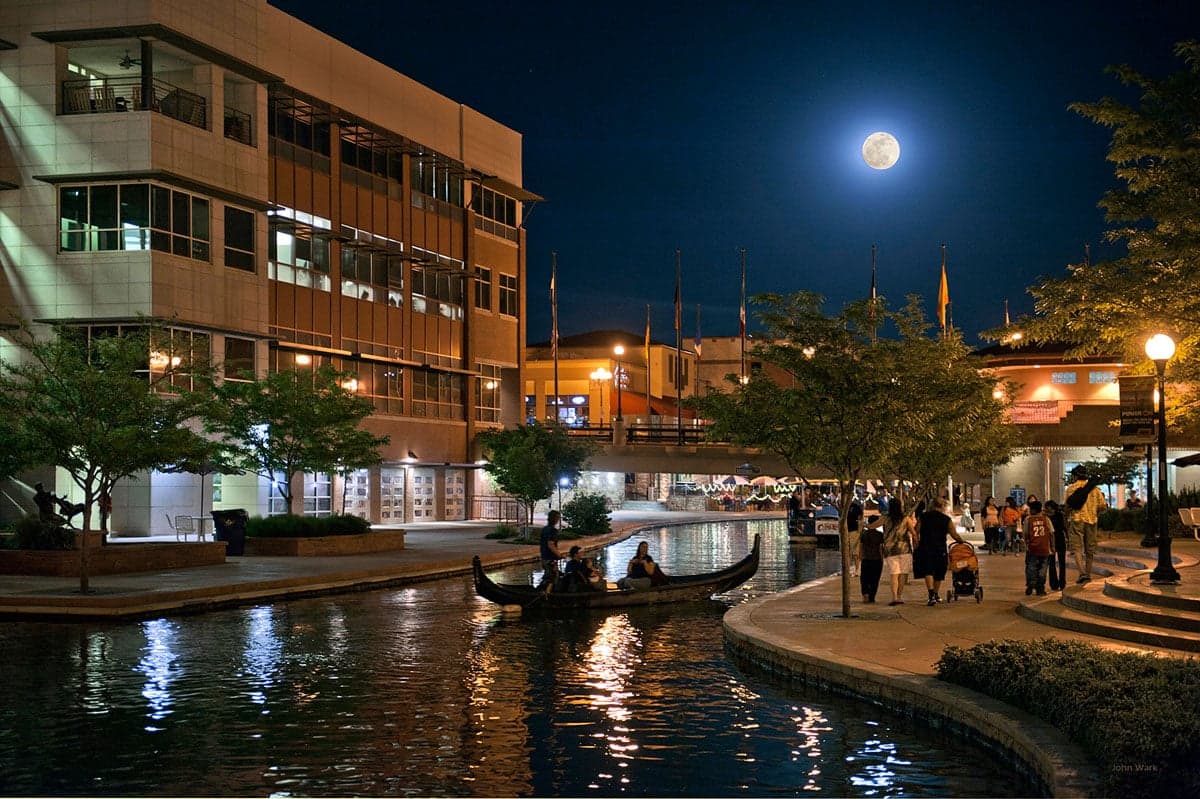
Photo: Wikipedia
Personal Sovereignty in Pueblo, CO
Viable for self-reliance. Generally workable, though some barriers may limit total independence.
What does Personal Sovereignty tell us?
Personal Sovereignty measures your capacity for self-reliance and independence with minimal government friction. Higher scores mean fewer barriers between you and the way you want to live... but it assumes you have the space you need and good neighbors.
What does this tell us?
Personal Sovereignty measures your capacity for self-reliance and independence with minimal government friction. Higher scores mean fewer barriers between you and the way you want to live... but it assumes you have the space you need and good neighbors.
State Policy
Energy independence: Net exporter (110% of energy produced in-state)
Personal Liberty
Homesteading

Personal Liberty Analysis
Pueblo, Colorado, offers a mixed bag for those prioritizing personal sovereignty, with a local culture that leans more libertarian-leaning than the state's progressive urban corridors, but it remains firmly under the thumb of a state government that has increasingly centralized control over individual choices. While the city itself has a blue-collar, independent streak—rooted in its history as a steel town—residents must navigate a state-level legal landscape that restricts certain freedoms, particularly in the realms of taxation, self-defense, and medical autonomy. For a conservative-leaning individual or family seeking to minimize government overreach, Pueblo represents a strategic compromise: a lower-cost, less-regulated environment than Boulder or Denver, but one where state preemption laws and a growing regulatory appetite require constant vigilance.
Tax burden and regulatory posture: How Colorado's state-level policies affect Pueblo
Colorado's tax structure is a double-edged sword for sovereignty-minded residents. The state imposes a flat income tax rate of 4.4% (as of 2025), which is moderate but not negligible, and Pueblo County adds a local sales tax of roughly 3.9% on top of the state's 2.9%, bringing the total to around 6.8% in most areas. Property taxes are relatively low—around 0.55% of assessed value—which is a plus for homeowners seeking to keep their land without heavy annual burdens. However, the regulatory posture is where frustration mounts. Colorado has a statewide building code that limits off-grid construction options, and Pueblo's local zoning ordinances require permits for most structural changes, including sheds and fences over a certain height. The state's push for electric vehicle mandates and renewable energy standards (e.g., the 2024 law requiring all new homes to be "solar-ready") adds layers of compliance that feel like creeping government control. For a prepper or homesteader, this means you can own land cheaply—Pueblo's median home price hovers around $350,000—but you'll face bureaucratic hurdles if you want to build a self-sufficient compound without connecting to the grid.
Self-defense and gun law specifics: What Pueblo residents need to know about their rights
Colorado's gun laws have tightened significantly in recent years, and Pueblo residents are not exempt. The state now requires universal background checks for all firearm sales, including private transactions, and has a "red flag" law (Extreme Risk Protection Order) that allows authorities to temporarily seize firearms from individuals deemed a threat—a provision many conservatives view as ripe for abuse. Open carry is legal without a permit, but Pueblo's city council has considered local restrictions in the past, and the state's preemption law (which prevents cities from enacting stricter rules than the state) has been under legal challenge. For concealed carry, a permit is required, and the process involves a background check and a fee of around $100. Magazine capacity is limited to 15 rounds for handguns and 10 for long guns under state law, which directly impacts preppers who prefer standard-capacity magazines for defensive purposes. The bottom line: you can own firearms in Pueblo, but the state's regulatory creep—combined with a local police force that may not be friendly to aggressive self-defense claims—means you're operating in a gray zone. If you're serious about self-reliance, consider training in non-firearm defense options and staying informed on legislative changes.
Self-reliance and homesteading viability: Lot sizes, zoning, and off-grid feasibility
Pueblo's rural outskirts offer genuine opportunities for homesteading, but the devil is in the zoning details. Within city limits, standard residential lots range from 6,000 to 10,000 square feet, and zoning restricts livestock (chickens are allowed with a permit, but goats and larger animals are generally prohibited). Outside city limits, in Pueblo County's unincorporated areas, you can find parcels of 1 to 5 acres for under $50,000, with fewer restrictions on animals and structures. Off-grid living is technically possible, but Colorado's building code requires a permanent foundation and connection to a septic system, and solar panels must meet state electrical standards. Rainwater collection is legal but limited to 110 gallons per property per year under state law—a major constraint for anyone planning a fully self-sufficient water system. The county's planning department is known for being slow and bureaucratic, so expect delays if you're building from scratch. For a prepper, the best bet is to buy land in the county's agricultural zones (A-1 or A-2), where you can keep livestock, grow crops, and build a workshop without constant interference. Just be prepared for the state's environmental regulations on water rights and waste disposal.
Personal liberties: Parental rights, medical autonomy, speech, and property
Parental rights in Colorado are under increasing pressure. The state has a "comprehensive sex education" mandate that requires schools to teach LGBTQ-inclusive content, and parents cannot opt their children out of these lessons—a direct challenge to family sovereignty. Medical autonomy is similarly constrained: Colorado has legalized recreational marijuana and assisted suicide, but it also mandates vaccines for school attendance (with limited religious exemptions) and has a state-run health insurance exchange that limits private options. Free speech is protected under the First Amendment, but Pueblo's city council has passed "hate speech" resolutions that, while not legally binding, signal a cultural hostility to certain viewpoints. Property rights are relatively strong, with no statewide rent control, but Pueblo has a "just cause" eviction ordinance that makes it harder for landlords to remove tenants—a concern if you're renting out a property as a source of passive income. The overall picture is one of a state that respects some liberties (e.g., marijuana use, end-of-life choices) while aggressively regulating others (e.g., education, healthcare, firearms). For a conservative parent or individual, this means you'll need to be proactive: homeschool or choose a private school, seek out direct-primary-care doctors, and avoid public forums where your speech could be weaponized against you.
Compared to other areas in the Mountain West, Pueblo offers a relatively affordable and less-regulated base for personal sovereignty, but it falls short of the true independence found in places like rural Wyoming or Idaho. The state's progressive tilt—combined with a growing population and increasing federal influence—means that Pueblo is best viewed as a strategic outpost rather than a fortress. If you're willing to navigate the bureaucratic maze and stay politically engaged, you can carve out a life here with decent autonomy. But if you're looking for a place where government overreach is minimal and self-reliance is the default, you'll need to look further east or north. Pueblo is a compromise: a place where you can own land, carry a firearm, and raise a family with some freedom, but where the state's long arm is always reaching.

* Values derived from national, state, county, city and local statistics and may differ in a specific area. Last updated: 2026-04-23T06:21:31.000Z
Narrative content on this page is AI-generated and may contain mistakes. Verify any details that matter before acting on them.
ReloMaps may earn a commission from affiliate links at no extra cost to you.

