Photo: Wikipedia
Find The Best Places To Live
in Pueblo
PRO TIP! You can paste a Zillow or Redfin link to get info on that property.
What It's Like Living in Pueblo, CO
Pueblo has a reputation as Colorado’s overlooked cousin, the blue-collar town that doesn’t bother with the pretense of Denver or the tourist polish of Colorado Springs. That reputation is mostly earned, and for the people who live here, that’s the point. It’s a place where you can still buy a house for well under $250,000, where the Arkansas River runs through the middle of town, and where the local economy has quietly shifted from steel mills to a mix of healthcare, logistics, and a growing number of remote workers who couldn’t stomach Front Range prices.
Daily Rhythm: What People Actually Do
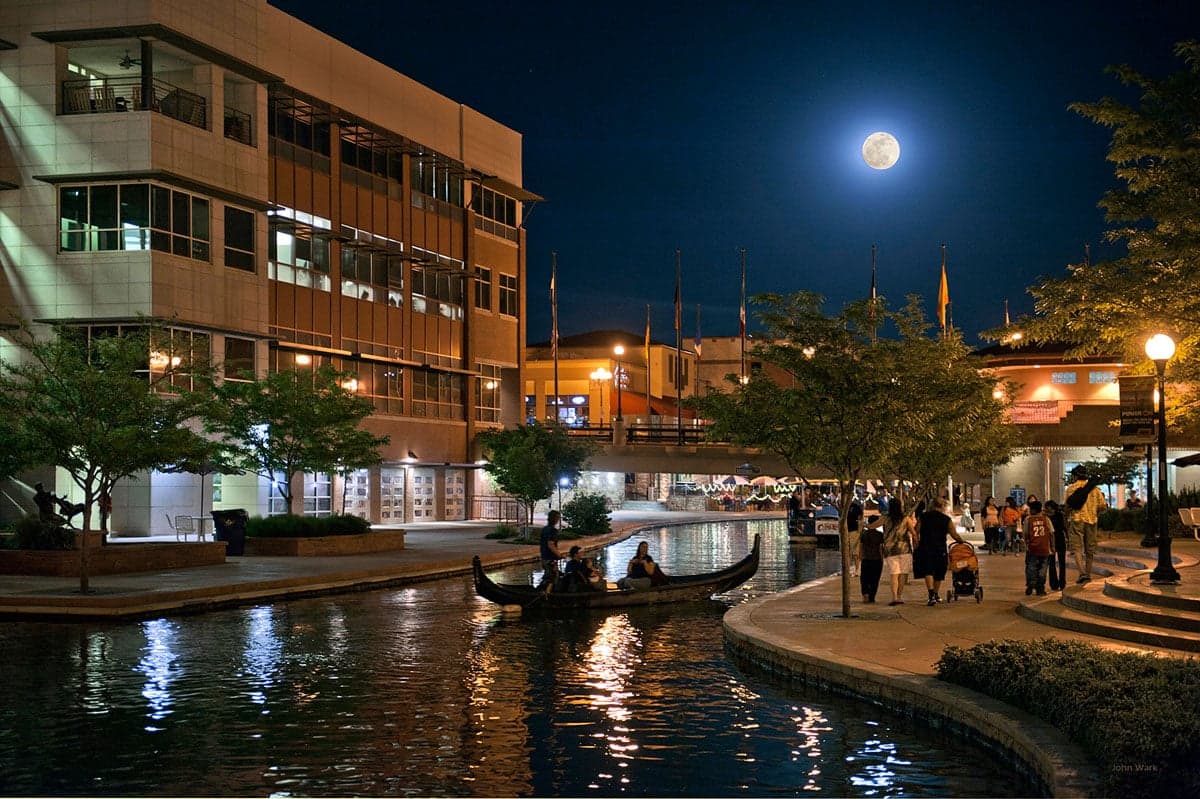
Most mornings in Pueblo start with a commute that averages just over 19 minutes — short enough that you can actually run home for lunch. The biggest employers are Parkview Medical Center and the Pueblo School District, so a lot of residents either work in healthcare, teach, or commute to the Air Force base in Colorado Springs (about 40 minutes north). On weekends, you’ll find families at the Riverwalk, a surprisingly pleasant stretch of restaurants and walking paths along the Arkansas River that feels more San Antonio than southern Colorado. The local grocery scene is dominated by King Soopers and Walmart, but the real action is at the Pueblo Farmers Market on the Union Avenue Historic District, where the local chiles and melons are a point of pride.
For a town of 111,514 people, Pueblo has a surprisingly active bar and restaurant scene. The Sunset Inn is the kind of dive bar where everyone knows the bartender’s name, while Brues Alehouse draws a younger crowd with solid craft beer and a patio that’s packed from May through September. The food scene leans heavily into green chile — Pueblo is famous for its Pueblo chiles, which are grown locally and have a distinct, smoky heat you won’t find in Hatch, New Mexico. Bingo Burger and La Forchetta are the two restaurants locals will send visitors to, and both are worth the trip.
Sports, Community, and the Local Identity
High school football is a genuinely big deal here. Pueblo South and Pueblo East have a rivalry that fills the stands on Friday nights, and the Colorado State Fairgrounds host everything from rodeos to monster truck rallies. There’s no major pro sports team in town, but the Pueblo Bulls (junior hockey) draw a loyal crowd at the Pueblo Ice Arena, and the Colorado State University-Pueblo ThunderWolves football team has a solid following, especially when they play rival Adams State. The community identity is proudly working-class and independent — you’ll see more American flags and truck decals than bumper stickers for either party. The median age is 38.1, which means you get a mix of young families and empty nesters, but not a lot of the 20-something transient crowd you’d find in Fort Collins or Boulder.
The cultural quirk that defines Pueblo is the Colorado State Fair, which takes over the city for two weeks every August. It’s not a small-town fair — it’s the state’s official fair, and it brings in big-name country acts, carnival rides, and a livestock show that draws ranchers from across the region. For the rest of the year, the Pueblo Chile & Frijoles Festival in September is the can’t-miss event, where the whole downtown shuts down for a weekend of live music, roasting chiles, and a general sense that Pueblo is finally getting its due.
Pros and Cons of Living Here
The honest upside is cost of living. With a median home value of $230,900 and a cost of living index of 85 (15% below the national average), Pueblo is one of the few places in Colorado where a single person earning the median income of $55,305 can actually buy a house. The downside is that only 22.8% of adults have a college degree, which means the job market is heavily tilted toward trades, retail, and healthcare. If you’re a remote worker or a skilled professional, you’ll find Pueblo affordable but thin on high-end amenities — there’s no Whole Foods, no Trader Joe’s, and the closest Costco is in Colorado Springs.
The violent crime rate sits at 198.2 per 100,000, which is above the national average but below the worst Colorado cities. Property crime is the bigger frustration — car break-ins and package theft are common enough that most locals have a story. The weather is a genuine plus: Pueblo gets over 300 days of sunshine a year, and winters are mild compared to Denver or the mountains. Snow melts fast, and the summer heat (often in the 90s) is dry enough to be tolerable. The trade-off is that Pueblo sits in a semi-arid basin, so it’s dusty and windy, and the views of the Spanish Peaks to the south are often hazy with agricultural dust.
The schools are a mixed bag. Pueblo School District 60 has some strong elementary schools but struggles with funding and test scores at the high school level. Many families with means opt for private schools or homeschool co-ops, which are common and well-organized. The community is tight-knit enough that your neighbors will know your kids’ names, but that also means everyone knows your business. If you value privacy and anonymity, Pueblo might feel small. If you want a place where you can actually know your mail carrier and the guy who pours your coffee, it’s a good fit.

Similar small cities to Pueblo
* Values derived from national, state, county, city and local statistics and may differ in a specific area. Last updated: 2026-04-23T06:21:31.000Z
Narrative content on this page is AI-generated and may contain mistakes. Verify any details that matter before acting on them.
ReloMaps may earn a commission from affiliate links at no extra cost to you.

