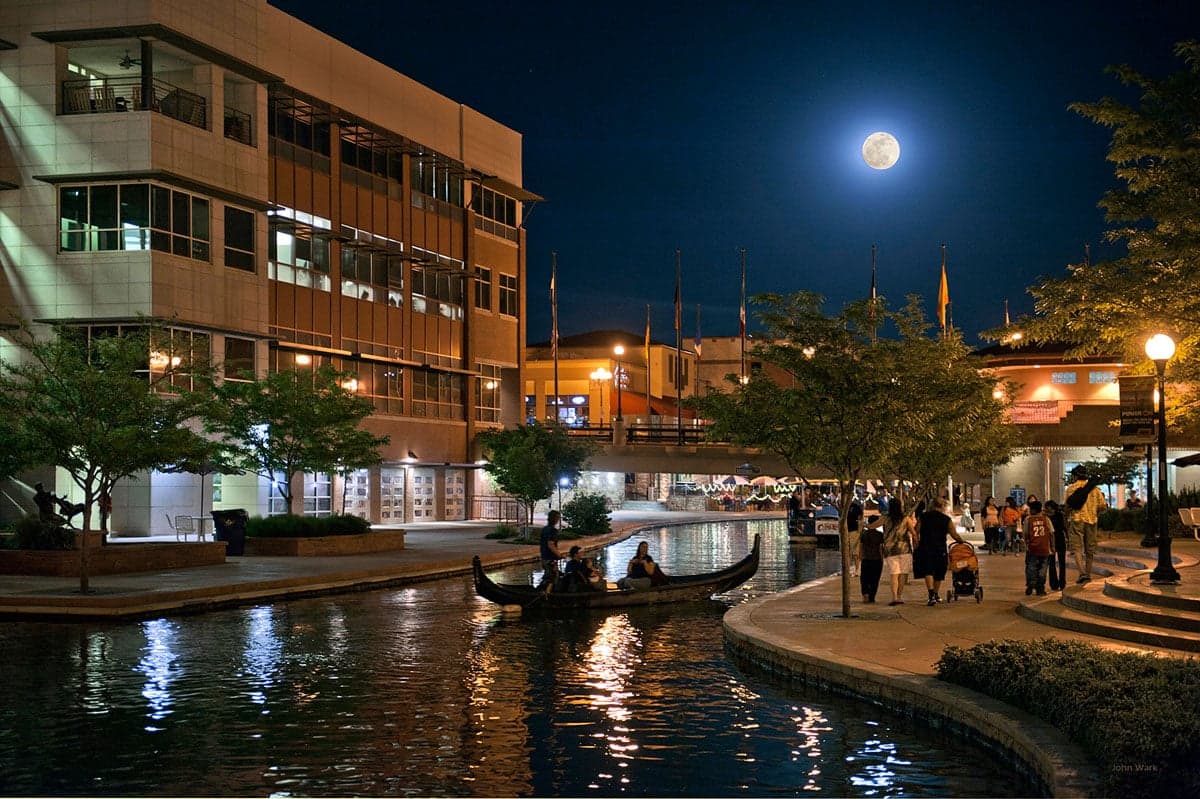
Photo: Wikipedia
Political ClimatePolitical Climate in Pueblo, CO
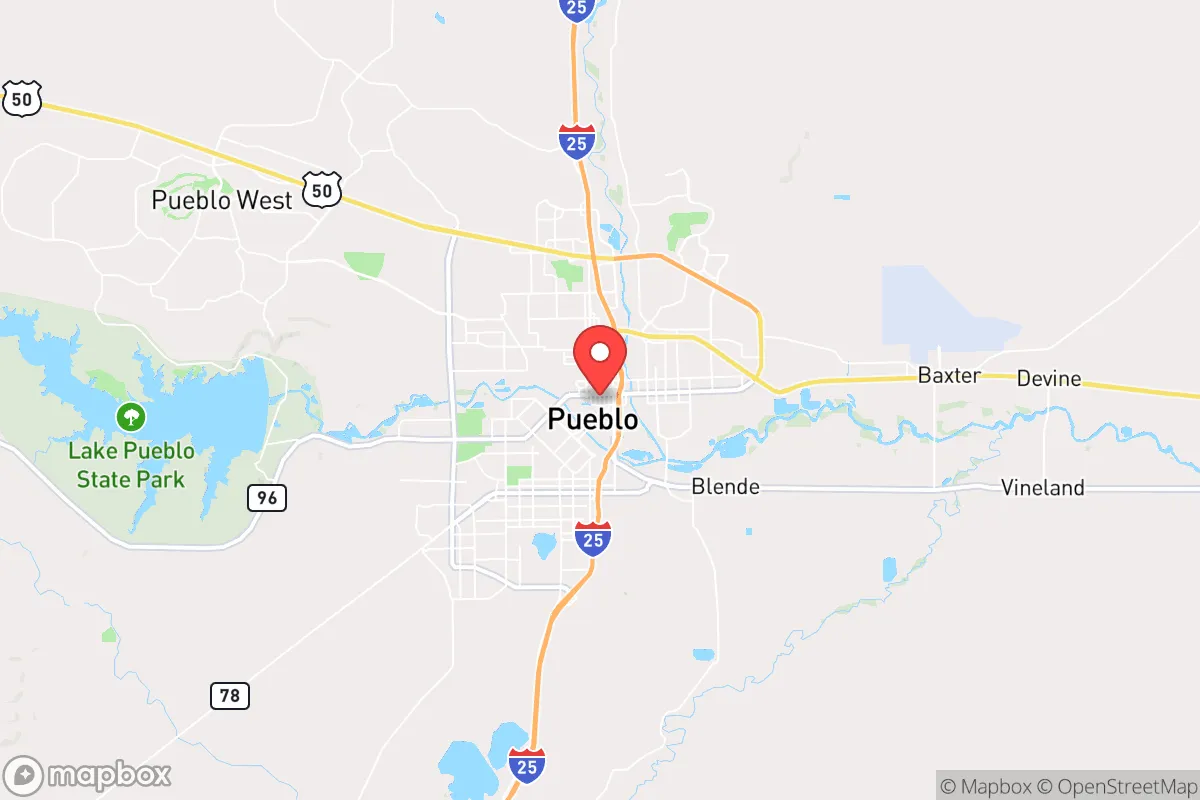
District shown is the primary district for this city’s centroid. Cities may span multiple districts.
Local Political AnalysisPolitical Analysis of Pueblo, CO
Pueblo’s political climate has shifted noticeably over the past decade, and if you’re looking at it from a conservative perspective, there’s plenty to keep an eye on. The area’s Cook PVI is R+5, meaning it leans Republican by five points relative to the national average, which sounds reassuring on paper. But the reality on the ground is more complicated. Pueblo County itself has been a battleground, with the city of Pueblo voting reliably Democratic in recent presidential cycles while the surrounding rural areas—places like Beulah, Rye, and the St. Charles Mesa—pull the county to the right. In 2020, Pueblo County went for Biden by about 3 points, but the state-level trend is concerning: Colorado as a whole has swung hard left, and Pueblo’s blue tilt in the city proper feels like it’s being amplified by outside money and activist energy.
How it compares
Compared to its neighbors, Pueblo stands out as a moderate-to-conservative island in a sea of progressive growth. Drive 45 minutes north to Colorado Springs, and you’ll find a reliably conservative stronghold—El Paso County voted +15 for Trump in 2020. But head west to Cañon City or south to Trinidad, and the politics get more mixed, with Cañon City leaning red and Trinidad trending blue thanks to an influx of out-of-state transplants. The real contrast is with the Front Range: Boulder and Denver are light-years away in ideology, pushing policies like strict gun control, high energy taxes, and expansive government programs that many Pueblo residents see as overreach. Pueblo’s R+5 rating masks the fact that the city council and county commission have been flirting with progressive ideas—like sanctuary city resolutions and renewable energy mandates—that feel out of step with the local working-class culture.
What this means for residents
For folks who value personal freedoms and limited government, the trajectory is a bit worrying. The push for stricter zoning laws, higher property taxes to fund social programs, and environmental regulations that hit the local steel mill and energy sector hard are all signs of creeping government overreach. The city’s recent debates over mask mandates and vaccine requirements during the pandemic were a flashpoint, with many residents feeling their personal health choices were being trampled. On the plus side, the R+5 lean means there’s still a strong conservative base that can push back—local school board races and city council elections are where the real fights happen. If you’re moving here, expect a community that’s proud of its independence but wary of outsiders trying to change its character. The long-term worry is that as more people flee expensive Denver and Colorado Springs, Pueblo could see its political balance tip further left, bringing the same overregulation and loss of local control that drove people away from those cities in the first place.
Culturally, Pueblo still holds onto a blue-collar, self-reliant ethos that’s rare in modern Colorado. The annual Chile & Frijoles Festival and the strong union presence at the Evraz steel mill reflect a community that values hard work and tradition. But there’s a growing tension between that old guard and newer residents pushing for bike lanes, urban density, and “equity” initiatives. The biggest policy distinction is property taxes: Pueblo County’s mill levy is relatively low compared to the Front Range, but there’s constant pressure to raise them for schools and infrastructure. For now, the area remains a decent bet for conservatives who want affordable living and a slower pace, but keep an eye on the next few election cycles—the political winds are shifting, and not necessarily in a direction that respects personal liberty.

State Political ClimatePolitical Climate in Colorado
State Political AnalysisPolitical Environment in the State
Colorado has shifted from a classic purple swing state to a solidly blue-leaning state over the past two decades, driven largely by explosive growth in the Denver metro and Front Range corridor. While the state voted for a Republican governor as recently as 2014, it has voted Democratic in every presidential election since 2008, and Democrats now control the governorship, both chambers of the legislature, and both U.S. Senate seats. The trajectory is unmistakably leftward, though significant pockets of conservative resistance remain in the eastern plains, western slope, and southern mountain counties.
Urban vs. rural divide
The political map of Colorado is a tale of two states. The Denver-Aurora-Lakewood metro area, home to roughly 60% of the state's population, is the engine of Democratic dominance. Denver, Boulder, and the inner-ring suburbs like Aurora and Lakewood are deep blue, with Boulder County routinely delivering 70-80% of its vote to Democratic candidates. The I-25 corridor from Fort Collins down through Colorado Springs is a patchwork: Fort Collins and Loveland lean blue, while Colorado Springs remains a conservative stronghold, home to Focus on the Family and the U.S. Air Force Academy, though even it has been trending purple in recent cycles. The eastern plains—counties like Yuma, Kit Carson, and Prowers—vote heavily Republican, as do the Western Slope counties of Mesa (Grand Junction), Montrose, and Delta. The mountain resort counties (Pitkin, Eagle, Summit) have flipped blue as wealthy second-home owners and service workers have transformed them into liberal enclaves. The 2020 election saw Jefferson County, a longtime bellwether, shift decisively blue, cementing the Front Range's leftward tilt.
Policy environment
Colorado's policy environment is increasingly progressive, with a tax and regulatory posture that concerns many conservatives. The state income tax is a flat 4.4%, but voters have repeatedly rejected efforts to lower it, and the Taxpayer's Bill of Rights (TABOR), once a conservative crown jewel, has been steadily eroded by court rulings and ballot measures. Property taxes are relatively low, but the state's regulatory climate is heavy: Colorado has some of the strictest environmental and energy regulations in the country, including a 2024 law requiring 80% renewable energy by 2030 and a de facto ban on new oil and gas permits in many areas. Education policy is dominated by the teachers' unions, with school choice limited compared to states like Arizona or Florida. Healthcare is heavily regulated, and the state operates its own insurance exchange. Election laws have moved toward universal mail-in voting and automatic voter registration, which conservatives argue weakens ballot security. Colorado now has a "red flag" gun law (passed in 2019) that allows courts to temporarily confiscate firearms from individuals deemed a risk, a policy many gun owners view as an overreach.
Trajectory & freedom
Colorado is clearly becoming less free by conservative measures. The most significant recent contraction of personal liberty came with the 2024 passage of Proposition HH, which effectively gutted TABOR refunds by allowing the state to retain and spend excess revenue on education and property tax relief—a move critics called a bait-and-switch that permanently expands government. On gun rights, the 2023 "magazine ban" (HB23-1219) outlawed magazines over 15 rounds, and a 2024 law raised the purchase age for all firearms to 21. Parental rights took a hit with the 2023 "Healthy Families and Workplaces Act," which expanded paid leave but also included provisions that some argue undermine parental authority in medical decisions. Medical autonomy was further restricted by the 2024 "Natural Medicine Health Act," which decriminalized certain psychedelics but created a heavily regulated state licensing system. On the positive side for conservatives, Colorado remains a right-to-work state and has not adopted a state-level rent control law, though local rent control measures are popping up in Boulder and Denver. Property rights are under pressure from the 2023 "Land Use Act," which preempted local zoning in favor of higher-density development near transit corridors.
Civil unrest & political movements
Colorado has seen its share of political flashpoints. The 2020 George Floyd protests in Denver escalated into riots, with property damage and looting in the Capitol Hill and 16th Street Mall areas, and the city's progressive district attorney declined to prosecute many cases. The 2022 "Let Them Breathe" movement saw parents and activists protest school mask mandates and remote learning, particularly in Douglas County and Colorado Springs, where school board meetings became battlegrounds. Immigration politics are heated: Denver is a sanctuary city, and the state's 2023 "Immigrant Legal Defense Fund" allocated $10 million for legal services for undocumented immigrants, while the eastern plains have seen tensions over migrant buses sent from Texas. Election integrity remains a sore point: the 2020 election saw widespread use of mail-in ballots, and while no major fraud was proven, many conservatives remain skeptical of the system. The "Colorado Project"—a coordinated effort by left-wing groups to flip the state legislature in the 2010s—is now seen as a model for progressive takeovers elsewhere. Secession talk has surfaced in the eastern plains and Western Slope, with some counties exploring joining Wyoming or forming a new state, but these efforts have gained no real traction.
Projection
Over the next 5-10 years, Colorado will likely continue its leftward drift. In-migration from California, Texas, and the Midwest is overwhelmingly to the Front Range, and these new residents tend to be younger, more diverse, and more liberal. The 2024 election saw Democrats hold the state legislature with supermajorities in both chambers, and the governorship is safe for the foreseeable future. The rural-urban divide will only widen as the Denver metro grows and the plains and mountains shrink in relative population. Expect further gun control measures, including a potential assault weapons ban, and continued erosion of TABOR. The state's energy transition will accelerate, likely leading to higher utility costs and tension with rural communities dependent on oil and gas. However, Colorado's strong economy and quality of life will continue to attract people, and the state's libertarian streak—seen in its legal marijuana and relatively tolerant social culture—may moderate the most extreme progressive impulses. For conservatives, the best bet is to look at the remaining red enclaves: Colorado Springs, Grand Junction, and the eastern plains, where local government remains more aligned with their values.
For a conservative considering a move to Colorado, the bottom line is this: you can find like-minded communities in the eastern plains, Western Slope, and parts of Colorado Springs, but you will be living under a state government that is increasingly hostile to your values on guns, taxes, education, and parental rights. The state's natural beauty and outdoor lifestyle are undeniable, but the political climate is a trade-off. If you value low taxes, gun rights, and local control, you may find yourself fighting an uphill battle against a well-funded progressive machine that has consolidated power in Denver. Choose your county carefully, and be prepared for the state legislature to continue pushing policies that feel like an overreach of government into your personal life.
* Values derived from national, state, county, city and local statistics and may differ in a specific area. Last updated: 2026-04-23T06:21:31.000Z
Narrative content on this page is AI-generated and may contain mistakes. Verify any details that matter before acting on them.
ReloMaps may earn a commission from affiliate links at no extra cost to you.

