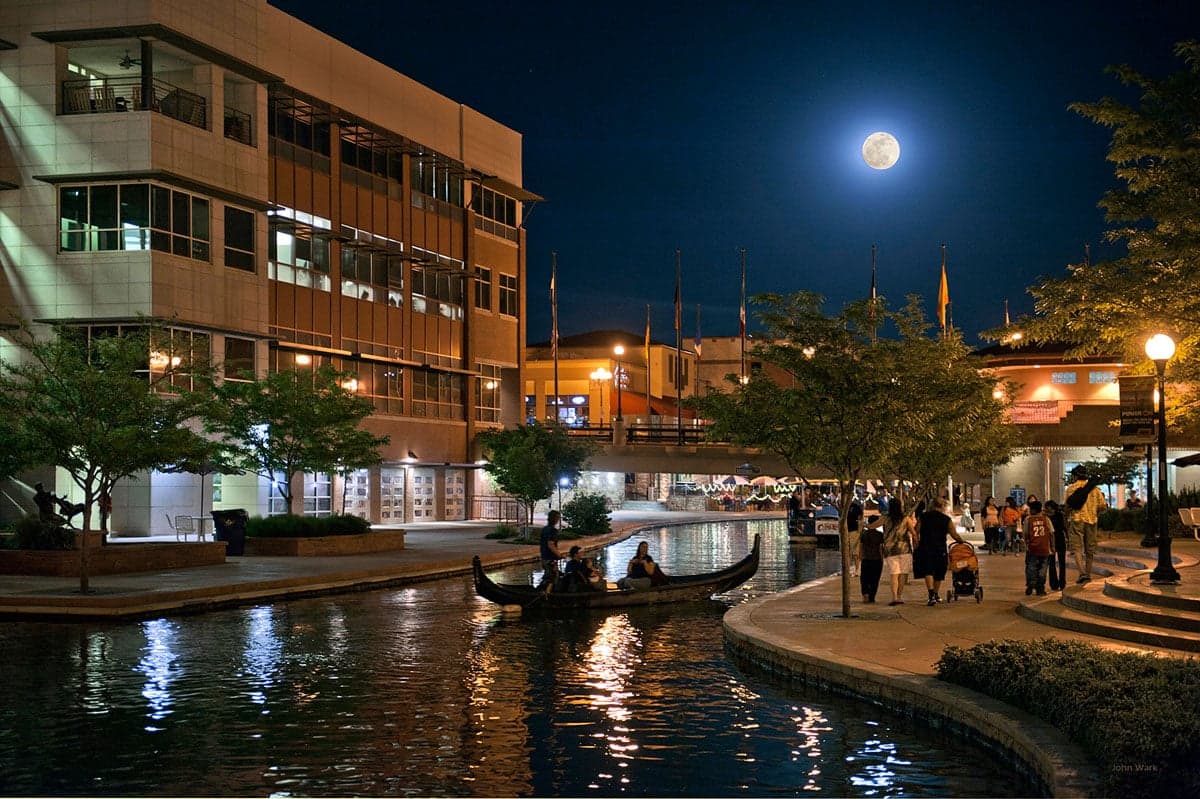
Photo: Wikipedia
Strategic Assessment of Pueblo, CO
Meaningful friction. Expect exposure to either population pressure, blast zones, or natural disaster risk. Consider buying a retreat property.
What does the Strategic Assessment tell us?
Our Strategic Assessment grades tactical survivability of an area. Major population centers, military targets, fallout zones, natural disasters, and border exposure all drive risk — lower exposure means a more defensible position in a crisis.
This is heavily inspired by Joel Skousen's Strategic Relocation book. Highly recommended you checkout the book ($)What does this tell us?
Our Strategic Assessment grades tactical survivability of an area. Major population centers, military targets, fallout zones, natural disasters, and border exposure all drive risk — lower exposure means a more defensible position in a crisis.
This is heavily inspired by Joel Skousen's Strategic Relocation book. Highly recommended you checkout the book ($)Strategic Pillars

Key Distances
Regional Safe Places
Below is our recommended "safe zones" in Colorado and the surrounding area based on our strategic heuristics. For most people, it's unrealistic to live in a “safe zone” full-time due to work, family or other personal reasons. They tend to be more rural. However, many of these areas are perfect for second homes and retreat properties that double as a vacation home or even a short-term rental.
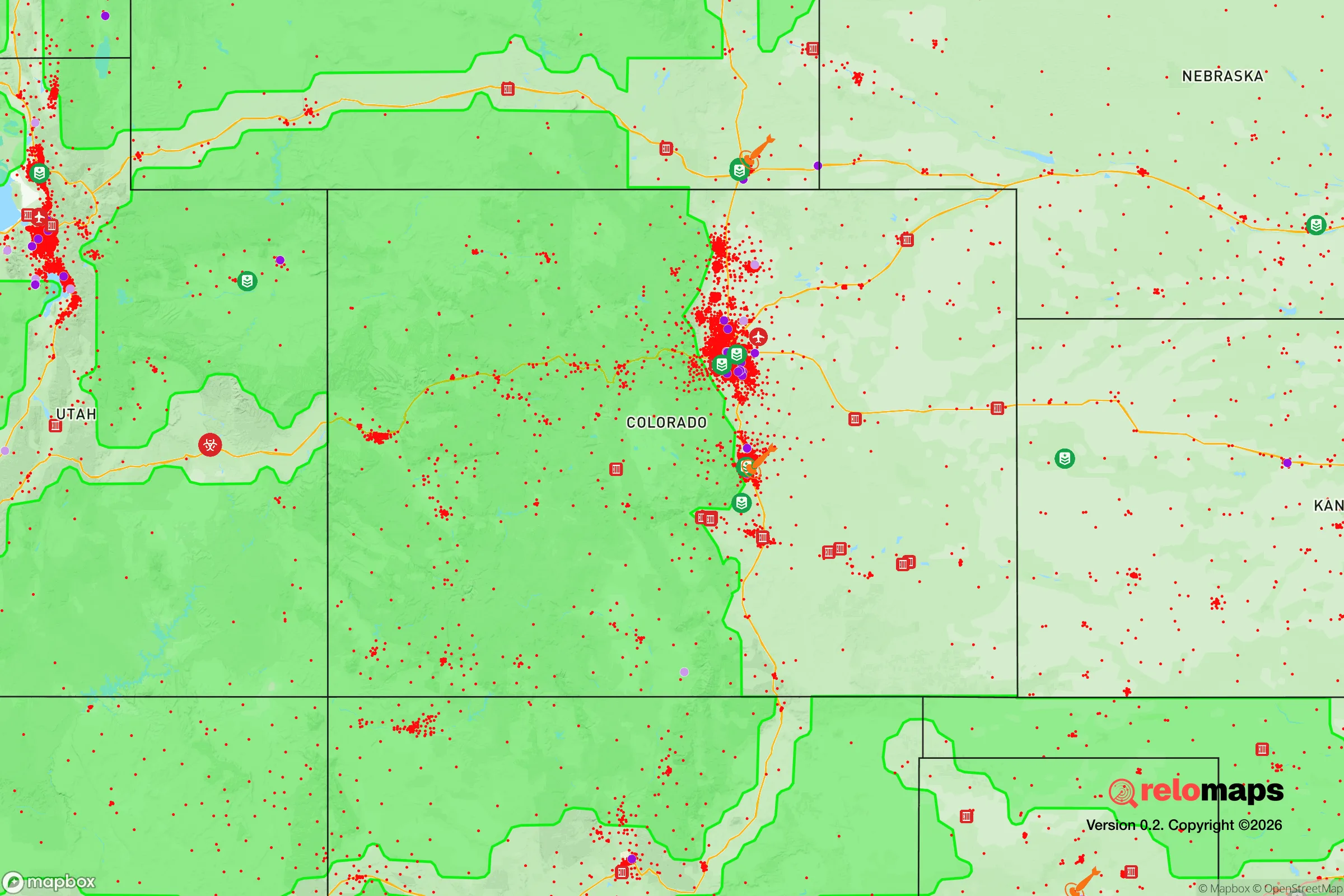
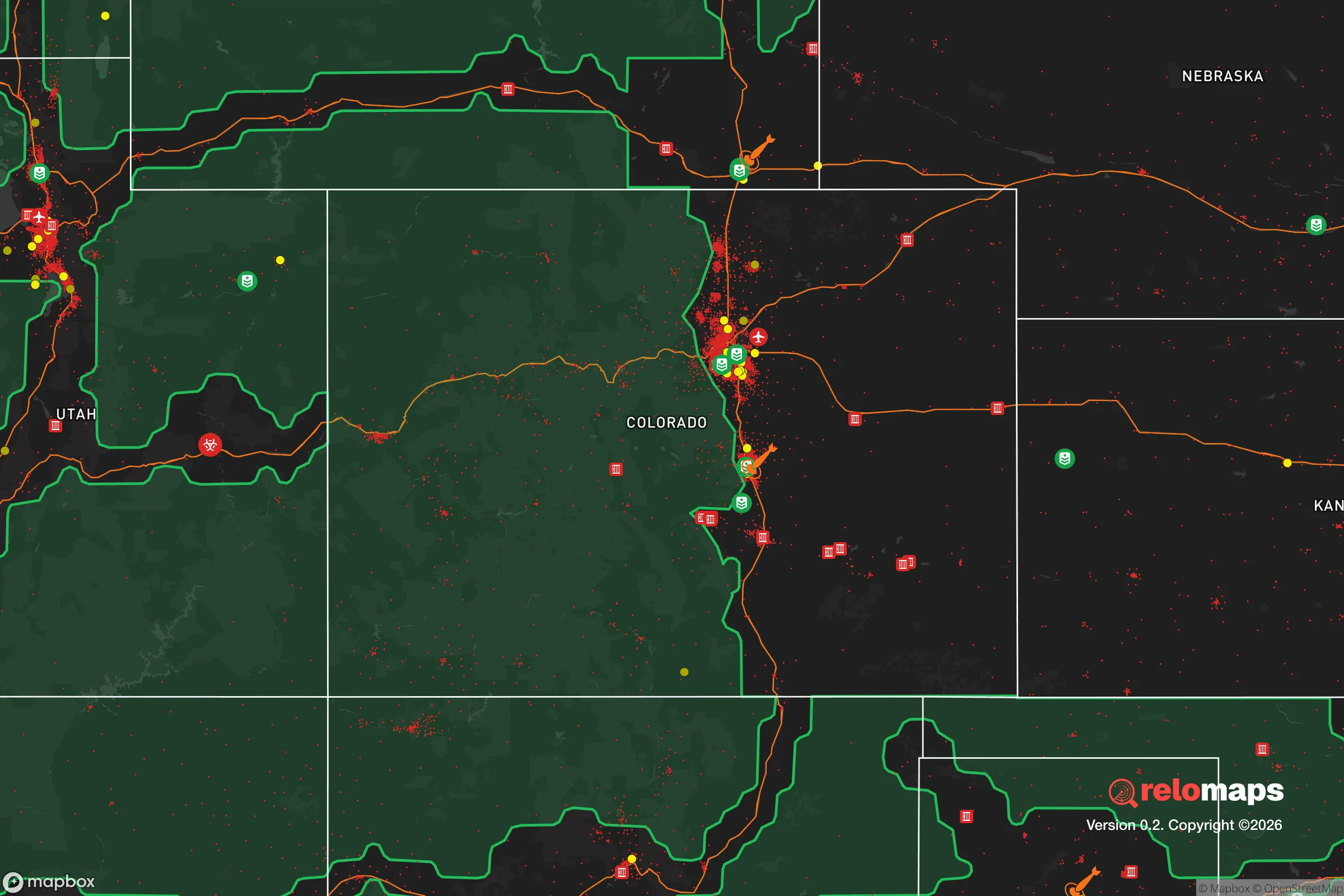


Important Note: For informational purposes only. This does not mean nothing bad ever happens in the green zones. Please use common sense. This is based on public data and modeled with AI. We tried to take a conservative approach but mistakes happen. We update this regularly as new information becomes available.
Solar Generator Recommendations
Backup power matters more here than in safer locations. We've picked three solar generators across budgets and capacity tiers — start with the budget unit if you only need a few essentials, or step up if you want to run a fridge and HVAC for days at a time.

Jackery Portable Power Station Explorer 300
Budget OptionPower on the Go: Weighing only 11 lbs, it's convenient to set up and store with book-sized foldable solar panels

BLUETTI Portable Power Station AC180
Designed for both indoor and outdoor scenarios, AC180 is highly capable as it has a robost capacity and continuous output power.

EF ECOFLOW DELTA Pro Ultra Power Station
Upgraded PickEcoFlow DELTA Pro Ultra is a whole-home energy system designed to grow with your family. Integrated with the Smart Home Panel 2, it scales to meet your evolving energy needs — keeping your home powered, intelligent, and secure through every stage of life.
We earn a commission, at no additional cost to you.
Strategic Assessment Analysis
Pueblo, Colorado, sits at a strategic crossroads that resilience-minded relocators should take seriously: it’s far enough from the Front Range’s urban core to avoid the worst of a Denver collapse, yet close enough to access critical infrastructure when things hold together. The city’s position along the Arkansas River, its working-class industrial base, and its relative isolation from major military or nuclear targets give it a profile that’s worth a hard look for anyone planning for civic unrest, supply chain disruptions, or mass casualty events. But it’s not a prepper paradise—there are real exposures here that demand clear-eyed assessment before you commit.
Geographic position and natural advantages for long-term stability
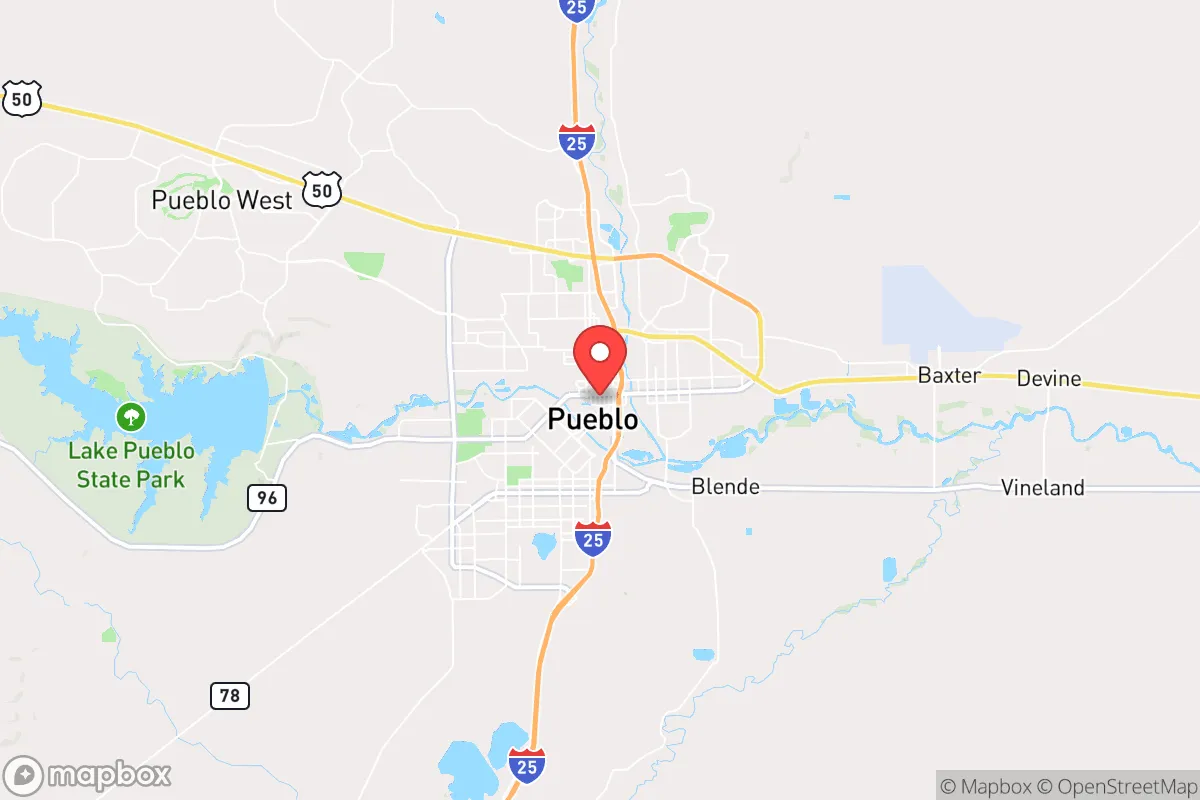
Pueblo’s location is its strongest card. Sitting at the southern end of the I-25 corridor, roughly 100 miles south of Denver and 45 miles south of Colorado Springs, it’s close enough to tap into Front Range resources—hospitals, airports, supply hubs—but far enough that a Denver-area disaster (civil unrest, EMP, pandemic surge) won’t immediately swamp the city. The Arkansas River runs right through town, providing a reliable surface water source that many arid Western cities lack. The surrounding terrain is high desert, which means less wildfire risk than the forested mountain towns north of here, and the growing season is long enough for serious food production—Pueblo’s historic “Pueblo Chile” agriculture is a real asset. The city’s elevation (4,700 feet) keeps summers moderate and winters manageable, reducing the strain on heating fuel and water infrastructure compared to higher-altitude retreats. For a relocator thinking in decades, not months, Pueblo’s position on the edge of the Great Plains gives you access to both mountain resources and flatland agriculture, a rare combo in the West.
Risks, exposures, and proximity to fallout-relevant landmarks
No strategic assessment is honest without naming the dangers. Pueblo’s biggest exposure is its proximity to Colorado Springs, home to Peterson Space Force Base, Schriever Space Force Base, and the U.S. Air Force Academy. In a major conflict or EMP scenario, those are high-value targets. A ground burst at Peterson could send fallout drifting south toward Pueblo within hours, depending on wind. The city itself has no major military installations, which is a plus, but the Pueblo Chemical Depot—about 15 miles east—is a double-edged sword. It’s been used for chemical weapons storage and destruction, and while the stockpile is largely gone, the site remains a federal facility that could draw attention. On the plus side, the depot’s presence means the area has some hardened infrastructure and emergency response capability that smaller towns lack. The biggest day-to-day risk is economic: Pueblo has a poverty rate around 20%, and the local economy leans heavily on healthcare, retail, and a few large employers like the EVRAZ steel mill. A prolonged recession or supply chain collapse would hit this town hard, and the social fabric could fray faster than in more affluent enclaves. For a prepper, that means you need to be self-reliant—don’t count on local government to hold the line during a crisis.
Practical resilience for a relocator: food, water, energy, and defensibility
Let’s get concrete about what matters when the grid flickers or the grocery shelves go bare. Water is Pueblo’s ace in the hole. The Arkansas River flows year-round, and the city’s water rights are senior and well-established. The Pueblo Reservoir, just west of town, holds over 350,000 acre-feet—enough to supply the region for years, even in drought. For a relocator, that means you can realistically dig a well or set up rainwater catchment with confidence, unlike in parts of Texas or Arizona where groundwater is disappearing. Food production is viable but not automatic. The Arkansas Valley has rich alluvial soil, and Pueblo County has a strong agricultural tradition—corn, hay, chiles, melons. You can grow a serious garden here, and the local farmers’ markets and co-ops (like the Pueblo Farmers’ Market) are a good starting point for networking with growers. But the growing season is only about 150 days, so you’ll need to plan for winter storage or greenhouse production. Energy is a mixed bag. Pueblo gets its electricity from Xcel Energy, which relies on a mix of coal, natural gas, and renewables. The nearby Comanche Generating Station (coal) is scheduled to close by 2031, which could strain the grid. Solar is a strong option—Pueblo averages over 300 sunny days a year—but you’ll need battery storage to handle winter nights. Defensibility is moderate. Pueblo is a compact city of about 110,000 people, with a grid street layout that’s hard to secure. The best bet for a relocator is to buy land on the outskirts—south or east of town, away from the main highways—where you can create a buffer. The rural areas around Pueblo West and the St. Charles Mesa offer more space and fewer neighbors, but they also lack the water infrastructure of the city core. If you’re serious about bugging in, look for a property with a well, septic, and solar already in place—those are rare but they exist.
The overall strategic picture for a conservative-minded relocator
Pueblo is not a prepper fantasy—it’s a working-class city with real grit and real flaws. For a conservative-leaning individual or family looking to step away from the chaos of coastal metros and the vulnerability of the Front Range, it offers a solid middle ground: affordable land (median home price around $300,000, well below the national average), a reliable water source, and a community that still has a blue-collar, self-sufficient ethos. The downsides are the proximity to military targets, the economic fragility, and the fact that Pueblo itself could see civil unrest if a crisis hits the local population hard. But compared to Denver, Colorado Springs, or even Fort Collins, Pueblo is a lower-profile, more defensible option. The key is to treat it as a base of operations, not a final retreat. Buy a property with a well and solar, build relationships with local farmers and gun clubs, and keep a vehicle ready to head south to New Mexico or east to the Plains if things go sideways. Pueblo won’t save you from everything, but it gives you a fighting chance—and in the world we’re looking at, that’s more than most places can offer.

* Values derived from national, state, county, city and local statistics and may differ in a specific area. Last updated: 2026-04-23T06:21:31.000Z
Narrative content on this page is AI-generated and may contain mistakes. Verify any details that matter before acting on them.
ReloMaps may earn a commission from affiliate links at no extra cost to you.

