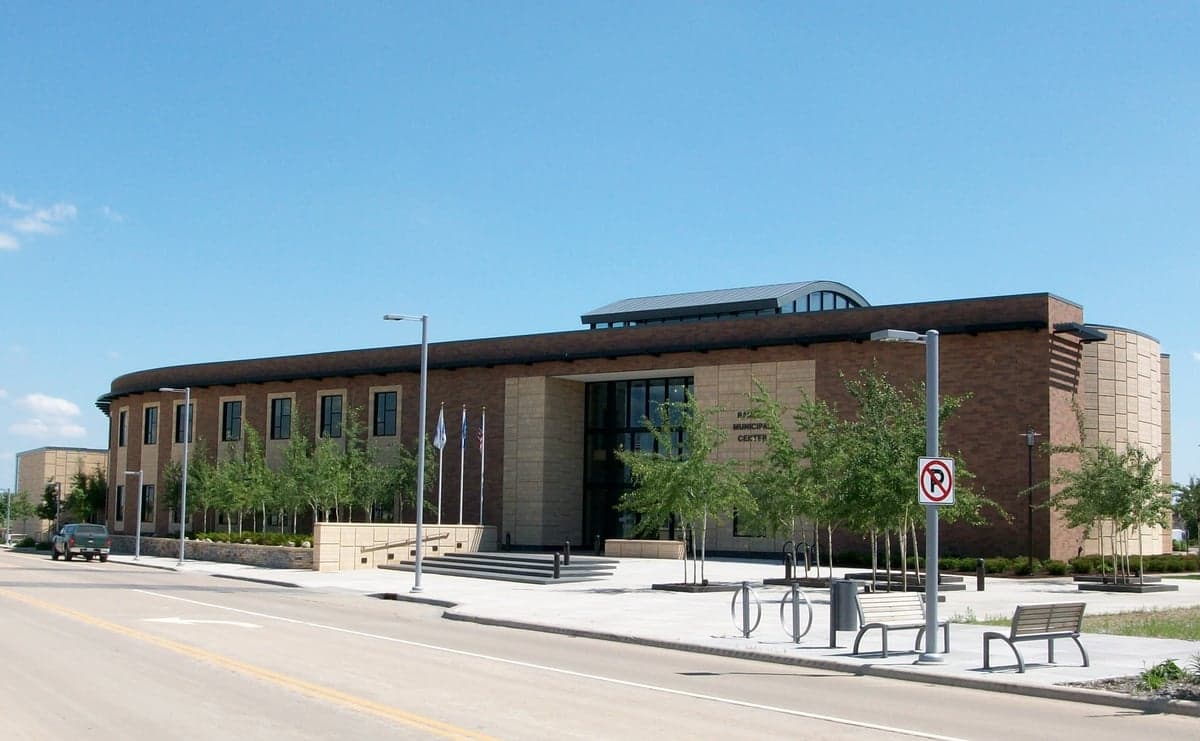
Photo: Wikipedia
Personal Sovereignty in Ramsey, MN
Viable for self-reliance. Generally workable, though some barriers may limit total independence.
What does Personal Sovereignty tell us?
Personal Sovereignty measures your capacity for self-reliance and independence with minimal government friction. Higher scores mean fewer barriers between you and the way you want to live... but it assumes you have the space you need and good neighbors.
What does this tell us?
Personal Sovereignty measures your capacity for self-reliance and independence with minimal government friction. Higher scores mean fewer barriers between you and the way you want to live... but it assumes you have the space you need and good neighbors.
State Policy
Energy independence: Importer (20% of energy produced in-state)
Personal Liberty
Homesteading

Personal Liberty Analysis
Ramsey, Minnesota offers a notably higher degree of personal sovereignty than many metro-adjacent communities, largely because it sits in Anoka County—a region that has resisted some of the more aggressive state-level mandates seen in Hennepin or Ramsey Counties. While Minnesota’s state government has trended left on several fronts, Ramsey’s local governance, zoning flexibility, and cultural ethos of self-reliance create a buffer zone where individual autonomy remains more intact. For a single person or family with a survivalist or prepper mindset, this is a place where you can quietly build your own life without constant friction from local authorities, though you must remain aware of state-level overreach.
Tax burden and regulatory posture: how Ramsey compares to surrounding areas
Minnesota’s overall tax burden is high—ranked 6th in the nation by some measures—but Ramsey’s location in Anoka County softens the blow compared to living directly in the Twin Cities. Property taxes in Ramsey are moderate for the metro area, with effective rates around 1.1% to 1.3% of assessed home value, which is lower than in nearby Hennepin County suburbs. The city has no local income tax, and the state’s progressive income tax tops out at 9.85% for high earners, a figure that stings but is partially offset by lower housing costs than Minneapolis or St. Paul. On the regulatory side, Ramsey is less prone to the kind of zoning overreach seen in more urbanized suburbs. The city’s zoning code allows for accessory dwelling units, home-based businesses, and even some agricultural uses on larger lots, which is a green flag for anyone wanting to run a small workshop, keep chickens, or store emergency supplies without a permit battle. The state’s environmental regulations, particularly around wetlands and shoreland, can be restrictive if you own property near the Mississippi River or a lake, but for standard residential lots, the local building department is pragmatic and not ideologically driven.
Self-defense and gun law specifics: what you need to know in Ramsey
Minnesota is a shall-issue state for concealed carry permits, meaning that as long as you pass a background check and complete a training course, the county sheriff must issue your permit. Anoka County is known for processing these permits efficiently, with no local ordinances that add extra hurdles. Ramsey itself has no city-level restrictions on firearm possession, storage, or magazine capacity, which is a relief compared to cities like Minneapolis that have attempted magazine bans and safe-storage mandates. The state does require a permit to purchase a handgun from a private seller, but long guns can be bought privately without a permit. Stand-your-ground laws do not exist in Minnesota; you have a duty to retreat if safely possible before using deadly force, but your home and vehicle are considered places where no retreat is required. For preppers, this means you can defend your property, but you need to be aware that the legal system will scrutinize any use of force outside your home. Open carry is legal with a permit, but it’s uncommon and may draw unwanted attention. Overall, Ramsey is a solid location for gun owners who want to avoid city-level nonsense, but you’re still under state laws that are more restrictive than, say, Texas or Arizona.
Self-reliance and homesteading viability: lot sizes, zoning, and off-grid feasibility
Ramsey’s residential lots are larger than the metro average, with many single-family homes sitting on half-acre to one-acre parcels. This space is a major advantage for anyone wanting to garden, raise small livestock, or store supplies. The city allows up to six chickens on lots under one acre, and more on larger parcels, with no roosters allowed—a reasonable compromise. Goats and other small livestock require a conditional use permit, but these are routinely granted in the more rural parts of the city. Off-grid living is legally tricky in Minnesota because the state requires connection to the electrical grid for new construction, but existing homes can install solar panels with net metering, and rainwater collection is permitted for non-potable uses. Composting toilets are allowed with a septic system variance, but the county health department will want to inspect. The biggest hurdle for full self-reliance is the state’s building code, which mandates certain insulation and energy standards that can make off-grid cabins expensive to build legally. However, Ramsey’s zoning does allow for temporary structures like sheds and workshops without permits up to 200 square feet, giving you room to stage supplies. For a prepper, the key takeaway is that you can achieve a high degree of self-sufficiency here, but you’ll need to work within the system rather than against it.
Personal liberties: parental rights, medical autonomy, speech, and property
Minnesota has some of the strongest parental rights laws in the country, including a statute that explicitly affirms parents’ authority to direct their children’s education, healthcare, and religious upbringing. Ramsey’s school district, part of the Anoka-Hennepin system, has been a battleground over curriculum transparency, but recent state legislation requires schools to post all instructional materials online, giving parents a tool to monitor what’s being taught. Medical autonomy is more constrained at the state level: Minnesota has a vaccine mandate for school attendance (with exemptions for medical and conscientious reasons), and the state’s emergency powers were used aggressively during the pandemic. However, Ramsey’s local government did not impose its own mask or business closure mandates, deferring to state orders but not adding extras. Speech and assembly rights are protected under the First Amendment, and Ramsey has no local ordinances restricting political signs, leafleting, or public gatherings. Property rights are strong in the sense that eminent domain is rarely used for private development, but the state’s environmental regulations can limit what you do with wetlands or shoreland. The city’s comprehensive plan is relatively hands-off, focusing on growth management rather than social engineering. For someone concerned about government overreach, Ramsey offers a local environment where you can live your life without constant interference, but you must remain vigilant about state-level trends.
Overall, Ramsey, Minnesota provides a sovereignty profile that is better than most of the Twin Cities metro but not as free as rural northern Minnesota or states like Idaho or Montana. The local government is pragmatic and not ideologically driven, the zoning allows for meaningful self-reliance, and the gun laws are workable for a prepared citizen. The main threats to personal autonomy come from the state level—taxes, environmental regulations, and potential future mandates. If you’re a single person or family looking to build a resilient lifestyle within striking distance of metro resources, Ramsey is a strategic choice. Just keep one eye on St. Paul and have a plan B if the state goes further off the rails.

* Values derived from national, state, county, city and local statistics and may differ in a specific area. Last updated: 2026-04-24T15:27:40.000Z
Narrative content on this page is AI-generated and may contain mistakes. Verify any details that matter before acting on them.
ReloMaps may earn a commission from affiliate links at no extra cost to you.

