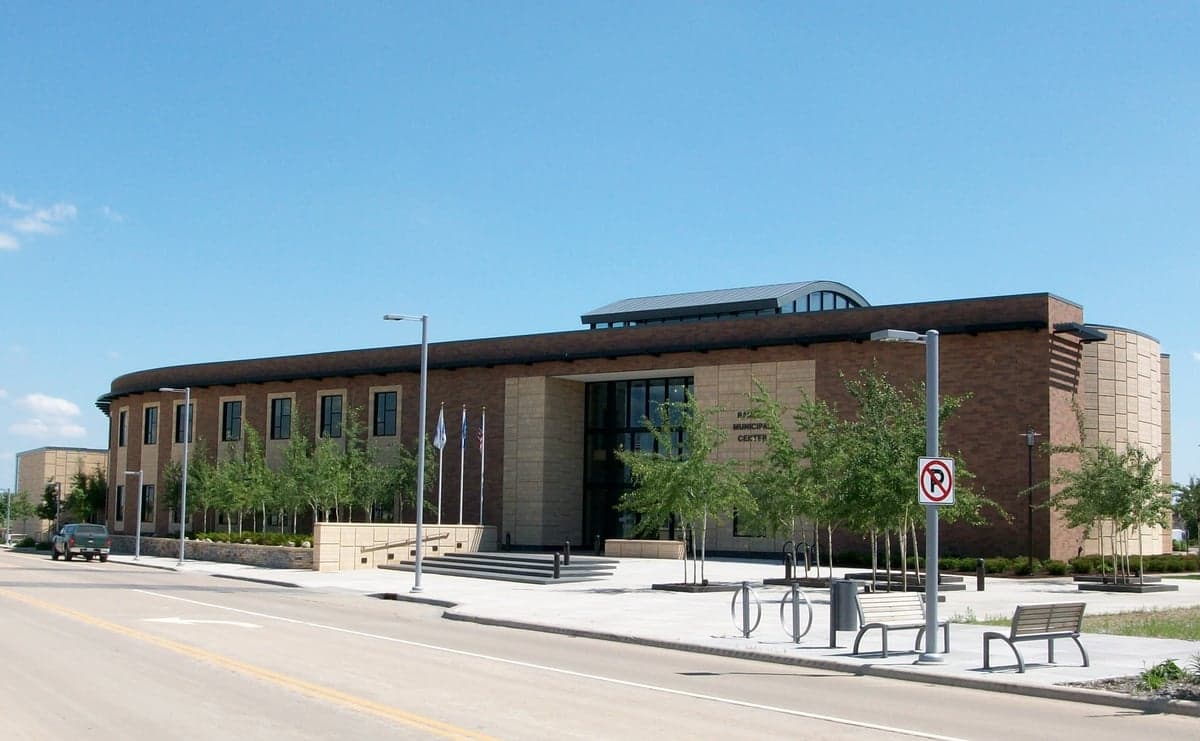
Photo: Wikipedia
Political ClimatePolitical Climate in Ramsey, MN
District shown is the primary district for this city’s centroid. Cities may span multiple districts.
Local Political AnalysisPolitical Analysis of Ramsey, MN
Ramsey, Minnesota, sits in a reliably conservative pocket of the state, with a Cook PVI of R+10 that puts it well to the right of the national average. For a long time, this was a place where folks minded their own business, kept their lawns mowed, and didn't expect the county to tell them how to live. That's still the baseline, but I've watched the political winds shift over the last decade, and while the town itself hasn't flipped, the surrounding area is starting to feel the pressure from the metro creep. You can still count on a Republican majority in most local elections, but the margin isn't as comfortable as it was in the early 2000s, and the conversations at town hall are getting louder.
How it compares
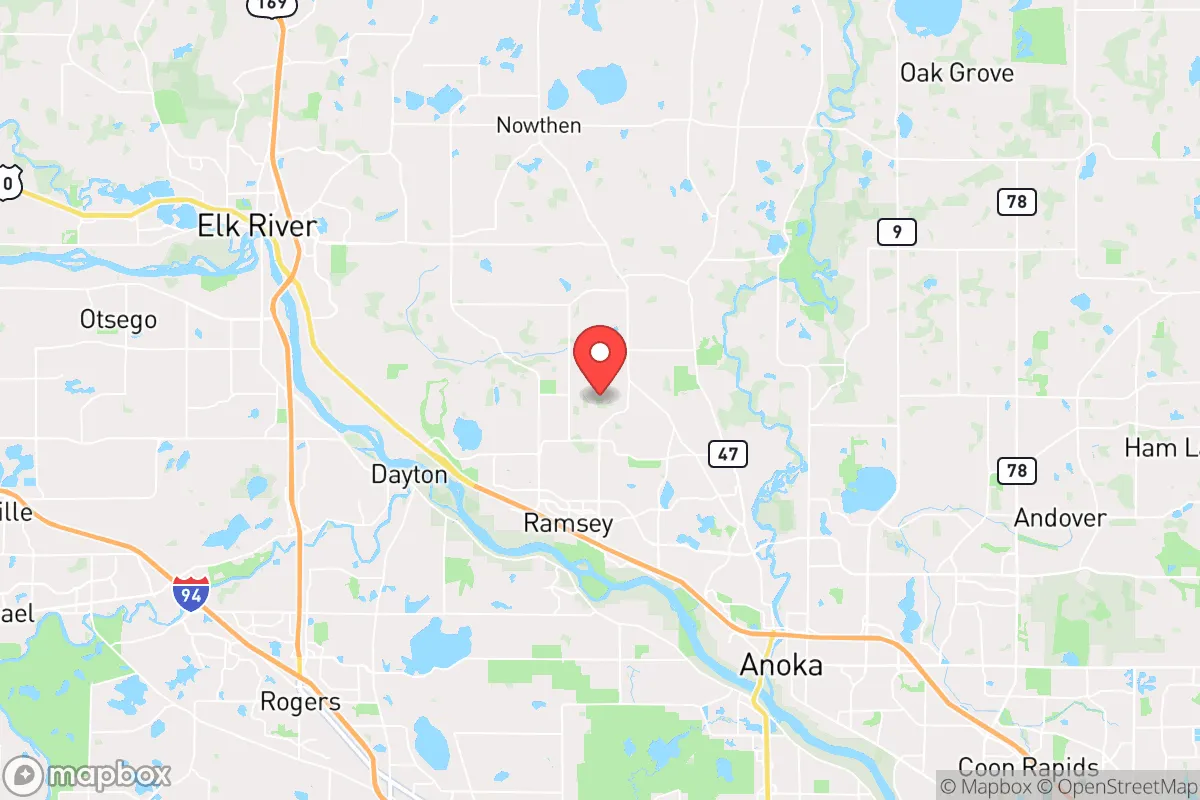
Drive ten miles south into Anoka or Coon Rapids, and you'll hit a much bluer vibe—those areas have been trending left for years, with higher taxes and more zoning restrictions that feel like they're designed to manage every square foot of your property. Ramsey, by contrast, still feels like a place where you can buy a house with a decent lot and not have the city breathing down your neck about what you plant in your backyard. Head west to Elk River, and you'll find a similar conservative streak, but even there, the new developments are bringing in folks from the cities who don't always share the same values about limited government. The real contrast is with Minneapolis, about 35 miles south, where the progressive agenda has run wild—higher crime, defund-the-police talk, and a general sense that personal freedoms take a backseat to social engineering. Ramsey residents look at that and thank God they're not there.
What this means for residents
For the people who live here, the R+10 lean means you can still expect a local government that respects your right to make your own choices—whether that's about homeschooling, carrying a firearm, or running a small business out of your garage without a dozen permits. The school board and city council have historically pushed back against state mandates that feel like overreach, like when the governor tried to force COVID restrictions on rural towns that didn't want them. That said, I've seen a slow creep of progressive ideas into the county planning meetings—things like "equity" language in zoning proposals and talk of "affordable housing" quotas that sound a lot like government picking winners and losers. If you're the kind of person who gets uneasy when the state starts dictating how you heat your home or what kind of truck you can drive, Ramsey is still a safe bet, but you need to stay engaged. The next few elections will decide whether we hold the line or start sliding toward the same mess that's swallowed up the metro.
Culturally, Ramsey has a few distinctions that set it apart from the surrounding blue islands. The city has a strong tradition of volunteer fire departments and community events that don't feel like government programs—they're run by neighbors, not bureaucrats. There's also a noticeable resistance to the kind of "climate action" plans that have popped up in nearby suburbs, with residents pushing back on expensive green mandates that would raise utility bills. The long-term trend is the real worry: as the metro expands, more people move north for cheaper housing, and they bring their voting habits with them. If you're considering a move here, know that the political climate is still solidly conservative, but it's not immune to the pressures that have turned other Minnesota towns blue. Keep an eye on the school board races and the county commission—that's where the fight for your freedoms will be won or lost.

State Political ClimatePolitical Climate in Minnesota
State Political AnalysisPolitical Environment in the State
Minnesota has shifted from a reliably purple swing state to a solidly blue stronghold over the past two decades, with Democrats (DFL) now controlling all three levers of state government since 2023. The state voted for Joe Biden by 7 points in 2020, and while it hasn’t voted Republican for president since 1972, the margin has tightened in recent cycles—Trump lost by only 1.5 points in 2016. However, the real story is the legislative supermajority the DFL achieved in 2022, which has enabled a rapid progressive agenda that many conservatives view as a direct assault on personal freedom and local control.
Urban vs. rural divide
The political map of Minnesota is a textbook case of the urban-rural chasm. The Twin Cities metro—Minneapolis, St. Paul, and their inner-ring suburbs like Edina and Bloomington—drives the state’s blue lean, producing massive Democratic margins that swamp the rest of the state. In 2020, Hennepin County alone gave Biden a 400,000-vote cushion. Meanwhile, greater Minnesota is overwhelmingly red: counties like Stearns (St. Cloud), Olmsted (Rochester), and Wright (Buffalo) have trended sharply right, with Trump winning many rural counties by 30-40 points. The Iron Range in northeastern Minnesota, once a DFL stronghold, has flipped hard—St. Louis County (Duluth) is now competitive, and Itasca County voted for Trump in 2020 after backing Obama twice. The divide is stark: the metro area’s cultural and economic dominance means rural conservatives feel increasingly powerless, a sentiment that fueled the 2020 “Walmart protests” and ongoing secession talk in some northern counties.
Policy environment
Under the DFL trifecta, Minnesota has enacted a policy agenda that alarms many conservatives. The 2023 tax code overhaul created a new fourth-tier income tax bracket of 10.85% on income over $1 million, making Minnesota one of the highest-taxed states in the nation. Property taxes have also risen, with the state’s commercial-industrial tax rate among the top 10 nationally. On education, the state passed a universal free school meals program and expanded funding for diversity, equity, and inclusion (DEI) initiatives in public schools, while parental rights groups have protested new curriculum standards that include critical race theory concepts. Healthcare saw the creation of a state-based public option for health insurance, and the Minnesota Clean Transportation Standard mandates a 20% reduction in carbon intensity from transportation fuels by 2030, effectively regulating gas stations out of existence. Election laws were overhauled with automatic voter registration, pre-registration for 16-year-olds, and no-excuse absentee voting—changes that critics argue weaken ballot integrity. The state also codified abortion rights into law with the PRO Act, removing nearly all restrictions.
Trajectory & freedom
Minnesota is unquestionably becoming less free by conservative metrics. The 2023 legislative session was a firehose of bills that expanded government control: a new paid family and medical leave program funded by payroll taxes, a ban on non-compete agreements (which some see as a property rights issue), and a red flag law allowing courts to temporarily seize firearms from individuals deemed a risk. Gun rights took a major hit with the passage of universal background checks and a waiting period for handgun purchases, despite Minnesota having one of the lowest violent crime rates in the Midwest. On medical freedom, the state mandated COVID-19 vaccines for healthcare workers and expanded the authority of the health commissioner to impose quarantines. Property rights were eroded by a new law allowing local governments to impose rent control and by the Climate Action Plan, which restricts new housing development in certain areas. The only bright spot for conservatives was the defeat of a proposed constitutional amendment on abortion, but that was a temporary victory—the PRO Act made it moot.
Civil unrest & political movements
Minnesota has been a flashpoint for civil unrest since the 2020 George Floyd protests, which caused over $500 million in property damage in Minneapolis and St. Paul. The “defund the police” movement gained traction in the city, leading to a failed ballot measure to replace the police department with a public safety department. Since then, organized activist groups like the Minnesota Freedom Fund and Mothers Against Drunk Driving have clashed with conservative groups like the Minnesota Gun Owners Caucus and Parents for Educational Freedom. Immigration politics are heated: Minnesota is a sanctuary state, with the Driver’s Licenses for All law allowing undocumented immigrants to obtain licenses, and the Northstar Link bus service connecting the Twin Cities to rural areas has been criticized for enabling illegal immigration. Election integrity remains a sore point—the 2020 election saw a controversial “ballot harvesting” lawsuit, and the 2022 law allowing same-day voter registration has drawn scrutiny. The “Walmart protests” in 2020, where rural residents blocked highways in support of Trump, were a visible sign of the rural-urban cultural war. Secession rhetoric has quieted but not disappeared, with some northern counties exploring a “Greater Minnesota” movement.
Projection
Over the next 5-10 years, Minnesota will likely become even more progressive. Demographic trends favor the DFL: the Twin Cities metro is growing while rural counties shrink, and the state’s immigrant population—concentrated in the metro—is expanding rapidly. The 2022 redistricting gave Democrats a structural advantage in the state legislature, and the DFL’s 2023 trifecta is unlikely to be broken soon. In-migration from blue states like California and Illinois is accelerating, bringing more progressive voters to the suburbs. However, there are countercurrents: the 2024 election saw Trump improve his margin in rural counties, and the “Walz backlash” is real among farmers and small business owners. The state’s high taxes and regulatory burden are driving some families to South Dakota and Wisconsin, but not enough to flip the state. A new resident moving in now should expect a state where government involvement in daily life will continue to expand—higher taxes, more regulations on guns and energy, and a public school system that increasingly emphasizes progressive ideology over academic rigor.
For a conservative considering relocation, Minnesota offers a mixed bag. The natural beauty, strong economy, and excellent schools are real draws, but the political trajectory is concerning. If you value low taxes, gun rights, parental control over education, and limited government, you’ll find yourself in a permanent minority. The best bet for conservatives is to settle in the outer-ring suburbs like Lakeville or Woodbury, or in red-leaning cities like Rochester or St. Cloud, where local politics can still provide some buffer. But be prepared: the state government in St. Paul will continue to push policies that feel like they’re coming from a blue state, because they are. If you’re willing to fight for your values in a blue state, Minnesota can work—but don’t expect the freedom you’d find in Texas or Florida.
* Values derived from national, state, county, city and local statistics and may differ in a specific area. Last updated: 2026-04-24T15:27:40.000Z
Narrative content on this page is AI-generated and may contain mistakes. Verify any details that matter before acting on them.
ReloMaps may earn a commission from affiliate links at no extra cost to you.

