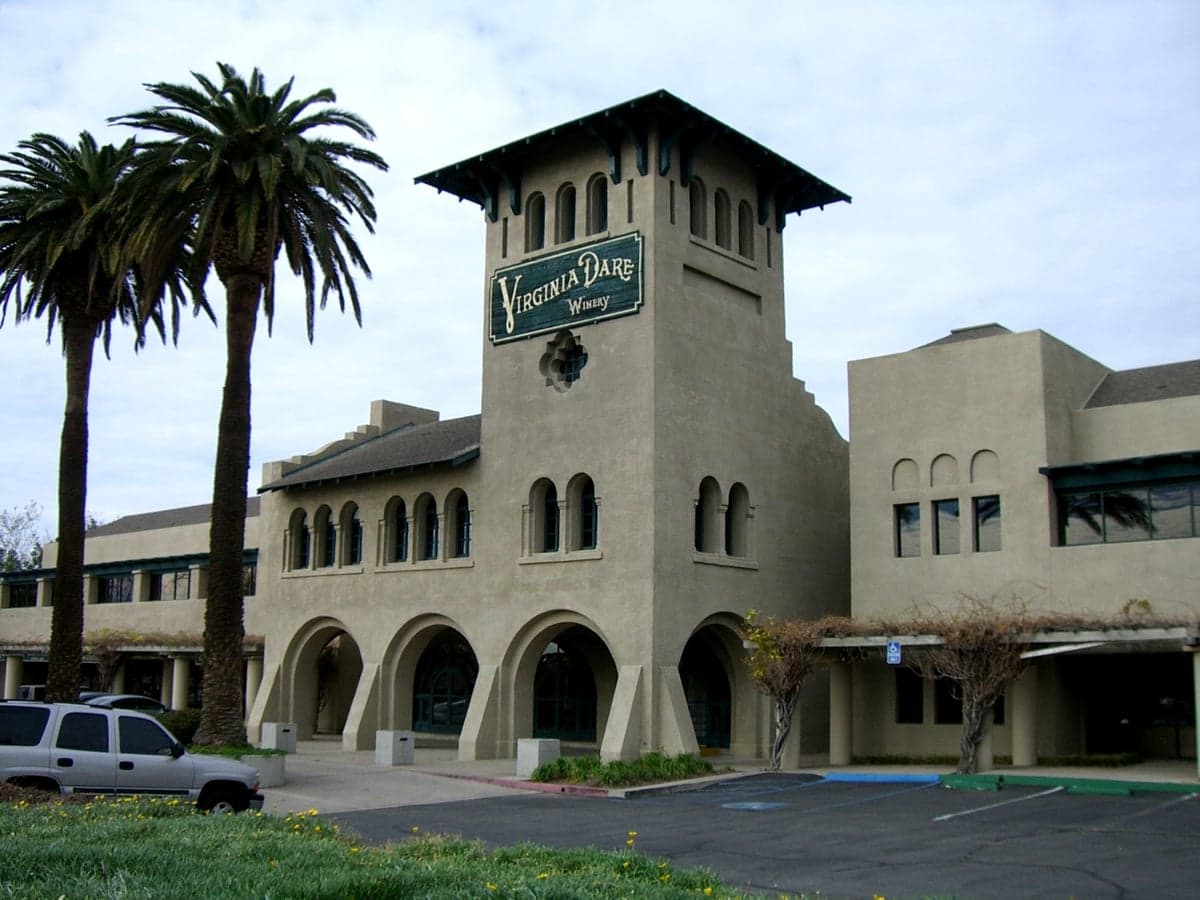
Photo: Wikipedia
Personal Sovereignty in Rancho Cucamonga, CA
Viable for self-reliance. Generally workable, though some barriers may limit total independence.
What does Personal Sovereignty tell us?
Personal Sovereignty measures your capacity for self-reliance and independence with minimal government friction. Higher scores mean fewer barriers between you and the way you want to live... but it assumes you have the space you need and good neighbors.
What does this tell us?
Personal Sovereignty measures your capacity for self-reliance and independence with minimal government friction. Higher scores mean fewer barriers between you and the way you want to live... but it assumes you have the space you need and good neighbors.
State Policy
Energy independence: Importer (33% of energy produced in-state)
Personal Liberty
Homesteading

Personal Liberty Analysis
For the individual or family prioritizing personal sovereignty, Rancho Cucamonga presents a complex picture: it sits within California, a state with some of the nation's most restrictive laws on firearms, taxation, and property use, yet the city itself offers pockets of relative autonomy. The local political climate is more moderate than coastal California, but the overarching state apparatus—from its progressive tax structure to its stringent building codes—imposes significant limits on self-reliant living. A strategic relocation here means accepting that your personal freedoms will be heavily mediated by Sacramento, even if the local sheriff's office is more aligned with Second Amendment rights than their counterparts in Los Angeles. For the prepper or survivalist, this is a location where you must work within the system, not outside it.
Tax burden and regulatory posture: The cost of California's oversight
California's tax burden is among the highest in the nation, and Rancho Cucamonga residents feel it directly. The state's progressive income tax tops out at 13.3% for high earners, and the sales tax in San Bernardino County adds another 7.75% on most purchases. Property taxes, while capped at roughly 1% of assessed value under Proposition 13, are levied on a base that can increase significantly upon sale, creating a "lock-in" effect that discourages moving. For the sovereignty-minded, the regulatory posture is even more concerning: California's California Environmental Quality Act (CEQA) can be weaponized to delay or block any construction or land-use change, and the state's California Air Resources Board (CARB) dictates everything from vehicle emissions to lawn equipment. This means that any attempt to build a workshop, install solar panels beyond a certain size, or even replace a water heater requires permits and inspections that can take months. The state's regulatory density is a form of control that directly limits your ability to make independent decisions about your property and lifestyle.
Self-defense and gun law specifics: Navigating California's restrictions
California's firearm laws are among the most restrictive in the country, and Rancho Cucamonga is not exempt. The state requires a 10-day waiting period and a background check for all firearm purchases, and it maintains a roster of "approved" handguns that excludes many popular models. "Assault weapons" are banned by name and feature, including AR-15s and AK-pattern rifles, and standard-capacity magazines (over 10 rounds) are illegal to possess. Concealed carry permits (CCWs) are issued by the San Bernardino County Sheriff, and while the county is generally "shall-issue" in practice, the process is costly and time-consuming—requiring a multi-hour training course, live-fire qualification, and a background check that can take months. For the prepper, this means you cannot legally stockpile standard-capacity magazines or own a modern sporting rifle for home defense. Self-defense in the home is generally protected under the "castle doctrine," but there is no "stand your ground" law; you have a duty to retreat if safely possible before using deadly force outside the home. This legal landscape forces a strategic approach: you can own firearms, but your options are limited, and the state's bureaucracy is a constant friction point.
Self-reliance and homesteading viability: Lot sizes, zoning, and off-grid feasibility
Rancho Cucamonga is a suburban city with an average lot size around 7,000 to 10,000 square feet in most residential zones—enough for a garden and a small chicken coop, but not for serious homesteading. Zoning codes are strict: keeping livestock beyond a few hens is typically prohibited, and any outbuildings or sheds require permits and must meet setback requirements. Off-grid living is effectively illegal in the city limits. The city requires connection to municipal water and sewer, and solar panels must be grid-tied under California's net metering rules. Rainwater collection is allowed but limited to 200 gallons per property without a permit, and greywater systems are heavily regulated. For the survivalist, this means you cannot achieve meaningful self-sufficiency within city limits. The nearby unincorporated areas of San Bernardino County, such as Lytle Creek or Wrightwood, offer larger parcels (1-5 acres) with fewer restrictions, but they come with their own challenges—wildfire risk, well drilling costs, and longer commutes. Rancho Cucamonga is a base camp, not a retreat.
Personal liberties: Parental rights, medical autonomy, speech, and property
California's progressive policies directly impact personal liberties in ways that concern the sovereignty-minded. Parental rights are under constant pressure: the state's "parental notification" laws for minors seeking abortions have been weakened, and school districts can implement curriculum on sexual orientation and gender identity without parental opt-out. Medical autonomy is similarly constrained—California mandates vaccines for school attendance (with limited medical exemptions) and has a state-run health insurance exchange that penalizes those who go without coverage. Free speech is protected under the First Amendment, but California's "hate speech" laws and workplace harassment standards create a chilling effect on certain political expressions. Property rights are the most compromised: the California Coastal Commission and local planning boards can restrict what you build, how you use your land, and even what trees you can remove. For the prepper, this means your ability to raise your children according to your values, make medical decisions without state interference, and use your property as you see fit is significantly curtailed. The state's regulatory apparatus is a constant presence in your life.
In the broader landscape of personal sovereignty, Rancho Cucamonga is a compromise. It offers a more moderate local culture than the Bay Area or Los Angeles, with a sheriff's office that is generally supportive of CCW permits and a city council that is less hostile to property rights than its coastal counterparts. But the state-level constraints—on firearms, taxes, land use, and parental rights—are inescapable. For the survivalist or prepper, this is not a place to build a self-sufficient retreat; it is a place to live while you plan your exit to a state with lower taxes, looser gun laws, and fewer regulations. If you are willing to work within the system and accept that your autonomy will always be limited by Sacramento, Rancho Cucamonga can be a functional base. But for those seeking true sovereignty, it is a stepping stone, not a destination.

* Values derived from national, state, county, city and local statistics and may differ in a specific area. Last updated: 2026-04-24T11:02:32.000Z
Narrative content on this page is AI-generated and may contain mistakes. Verify any details that matter before acting on them.
ReloMaps may earn a commission from affiliate links at no extra cost to you.

