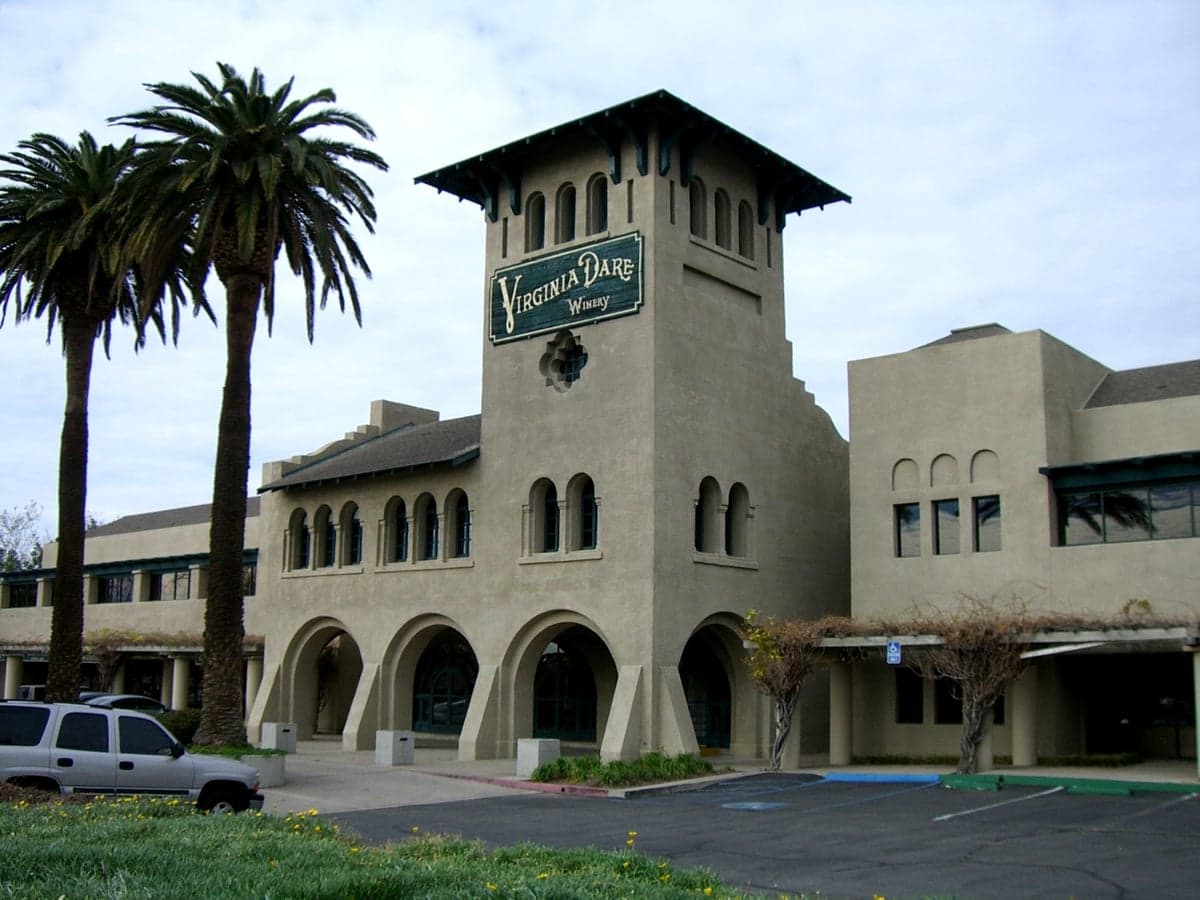
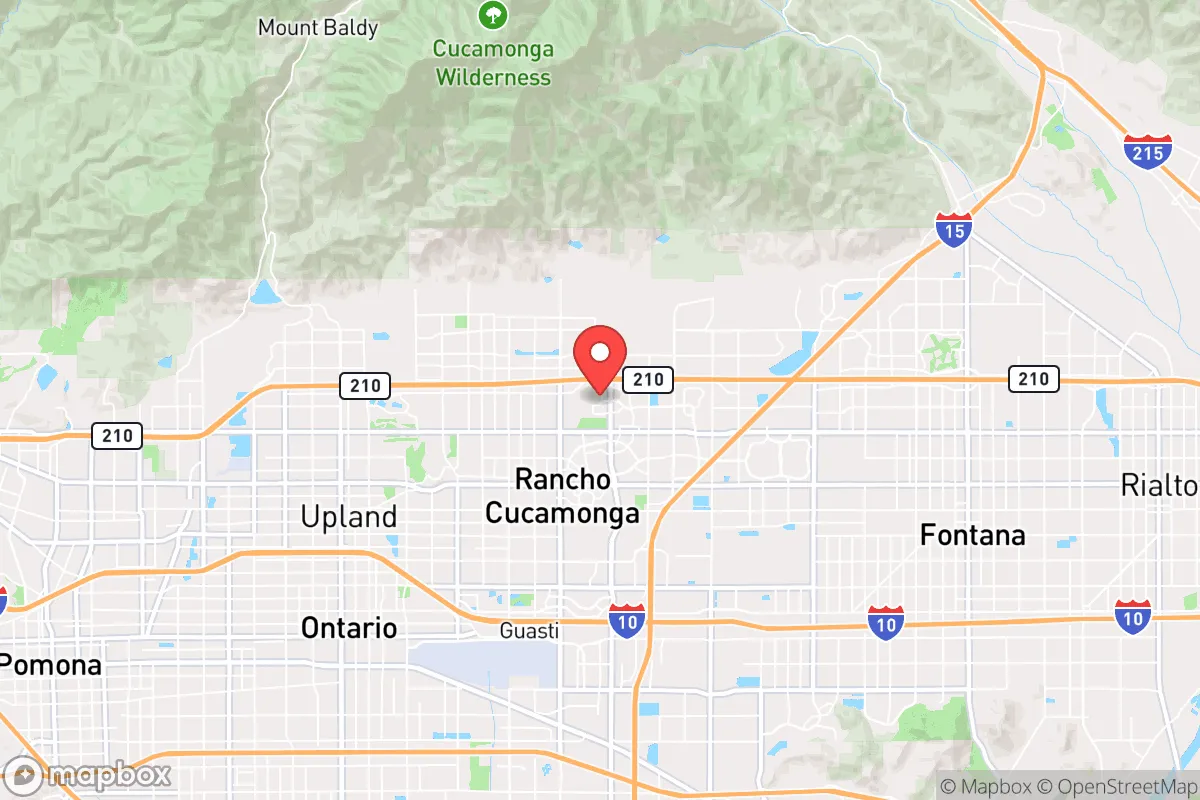
Photo: Wikipedia
Quality of Life in Rancho Cucamonga, CA
A high quality of life with strong walkability, manageable living costs, healthy neighborhood signals, and solid amenity access.
What does Quality of Life tell us?
Quality of Life blends cost of living, nearby amenities, socioeconomic signals, and neighborhood character. City-level scores represent the whole municipality; individual neighborhoods can differ.
What does this tell us?
Quality of Life blends cost of living, nearby amenities, socioeconomic signals, and neighborhood character. City-level scores represent the whole municipality; individual neighborhoods can differ.
Cost of Living
116% above national average
The Real Cost of Living in Rancho Cucamonga, CA for 2026
| Tier | Individual | Family (4) |
|---|---|---|
| Survival | $36k | $69k |
| Comfortable | $118k | $173k |
| Luxury | $172k+ | $267k+ |
| Elite (Top 5%) | $203k+ | $314k+ |
63%
The Area Signal
A metric tracking the socioeconomic signals of the area.
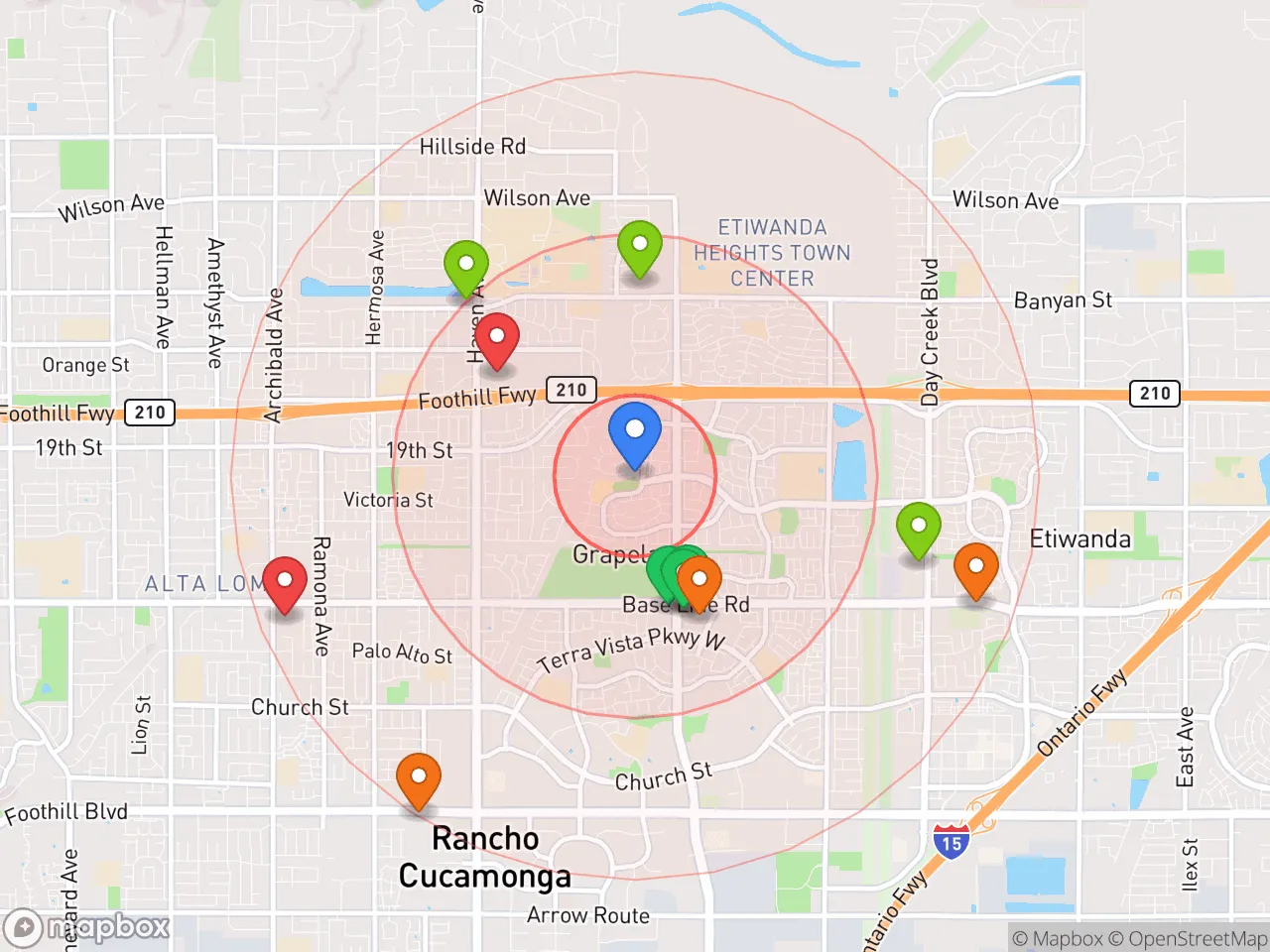
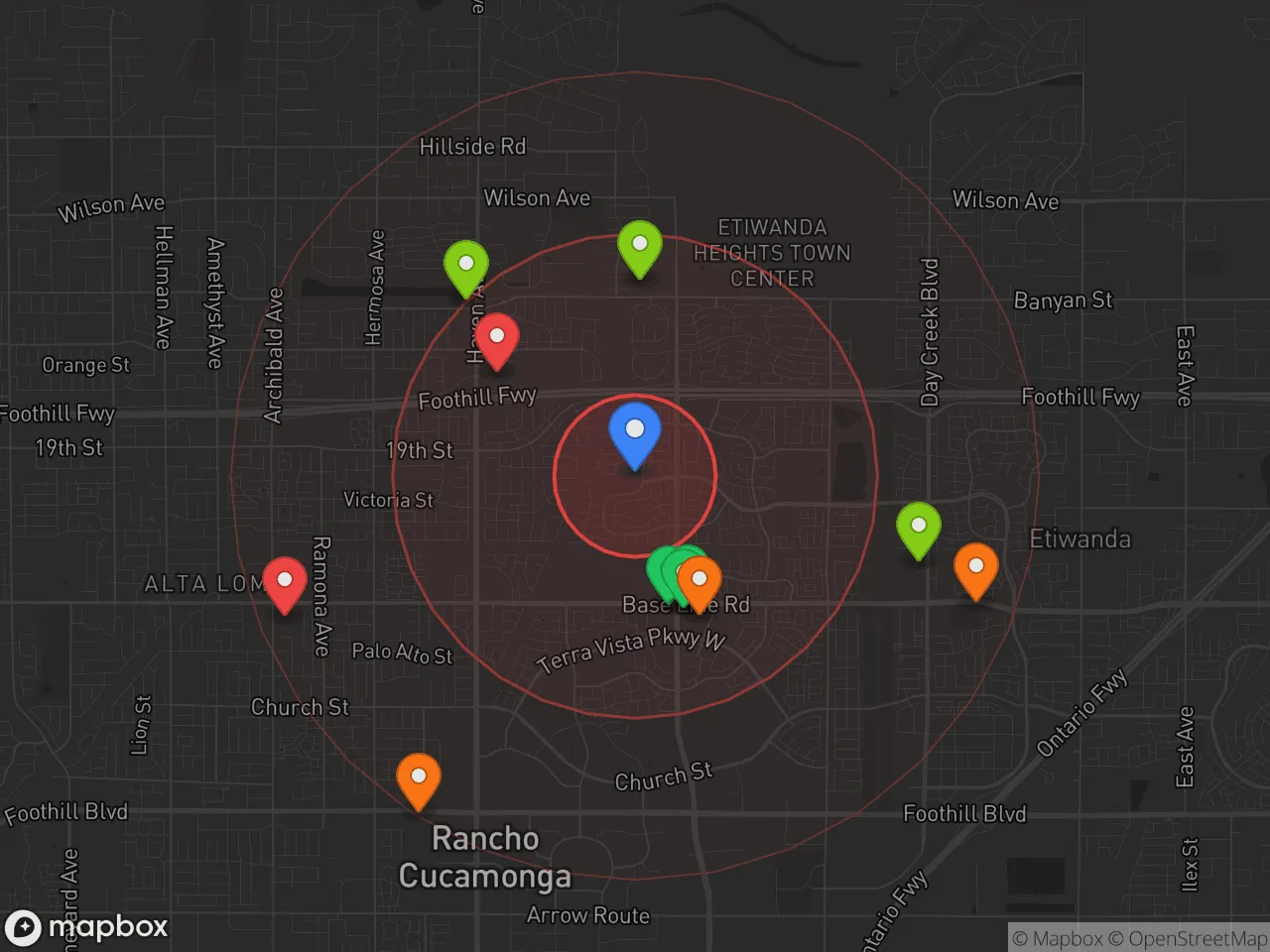
Hobbies
Explore the areaGroceries
8 within 10 miles
Gas
20 within 10 miles
Hospital
20 within 20 miles
Airport
SAN — San Bernardino International
Post Office
USPS — Alta Loma, CA
Critical Amenities
Quality-of-Life Analysis
Rancho Cucamonga, California, presents a quality of life defined by upper-middle-class affluence, family-oriented stability, and a suburban rhythm that attracts professionals and long-term residents. With a cost of living index of 216 (more than double the national average), the city draws households earning well above the regional median—often dual-income families and executives commuting to jobs in Los Angeles, Orange County, and the Inland Empire. The population skews toward married couples with children, and the area’s reputation for safety, good schools, and newer housing stock reinforces its appeal as a deliberate choice over pricier coastal alternatives.
Cost of living and housing affordability compared to nearby cities
Rancho Cucamonga’s cost of living is 116% above the U.S. average, but it remains a relative bargain within Southern California’s high-cost corridor. The median home value sits at $694,400, which is roughly $100,000 less than the Los Angeles County median and about $200,000 below Orange County’s typical price. Median rent of $2,286 is similarly competitive—lower than rents in Irvine ($3,100+) or Santa Monica ($3,500+), but notably higher than in neighboring Fontana ($1,900) or Ontario ($1,800). The trade-off is a longer commute: the average one-way trip clocks in at 32.2 minutes, driven by the many residents who work in Los Angeles (about 40 miles west) or Orange County (30–45 miles south). For buyers, property taxes are capped at roughly 1% of purchase price under Proposition 13, but newer homes in master-planned communities like The Colonies or Terra Vista may carry additional Mello-Roos fees that push effective rates higher. Renters face a tight vacancy rate (below 4% in 2025), making lease renewals and early search critical.
Schools, parks, and daily life for families and professionals
Daily life in Rancho Cucamonga revolves around its highly rated school system, extensive park network, and convenient retail corridors. The Cucamonga Valley Water District and San Bernardino County maintain over 30 parks, including the 40-acre Central Park with its sports fields, dog park, and seasonal concerts. The city’s school district—part of the Chaffey Joint Union High School District and Cucamonga Elementary School District—consistently earns GreatSchools ratings of 7–9 out of 10, with Los Osos High School and Rancho Cucamonga High School both recognized for strong STEM and Advanced Placement programs. For daily errands and dining, the 210 and 15 freeways intersect at the city’s core, where Victoria Gardens—an open-air lifestyle center with 150+ stores, a movie theater, and a library—serves as the social hub. Commuters rely heavily on the Metrolink San Bernardino Line from the Rancho Cucamonga station, which offers a 75-minute ride to Los Angeles Union Station, though most still drive. Crime rates are well below the national average for a city of its size (population ~180,000), with property crime roughly 30% lower than the U.S. median and violent crime even rarer, contributing to a strong sense of neighborhood safety.
Rancho Cucamonga is best suited for families and professionals who prioritize space, schools, and safety over urban excitement or a short commute. The city offers a predictable, amenity-rich suburban lifestyle that rewards those willing to trade time in the car for a larger home and lower crime rates than closer-in Los Angeles suburbs. Singles and young renters may find the social scene limited and the cost of entry steep, but for dual-income households with children—especially those working in the Inland Empire or willing to endure the daily drive—Rancho Cucamonga consistently ranks as one of the most balanced quality-of-life choices in Southern California.

Crime in Rancho Cucamonga, CA
Crime rates similar to the national median for U.S. locations.
Violent CrimeViolent Crime Analysis
Property CrimeProperty Crime Analysis
Crime Analysis
Rancho Cucamonga, a city of roughly 180,000 residents in San Bernardino County, presents a mixed safety profile that requires careful consideration. The city's violent crime rate of 328.5 incidents per 100,000 residents and property crime rate of 1,394.1 per 100,000 place it in a middle tier for safety within the broader Inland Empire region. However, these figures must be weighed against the reality that Rancho Cucamonga sits within a large metro area governed by a county-level justice system that has increasingly embraced progressive prosecution policies, a factor that directly impacts public safety outcomes.
Crime in context
Rancho Cucamonga's violent crime rate of 328.5 per 100,000 is roughly 12% lower than the national average of approximately 380 per 100,000, but this comparison can be misleading. The city's property crime rate of 1,394.1 per 100,000 is about 15% higher than the national average of roughly 1,200 per 100,000. More critically, these statistics reflect a jurisdiction where San Bernardino County's District Attorney and judiciary have adopted policies that prioritize diversion programs and reduced sentencing for property and drug offenses. This progressive approach, while intended to reduce incarceration rates, has a documented effect of increasing recidivism and keeping more offenders on the streets, directly undermining the safety of law-abiding residents and businesses.
What residents experience
In practice, Rancho Cucamonga residents report a high volume of property crimes, particularly vehicle break-ins, package thefts, and residential burglaries targeting homes near major freeway corridors like the 210 and 15. The city's status as a retail and commercial hub—anchored by Victoria Gardens and numerous shopping centers—creates frequent opportunities for theft and organized retail crime. Violent crime, while less common, includes gang-related incidents and robberies that often go unprosecuted or result in plea deals due to the county's lenient charging standards. Residents should be aware that progressive district attorneys in San Bernardino County have declined to prosecute certain non-violent felonies, a policy that directly contributes to a revolving-door justice system where repeat offenders face minimal consequences.
Neighborhood-level safety varies considerably within Rancho Cucamonga. Areas west of the 15 freeway, particularly newer developments near the San Gabriel Mountains foothills, generally report lower crime rates. In contrast, neighborhoods near the 210/15 interchange and along Foothill Boulevard experience higher concentrations of property crime and transient activity. The city's police department maintains a visible presence, but its effectiveness is constrained by county-level prosecution policies that prioritize offender rehabilitation over victim justice. For families and businesses considering relocation, the combination of elevated property crime rates and a justice system that deprioritizes public safety warrants serious scrutiny of specific neighborhoods and daily routines.
* Values derived from national, state, county, city and local statistics and may differ in a specific area. Last updated: 2026-04-24T11:02:32.000Z
Narrative content on this page is AI-generated and may contain mistakes. Verify any details that matter before acting on them.
ReloMaps may earn a commission from affiliate links at no extra cost to you.

