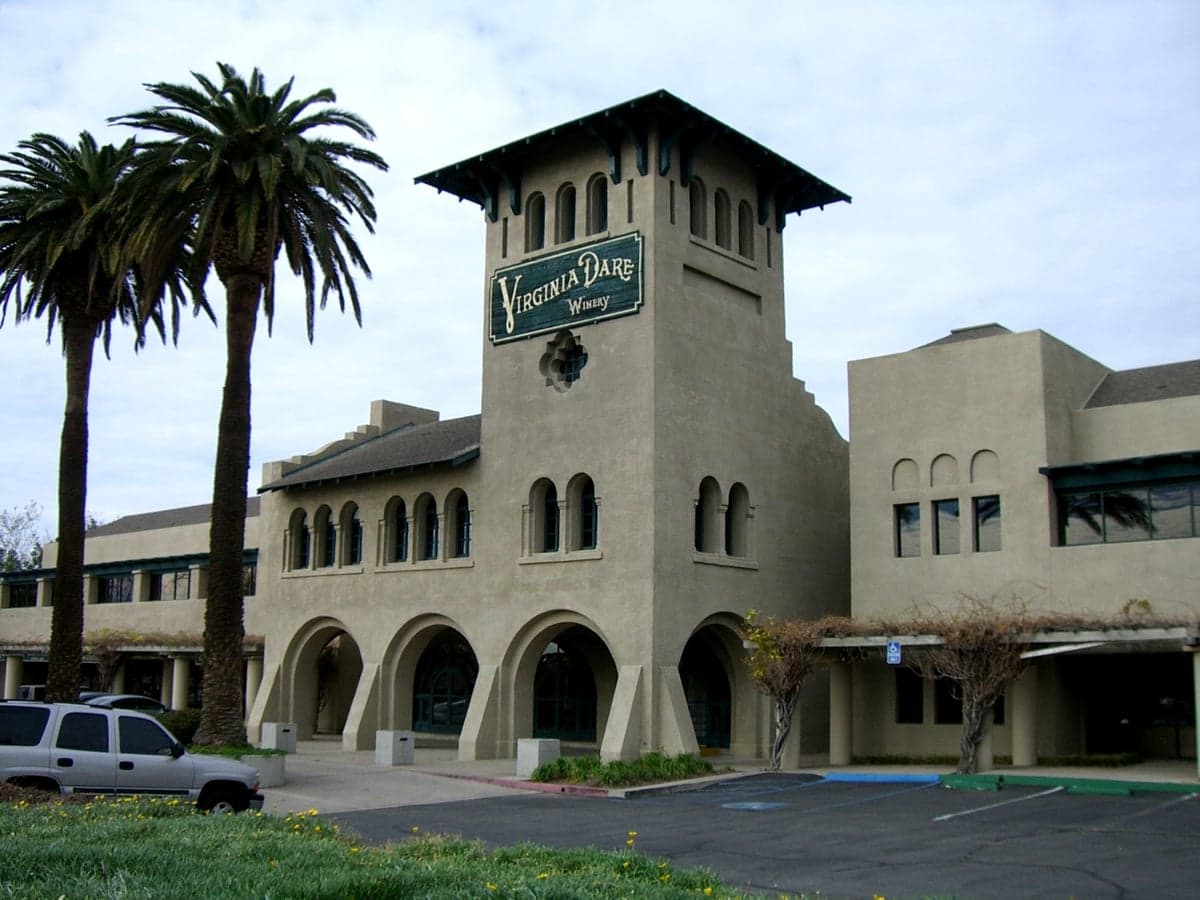
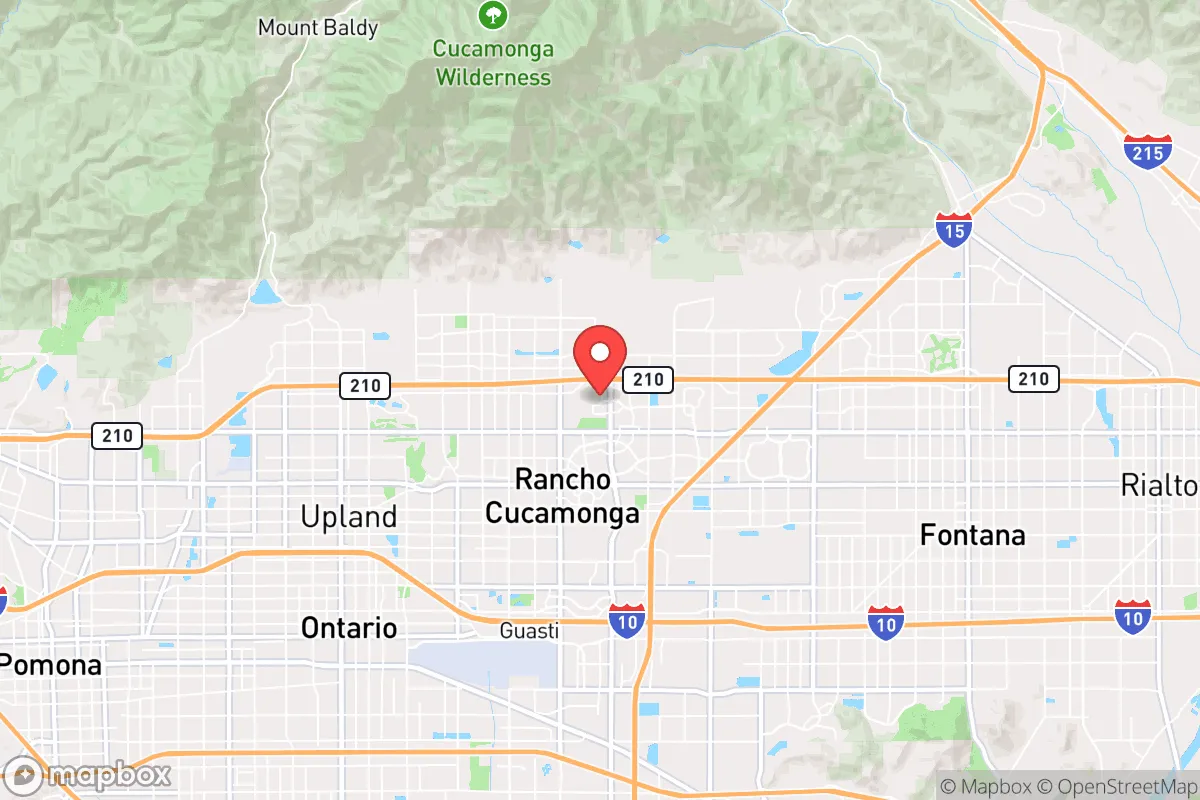
Photo: Wikipedia
Demographics of Rancho Cucamonga, CA
Affluence Level in Rancho Cucamonga, CA
An upper-middle-class area. Household wealth, education levels, and homeownership run ahead of national benchmarks.
People of Rancho Cucamonga, CA
Rancho Cucamonga is a diverse, family-oriented city of 174,693 residents where no single ethnic group holds a majority, creating a distinctive blend of Hispanic (38.4%), White (33.6%), East/Southeast Asian (12.9%), Black (8.0%), and Indian-subcontinent (2.2%) communities. The city is notably less foreign-born than many Southern California suburbs at just 7.4%, and its 37.3% college-educated rate reflects a population that is largely professional and middle-to-upper-middle class. Residents identify strongly with specific neighborhoods and master-planned communities, giving the city a feel of distinct enclaves rather than a single monolithic suburb. For a conservative-leaning individual or family, Rancho Cucamonga offers a stable, relatively affordable alternative to coastal Los Angeles, with a population that values homeownership, safety, and local schools.
How the city was settled and grew
Rancho Cucamonga’s population history begins not with a town but with the 1840s Mexican land grant Rancho Cucamonga, awarded to Tiburcio Tapia. The area remained sparsely populated through the late 19th century, centered on a small adobe settlement near what is now Vineyard Avenue and Foothill Boulevard. The arrival of the Southern Pacific Railroad in the 1880s spurred the first real wave of settlers: Anglo-American farmers and Italian and Swiss immigrants drawn to the region’s citrus and wine industries. These early residents built homes in what is now the Historic District around Archibald Avenue and Baseline Road, where many original Victorian and Craftsman homes still stand. The city incorporated in 1977, making it a latecomer among Southern California suburbs, and its population remained under 30,000 until the 1980s. The original population was overwhelmingly White and native-born, with a small Hispanic community of farmworkers living in the Etiwanda area, named after the Etiwanda Colony founded by George Chaffey in the 1880s.
Modern era (post-1965)
The post-1965 transformation of Rancho Cucamonga was driven by two forces: the 1965 Immigration and Nationality Act, which opened the door to Asian and Latin American immigration, and the massive suburbanization of the Inland Empire from the 1980s onward. The city’s population exploded from 55,250 in 1990 to 127,743 in 2000, fueled by families fleeing higher-cost Los Angeles and Orange counties. This wave brought a surge of Hispanic residents, who now make up 38.4% of the population, many settling in the Day Creek and Deer Creek neighborhoods near the 210 freeway. East and Southeast Asian communities—primarily Chinese, Filipino, and Vietnamese—arrived in the 1990s and 2000s, concentrating in the newer master-planned areas of Los Osos and Victoria, where large homes and top-rated schools like Los Osos High School attracted professional families. The Black population, now 8.0%, grew steadily through domestic migration from Los Angeles and the Inland Empire, with notable concentrations in the Alta Loma district, a historically White area that diversified rapidly after 2000. The Indian-subcontinent community (2.2%) is a smaller but visible presence, often clustered in the Etiwanda area near the Etiwanda School District. The city’s low foreign-born rate (7.4%) indicates that much of this diversity is driven by second- and third-generation families rather than recent immigrants, giving Rancho Cucamonga a more assimilated, English-dominant character than nearby cities like Ontario or Fontana.
The future
Rancho Cucamonga is trending toward a stable, multiethnic middle-class suburb rather than a tribalized enclave city. The Hispanic share is likely to continue its slow increase, potentially reaching 45-48% by 2040, driven by natural growth and continued domestic migration from Los Angeles. The White share will continue its gradual decline from 33.6%, but the city is not experiencing White flight—rather, it reflects an aging White population and younger, more diverse families moving in. The East/Southeast Asian share (12.9%) appears to be plateauing, as newer Asian immigrants increasingly bypass the Inland Empire for more established ethnic hubs in the San Gabriel Valley or Irvine. The Black population (8.0%) is stable and well-integrated, with no signs of concentrated resegregation. The Indian-subcontinent community (2.2%) is growing slowly, primarily through professional families drawn to the tech and healthcare sectors in nearby Ontario and Rancho Cucamonga’s own employment centers. The city’s future is one of gradual homogenization into a broad, English-speaking, homeowning middle class, where ethnic identity matters less than shared values around schools, safety, and property values.
For a conservative-leaning individual or family moving in now, Rancho Cucamonga represents a stable, family-focused suburb where demographic change has been gradual and largely peaceful. The city is not becoming a collection of ethnic enclaves but rather a place where diverse groups share common civic and economic goals. The low crime rate, strong school system, and relatively affordable housing compared to coastal areas make it a practical choice for those who want a suburban lifestyle without the cultural fragmentation seen in some other parts of Southern California.

* Values derived from national, state, county, city and local statistics and may differ in a specific area. Last updated: 2026-04-24T11:02:32.000Z
Narrative content on this page is AI-generated and may contain mistakes. Verify any details that matter before acting on them.
ReloMaps may earn a commission from affiliate links at no extra cost to you.

