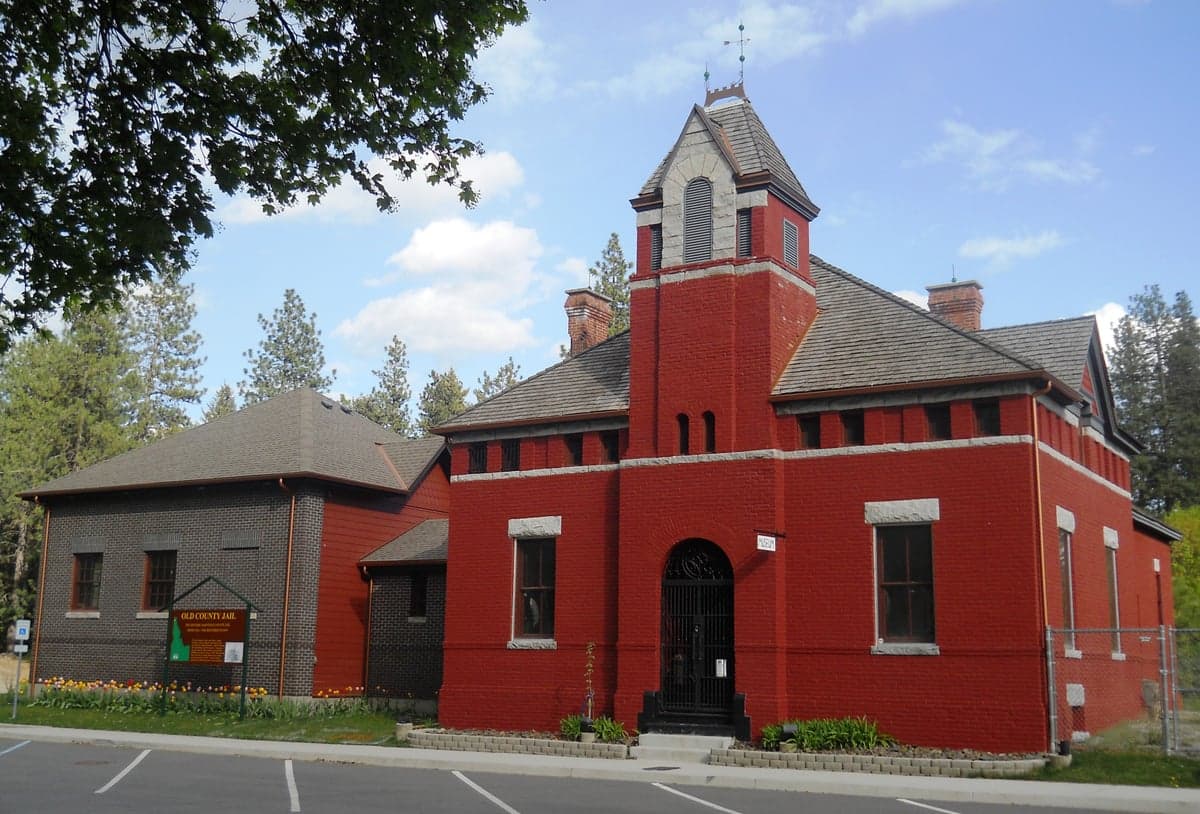
Photo: Wikipedia
Political ClimatePolitical Climate in Rathdrum, ID
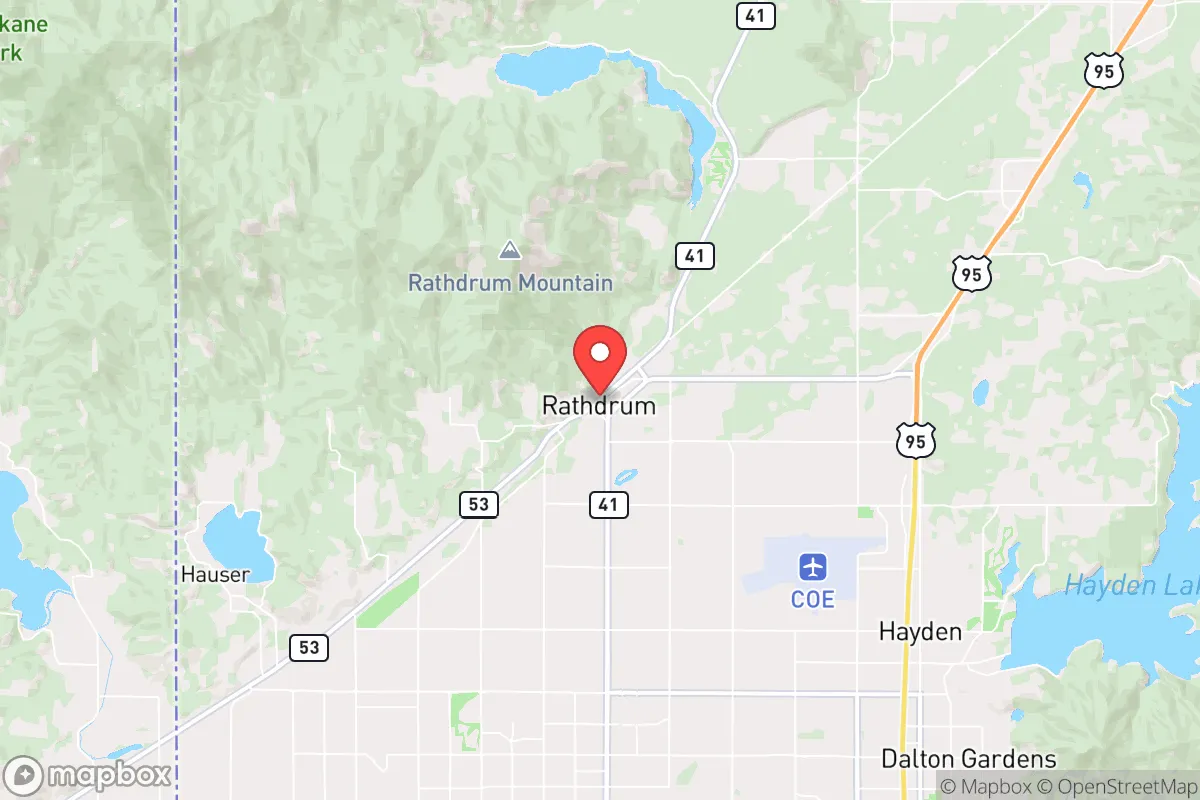
District shown is the primary district for this city’s centroid. Cities may span multiple districts.
Local Political AnalysisPolitical Analysis of Rathdrum, ID
Rathdrum leans heavily conservative, and that’s not just a feeling—it’s baked into the numbers. The area carries a Cook PVI of R+22, meaning it votes about 22 points more Republican than the national average. That’s a deep, stable red, and it’s been that way for as long as most folks around here can remember. You don’t see wild swings from election to election; the political trajectory here is steady, with a strong preference for limited government, local control, and traditional values. If you’re looking for a place where the political winds don’t shift with every national trend, this is it.
How it compares
Rathdrum sits in Kootenai County, which is reliably conservative, but it’s worth noting how it stacks up against nearby spots. Head west to Coeur d’Alene, and you’ll find a more mixed bag—there’s a growing progressive presence there, especially among newer transplants and in the downtown core. Post Falls is similar to Rathdrum but a bit more moderate, with some suburban sprawl bringing in folks from bluer states. Drive east toward Spirit Lake or Athol, and you’re in even deeper red territory, where the R+22 feels almost moderate. The contrast is real: Rathdrum has held its conservative character while places like Coeur d’Alene have seen a slow drift toward more progressive policies, like higher density zoning and bike lane projects that some locals see as government overreach into how people use their land. That shift is concerning to many here, who worry it’s a sign of things to come if the area isn’t careful.
What this means for residents
For the people who live here, the political climate translates into a daily life with fewer regulations and more personal freedom. You won’t find the kind of strict land-use ordinances or business mandates that are common in blue-leaning cities. Property taxes are low, and there’s a general resistance to new taxes or fees that might fund programs residents didn’t ask for. The local government tends to keep its hands off—no mask mandates that lasted forever, no heavy-handed business closures during the pandemic. That’s a big deal for families and small business owners who value the right to make their own choices without a bureaucrat in Boise or Washington, D.C., telling them how to live. The downside? If you’re hoping for rapid public transit or expansive social services, you’ll be disappointed. The trade-off is clear: less government, more personal responsibility.
Culturally, Rathdrum still feels like the Idaho of a generation ago. There’s a strong gun culture, with most folks comfortable with open carry and few restrictions on firearms. The local schools emphasize traditional curricula, and there’s been pushback against any attempt to introduce critical race theory or gender ideology into the classroom—parents here are vocal and organized. You’ll see Trump flags and “Don’t Tread on Me” plates on trucks, and the Fourth of July parade is a big deal. But there’s a quiet worry among long-time residents that the area’s growth—new subdivisions, more Californians—could slowly erode that character. For now, though, Rathdrum remains a place where conservative values aren’t just tolerated; they’re the baseline. If that’s what you’re after, you’ll fit right in.

State Political ClimatePolitical Climate in Idaho
State Political AnalysisPolitical Environment in the State
Idaho has long been one of the most reliably conservative states in the nation, with a Republican trifecta controlling the governorship, supermajorities in both legislative chambers, and a solidly red congressional delegation. Over the past 20 years, the state has shifted even further right, driven by an influx of conservative transplants from California, Washington, and Oregon seeking lower taxes, less regulation, and a culture that aligns with traditional values. The 2024 presidential election saw Idaho vote for Donald Trump by a margin of roughly 30 points, and the state’s partisan lean has only deepened as its population has grown by nearly 20% since 2010.
Urban vs. rural divide
The political map of Idaho is starkly divided between its few urban centers and the vast rural expanse. The Treasure Valley, anchored by Boise, Meridian, and Nampa, is the state’s population hub and the only area where Democrats are competitive. Ada County (Boise) has trended purple in recent cycles, with Biden winning it by 2 points in 2020, though it flipped back to Trump in 2024 by a narrow margin. However, the surrounding counties—Canyon, Gem, Payette—are deeply red, with Trump winning Canyon County (Nampa) by 25 points. The real conservative strongholds are the rural north and east: Idaho Falls, Pocatello, and Coeur d’Alene are all reliably Republican, with the latter seeing a surge of conservative Californians. The Panhandle counties like Bonner and Boundary are also red, though they have a libertarian streak that sometimes bucks the party line on land-use issues. The only reliably blue pocket is the university town of Moscow, home to the University of Idaho, where Latah County votes Democratic by about 10 points.
Policy environment
Idaho’s policy environment is a model of limited government. The state has a flat income tax rate of 5.8%, which was reduced from 6% in 2023, and property taxes are among the lowest in the West. There is no estate tax, no corporate income tax on pass-through entities, and sales tax is a flat 6%. The regulatory climate is business-friendly, with no state-level minimum wage above the federal $7.25 and a right-to-work law that keeps unions weak. On education, Idaho has a robust school choice movement: the 2023 “Parental Choice Tax Credit” program provides up to $5,000 per child for private school expenses, and the state has expanded charter schools significantly. However, the public school system ranks near the bottom nationally in per-pupil spending, which some see as a feature, not a bug. Healthcare policy is similarly hands-off: Idaho did not expand Medicaid until 2020, and then only through a voter initiative that the legislature has since tried to restrict. Election laws are strict: voter ID is required, same-day registration is not allowed, and mail-in ballots are limited to absentee only. The state also passed a law in 2023 banning ranked-choice voting, a preemptive strike against progressive electoral reforms.
Trajectory & freedom
Idaho is arguably becoming more free, at least by conservative measures. The 2023 legislative session was a banner year for personal liberty: the Second Amendment Preservation Act was strengthened, prohibiting state enforcement of any future federal gun bans. The Parental Rights in Education Act (similar to Florida’s “Don’t Say Gay” law) was passed, barring classroom instruction on sexual orientation and gender identity in K-3. Medical freedom saw a win with the Medical Freedom Act, which prohibits employers from mandating COVID-19 vaccines as a condition of employment. On property rights, the state passed a law limiting the use of eminent domain for private economic development. However, there are concerning trends: the legislature has shown a willingness to preempt local ordinances, overriding progressive city councils in Boise and Moscow on issues like housing density and plastic bag bans. The state also passed a law in 2024 banning “gender-affirming care” for minors, which is a win for parental rights but has drawn legal challenges. Overall, the trajectory is toward more individual autonomy, but with a strong emphasis on local control being subordinated to state-level conservative priorities.
Civil unrest & political movements
Idaho has a history of fringe movements, but the mainstream is solidly conservative. The most visible flashpoint in recent years was the 2020 protests in Boise, where Black Lives Matter demonstrations turned into clashes with counter-protesters, including the far-right “Patriot Prayer” group. The state has seen a rise in organized conservative activism, particularly around school board meetings, where parents have mobilized against critical race theory and LGBTQ curriculum. The Idaho Freedom Foundation, a powerful conservative think tank, has been instrumental in pushing legislation on tax cuts and school choice. Immigration politics are tense: the state passed a law in 2024 requiring local law enforcement to cooperate with ICE, and there are no sanctuary cities. The Constitutional Sheriffs and Peace Officers Association has a strong presence in rural counties, with sheriffs in places like Bonner County publicly refusing to enforce certain state or federal laws they deem unconstitutional. Election integrity is a hot-button issue: the 2022 primary saw a purge of 80,000 inactive voters, and the legislature has considered bills to hand-count ballots, though none have passed. A new resident would notice the prevalence of “Don’t Tread on Me” flags and “Let’s Go Brandon” signs, especially outside the Treasure Valley.
Projection
Over the next 5-10 years, Idaho will likely become even more conservative, but with growing internal tensions. The in-migration from blue states shows no signs of slowing, and while many of these newcomers are conservative, they bring higher housing costs and infrastructure strain that could fuel a backlash against growth. The Boise metro will continue to purple, but the legislature will likely preempt any progressive local policies, as seen with the 2024 law banning Boise’s “15-minute city” zoning reforms. The rural-urban divide will widen, with rural counties pushing for a constitutional convention or even talk of secession from the more liberal parts of the state—the “Greater Idaho” movement, which proposes moving eastern Oregon counties into Idaho, has gained traction. Demographic shifts are key: Idaho is one of the whitest states in the nation (over 90%), but the Hispanic population is growing, particularly in Canyon County, which could shift the political calculus over time. For now, expect continued tax cuts, further restrictions on abortion (already banned at 6 weeks), and a hardening of the state’s stance on federal overreach. Someone moving in now should expect a state that is doubling down on its conservative identity, but with a simmering debate over how to manage growth without losing the very freedoms that attracted people here.
For a new resident, the bottom line is this: Idaho offers a high degree of personal freedom, low taxes, and a culture that respects traditional values, but it’s not without its challenges. The housing market is tight, wages haven’t kept pace with cost of living, and the political climate can feel insular if you’re not aligned with the dominant conservative ethos. If you’re looking for a place where your rights are protected, your taxes are low, and your kids won’t be exposed to progressive ideology in school, Idaho is a strong bet. Just be prepared for cold winters, a growing population, and a political scene that’s as rugged as the landscape.
* Values derived from national, state, county, city and local statistics and may differ in a specific area. Last updated: 2026-05-03T04:52:33.000Z
Narrative content on this page is AI-generated and may contain mistakes. Verify any details that matter before acting on them.
ReloMaps may earn a commission from affiliate links at no extra cost to you.

