Photo: Wikipedia
Quality of Life in Raton, NM
A high quality of life with strong walkability, manageable living costs, healthy neighborhood signals, and solid amenity access.
What does Quality of Life tell us?
Quality of Life blends cost of living, nearby amenities, socioeconomic signals, and neighborhood character. City-level scores represent the whole municipality; individual neighborhoods can differ.
What does this tell us?
Quality of Life blends cost of living, nearby amenities, socioeconomic signals, and neighborhood character. City-level scores represent the whole municipality; individual neighborhoods can differ.
Cost of Living
41% below national average
The Real Cost of Living in Raton, NM for 2026
| Tier | Individual | Family (4) |
|---|---|---|
| Survival | $12k | $22k |
| Comfortable | $29k | $42k |
| Luxury | $73k+ | $113k+ |
| Elite (Top 5%) | $86k+ | $133k+ |
123%
The Area Signal
A metric tracking the socioeconomic signals of the area.
Hobbies
Explore the areaGroceries
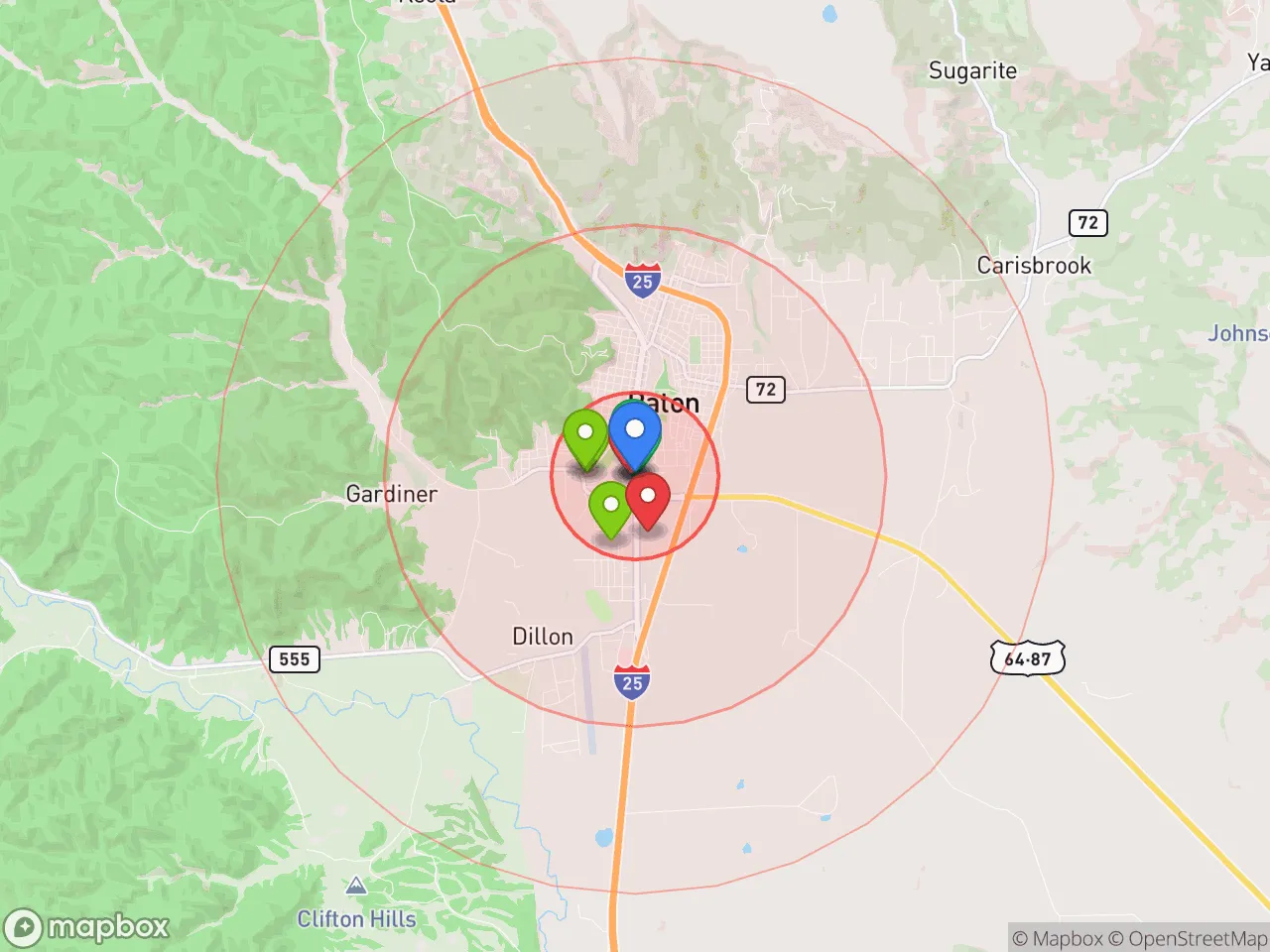
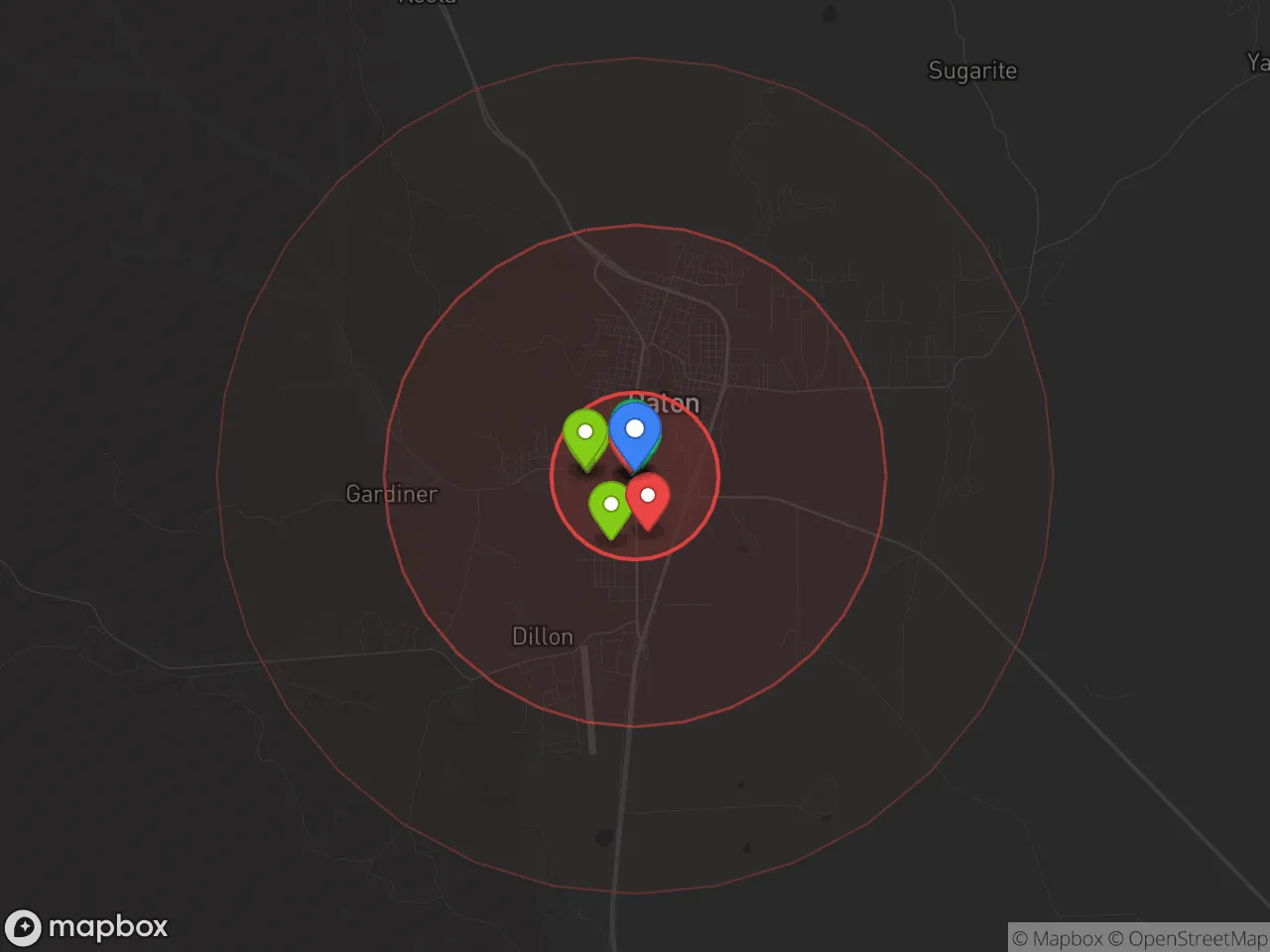
0 within 10 miles
Gas
10 within 10 miles
Hospital
2 within 20 miles
Airport
SAN — San Luis Valley Regional
Post Office
USPS — Raton, NM
Critical Amenities
Quality-of-Life Analysis
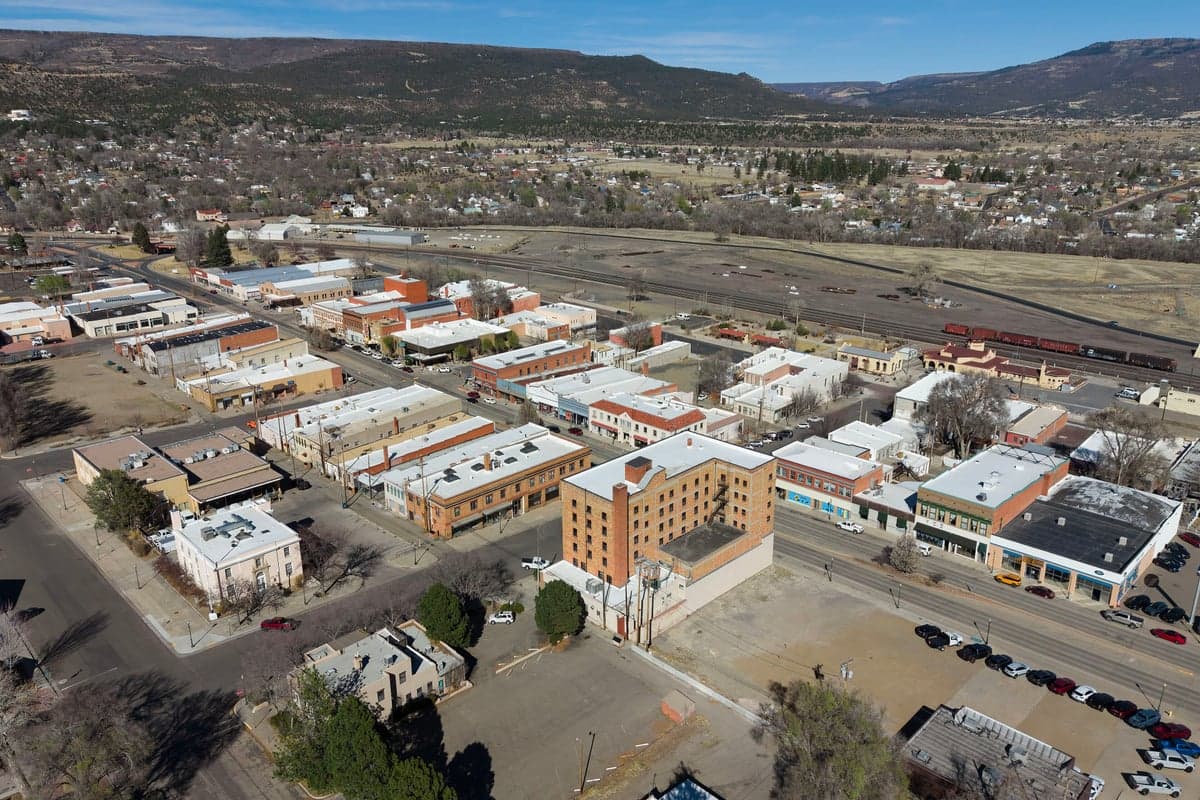
Raton, New Mexico, is a low-cost, working-class community in the northeastern corner of the state, where the cost of living index sits at 59—41% below the U.S. average. The population, roughly 6,000, is predominantly older, with a median age near 45, and the economy is anchored by government, healthcare, and the Burlington Northern Santa Fe Railway. Affluence is modest: the median household income hovers around $40,000, well below the national median, and the area attracts retirees, railroad workers, and outdoor enthusiasts seeking quiet, affordable living near the Colorado border.
Cost of living and housing affordability compared to nearby towns
Raton’s cost of living is among the lowest in New Mexico, driven by housing costs that are a fraction of national averages. The median home value is $148,200, compared to the U.S. median of roughly $350,000, and the median rent is $734 per month—about half the national figure. For context, homes in nearby Trinidad, Colorado (25 miles north) average around $220,000, and in Santa Fe (120 miles southwest) the median exceeds $450,000. Utilities and groceries also run below national averages, though gasoline prices often track regional trends. The average commute in Raton is 23 minutes, slightly longer than the national average of 26 minutes, reflecting the town’s rural layout and the fact that many residents drive to jobs in Trinidad or to the coal mines and rail yards outside town. Property taxes are low—New Mexico’s effective rate is about 0.55%—which keeps monthly housing costs manageable even for fixed-income households.
Local amenities, schools, and what daily life feels like
Daily life in Raton centers on a compact downtown with a historic railroad depot, a handful of local restaurants, and basic services like a grocery store, pharmacy, and hardware store. The Raton Public Schools district serves about 1,200 students across three elementary schools, one middle school, and Raton High School (enrollment ~350), with a student-teacher ratio of 14:1. For healthcare, the Miners’ Colfax Medical Center provides emergency and primary care, though specialists require a drive to Trinidad or Pueblo, Colorado. Outdoor recreation is a major draw: the 278,000-acre Maxwell National Wildlife Refuge is 20 minutes south, and the Sangre de Cristo Mountains offer hiking and fishing within 30 minutes. The town’s rhythm is slow—most businesses close by 6 p.m., and the nearest major shopping (Walmart, chain restaurants) is in Trinidad. Cultural amenities are limited to a small museum, a community theater, and annual events like the Raton Balloon Rally and the NRA Whittington Center’s shooting competitions.
Raton is best suited for retirees, remote workers, and outdoor enthusiasts who prioritize low housing costs and a quiet pace over urban amenities. Families with school-age children may find the limited job market and modest school resources a drawback, while those reliant on specialized healthcare or frequent air travel will need to budget for drives to Pueblo (1.5 hours) or Denver (3.5 hours). For anyone seeking an affordable, low-stress base near the Colorado border with easy access to national forest and wildlife areas, Raton offers a compelling, if basic, quality of life.

Crime in Raton, NM
Generally safer than 70% of comparable U.S. locations.
Violent CrimeViolent Crime Analysis
Property CrimeProperty Crime Analysis
Crime Analysis
Raton, New Mexico, presents a mixed safety picture that requires careful consideration for potential residents. The city's violent crime rate of 466.7 per 100,000 residents is significantly higher than the national average, while its property crime rate of 1,183.5 per 100,000 also exceeds typical benchmarks. These figures place Raton in a category where proactive safety awareness is essential, though the community's small size and rural setting offer some mitigating factors not found in larger, more congested areas.
Crime in context
To understand Raton's safety landscape, it is crucial to compare its rates to state and national averages. The national violent crime rate sits at approximately 380 per 100,000, meaning Raton's rate is about 23% higher. Property crime nationally averages around 1,954 per 100,000, so Raton's rate is actually 39% lower than the national figure. However, New Mexico as a whole has historically struggled with elevated crime rates, and Raton's violent crime rate is notably higher than the state average of roughly 400 per 100,000. This suggests that while property crime is less of a concern than in many other places, violent incidents—including aggravated assault and robbery—occur at a frequency that warrants attention.
What residents experience
Daily life in Raton involves a heightened awareness of personal safety, particularly regarding property crimes like burglary and theft, which remain the most common offenses. The city's location along the I-25 corridor can contribute to transient crime, with some incidents linked to travelers passing through. Residents often report that while violent crime is not a constant presence, it is not rare either, and neighborhood watch programs and community policing efforts are active but have limited resources. The local police department works to maintain a visible presence, but the small-town dynamic means that many crimes are known within the community quickly, which can both aid in prevention and create a sense of unease.
Neighborhood-level variation
Crime in Raton is not uniformly distributed. The downtown core and areas near the historic railroad depot see higher foot traffic and associated petty theft, while residential neighborhoods on the outskirts, such as those near the Raton Municipal Golf Course or along the foothills, tend to experience fewer incidents. Properties near the interstate and commercial zones report more break-ins and vehicle-related crimes. For those considering a move, consulting local police reports and speaking with long-term residents about specific blocks is advisable, as the difference between a quiet street and a higher-risk area can be stark within this small city. Overall, while Raton offers a slower pace of life, its crime data demands that newcomers take standard urban precautions seriously.
* Values derived from national, state, county, city and local statistics and may differ in a specific area. Last updated: 2026-05-01T02:59:03.000Z
Narrative content on this page is AI-generated and may contain mistakes. Verify any details that matter before acting on them.
ReloMaps may earn a commission from affiliate links at no extra cost to you.

