Photo: Wikipedia
Find The Best Places To Live
in Raton
PRO TIP! You can paste a Zillow or Redfin link to get info on that property.
What It's Like Living in Raton, NM
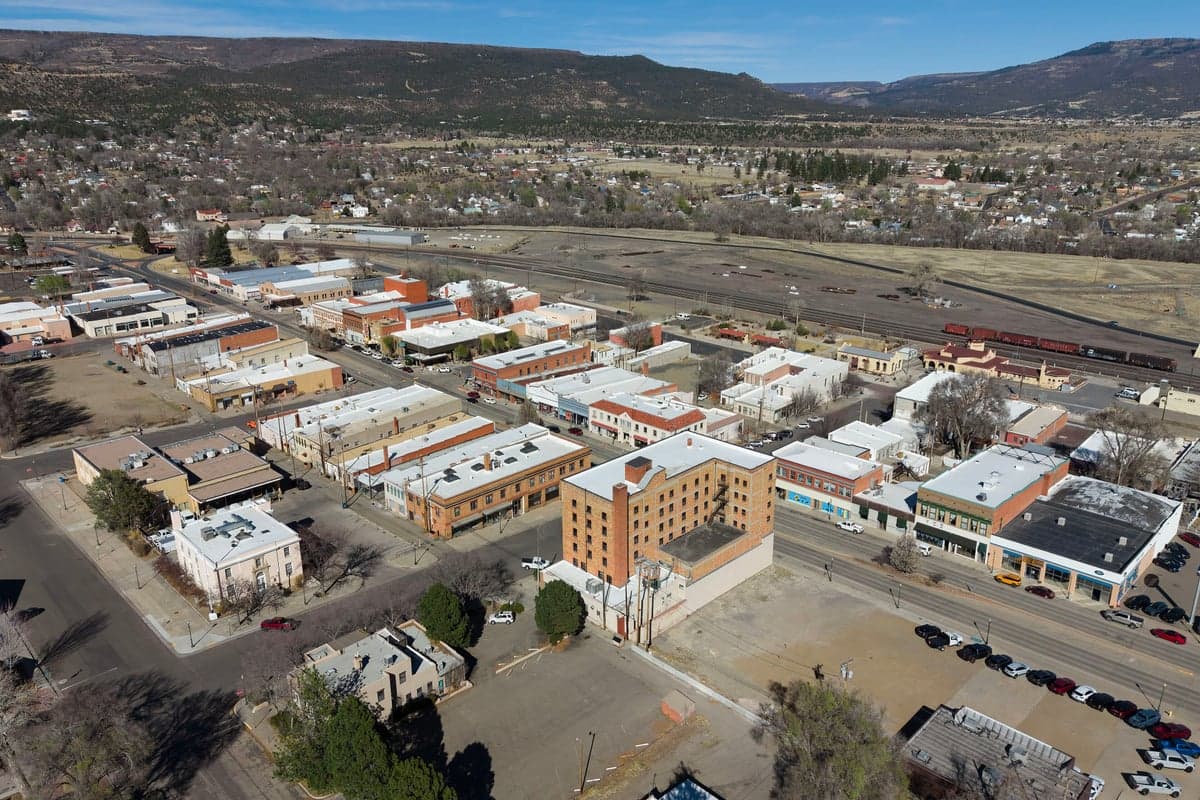
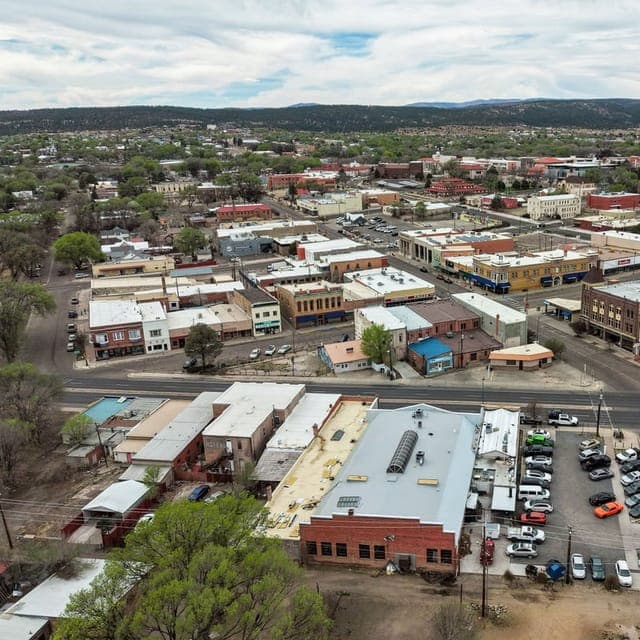
Raton feels like a place that time didn’t forget, but in a good way—a small, high-desert town where people still wave from their trucks and the biggest traffic jam is a herd of elk crossing the highway. With about 6,000 residents, it’s the kind of community where you can’t go to the grocery store without running into someone you know, and that’s either comforting or claustrophobic depending on what you’re looking for. Life here moves at a deliberate, unhurried pace, shaped by the seasons, the mountains, and a deep sense of self-reliance that’s more Western frontier than modern suburbia.
The Daily Rhythm: Slow Mornings and Hard Work
Most mornings in Raton start with a stop at a local diner like Oasis Restaurant or Pappas’ Sweet Shop, where the coffee is strong and the conversation is about the weather, the high school football game, or who’s fixing what on their ranch. The median age here is 44.8, so you’ll see a mix of retirees who’ve been here for decades and younger families working in healthcare, the railroad, or the nearby coal mines. The median household income sits at $52,007, which goes a long way thanks to a cost of living index of 59—nearly half the national average. That means a median home value of $148,200 can actually get you a decent three-bedroom with a yard, something that’s a pipe dream in most of the country.
Workdays are short on commute time—the average drive is just over 23 minutes, but most people live within a five-minute drive of their job. The big employers are the Raton Public Schools, the local hospital (Miners’ Colfax Medical Center), and the state prison. A fair number of residents also commute to Trinidad, Colorado, about 30 minutes north, for work. After 5 p.m., the town quiets down fast. The grocery store is Smith’s, and for anything else, you’re either ordering online or driving two hours to Santa Fe or Colorado Springs.
Sports, Community, and What People Actually Do for Fun
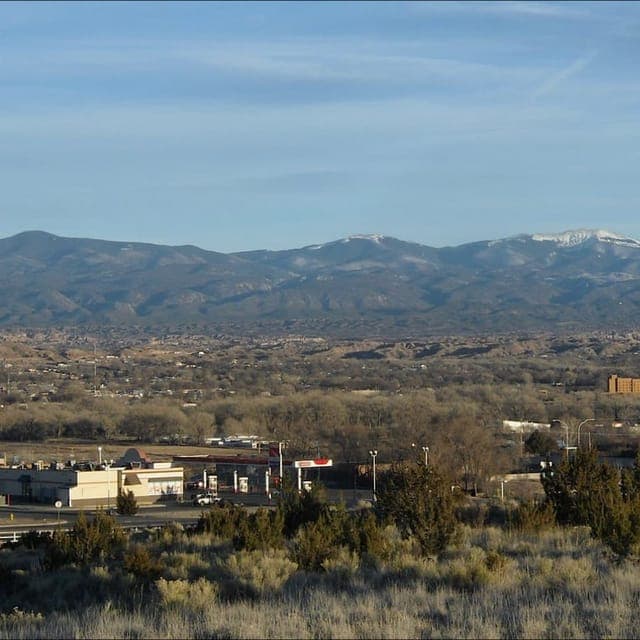
High school sports are a genuine centerpiece of life here. Raton High School Tigers football and basketball games pack the bleachers on Friday nights, and the whole town shows up—grandparents, local business owners, even people who don’t have kids in school. It’s not just entertainment; it’s the social calendar. There’s no pro or college team nearby, so the Tigers are it, and people take it seriously. The annual Raton Balloon Rally in late summer is another big draw, filling the sky with hot air balloons against the backdrop of the Sangre de Cristo Mountains, and the NRA Whittington Center—a massive shooting sports facility just south of town—brings in visitors from across the country for competitions and training.
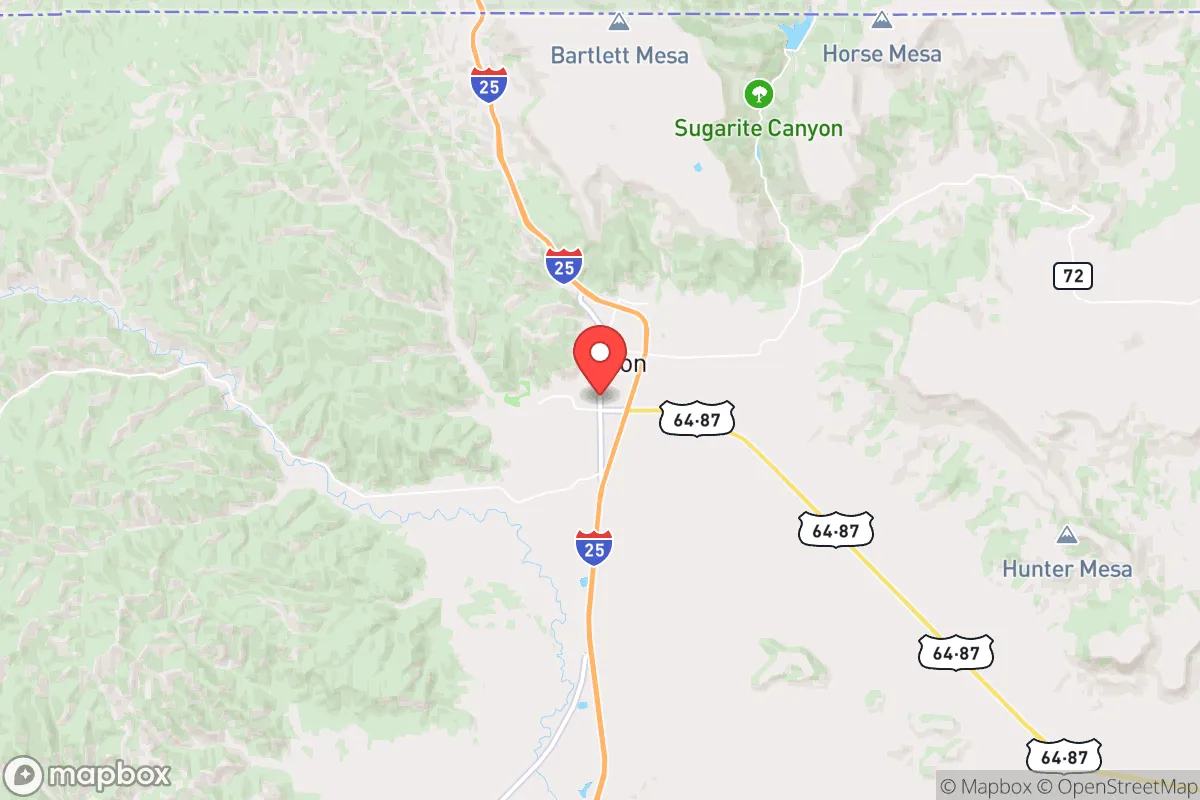
For outdoor types, the Sugarite Canyon State Park is a ten-minute drive and offers hiking, fishing, and camping in a canyon that feels a world away from town. Locals also spend weekends hunting (deer, elk, turkey) or riding ATVs on the miles of dirt roads that crisscross the surrounding national forest. The bar scene is low-key: The Old Pass Gallery doubles as a wine bar and art space, and Raton’s Sports Bar & Grill is where you’ll find folks watching NFL games or shooting pool. There’s no music venue to speak of, so live music is usually a cover band at the VFW hall or a friend’s living room.
Pros and Cons of Living Here: The Honest Trade-Offs
What longtime residents love: The quiet. The safety (despite a violent crime rate of 466.7 per 100,000—which is higher than the national average, but most locals will tell you it’s concentrated in a few areas and not random street violence). The cost of living means you can actually own a home and have breathing room. The community is tight-knit in a real way: if your car breaks down, someone will stop. The weather is four genuine seasons—snowy winters, mild springs, warm summers, and spectacular fall colors in the canyon.
What frustrates people: The lack of jobs. Only 18.8% of adults have a college degree, and the economy leans heavily on government, healthcare, and retail. If you’re not in those fields, you’re likely commuting or working remote. The nearest airport with commercial flights is in Colorado Springs (two hours), and the nearest Costco or Target is in Santa Fe (also two hours). Healthcare options are limited—specialists usually require a drive. And while the town is politically conservative (Colfax County voted red in the last few presidential cycles), the state government in Santa Fe is solidly blue, which creates a constant tension over gun laws, energy policy, and land use that locals grumble about over coffee.
Who fits in here: Raton works best for people who value space, quiet, and self-sufficiency over convenience and nightlife. It’s a good fit for retirees on a fixed income, remote workers who don’t mind a slow internet connection (fiber is spotty), and families who want their kids to grow up in a place where everyone knows their name. It’s less ideal for young singles looking for a dating scene or anyone who needs urban amenities within a short drive. The cultural quirk here is a fierce pride in the town’s railroad and mining history—the old Raton Pass was a key route on the Santa Fe Trail, and locals still talk about the coal strikes and the railroad’s heyday like it was yesterday. That grit and independence is the real identity of the place, for better or worse.

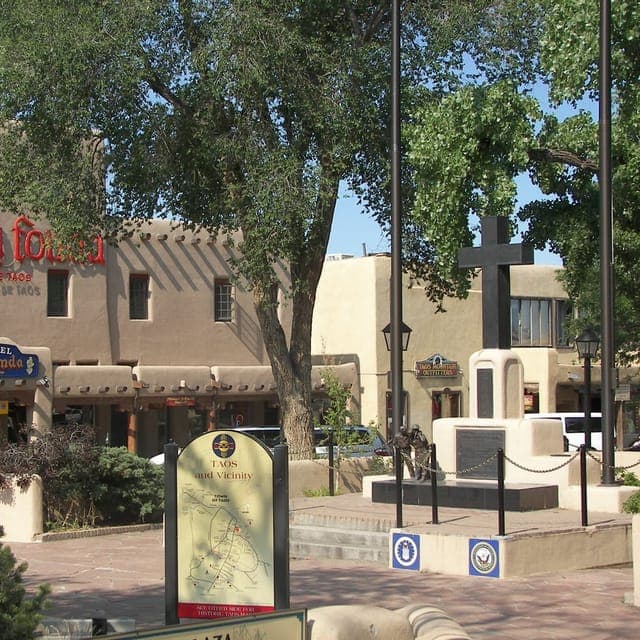
Similar small towns to Raton
* Values derived from national, state, county, city and local statistics and may differ in a specific area. Last updated: 2026-05-01T02:59:03.000Z
Narrative content on this page is AI-generated and may contain mistakes. Verify any details that matter before acting on them.
ReloMaps may earn a commission from affiliate links at no extra cost to you.

