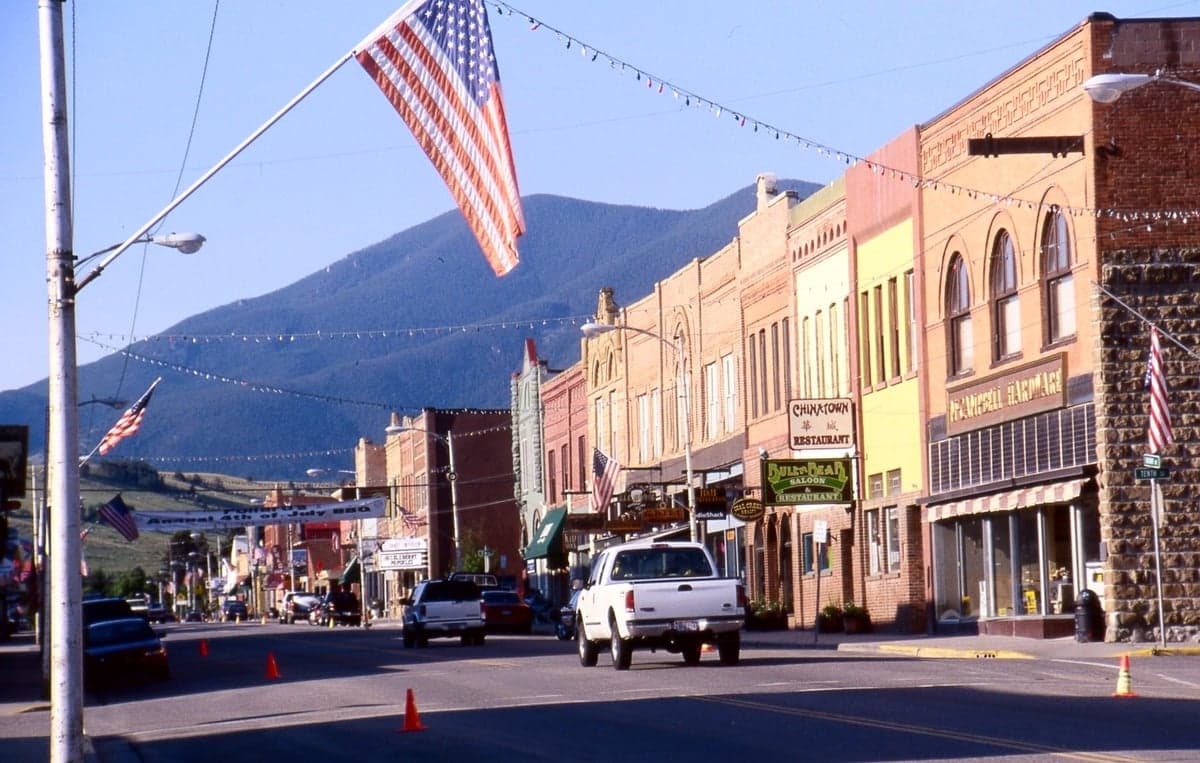
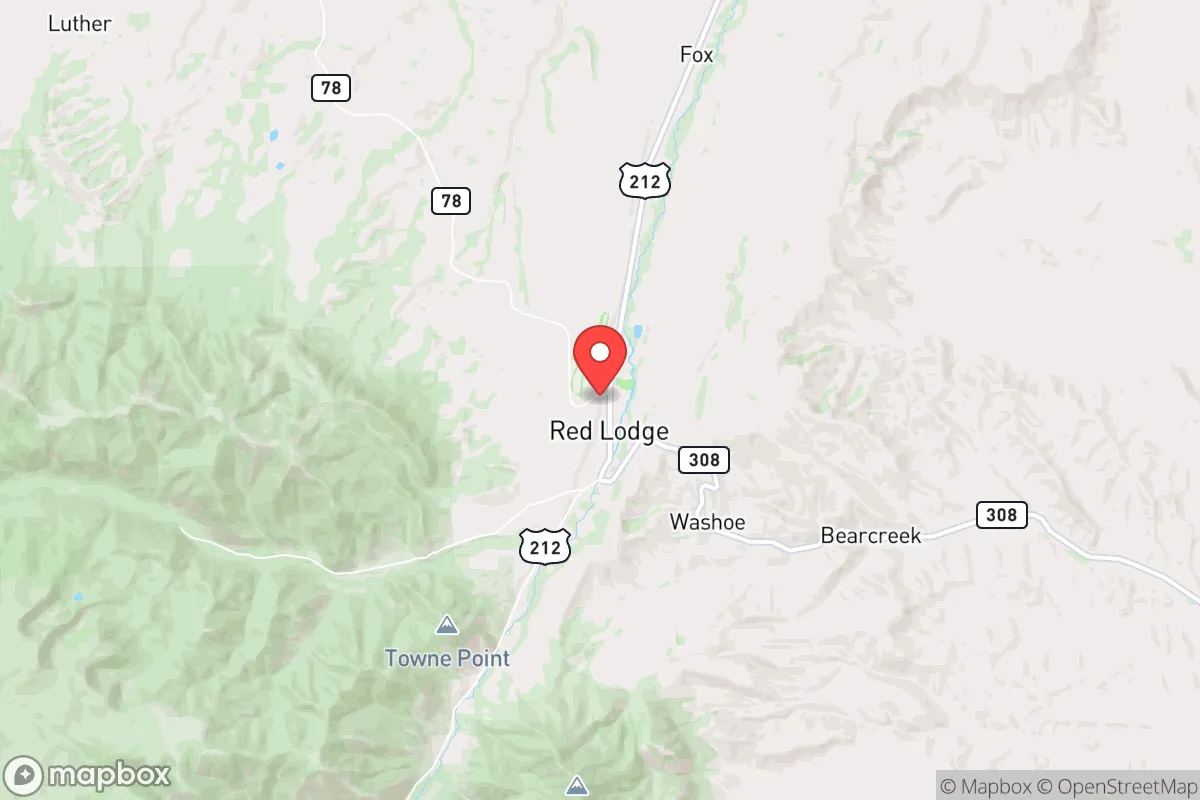
Photo: Wikipedia
Quality of Life in Red Lodge, MT
A high quality of life with strong walkability, manageable living costs, healthy neighborhood signals, and solid amenity access.
What does Quality of Life tell us?
Quality of Life blends cost of living, nearby amenities, socioeconomic signals, and neighborhood character. City-level scores represent the whole municipality; individual neighborhoods can differ.
What does this tell us?
Quality of Life blends cost of living, nearby amenities, socioeconomic signals, and neighborhood character. City-level scores represent the whole municipality; individual neighborhoods can differ.
Cost of Living
5% below national average
The Real Cost of Living in Red Lodge, MT for 2026
| Tier | Individual | Family (4) |
|---|---|---|
| Survival | $13k | $24k |
| Comfortable | $73k | $107k |
| Luxury | $79k+ | $123k+ |
41%
The Area Signal
A metric tracking the socioeconomic signals of the area.
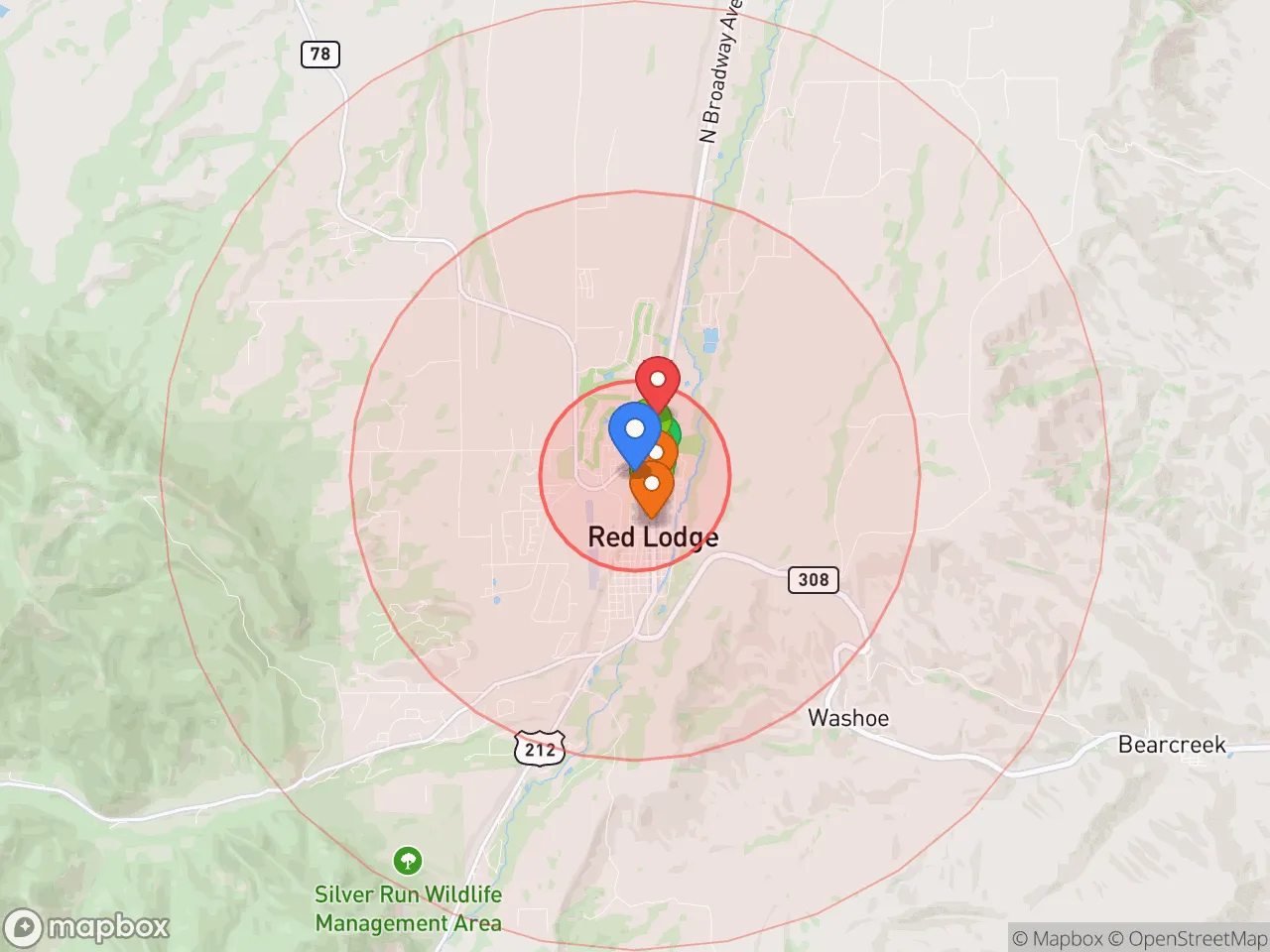
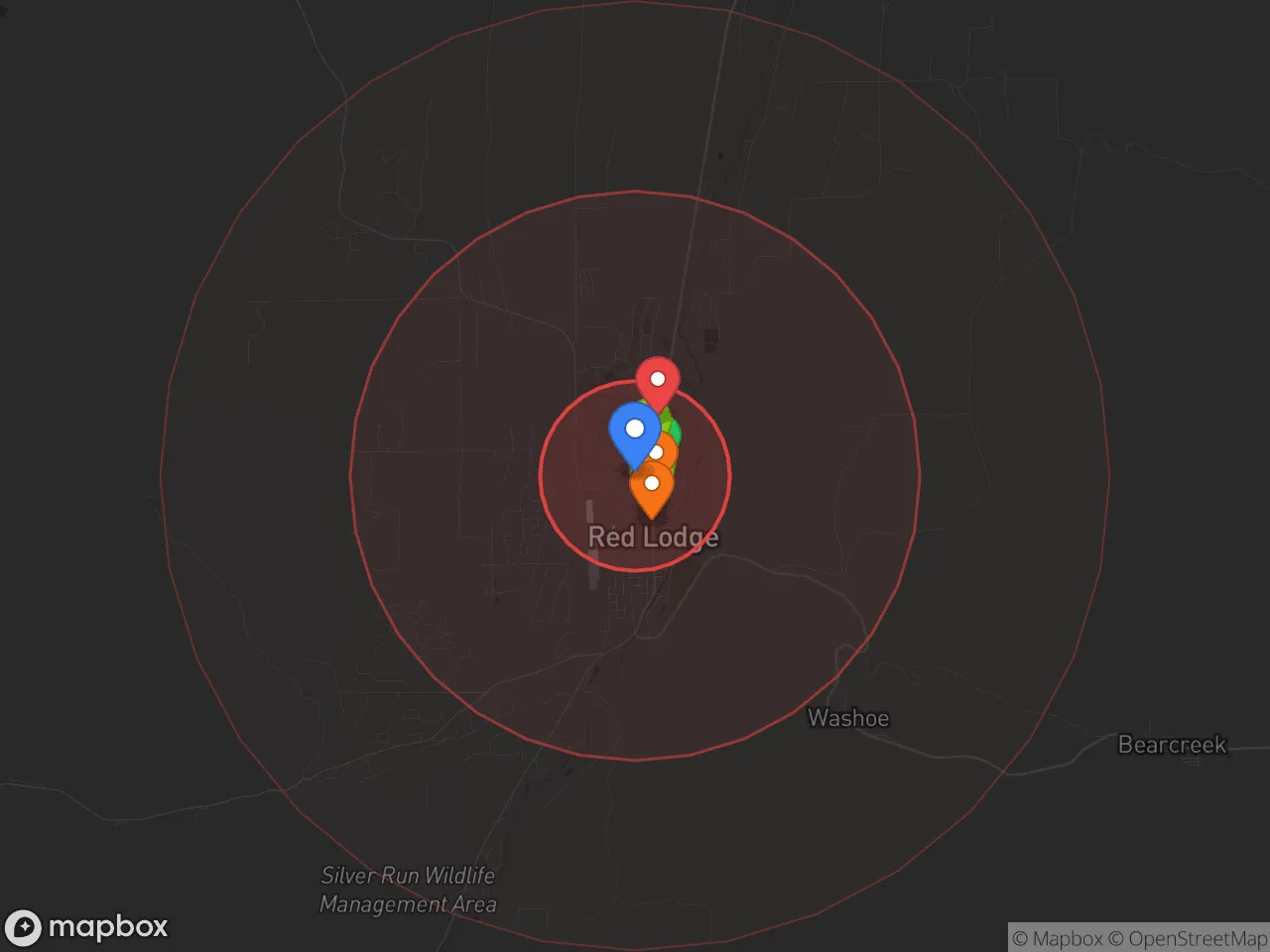
Hobbies
Explore the areaGroceries
1 within 10 miles
Gas
1 within 10 miles
Hospital
1 within 20 miles
Airport
SLC — Salt Lake City International
Post Office
USPS — Red Lodge, MT
Critical Amenities
Quality-of-Life Analysis
Red Lodge, Montana, presents a distinctive quality-of-life profile shaped by its position as a gateway to the Beartooth Mountains and its role as a small, affluent resort community. The town attracts a mix of second-home owners, outdoor recreationists, and remote workers drawn to its scenic setting and slower pace, though its economy and demographics reflect a clear divide between long-term residents and newer, wealthier arrivals. With a cost-of-living index of 95—slightly below the national average—Red Lodge offers relative affordability compared to Bozeman or Jackson Hole, but housing costs have risen sharply in recent years, reshaping who can afford to live here full-time.
Cost of living, housing affordability, and how Red Lodge compares to nearby towns
Red Lodge’s cost-of-living index of 95 (100 = U.S. average) is deceptive: while groceries and utilities are near national norms, housing is the dominant expense. The median home value of $374,900 is roughly 30% lower than Bozeman’s median but still high for a town of 2,300 people, reflecting demand from out-of-state buyers and limited inventory. Renters fare better, with a median rent of $805—well below the national average—though rental vacancies are scarce, especially during ski and summer tourism seasons. Compared to nearby towns like Columbus (median home value ~$280,000) or Laurel (~$320,000), Red Lodge commands a premium for its mountain access and historic downtown. The average commute of 19 minutes is short by national standards, but many workers in service and construction jobs commute from more affordable areas like Joliet or Bridger, as local wages in hospitality and retail often lag behind housing costs.
Local amenities, schools, and what daily life feels like for residents
Daily life in Red Lodge revolves around outdoor recreation and a compact, walkable downtown. The town’s public schools—Red Lodge Elementary and Red Lodge High School—serve roughly 700 students and maintain above-average graduation rates (around 90%), though advanced course offerings are limited compared to larger districts. The Beartooth Highway (U.S. Route 212) provides direct access to Yellowstone National Park and world-class hiking, fishing, and skiing at Red Lodge Mountain Resort, which operates about 70 trails and a 2,400-foot vertical drop. Local amenities include a small hospital (Beartooth Billings Clinic), a public library, and a handful of independent shops and restaurants along Broadway Avenue. The town lacks a major grocery chain—residents often drive 30 minutes to Laurel for Walmart or Costco—and internet options are limited to Spectrum cable and slower DSL, which can frustrate remote workers. The social rhythm is quiet and seasonal: summer brings festival crowds and packed trailheads, while winter slows to a near-halt, with many businesses closing early or reducing hours.
Red Lodge is best suited for those who prioritize mountain recreation and small-town quiet over urban conveniences and career diversity. Retirees, second-home owners, and self-employed professionals with flexible incomes will find the most comfort here, as the housing market and limited job base make it difficult for younger families or service workers to establish roots. The town’s isolation—two hours from Billings, the nearest metro area—means residents must be comfortable with self-sufficiency, but for those who value direct access to the Beartooths and a tight-knit community, the trade-offs are often worth it.

Crime in Red Lodge, MT
Lower crime rates than 85% of comparable U.S. locations.
Violent CrimeViolent Crime Analysis
Property CrimeProperty Crime Analysis
Crime Analysis
Red Lodge, Montana, presents a notably low-crime profile compared to both state and national averages, with violent crime rates roughly half the national median and property crime rates significantly below the Montana state average. The town's 2023 data shows a violent crime rate of 321.3 per 100,000 residents and a property crime rate of just 178.5 per 100,000, placing it among the safer communities in Carbon County. This overall safety picture is reinforced by the town's small population (approximately 2,300 residents) and its geographic isolation from major metropolitan areas, which limits exposure to the crime patterns common in larger urban centers.
Crime in context
When compared to national figures, Red Lodge's violent crime rate of 321.3 per 100,000 is roughly 8% lower than the U.S. average of 380 per 100,000, while its property crime rate of 178.5 per 100,000 is approximately 70% below the national average of 1,954 per 100,000. The town's property crime rate is also well under the Montana state average of 1,850 per 100,000. This low property crime figure is particularly notable given that Red Lodge is a popular tourist destination for skiing at Red Lodge Mountain and as a gateway to Yellowstone National Park, which typically drives higher rates of theft and burglary in seasonal resort communities. The town's violent crime is predominantly driven by simple assault (accounting for roughly 70% of incidents), with robbery and homicide being extremely rare events—the last reported homicide in Red Lodge occurred in 2018.
What residents experience
Residents of Red Lodge report that crime is not a dominant concern in daily life, with most incidents being non-violent and opportunistic in nature. The most common property crimes are theft from unlocked vehicles and minor vandalism, particularly during peak tourist seasons (June through September and December through February). Red Lodge has no reported gang activity and drug-related offenses are primarily limited to small-scale marijuana possession (legal under state law since 2021) and occasional methamphetamine possession cases. The Carbon County Sheriff's Office and Red Lodge Police Department maintain a visible presence, with response times averaging under 5 minutes within town limits. Neighborhood watch programs are active in the historic downtown district and the West Side residential area, though formal participation is modest.
Neighborhood-level variation in Red Lodge is minimal due to the town's compact size and homogeneous housing stock. The area around the downtown commercial corridor (Broadway Avenue) sees slightly higher rates of petty theft and public intoxication, particularly on summer weekends. The residential neighborhoods east of Highway 212 and the newer subdivisions near the golf course report virtually no violent crime and property crime rates below the town average. The town's isolation from large metro areas—the nearest major city is Billings, 60 miles northeast—means it does not experience the crime spillover effects common in suburban communities near high-crime urban centers. This geographic buffer, combined with a conservative local justice system that emphasizes prosecution over diversion programs, contributes to Red Lodge's consistently low crime statistics and high resident perception of safety.
* Values derived from national, state, county, city and local statistics and may differ in a specific area. Last updated: 2026-04-30T05:10:48.000Z
Narrative content on this page is AI-generated and may contain mistakes. Verify any details that matter before acting on them.
ReloMaps may earn a commission from affiliate links at no extra cost to you.

