Photo: Wikipedia
Quality of Life in Ridgewood, NJ
A high quality of life with strong walkability, manageable living costs, healthy neighborhood signals, and solid amenity access.
What does Quality of Life tell us?
Quality of Life blends cost of living, nearby amenities, socioeconomic signals, and neighborhood character. City-level scores represent the whole municipality; individual neighborhoods can differ.
What does this tell us?
Quality of Life blends cost of living, nearby amenities, socioeconomic signals, and neighborhood character. City-level scores represent the whole municipality; individual neighborhoods can differ.
Cost of Living
146% above national average
The Real Cost of Living in Ridgewood, NJ for 2026
| Tier | Individual | Family (4) |
|---|---|---|
| Survival | $37k | $70k |
| Comfortable | $171k | $252k |
| Luxury | $392k+ | $608k+ |
| Elite (Top 5%) | $465k+ | $721k+ |
86%
The Area Signal
A metric tracking the socioeconomic signals of the area.
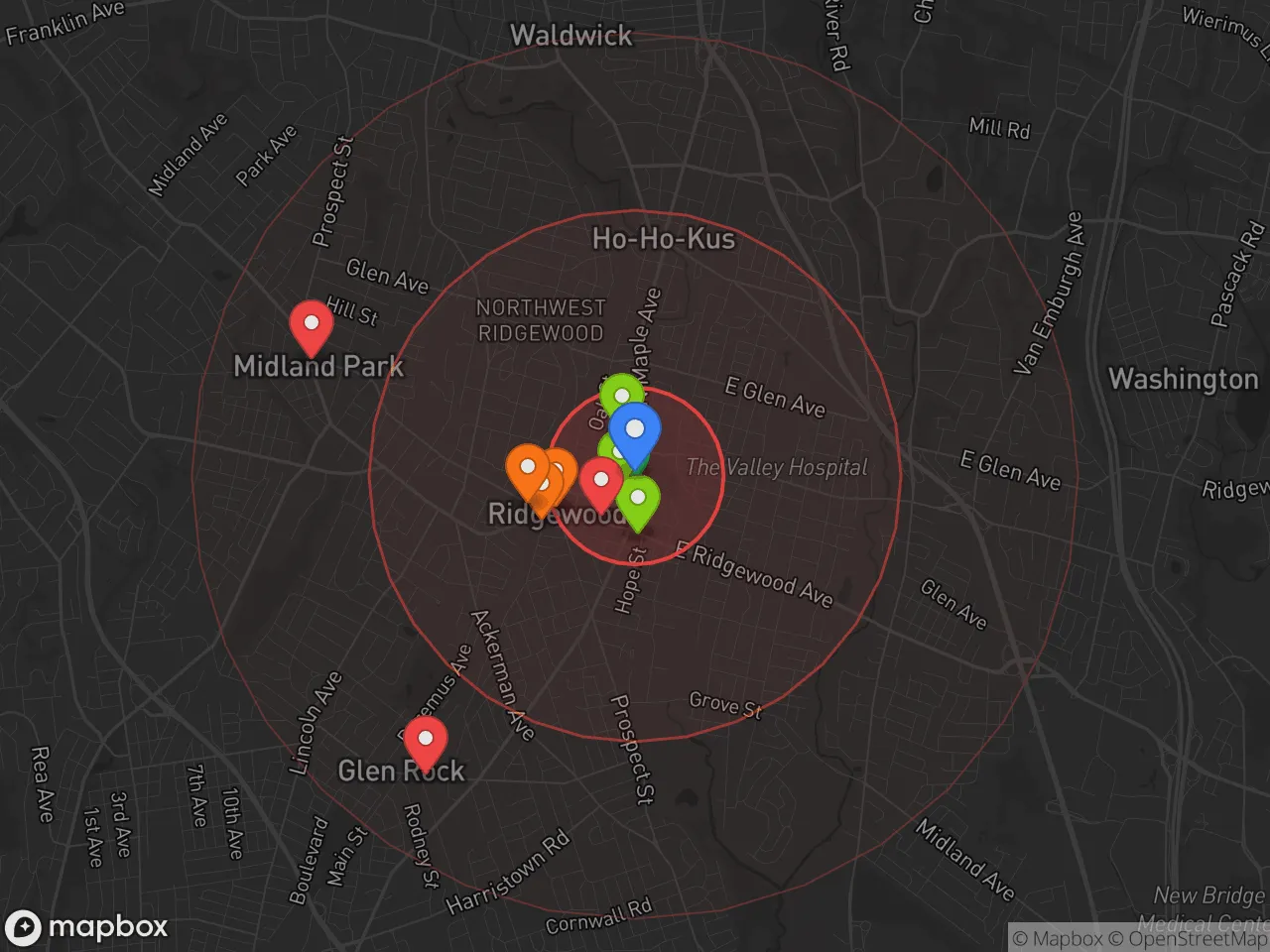
Hobbies
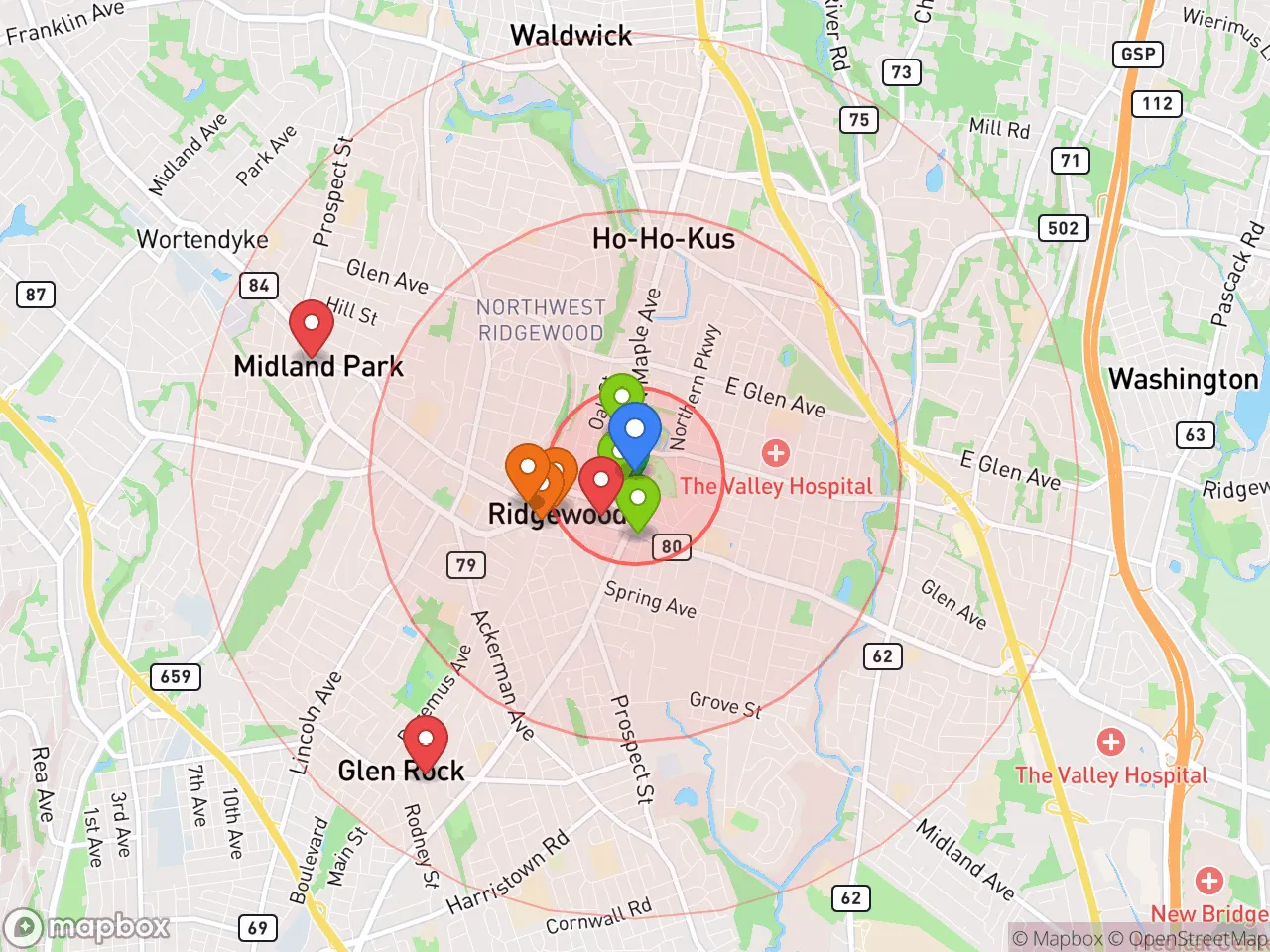
Explore the areaGroceries
5 within 10 miles
Gas
20 within 10 miles
Hospital
20 within 20 miles
Airport
EWR — Newark Liberty International
Post Office
USPS — Ridgewood, NJ
Critical Amenities
Quality-of-Life Analysis
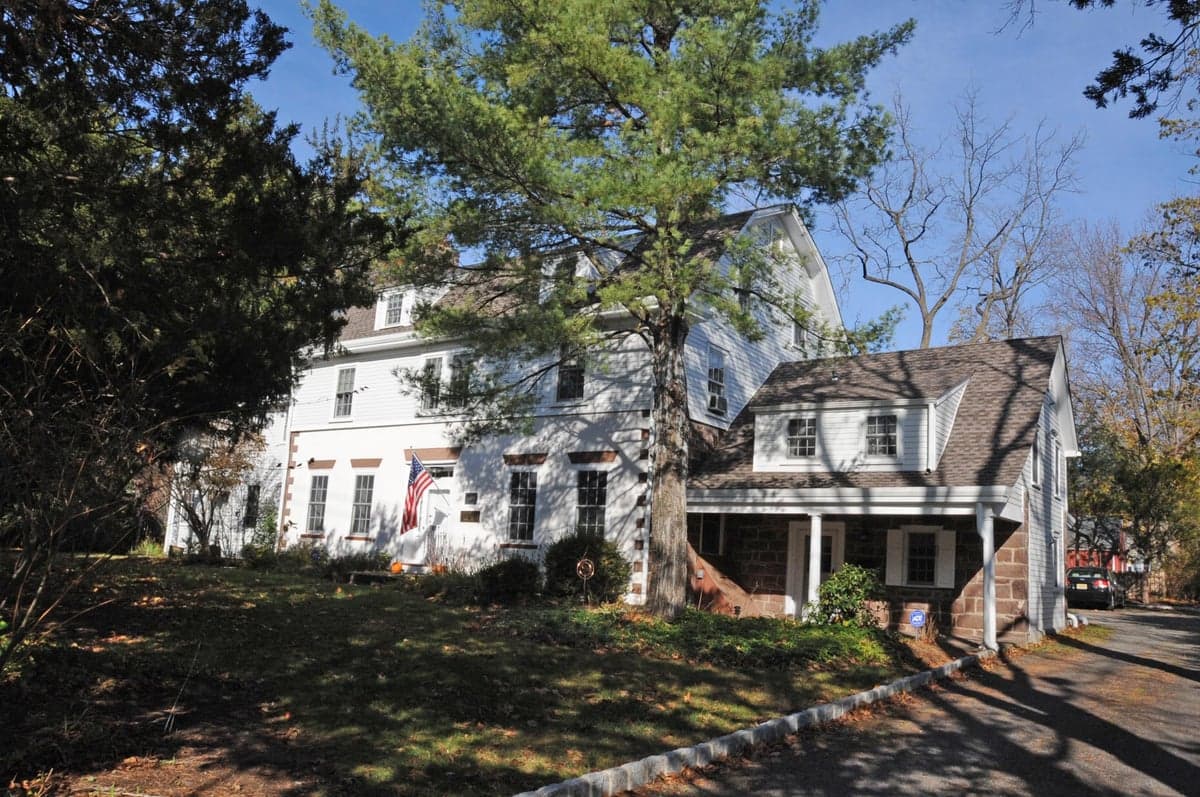
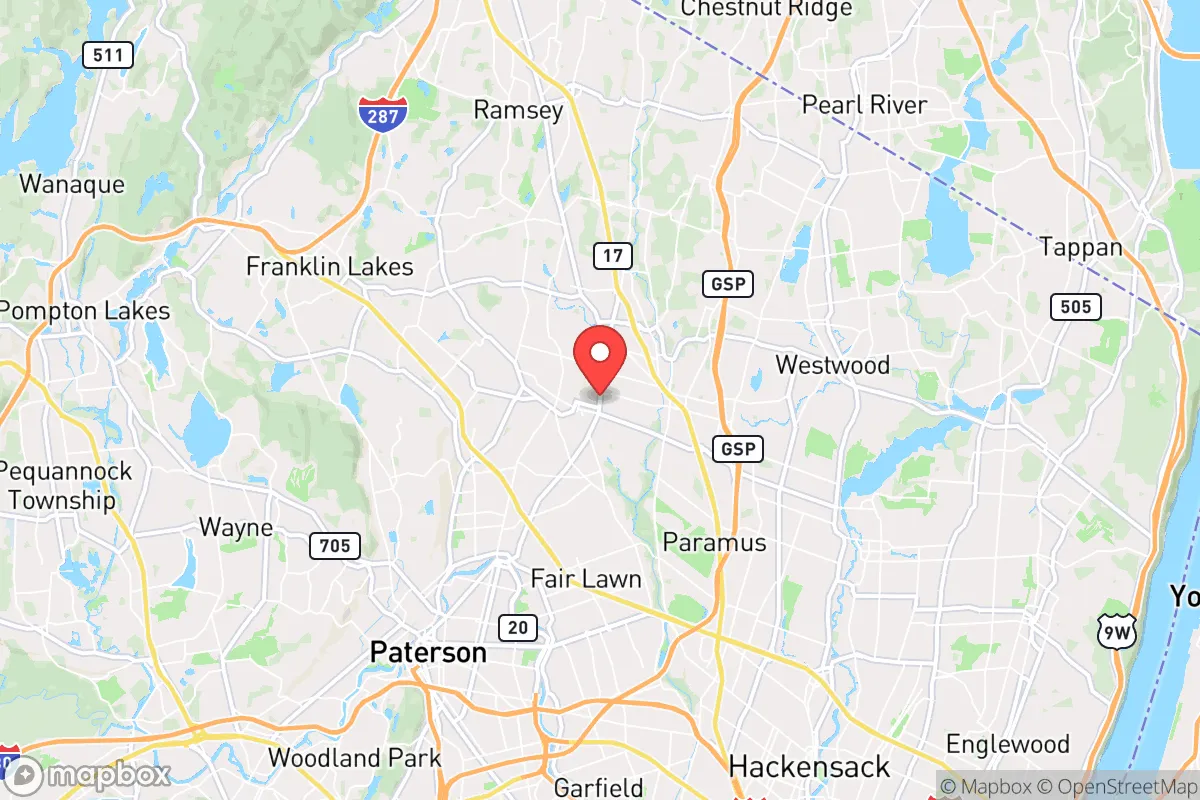
Ridgewood, New Jersey, is an affluent suburban village in Bergen County, roughly 20 miles northwest of Midtown Manhattan, known for its top-tier public schools, historic architecture, and a highly educated professional population. The village attracts families and executives who prioritize walkable downtown living, exceptional education, and a commuter-friendly location, with a cost-of-living index of 246—nearly two and a half times the national average. Residents are typically dual-income households working in finance, law, technology, or healthcare, many of whom commute daily to New York City.
Cost of living, housing, and how Ridgewood compares to nearby towns
Ridgewood’s cost of living is among the highest in Bergen County, driven primarily by housing and property taxes. The median home value sits at $882,700, significantly above the national median of roughly $350,000, while the median rent is $2,340 per month—well above the national average of about $1,200. Compared to neighboring towns like Ho-Ho-Kus or Glen Rock, Ridgewood’s home prices are slightly higher, though it remains more affordable than the most exclusive communities like Alpine or Saddle River. Property taxes in Ridgewood average around $15,000–$18,000 annually, a typical burden for top-rated school districts in North Jersey. For buyers, the market is competitive, with many homes selling above asking price, and inventory remains low. Renters face similar pressure, with limited apartment stock and few new developments. The trade-off for these costs is direct access to a vibrant downtown, a historic district with tree-lined streets, and a school system that consistently ranks among the state’s best.
What daily life is like: amenities, schools, and community rhythm
Daily life in Ridgewood revolves around its walkable central business district along East Ridgewood Avenue, which offers boutique shopping, farm-to-table restaurants, coffee shops, and a historic movie theater. The village is served by the Ridgewood Public Schools, a district that regularly ranks in New Jersey’s top 10% for academic performance, with Ridgewood High School sending over 90% of graduates to four-year colleges. The average commute to Manhattan is 35.6 minutes via NJ Transit’s Bergen County Line, which runs frequent express trains to Hoboken and Penn Station. Families fill weekends with activities at Graydon Pool, the Ridgewood Public Library, and the dozens of parks and sports fields maintained by the village. The community is active and civic-minded, with strong participation in local sports leagues, the Ridgewood Arts Council, and volunteer fire departments. While the pace is quieter than nearby cities like Hackensack or Paterson, the village hosts seasonal events such as the Ridgewood Street Fair and a well-attended Fourth of July parade that reinforce a tight-knit suburban feel.
Ridgewood is best suited for professionals and families who can absorb its high housing costs in exchange for a safe, amenity-rich environment with elite public schools and a short commute to New York City. Empty nesters and retirees also find appeal in the walkable downtown and low crime rates, though the property tax burden can be a drawback for fixed-income households. Singles and young professionals may find the social scene limited compared to Jersey City or Hoboken, but those seeking a quiet, family-oriented base with strong transit links will thrive here. The village’s combination of historic charm, academic excellence, and commuter convenience makes it a perennial choice for those who prioritize quality of life over affordability.

Crime in Ridgewood, NJ
Lower crime rates than 95% of comparable U.S. locations.
Violent CrimeViolent Crime Analysis
Property CrimeProperty Crime Analysis
Crime Analysis
Ridgewood, New Jersey, is one of the safest communities in Bergen County, with violent crime rates that are a fraction of both state and national averages. The village recorded a violent crime rate of just 33.5 incidents per 100,000 residents, making it roughly 90% lower than the U.S. average. Property crime, at 476.3 per 100,000, also sits well below the national benchmark, though it is slightly above the safest suburban norms for the region.
Crime in context
To put Ridgewood's numbers in perspective, the national violent crime rate in 2024 was approximately 380 per 100,000, meaning Ridgewood is roughly 11 times safer than the typical American city. Even compared to New Jersey's already low statewide violent crime rate of roughly 200 per 100,000, Ridgewood's figure is exceptional. Property crime in Ridgewood is about half the national rate of 1,950 per 100,000. However, it is important to note that Ridgewood sits within Bergen County, which is part of the broader New York metropolitan area. Like many large metro areas, the surrounding region has seen the influence of progressive prosecution policies. While Ridgewood itself maintains a low crime rate, residents should be aware that liberal and progressive judges and district attorneys in nearby jurisdictions can lead to more criminals being released back onto the street, potentially impacting the safety of the broader region even if the village itself remains a relative outlier.
What residents experience
For those living in Ridgewood, serious violent crime—such as homicide, rape, robbery, and aggravated assault—is a rare occurrence. The village's 33.5 per 100,000 violent crime rate translates to roughly 8-10 incidents per year across the entire population. Property crime, while more common, is largely non-violent and often opportunistic, centering on theft from unlocked vehicles or package theft. Residents generally feel safe walking downtown and letting children play outside. The Ridgewood Police Department is well-funded and responsive, with a strong community policing presence. However, the same progressive judicial philosophy that affects the wider metro area can mean that even when property crimes are solved, offenders may face minimal consequences, a dynamic that frustrates some long-term residents.
Neighborhood-level variation
Crime in Ridgewood is not evenly distributed. The area around the downtown commercial district and the train station sees a slightly higher incidence of petty theft and car break-ins, typical of transit-oriented suburbs. The residential neighborhoods north of Route 17 and east of the downtown core, such as the areas near Ridgewood High School and the Saddle River border, tend to have the lowest crime rates in the village. Conversely, the southern and western edges of town, closer to the Paramus border and major retail corridors, see a modest uptick in property crime. Overall, Ridgewood's safety profile is excellent, but the progressive justice policies of Bergen County mean that residents should still practice standard suburban precautions, such as locking doors and securing valuables, to avoid becoming a victim of opportunity.
* Values derived from national, state, county, city and local statistics and may differ in a specific area. Last updated: 2026-04-30T03:16:54.000Z
Narrative content on this page is AI-generated and may contain mistakes. Verify any details that matter before acting on them.
ReloMaps may earn a commission from affiliate links at no extra cost to you.

