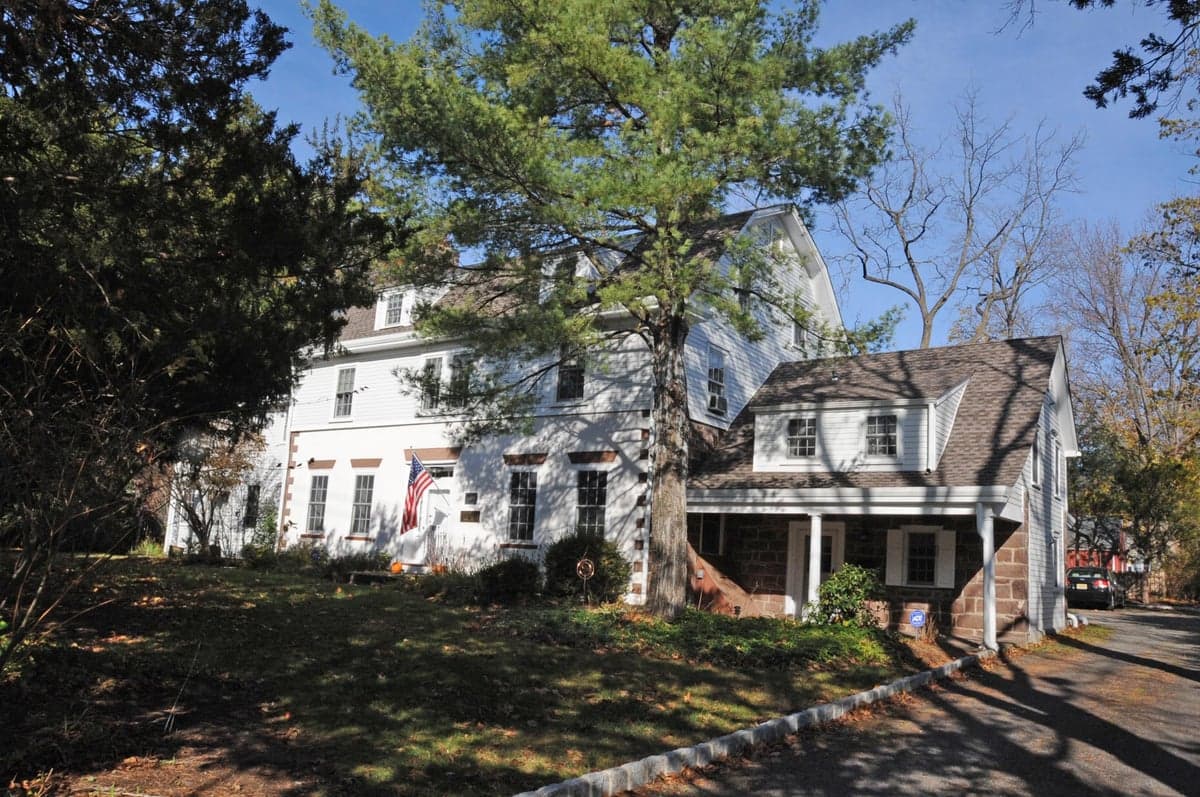
Photo: Wikipedia
Political ClimatePolitical Climate in Ridgewood, NJ
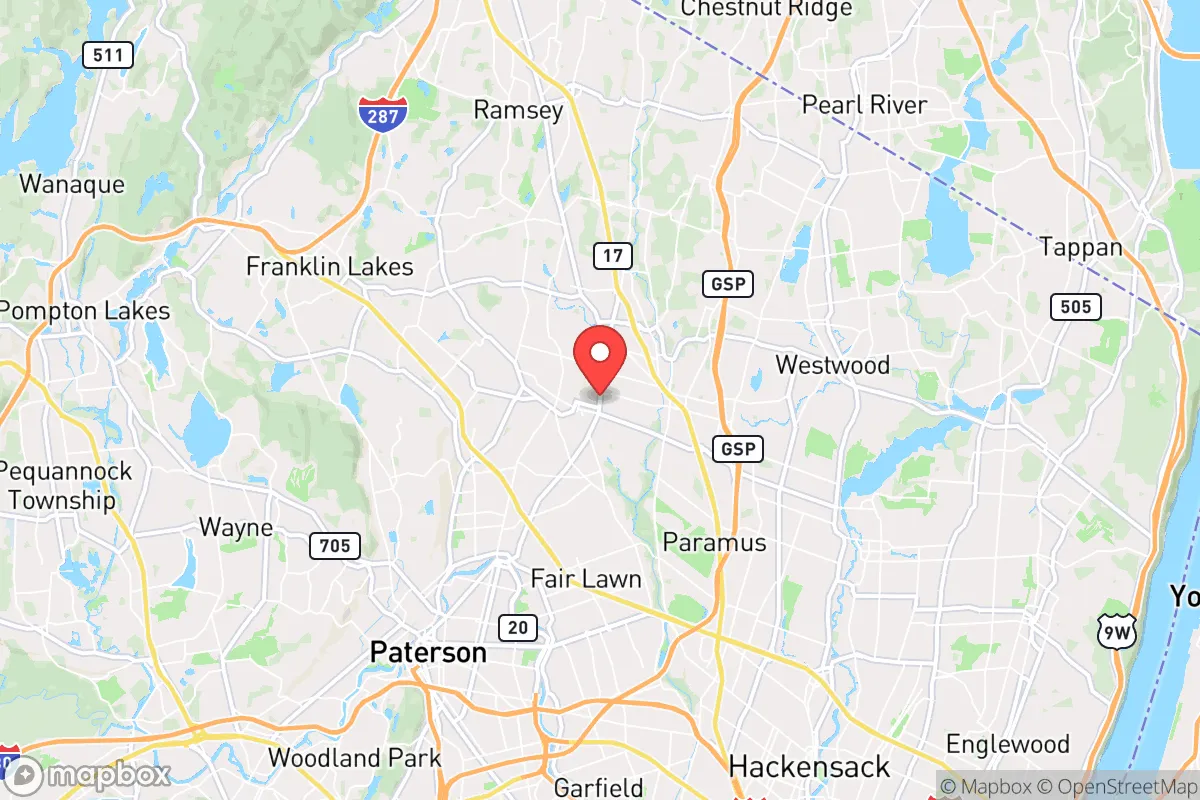
District shown is the primary district for this city’s centroid. Cities may span multiple districts.
Local Political AnalysisPolitical Analysis of Ridgewood, NJ
Ridgewood, New Jersey, has a Cook PVI of D+2, meaning it leans slightly Democratic compared to the national average, but that number doesn't tell the whole story. For decades, this village was a reliable Republican stronghold—think moderate, fiscally conservative, and focused on keeping taxes low and local control strong. But over the last ten years, you’ve seen a real shift. The 2020 election was a wake-up call: Biden carried Ridgewood by about 8 points, and the local school board and council races have gotten noticeably more progressive. It’s not a full-on blue wave, but the trajectory is clear, and it’s got a lot of longtime residents worried about where things are headed.
How it compares
If you drive ten minutes north to Ho-Ho-Kus or Waldwick, you’ll find towns that still lean more conservative—those areas voted for Trump in 2020 and have kept their school boards more focused on core academics and local control. Head south to Glen Rock or Fair Lawn, and you’re in deeper blue territory, with more aggressive diversity, equity, and inclusion (DEI) initiatives and higher property tax levies. Ridgewood sits right in the middle, but the pull is definitely toward the Glen Rock model. The contrast with Wyckoff (just west) is stark—Wyckoff is still a solidly red town, with lower taxes and a more hands-off approach from the village government. That’s the Ridgewood I remember from the 90s.
What this means for residents
For families and homeowners, the political shift has real consequences. The biggest red flag is the growing appetite for government overreach in daily life. You’re seeing it in the school district: mandatory DEI training for staff, curriculum changes that emphasize social justice over traditional academics, and a push for gender identity policies that many parents feel bypass their rights. The village council has also gotten more aggressive on zoning and housing mandates, pushing for higher-density development under the guise of “affordability,” which many locals see as a backdoor to more state control. Property taxes, already among the highest in Bergen County, keep climbing—partly because the town keeps adding programs and staff that cater to progressive priorities. If you value personal freedom—like choosing your child’s education, keeping your property rights, or not having your tax dollars fund political activism—these trends are concerning. The long-term worry is that Ridgewood becomes a place where the government tells you how to live, not just keeps the streets clean and the schools excellent.
Culturally, Ridgewood still has its old-school charm—the downtown is vibrant, the parks are well-maintained, and most people are friendly. But the policy distinctions are growing. The village has adopted a “sanctuary” resolution limiting cooperation with federal immigration enforcement, which some see as a principled stand and others as a dangerous overstep of local authority. The school board has banned book challenges from parents, effectively silencing conservative voices in curriculum debates. If you’re a conservative or even a moderate who believes in limited government, you can still live here comfortably, but you’ll feel increasingly out of step with the local leadership. The next few election cycles will be critical—if the progressive wave continues, Ridgewood could become another Glen Rock. If the old guard rallies, it might pull back to center. For now, it’s a town in transition, and the direction depends on whether residents push back against the overreach.

State Political ClimatePolitical Climate in New Jersey
State Political AnalysisPolitical Environment in the State
New Jersey has long been one of the most reliably Democratic states in the nation, but don’t let the blue veneer fool you—there’s a deep, stubborn conservative streak that runs through its suburbs, farm country, and shore towns. The state hasn’t voted Republican for president since 1988, and Democrats control both legislative chambers and the governorship as of 2026. But the real story is the growing urban-rural chasm: while Newark, Jersey City, and Hoboken drive the leftward tilt, places like Ocean County, Sussex County, and parts of Monmouth have become Republican strongholds. Over the last 20 years, the state has shifted left on social issues but has seen a notable rightward push on taxes, school choice, and Second Amendment rights—a tension that makes New Jersey a fascinating, if frustrating, place for a conservative to call home.
Urban vs. rural divide
The political map of New Jersey is a tale of two states. The urban corridor along the Hudson River—Newark, Jersey City, Paterson, and Elizabeth—is deep blue, powered by dense populations, union households, and a heavy reliance on public transit and government services. These cities vote 70-80% Democratic and drive the statewide totals. But drive 30 minutes west or south, and the landscape changes fast. Ocean County, anchored by Toms River and Lakewood, is the GOP’s strongest base, voting +20 points Republican in recent cycles. Sussex County in the northwest is similarly red, with small towns like Newton and Sparta favoring Republicans by wide margins. The suburbs of Morris County and Hunterdon County are more purple but lean right on taxes and school issues. The rural south—Cumberland, Salem, and Gloucester counties—is a mix of farmland and working-class towns that vote Republican but are often outnumbered by the urban vote. The divide isn’t just geographic; it’s cultural. Urban voters prioritize transit, housing subsidies, and social services, while rural and suburban residents care about property taxes, school choice, and keeping government out of their lives.
Policy environment
New Jersey’s policy environment is a mixed bag for conservatives. On the plus side, the state has a flat income tax rate (though high at 10.75% for top earners) and no sales tax on clothing or prescription drugs. But the property tax burden is the highest in the nation—averaging over $9,500 annually—and the state’s regulatory apparatus is thick. The New Jersey Department of Environmental Protection (NJDEP) is notoriously strict, slowing down everything from home renovations to farm operations. Education policy is a flashpoint: the state has a strong teachers’ union and a history of progressive curriculum mandates, but school choice is limited to charter schools in a few districts and a small inter-district choice program. Healthcare is heavily regulated, with a state-run insurance exchange and Medicaid expansion under Obamacare. Election laws are moderately restrictive: no-excuse mail-in voting was expanded during COVID and made permanent, but voter ID is not required—a concern for election integrity advocates. The state also has a “red flag” gun law and a strict permit-to-purchase system for firearms. For a conservative, the policy environment feels like a constant tug-of-war: high taxes and heavy regulation on one side, but pockets of resistance on school choice and Second Amendment issues.
Trajectory & freedom
Over the last decade, New Jersey has become less free in several key areas, but there are signs of pushback. The state passed a sweeping gun control package in 2022 that banned .50 caliber rifles, raised the purchasing age to 21, and required liability insurance for gun owners—a move that sparked a wave of lawsuits and a surge in concealed carry applications after the Bruen decision. On parental rights, the state’s “Don’t Say Gay” law (actually a 2023 law requiring parental notification for LGBTQ+ curriculum) was watered down after progressive backlash, leaving many parents feeling sidelined. Medical freedom took a hit with strict COVID-19 mandates that lasted longer than in neighboring states, including a vaccine-or-test requirement for healthcare workers that remains in effect. On the positive side, property tax relief has been a rare bipartisan win: the ANCHOR program (Affordable New Jersey Communities for Homeowners and Renters) provides direct rebates, and the state has slowly expanded school choice through the Opportunity Scholarship Act, though it’s still limited. The trend is toward more government control, but the high cost of living and regulatory burden are driving a slow exodus of conservatives to Florida, Texas, and the Carolinas—a trend that may eventually force policy changes.
Civil unrest & political movements
New Jersey has seen its share of political flashpoints. The 2020 Black Lives Matter protests were large and sometimes violent in Newark and Trenton, leading to property damage and a lasting tension between police and activists. On the right, the “Jersey Strong” movement—a loose coalition of gun rights advocates, school choice parents, and anti-lockdown protesters—has been active but less organized. Immigration is a hot-button issue: New Jersey is a sanctuary state under a 2018 executive order by Governor Phil Murphy, limiting cooperation between local police and ICE. This has led to clashes in towns like Woodbridge and Elizabeth, where immigrant populations are large and tensions over resources run high. Election integrity remains a sore spot: the 2020 and 2022 elections saw widespread use of mail-in ballots, and while no major fraud was proven, many conservatives remain skeptical of the system. The state’s “county line” ballot design—which groups candidates by party endorsement—has been criticized as anti-competitive and is currently being challenged in court. A new resident would notice the political activism is less visible than in, say, California, but it simmers beneath the surface, especially in school board meetings and town council hearings.
Projection
Looking ahead 5-10 years, New Jersey is likely to stay blue but get more purple at the local level. Demographic trends are mixed: the state is aging, with a growing retiree population in Ocean and Monmouth counties that leans conservative, but it’s also attracting young professionals to the urban core who vote left. In-migration from New York City is boosting the blue vote in Hudson and Bergen counties, while out-migration of conservatives to lower-tax states is slowly shifting the balance. The wildcard is school choice: if the Opportunity Scholarship Act expands, it could pull moderate suburbanites back to the GOP. On taxes, the state is at a breaking point—property tax relief is popular but expensive, and the state’s pension debt ($50 billion and growing) will force either tax hikes or service cuts. A conservative moving in now should expect a state that remains expensive and regulated, but with growing conservative enclaves in the south and west. The political climate will feel like a constant defensive battle: fighting for school choice, lower taxes, and Second Amendment rights while the urban majority pushes the other way.
For a conservative considering New Jersey, the bottom line is this: you can find your people in places like Ocean County, Sussex County, or the rural parts of Hunterdon, but you’ll be fighting uphill on taxes, regulations, and cultural issues. The state’s high cost of living and progressive policies are real burdens, but the quality of life—good schools in many suburbs, proximity to the shore and mountains, and a strong job market—can make it worth the trade-off if you’re strategic about where you land. Just don’t expect the state to shift your way anytime soon; the urban vote is too entrenched. Your best bet is to get involved locally—school boards, town councils, and county GOP committees—where you can make a real difference while the state government does its thing.
* Values derived from national, state, county, city and local statistics and may differ in a specific area. Last updated: 2026-04-30T03:16:54.000Z
Narrative content on this page is AI-generated and may contain mistakes. Verify any details that matter before acting on them.
ReloMaps may earn a commission from affiliate links at no extra cost to you.

