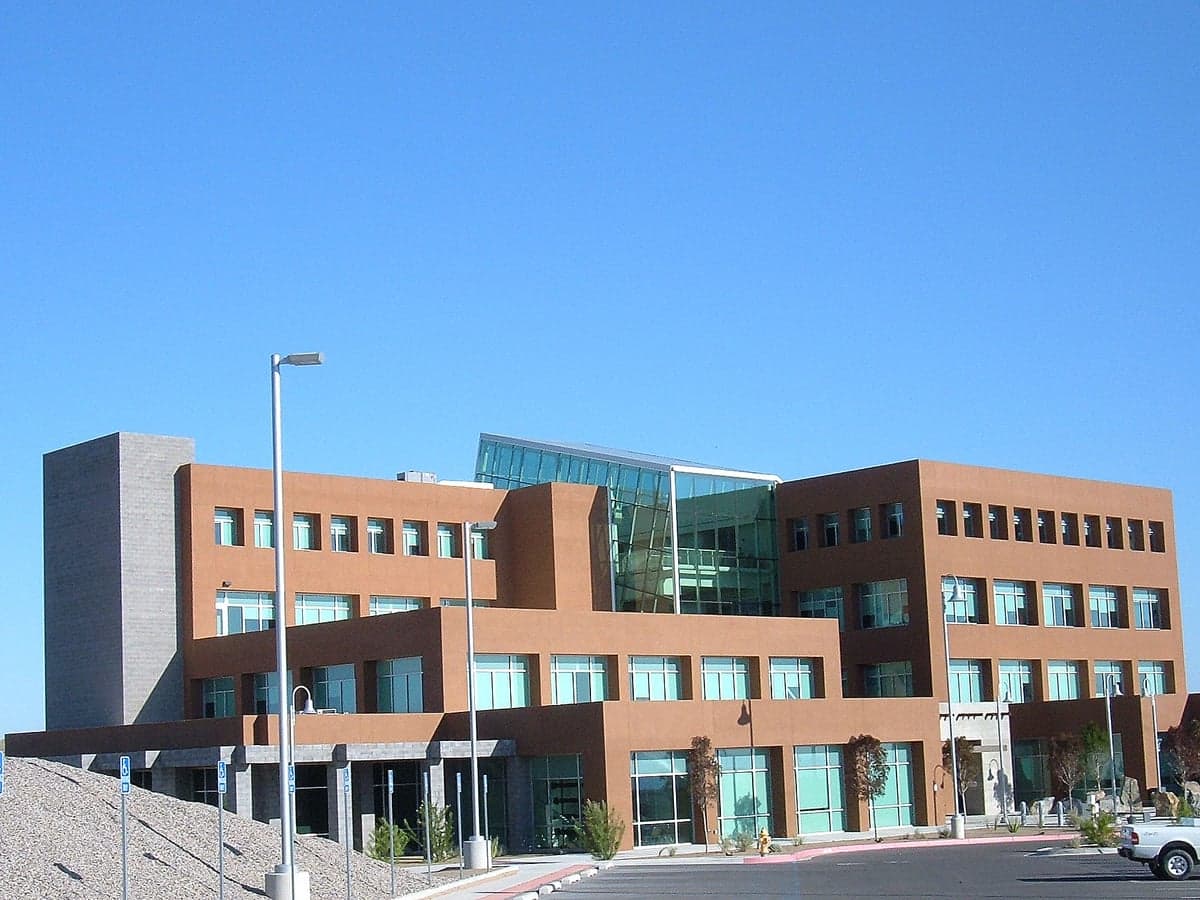
Photo: Wikipedia
Political ClimatePolitical Climate in Rio Rancho, NM
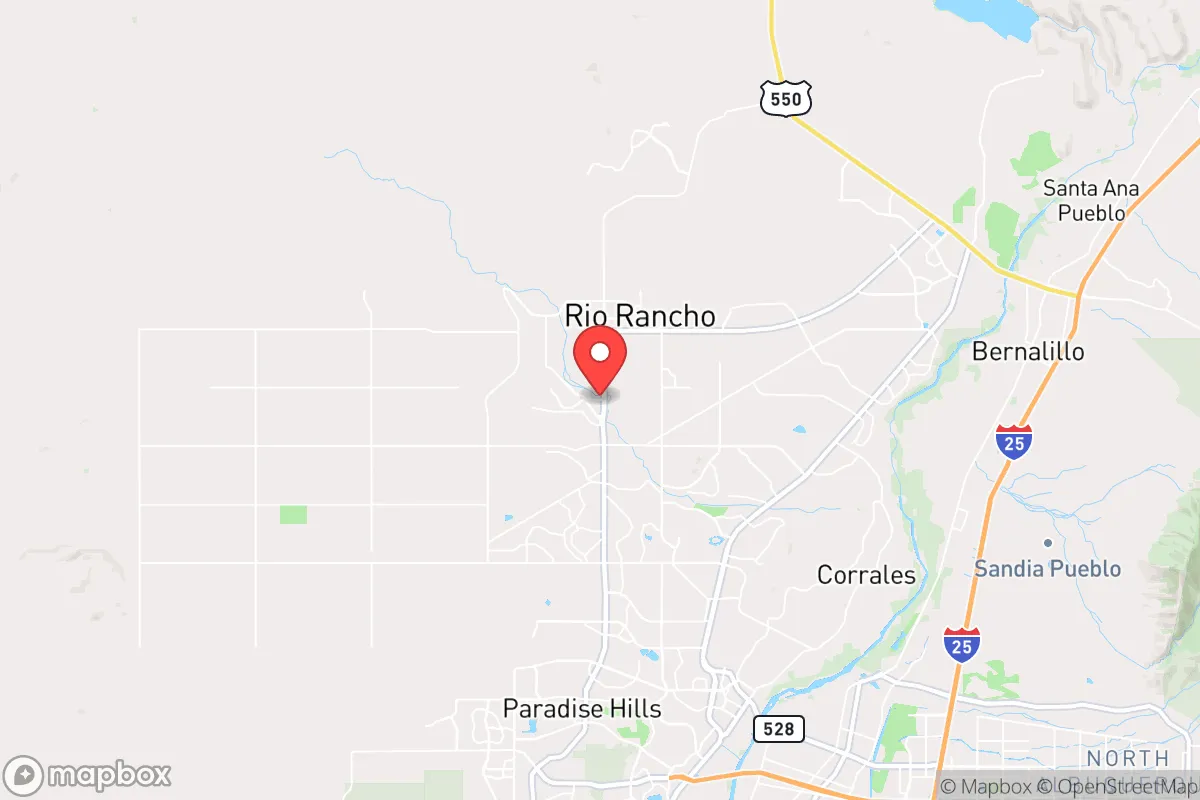
District shown is the primary district for this city’s centroid. Cities may span multiple districts.
Local Political AnalysisPolitical Analysis of Rio Rancho, NM
Rio Rancho, New Mexico, has a political climate that’s shifting in a concerning direction, leaning more progressive than its suburban character might suggest. The Cook PVI rating of D+7 tells you the area now votes reliably Democratic, which is a big change from the more balanced, independent-minded place it used to be. You’ll see this in local elections and policy debates, where the influence of nearby Albuquerque’s liberal machine is creeping in, pushing a bigger government agenda that feels out of step with the folks who moved here for space, affordability, and freedom.
How it compares
Rio Rancho sits in Sandoval County, which has a mix of rural and suburban voters, but the city itself is the anchor for the county’s leftward tilt. Compare that to places like Corrales or Placitas, which still lean more conservative and libertarian, with residents who push back on overreach. Even Bernalillo, just north, has a more moderate feel. The contrast is stark: drive 20 minutes east into Albuquerque’s urban core, and you’re in a deep-blue stronghold where progressive policies on taxes, land use, and public safety are the norm. Rio Rancho used to be a refuge from that, but now it’s absorbing the same top-down thinking, with city council votes and school board decisions that feel like they’re copying the playbook from the big city.
What this means for residents
For a long-time resident, the biggest red flag is how fast local government is expanding its reach. You’re seeing more zoning restrictions, higher fees for permits, and a push for “sustainability” mandates that drive up costs for homeowners and small businesses. The school board has been a battleground, with progressive members pushing curriculum changes and policies that prioritize ideology over parental rights and local control. Property taxes have crept up to fund these new initiatives, and there’s talk of a local income tax—something that would have been laughed out of a meeting ten years ago. If you value keeping your money and making your own choices, the trajectory here is worrying. The sense of community self-reliance is being replaced by a “we know best” attitude from city hall.
On the ground, you’ll notice fewer people waving flags or talking politics openly, because the social pressure to conform to the new orthodoxy is real. The 2024 election results in Sandoval County showed a continued shift left, with Democratic candidates winning by margins that would have been unthinkable in the 2000s. This isn’t just about party labels—it’s about a fundamental change in how the city operates, with more regulations, less transparency, and a growing disconnect between the people who built this place and the newcomers who want to remake it in Albuquerque’s image.
Cultural and policy distinctions
One thing that still sets Rio Rancho apart is its strong sense of community among those who resist the tide. You’ll find active groups pushing back on school board overreach and property tax hikes, and the local gun culture remains robust, with ranges and shops doing steady business. But the cultural battle is real: the city’s annual events and public spaces are increasingly used for progressive messaging, and the old “live and let live” vibe is fading. If you’re looking for a place where your rights are respected and government stays out of your life, Rio Rancho is still better than Albuquerque, but the window is closing fast. Keep an eye on the next few election cycles—if the trend holds, this could become another blue suburb where personal freedom takes a back seat to political agendas.

State Political ClimatePolitical Climate in New Mexico
State Political AnalysisPolitical Environment in the State
New Mexico has long been a reliably blue state in presidential elections, but its political landscape is far more complex than a simple partisan label suggests. The state has voted Democratic in every presidential election since 2004, but the margins have narrowed significantly — from a 15-point win for Barack Obama in 2008 to just a 6-point margin for Joe Biden in 2020. The real story is a slow but steady rightward drift, driven by a growing rural-urban divide and a wave of new residents from more conservative states like Texas and Arizona. The dominant coalition remains a mix of Hispanic voters, union households, and liberal-leaning urbanites in Albuquerque and Santa Fe, but that coalition is fraying as economic frustration and cultural concerns push working-class voters toward the GOP.
Urban vs. rural divide
The political map of New Mexico is a tale of two worlds. The urban core — Albuquerque, Santa Fe, and Las Cruces — drives the state's blue lean. Bernalillo County (Albuquerque) alone accounts for roughly a third of the state's vote, and it consistently delivers 55-60% Democratic margins. Santa Fe County is even more liberal, often hitting 70% Democratic. But step outside these metros, and the picture flips dramatically. Rural counties like Lea (in the southeast oil patch), Eddy (home to Carlsbad), and Chaves (Roswell) vote Republican by 30-40 point margins. The Four Corners region — San Juan County, centered on Farmington — is another GOP stronghold, driven by energy extraction and a more culturally conservative population. What's interesting is the suburban shift: Rio Rancho, a fast-growing suburb of Albuquerque, has been trending redder, flipping from a 10-point Democratic lean in 2012 to a near-even split in 2020. This mirrors national patterns where suburban voters, particularly families, are moving right on issues like school choice and parental rights.
Policy environment
New Mexico's policy environment is a mixed bag that leans progressive but with notable exceptions. The state has a progressive income tax with rates from 1.7% to 5.9%, and a gross receipts tax (essentially a sales tax) that averages around 7-8% but can hit 9% in some cities. Property taxes are relatively low — about 0.8% of assessed value — which is a draw for retirees and families. On the regulatory front, the state has been aggressive on energy: Governor Michelle Lujan Grisham signed a 2019 law requiring 100% carbon-free electricity by 2045, and the state has imposed strict methane emission rules on oil and gas operations. Education policy is a flashpoint: the state has a universal school choice program (the Opportunity Scholarship Act, 2023) that funds private school tuition, but it's been underfunded and bureaucratic. Parents report long waitlists and confusing application processes. Healthcare is heavily regulated, with a state-run Medicaid expansion and a recent push for a public option. Election laws are moderately restrictive: voter ID is not required (you can sign an affidavit), but same-day registration is allowed. Mail-in voting is available without an excuse. The state also has a red flag law (2019) allowing temporary firearm seizure, which is a major concern for gun owners.
Trajectory & freedom
Over the past five years, New Mexico has become less free in several key areas, particularly for conservatives. The 2019 red flag law (HB 87) was the first major gun control measure, and it's been used hundreds of times — often controversially, with critics citing due process concerns. In 2021, the state banned conversion therapy for minors (HB 32) and expanded hate crime protections for sexual orientation and gender identity (HB 270). The 2023 Energy Transition Act accelerated the closure of coal plants, costing jobs in rural areas like the Four Corners. On the plus side, the 2023 Opportunity Scholarship Act was a win for school choice, though it's been hamstrung by funding limits. Property rights have taken a hit: the state's Land Use Planning Act (2021) gave local governments more power to restrict development, which has frustrated builders and landowners. Medical autonomy is a mixed bag — the state legalized recreational marijuana in 2021 (a freedom win for some), but it also imposed strict licensing and testing requirements that have kept the black market thriving. Parental rights are under pressure: the state's Healthy Teens Act (2023) allows minors to consent to reproductive health services without parental notification, which has alarmed many families.
Civil unrest & political movements
New Mexico has seen its share of political flashpoints. The 2020 protests in Albuquerque over George Floyd's death turned violent, with businesses looted and the city's police department under federal investigation. The Sanctuary State law (2019) prohibits state and local law enforcement from cooperating with federal immigration authorities, which has created tension with border communities like Las Cruces and Deming. In 2023, the Otero County Commission made national headlines by refusing to certify primary election results over concerns about Dominion voting machines — a move that was ultimately overruled by the state Supreme Court. The New Mexico Civil Guard, a militia group, has been active in border areas, conducting patrols and clashing with activists. The Mountain West secession movement, which proposes breaking off rural counties into a new state, has gained some traction in conservative areas like Lea County and Chaves County, though it remains fringe. Immigration politics are raw: the state's high rate of undocumented residents (estimated 2-3% of the population) and the ongoing border crisis have fueled resentment in rural areas, where residents feel the federal government has abandoned them.
Projection
Over the next 5-10 years, expect New Mexico to continue its slow drift rightward, but not enough to flip blue to red. The key demographic shift is in-migration from Texas and California — Texans moving for lower property taxes and a slower pace of life, Californians for cheaper housing. These newcomers tend to be more conservative than native New Mexicans, especially on economic issues. The oil and gas boom in the Permian Basin (southeast New Mexico) is bringing jobs and population to places like Hobbs and Carlsbad, which are solidly red. Meanwhile, the urban core is aging and losing population — Albuquerque's growth rate is below 1% annually. The state's Hispanic electorate, historically a Democratic base, is becoming more Republican, particularly among younger voters and those in rural areas. By 2030, expect the state to be a true battleground, with a Republican presidential candidate potentially winning it if the national environment is favorable. But the state legislature will remain Democratic due to gerrymandering and the concentration of liberal voters in Santa Fe and Albuquerque.
Bottom line for a new resident: If you're a conservative moving to New Mexico, you'll find a state that's politically mixed but leaning left at the state level. You'll have more freedom on property taxes and school choice than in deep-blue states, but you'll face a hostile state government on guns, energy, and parental rights. The best bet is to settle in a red-leaning suburb like Rio Rancho or a rural county like Eddy or Lea, where local politics align with your values. Just be prepared for a state that's trending in the wrong direction on personal liberty, and get involved in local elections to slow the slide.
* Values derived from national, state, county, city and local statistics and may differ in a specific area. Last updated: 2026-05-01T18:32:10.000Z
Narrative content on this page is AI-generated and may contain mistakes. Verify any details that matter before acting on them.
ReloMaps may earn a commission from affiliate links at no extra cost to you.

