Photo: Wikipedia
Quality of Life in Rockland, ME
A high quality of life with strong walkability, manageable living costs, healthy neighborhood signals, and solid amenity access.
What does Quality of Life tell us?
Quality of Life blends cost of living, nearby amenities, socioeconomic signals, and neighborhood character. City-level scores represent the whole municipality; individual neighborhoods can differ.
What does this tell us?
Quality of Life blends cost of living, nearby amenities, socioeconomic signals, and neighborhood character. City-level scores represent the whole municipality; individual neighborhoods can differ.
Cost of Living
16% below national average
The Real Cost of Living in Rockland, ME for 2026
| Tier | Individual | Family (4) |
|---|---|---|
| Survival | $16k | $30k |
| Comfortable | $46k | $67k |
| Luxury | $92k+ | $143k+ |
| Elite (Top 5%) | $108k+ | $168k+ |
83%
The Area Signal
A metric tracking the socioeconomic signals of the area.
Hobbies
Explore the areaGroceries
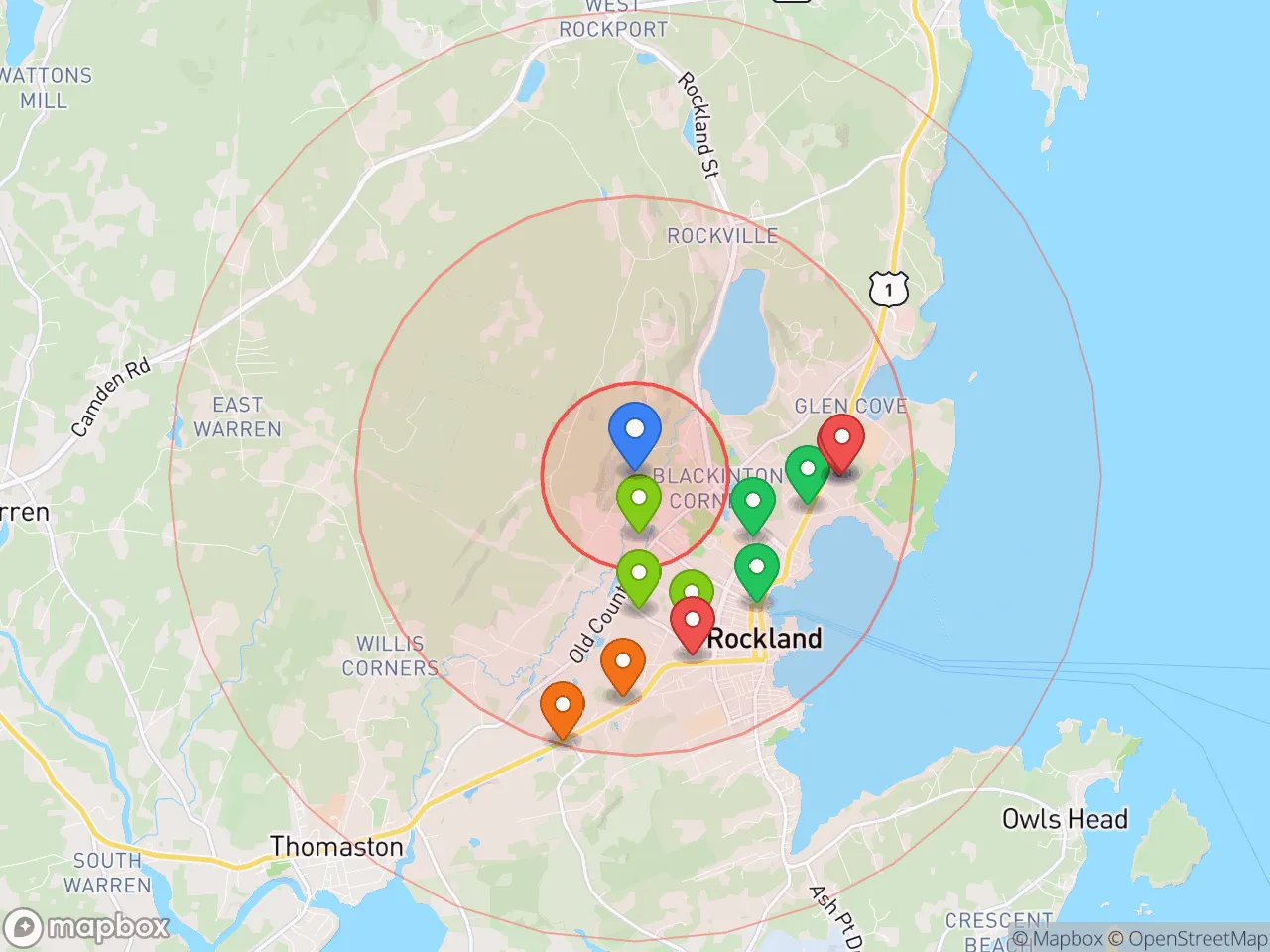
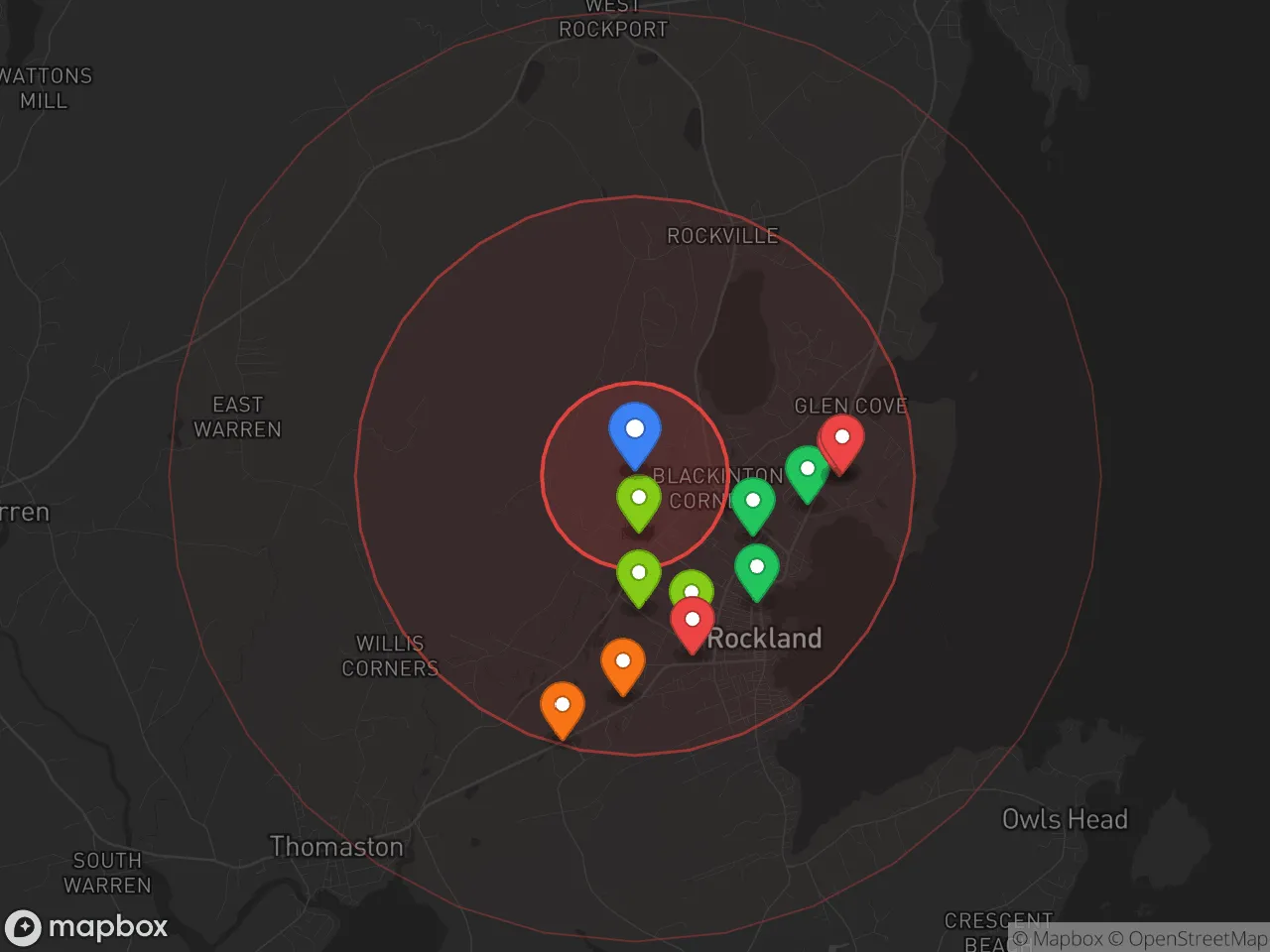
3 within 10 miles
Gas
5 within 10 miles
Hospital
1 within 20 miles
Airport
PDX — Portland International Jetport
Post Office
USPS — Rockland, ME
Critical Amenities
Quality-of-Life Analysis
Rockland, Maine, presents a quality-of-life profile that blends coastal New England charm with a notably lower cost of living than much of the Northeast, attracting a mix of artists, remote workers, and retirees seeking a slower pace. The city's population of roughly 7,000 is complemented by a growing creative class drawn to the Farnsworth Art Museum and the nearby Wyeth Center, while its working waterfront still supports a significant fishing and lobstering community. This creates a social fabric that is more diverse in income and background than many other Midcoast towns, though the area's overall affluence is evident in its well-maintained historic homes and active cultural calendar.
Cost of living, housing costs, and affordability compared to Camden and Portland
Rockland's cost of living index sits at 84, a full 16 points below the national average, making it one of the more affordable coastal communities in Maine. The median home value of $234,400 is dramatically lower than in neighboring Camden (where the median often exceeds $400,000) and roughly half the median in Portland. Median rent of $986 is similarly accessible, particularly for a coastal town, though it has risen steadily since 2020 as out-of-state buyers enter the market. The average commute of 24.4 minutes is reasonable by national standards and reflects the fact that many residents work locally or commute to nearby towns like Rockport or Thomaston. However, property taxes in Knox County are relatively high, and the limited housing inventory means that affordable listings often sell quickly, sometimes to cash buyers from away.
Local amenities, schools, and the rhythm of daily life
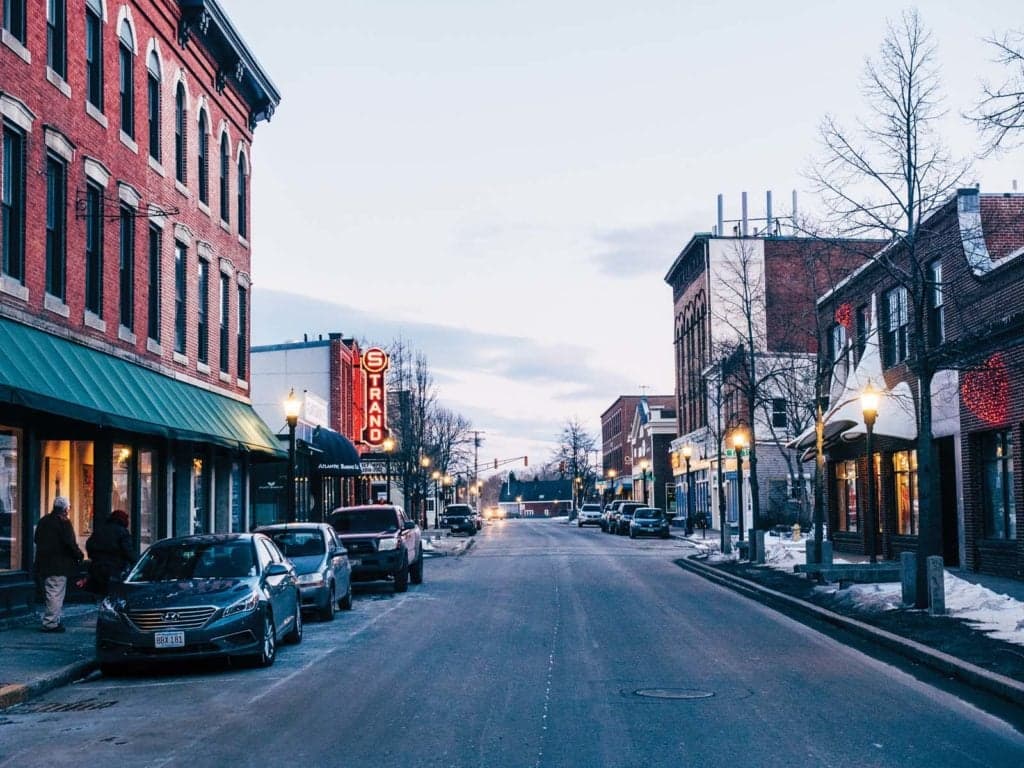
Daily life in Rockland revolves around a walkable downtown anchored by the Farnsworth Art Museum, the Strand Theatre, and a working harbor where lobster boats unload daily. The city's public schools, including Rockland District Middle School and Oceanside High School, serve the broader RSU 13 district and have faced enrollment declines but maintain solid graduation rates above 85%. Groceries, healthcare, and basic services are all available within town limits, reducing the need for frequent trips to larger cities. The seasonal rhythm is pronounced: summer brings a flood of tourists for the Maine Lobster Festival and schooner cruises, while winter is quieter, with residents relying on local libraries, indoor recreation at the YMCA, and community events at the Flanagan Community Center. Outdoor access is immediate, with Rockland Harbor Trail, Breakwater Lighthouse, and nearby Camden Hills State Park all within a 15-minute drive.
Rockland is best suited for those who value authentic coastal living over polished resort-town perfection. Artists, writers, and remote workers will appreciate the cultural density and relatively low overhead, while families can find good schools and a safe environment without the premium prices of Camden or Belfast. Retirees on fixed incomes will find the cost of living manageable, though the cold, dark winters and limited public transit are real considerations. Those seeking a vibrant nightlife or a fast-paced urban environment should look elsewhere, but for anyone who wants a genuine working waterfront town with strong community ties and access to world-class natural beauty, Rockland offers a compelling balance of affordability and quality of life.

Crime in Rockland, ME
Lower crime rates than 80% of comparable U.S. locations.
Violent CrimeViolent Crime Analysis
Property CrimeProperty Crime Analysis
Crime Analysis
Rockland, Maine, presents a mixed safety profile that warrants careful consideration for potential movers. The city's violent crime rate of 268.1 incidents per 100,000 residents is notably higher than the national average, while its property crime rate of 1,156.9 per 100,000 also exceeds typical benchmarks for a community of its size. These figures place Rockland above the statewide Maine average for both categories, making it one of the more challenging coastal communities in terms of public safety within Knox County.
Crime in context
When compared to national data, Rockland's violent crime rate is roughly 25% higher than the U.S. average of approximately 214 per 100,000, and its property crime rate is about 15% above the national figure. Within Maine, a state known for low crime overall, Rockland stands out as a statistical outlier. The city's rates are significantly higher than those in nearby midcoast towns like Camden or Belfast, which report substantially lower per-capita crime. This disparity is partly attributable to Rockland's role as a regional hub, with a larger year-round population and more commercial activity that can attract property crime. However, the elevated violent crime rate—driven largely by aggravated assaults—suggests deeper public safety challenges that go beyond typical tourist-town dynamics.
What residents experience
Residents of Rockland report that property crime, particularly theft from vehicles and break-ins, is the most common safety concern in daily life. The city's downtown and waterfront areas, while vibrant, see periodic incidents of vandalism and shoplifting. Violent crime, while less frequent, is concentrated in specific circumstances—often involving domestic disputes or incidents among individuals known to one another, rather than random attacks on strangers. The presence of progressive district attorneys and judges in the broader Midcoast region has led to sentencing policies that some residents feel prioritize offender rehabilitation over public protection. Critics argue that these lenient approaches, including reduced bail requirements and diversion programs for repeat property offenders, contribute directly to higher recidivism and a sense that consequences for crime are insufficient. This ideological leaning in the justice system, while well-intentioned, has resulted in more offenders remaining on the streets, which negatively impacts both victims and the general public's sense of security.
Neighborhood-level variation is notable in Rockland. The South End and areas near the hospital generally report lower crime rates, while the downtown core and sections along Park Street and Broadway see more frequent police calls. The Maple Street and Rankin Street corridors have historically experienced higher concentrations of property crime and disorder-related incidents. Prospective residents should research specific blocks and talk to local police about recent trends, as safety can shift significantly within just a few streets. Overall, Rockland requires a higher level of vigilance than most Maine communities, particularly regarding securing property and being aware of surroundings after dark.
* Values derived from national, state, county, city and local statistics and may differ in a specific area. Last updated: 2026-05-01T16:57:17.000Z
Narrative content on this page is AI-generated and may contain mistakes. Verify any details that matter before acting on them.
ReloMaps may earn a commission from affiliate links at no extra cost to you.

