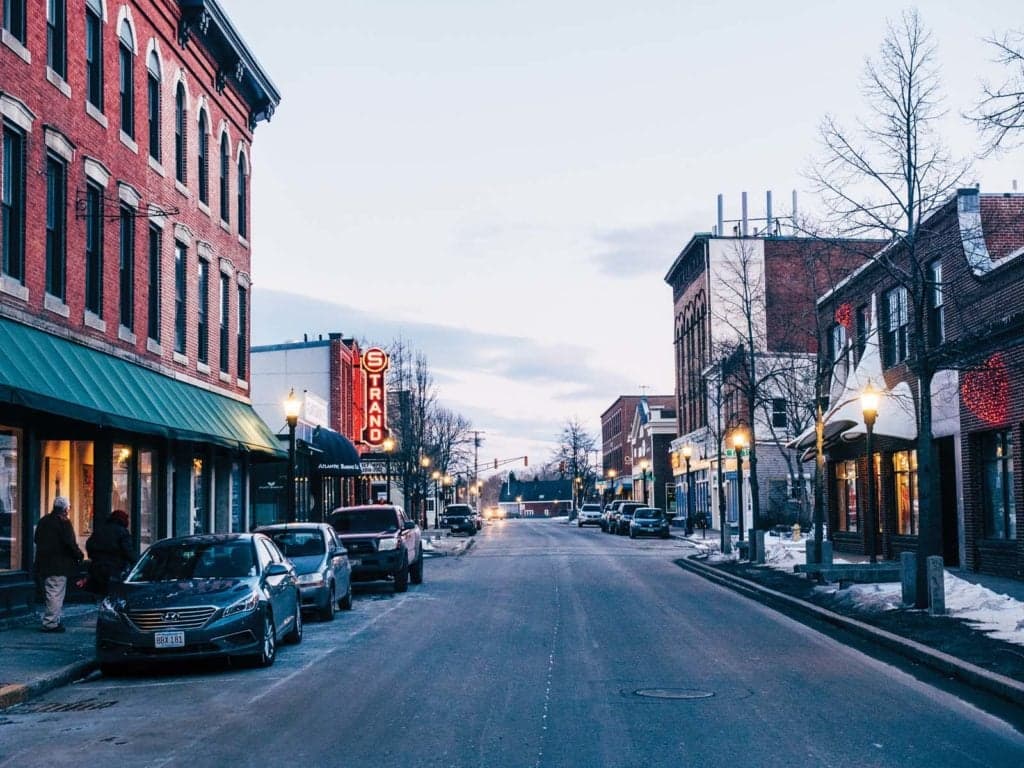
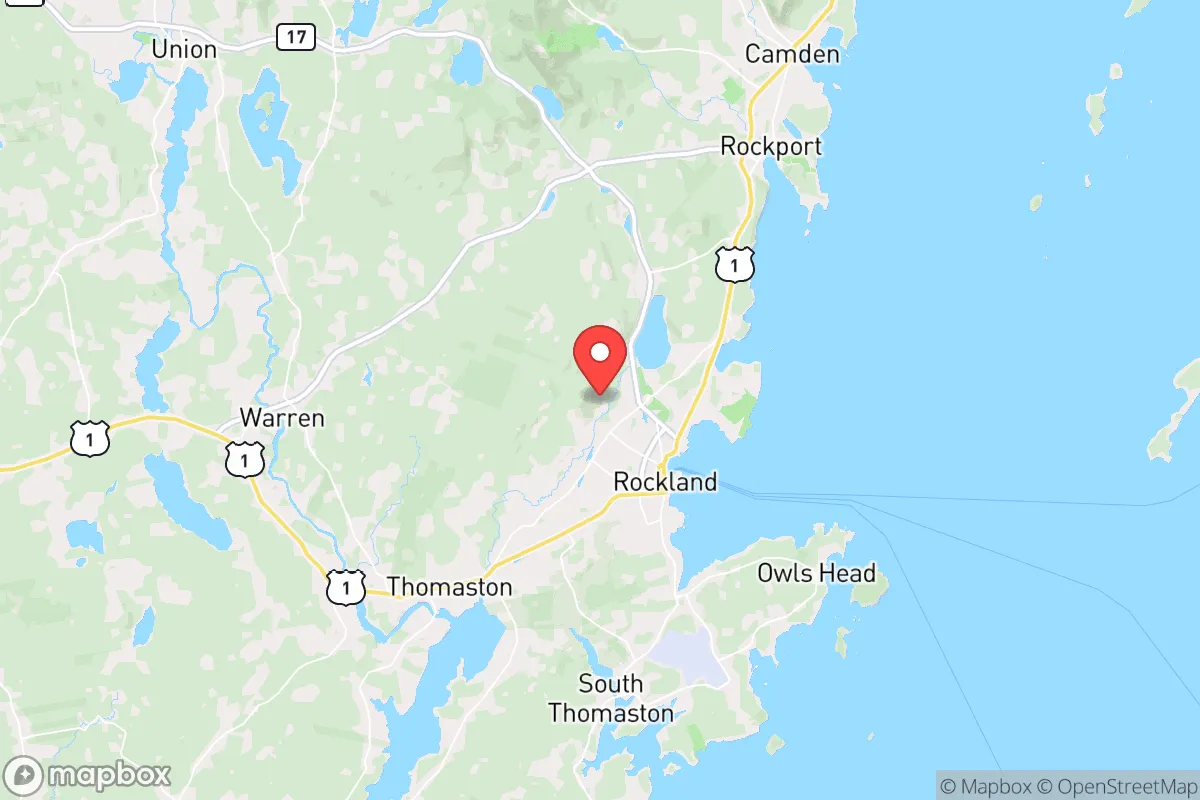
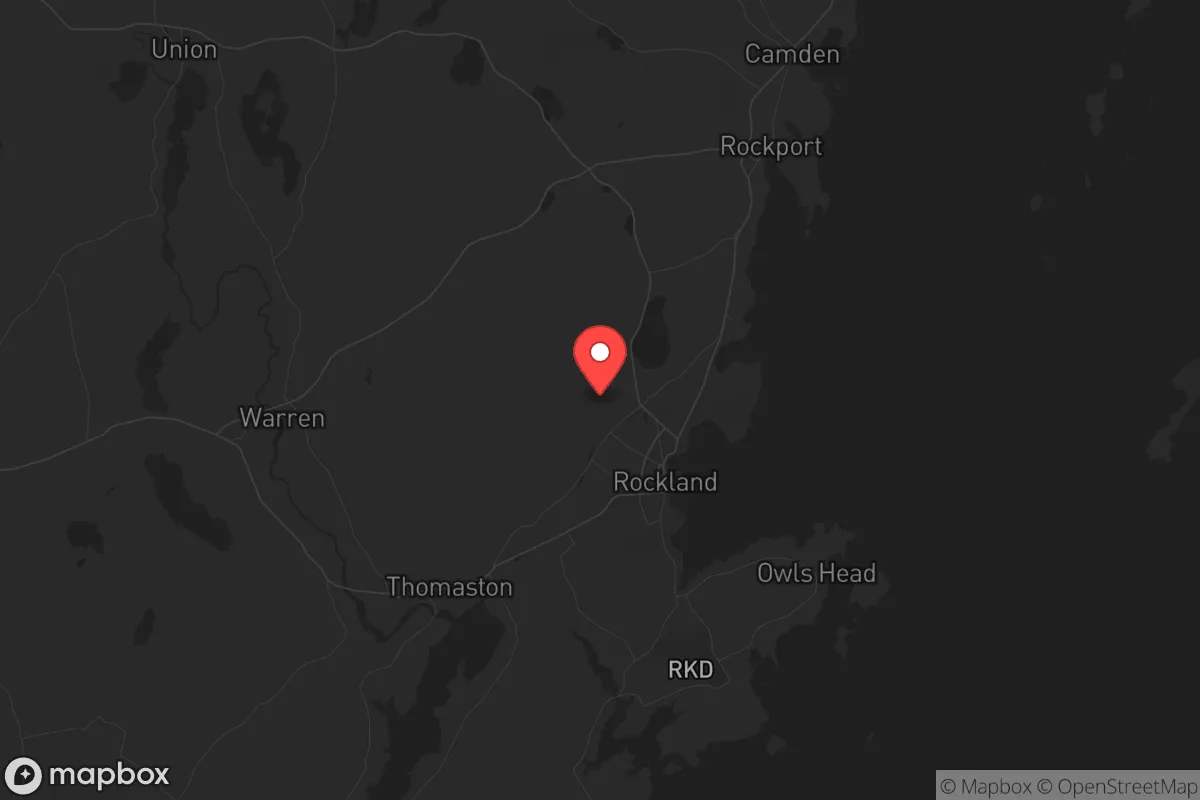
Photo: Wikipedia
Strategic Assessment of Rockland, ME
Meaningful friction. Expect exposure to either population pressure, blast zones, or natural disaster risk. Consider buying a retreat property.
What does the Strategic Assessment tell us?
Our Strategic Assessment grades tactical survivability of an area. Major population centers, military targets, fallout zones, natural disasters, and border exposure all drive risk — lower exposure means a more defensible position in a crisis.
This is heavily inspired by Joel Skousen's Strategic Relocation book. Highly recommended you checkout the book ($)What does this tell us?
Our Strategic Assessment grades tactical survivability of an area. Major population centers, military targets, fallout zones, natural disasters, and border exposure all drive risk — lower exposure means a more defensible position in a crisis.
This is heavily inspired by Joel Skousen's Strategic Relocation book. Highly recommended you checkout the book ($)Strategic Pillars

Key Distances
Regional Safe Places
Below is our recommended "safe zones" in Maine and the surrounding area based on our strategic heuristics. For most people, it's unrealistic to live in a “safe zone” full-time due to work, family or other personal reasons. They tend to be more rural. However, many of these areas are perfect for second homes and retreat properties that double as a vacation home or even a short-term rental.
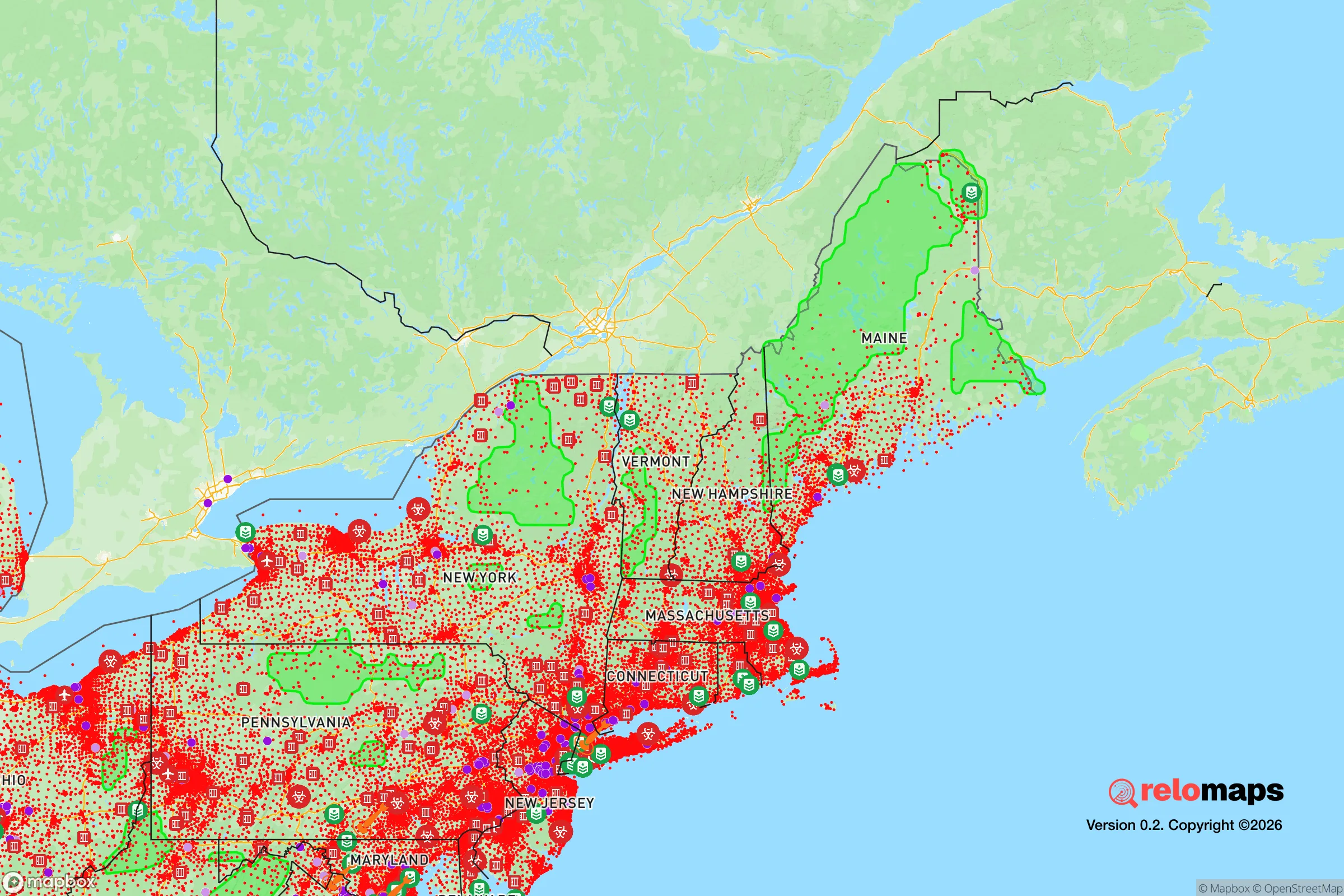
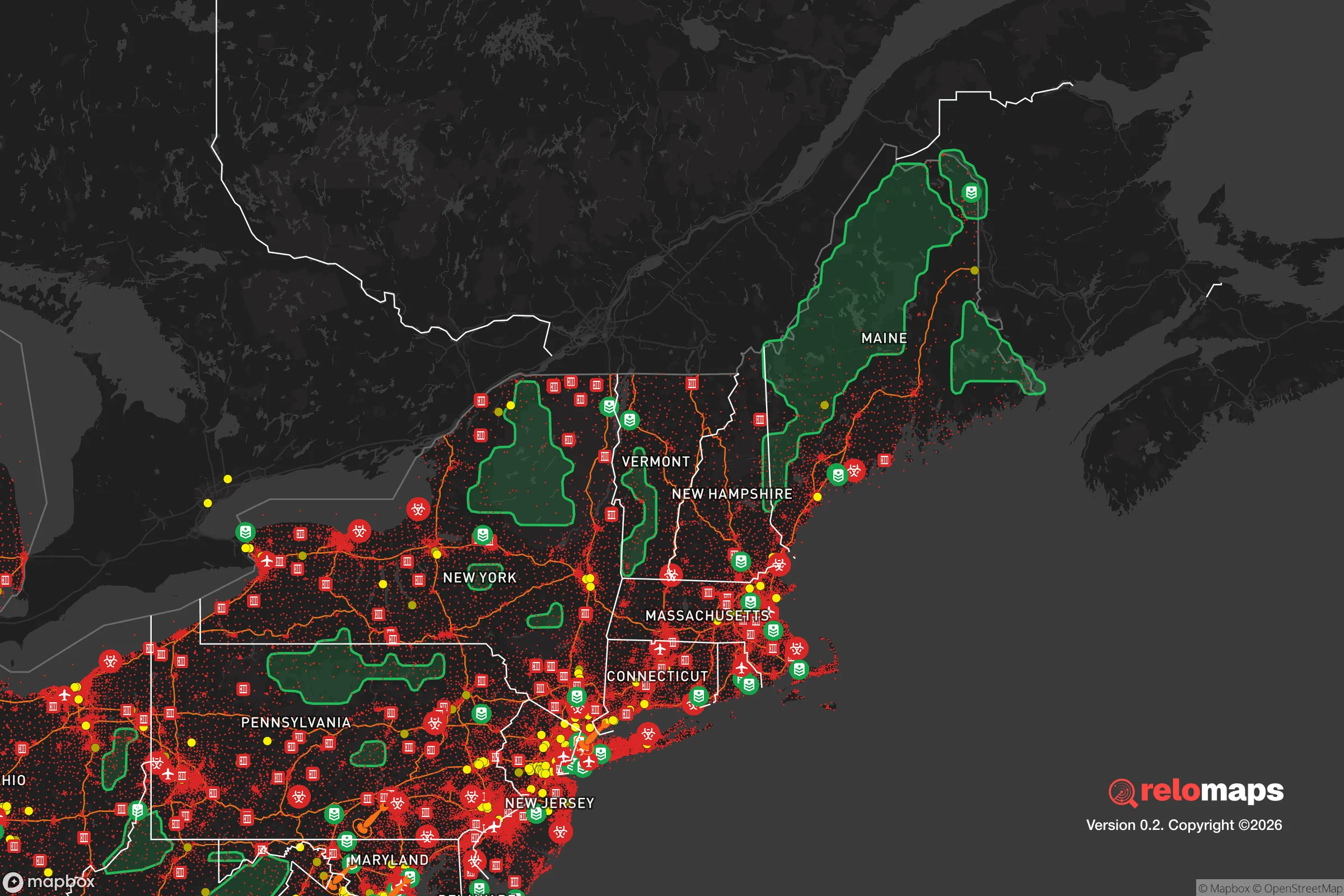


Important Note: For informational purposes only. This does not mean nothing bad ever happens in the green zones. Please use common sense. This is based on public data and modeled with AI. We tried to take a conservative approach but mistakes happen. We update this regularly as new information becomes available.
Solar Generator Recommendations
Backup power matters more here than in safer locations. We've picked three solar generators across budgets and capacity tiers — start with the budget unit if you only need a few essentials, or step up if you want to run a fridge and HVAC for days at a time.

Jackery Portable Power Station Explorer 300
Budget OptionPower on the Go: Weighing only 11 lbs, it's convenient to set up and store with book-sized foldable solar panels

BLUETTI Portable Power Station AC180
Designed for both indoor and outdoor scenarios, AC180 is highly capable as it has a robost capacity and continuous output power.

EF ECOFLOW DELTA Pro Ultra Power Station
Upgraded PickEcoFlow DELTA Pro Ultra is a whole-home energy system designed to grow with your family. Integrated with the Smart Home Panel 2, it scales to meet your evolving energy needs — keeping your home powered, intelligent, and secure through every stage of life.
We earn a commission, at no additional cost to you.
Strategic Assessment Analysis
Rockland, Maine, presents a mixed strategic picture for the conservative prepper or survivalist. Its location on Penobscot Bay offers significant natural advantages for long-term resilience, but its status as a coastal tourism hub and its proximity to a major population center introduce vulnerabilities that require careful consideration. For a single individual or family looking to weather civic unrest, supply chain collapse, or a major disaster, Rockland is not a bug-out utopia, but it could be a viable base of operations if you understand its specific risk profile and plan accordingly.
Geographic position and natural advantages for long-term survival
Rockland’s primary strategic asset is its position on the coast of Maine, roughly halfway between Acadia National Park and Portland. This places it far enough from the Boston-Washington corridor to avoid the immediate fallout of a major urban event, yet close enough to a regional port (Portland, about 80 miles south) for resupply in a stable scenario. The surrounding landscape is a mix of working waterfront, dense forest, and rocky shoreline. The area benefits from a relatively low population density—Knox County has about 40,000 residents spread over 365 square miles—meaning you are not competing with millions for resources. The Gulf of Maine provides a year-round source of protein (lobster, fish, shellfish) and a natural barrier to overland movement from the south. The region’s deep-water harbor, while a commercial asset, also means that in a collapse scenario, it could become a chokepoint for maritime traffic, which is a double-edged sword.
Risks, exposures, and proximity to fallout-relevant landmarks
The most significant risk for Rockland is its exposure to a major event at the Maine Yankee nuclear plant site in Wiscasset, about 25 miles southwest. Though the plant was decommissioned in 1996, the spent fuel remains stored on-site in dry casks. A deliberate attack or catastrophic failure at that facility could render a large swath of mid-coast Maine uninhabitable for decades. Prevailing winds from the southwest would push fallout directly over Rockland. Additionally, the city’s reliance on tourism (the Rockland Breakwater, the Farnsworth Art Museum, and the annual Lobster Festival draw hundreds of thousands of visitors annually) means that in a pandemic or civil unrest scenario, the population could spike unpredictably, straining local food and medical resources. The city itself is a small urban center (about 7,000 year-round residents) with a single hospital (Pen Bay Medical Center) and a limited police force. In a widespread disaster, the hospital would be overwhelmed quickly, and the police would be stretched thin protecting a long, exposed coastline. The proximity to the Atlantic also means vulnerability to storm surge and sea-level rise, though this is a slower-moving threat compared to a nuclear or civil unrest event.
Practical resilience for a relocator: food, water, energy, and defensibility
For a relocator with a prepper mindset, Rockland offers several practical advantages. Food security is strong: the working waterfront means direct access to fresh seafood, and the surrounding farmland (especially in nearby Union, Washington, and Warren) supports dairy, poultry, and vegetable production. The local farmers’ market operates year-round, and there are several community-supported agriculture (CSA) programs. Water is abundant: the area receives about 45 inches of rain per year, and the numerous freshwater ponds and streams (like Chickawaukie Pond and the St. George River) provide reliable sources for filtration. Energy is a mixed bag: the grid is vulnerable to coastal storms (ice storms and nor’easters are common), but the region has a growing number of off-grid solar installations and wood-burning stoves are common in rural homes. The local climate (Zone 5b) allows for a short but productive growing season, and the surrounding forests provide ample firewood. Defensibility is moderate: the city itself is not easily defensible due to its open waterfront and multiple road access points (Route 1, Route 90, and Route 17). However, the rural areas just outside town—especially the inland towns of Hope, Appleton, and Lincolnville—offer terrain that is hilly, wooded, and easily chokepointed. A property with a well, septic, and a wood stove on a dead-end road in those areas would be far more defensible than anything in the city limits. The biggest practical weakness is the lack of a major inland supply route; if Route 1 is blocked or destroyed, resupply from the south becomes difficult.
The overall strategic picture for a conservative relocator
Rockland is not a survivalist’s paradise, but it is a defensible coastal outpost for someone who understands the trade-offs. The area’s strong sense of local community, independent-minded population, and working-class economy align well with conservative values of self-reliance and preparedness. The biggest threat is the Wiscasset spent fuel site, which is a legitimate reason to look further inland (e.g., toward Bangor or the Moosehead Lake region). If you are willing to accept that risk, and if you secure a property with off-grid capabilities in the rural townships west of Rockland, you can build a resilient lifestyle that leverages the ocean for food and the forest for fuel. The key is to avoid the tourist zones and the immediate coastline, and to stockpile supplies for at least 90 days, as the winter months can isolate the area completely. For a single individual or a family willing to put in the work, Rockland offers a realistic, if imperfect, base for weathering the coming storms.

* Values derived from national, state, county, city and local statistics and may differ in a specific area. Last updated: 2026-05-01T16:57:17.000Z
Narrative content on this page is AI-generated and may contain mistakes. Verify any details that matter before acting on them.
ReloMaps may earn a commission from affiliate links at no extra cost to you.

