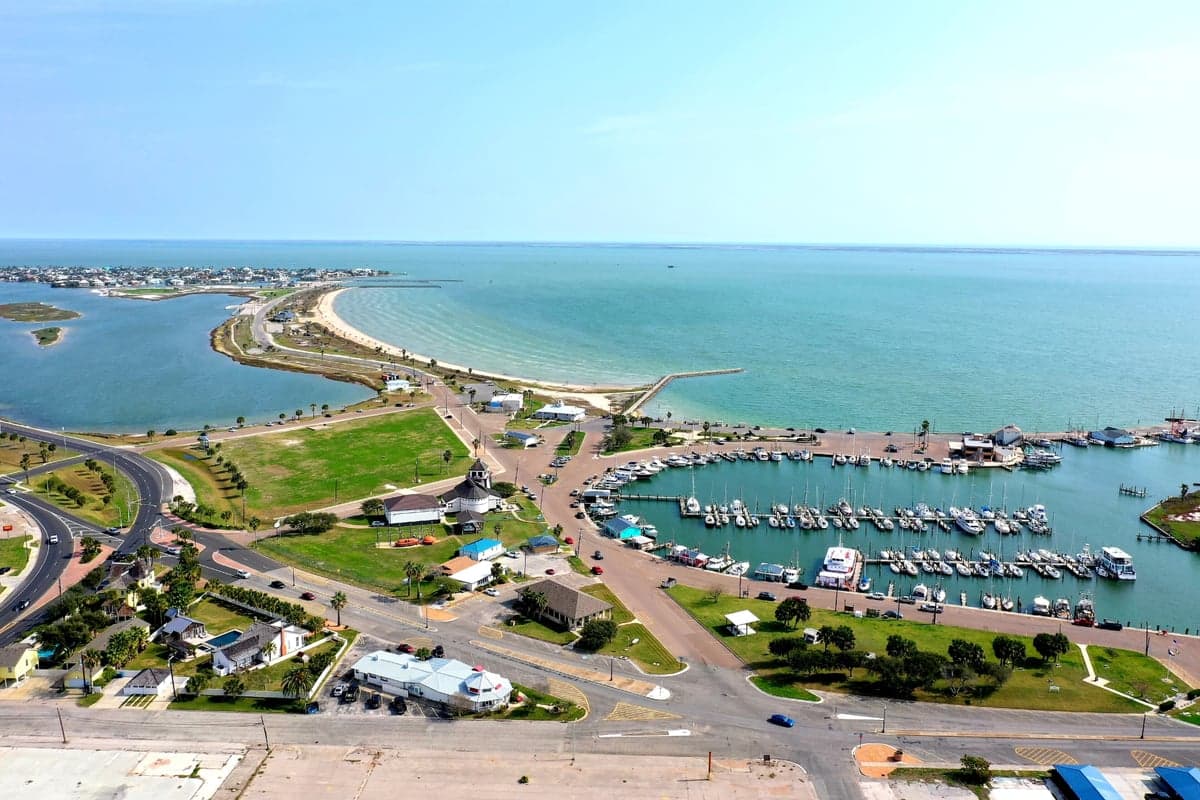
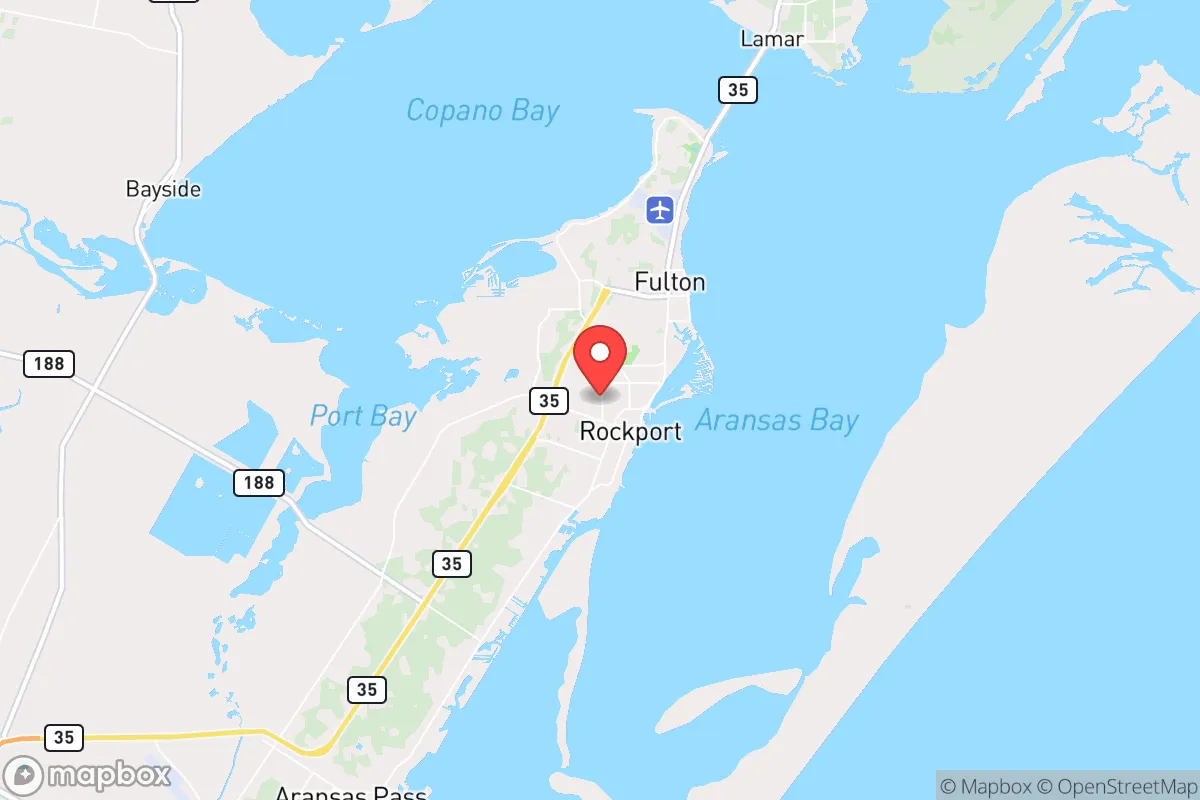
Photo: Wikipedia
Quality of Life in Rockport, TX
A high quality of life with strong walkability, manageable living costs, healthy neighborhood signals, and solid amenity access.
What does Quality of Life tell us?
Quality of Life blends cost of living, nearby amenities, socioeconomic signals, and neighborhood character. City-level scores represent the whole municipality; individual neighborhoods can differ.
What does this tell us?
Quality of Life blends cost of living, nearby amenities, socioeconomic signals, and neighborhood character. City-level scores represent the whole municipality; individual neighborhoods can differ.
Cost of Living
8% above national average
The Real Cost of Living in Rockport, TX for 2026
| Tier | Individual | Family (4) |
|---|---|---|
| Survival | $21k | $39k |
| Comfortable | $56k | $82k |
| Luxury | $114k+ | $177k+ |
| Elite (Top 5%) | $183k+ | $283k+ |
77%
The Area Signal
A metric tracking the socioeconomic signals of the area.
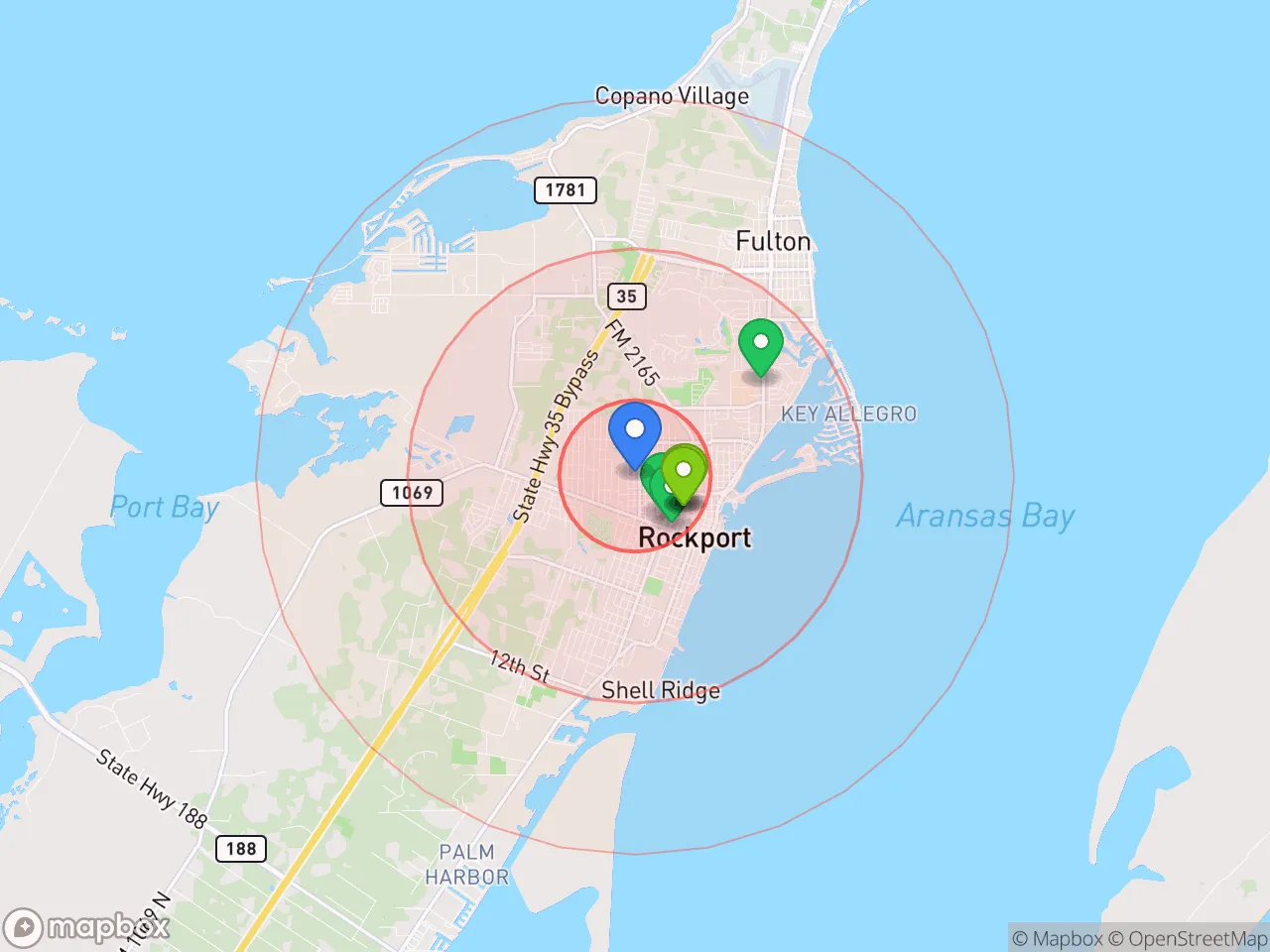
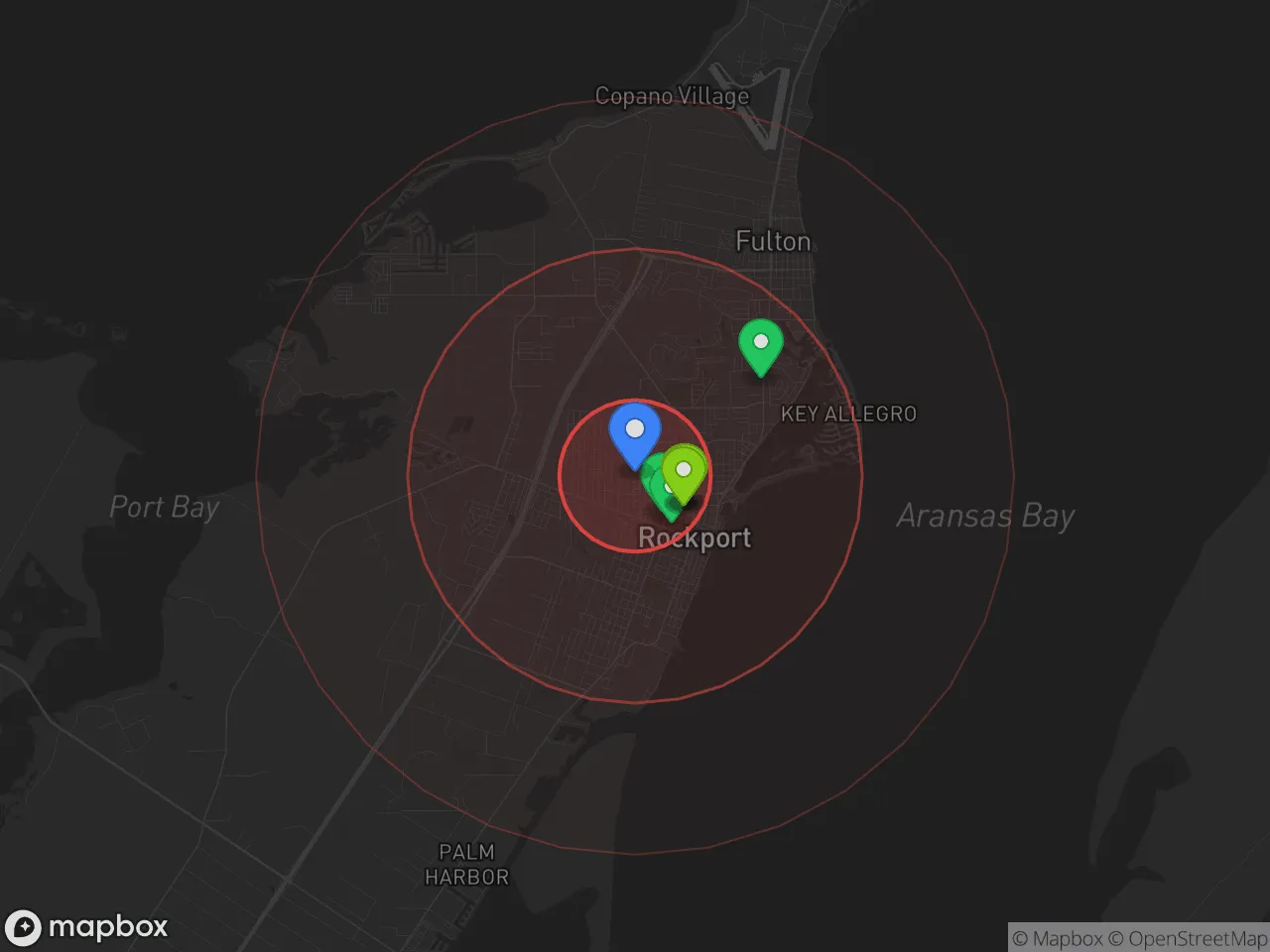
Hobbies
Explore the areaGroceries
2 within 10 miles
Gas
10 within 10 miles
Hospital
0 within 20 miles
Airport
SAN — San Antonio International
Post Office
USPS — Rockport, TX
Critical Amenities
Quality-of-Life Analysis
Rockport, Texas, attracts a mix of affluent retirees, second-home owners, and working-class families drawn to its Gulf Coast lifestyle. With a cost of living index of 108 (just above the U.S. average) and a median home value of $288,600, the area offers a more affordable coastal alternative to nearby Corpus Christi or Port Aransas. The community is known for its laid-back, fishing-oriented culture and a growing population of remote workers seeking small-town charm.
How Rockport's cost of living and housing compare to nearby coastal towns
Rockport's cost of living index of 108 is slightly above the national baseline but remains lower than many Texas coastal destinations. The median home value of $288,600 is roughly 15% below the Texas statewide median, making it one of the more attainable waterfront markets on the Gulf Coast. By contrast, Port Aransas homes often exceed $450,000, while Corpus Christi's median hovers around $220,000 but with higher property crime rates. Renters in Rockport pay a median of $1,306 per month, which is comparable to Corpus Christi but significantly less than the $1,800+ typical in Port Aransas. The average commute of 22.2 minutes is short by national standards, reflecting the town's compact layout and limited congestion. Most residents drive to work within Aransas County, though a portion commutes 30–40 minutes to Corpus Christi for employment. Property taxes in Aransas County are moderate, and no city income tax exists in Texas, further stretching household budgets.
Schools, recreation, and daily-life rhythm for families and retirees
Rockport-Fulton Independent School District serves the area with four elementary schools, one middle school, and Rockport-Fulton High School, which maintains a student-teacher ratio of roughly 14:1. The district's academic ratings are above average for the Coastal Bend region, though not top-tier statewide. Daily life revolves around outdoor recreation: Rockport Beach is a Blue Wave-certified clean beach, and the Fulton Fishing Pier draws anglers year-round. The Rockport Art Center and the annual Rockport Art Festival anchor a modest but active cultural scene. Retirees appreciate the slow pace, with morning walks along the harbor and afternoon birding at the Aransas National Wildlife Refuge (home to the endangered whooping crane). The town's medical needs are served by Care Regional Medical Center, a 25-bed critical access hospital. For major shopping or entertainment, residents drive 30 minutes to Corpus Christi. The rhythm is distinctly seasonal—quiet in winter, bustling with tourists during spring break and summer.
Rockport is best suited for retirees, remote workers, and families who prioritize coastal access, quiet streets, and a tight-knit community over urban amenities. Those seeking nightlife, high-end dining, or rapid career growth will find the town limiting. However, for anyone who values fishing, boating, and a slower pace within a short commute of a mid-sized city, Rockport offers a compelling quality-of-life balance at a price point that remains accessible compared to other Gulf Coast enclaves.

Crime in Rockport, TX
Crime rates similar to the national median for U.S. locations.
Violent CrimeViolent Crime Analysis
Property CrimeProperty Crime Analysis
Crime Analysis
Rockport, Texas, presents a mixed safety profile for prospective residents. The city’s violent crime rate of 212.2 incidents per 100,000 residents sits below the national average but above the Texas state average, while its property crime rate of 1,750.8 per 100,000 exceeds both state and national benchmarks. Unlike large metropolitan areas where progressive district attorneys and judges have been linked to rising recidivism and reduced public safety, Rockport’s local justice system in Aransas County operates under a more traditional, conservative legal framework that prioritizes victim rights and offender accountability. This distinction matters for anyone weighing the trade-offs of small-town coastal living against the risks of property crime.
Crime in context
Rockport’s violent crime rate of 212.2 per 100,000 is roughly 40% lower than the U.S. average of 380 per 100,000, but it is about 20% higher than the Texas statewide average of 177 per 100,000. The property crime rate of 1,750.8 per 100,000, however, is significantly elevated — approximately 30% above the national average of 1,342 per 100,000 and 25% above Texas’s average of 1,400 per 100,000. These figures place Rockport in a category where residents face a notably higher risk of theft, burglary, and larceny compared to the rest of the state, while violent offenses like assault and robbery remain relatively uncommon. The contrast is sharp when compared to larger Texas metros such as Houston or Dallas, where progressive prosecutorial policies have been associated with softer sentencing and higher overall crime rates; Rockport’s conservative judicial environment helps keep violent crime in check even as property crime persists.
What residents experience
For daily life in Rockport, the elevated property crime rate translates into a tangible need for vigilance. Residents commonly report vehicle break-ins, package theft, and burglaries of vacation homes, particularly during off-season months when properties sit empty. The city’s reliance on tourism and seasonal population swells creates opportunities for transient property crime. Violent incidents are rare but not unheard of; most are domestic in nature or alcohol-related, concentrated in a few commercial corridors rather than residential neighborhoods. The Rockport Police Department maintains a visible presence, and community watch programs are active in subdivisions like Key Allegro and Estes Flats. Because Rockport is not a large metro area with a liberal justice system, the risk of repeat offenders cycling back onto the streets is lower — a factor that provides some reassurance to families and retirees considering relocation.
Neighborhood-level variation in crime is modest but worth noting. The historic downtown and waterfront areas see higher rates of petty theft and vandalism, while newer subdivisions on the city’s north side and along Highway 35 tend to report fewer incidents. Gated communities and homes with active security systems experience significantly lower property crime rates. Overall, Rockport’s safety picture is one where property crime demands attention, but violent crime is not a dominant concern — especially when compared to larger, more progressive jurisdictions where systemic leniency has eroded public safety.
* Values derived from national, state, county, city and local statistics and may differ in a specific area. Last updated: 2026-05-14T18:47:15.000Z
Narrative content on this page is AI-generated and may contain mistakes. Verify any details that matter before acting on them.
ReloMaps may earn a commission from affiliate links at no extra cost to you.

