 Popular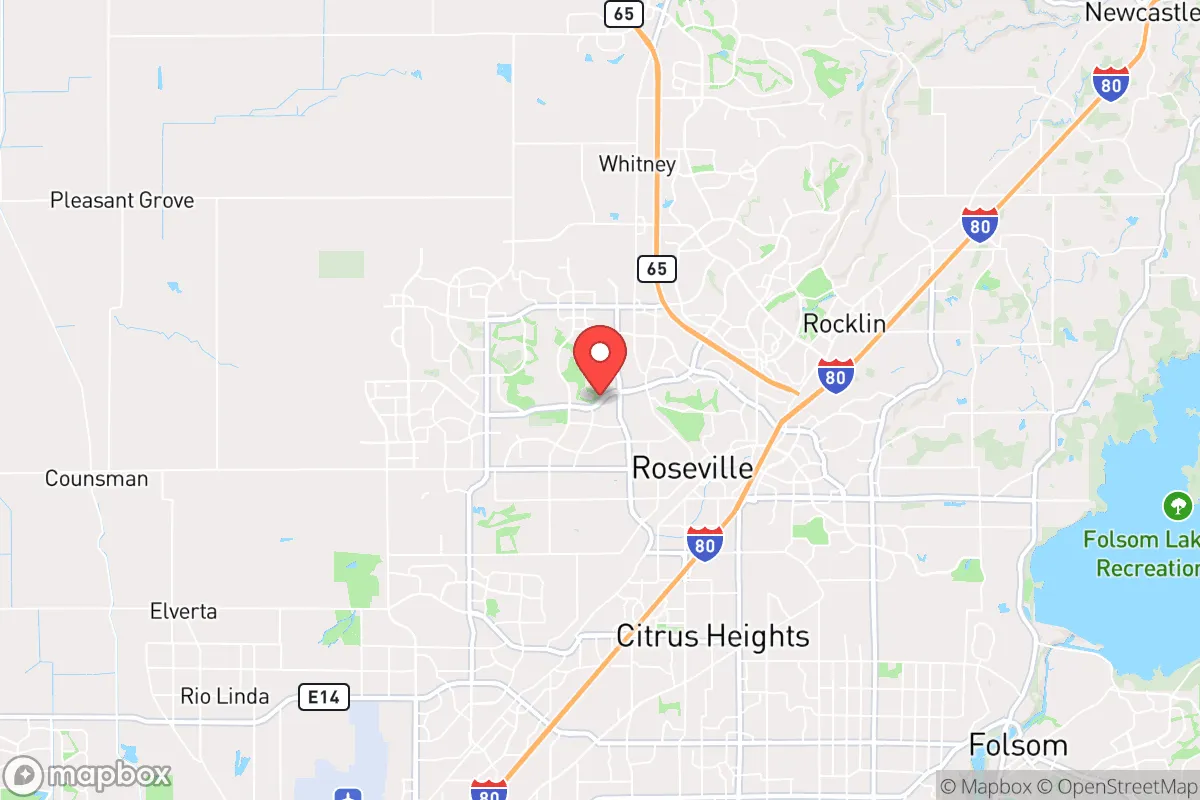
Photo: Wikipedia
Demographics of Roseville, CA
Affluence Level in Roseville, CA
An upper-middle-class area. Household wealth, education levels, and homeownership run ahead of national benchmarks.
People of Roseville, CA
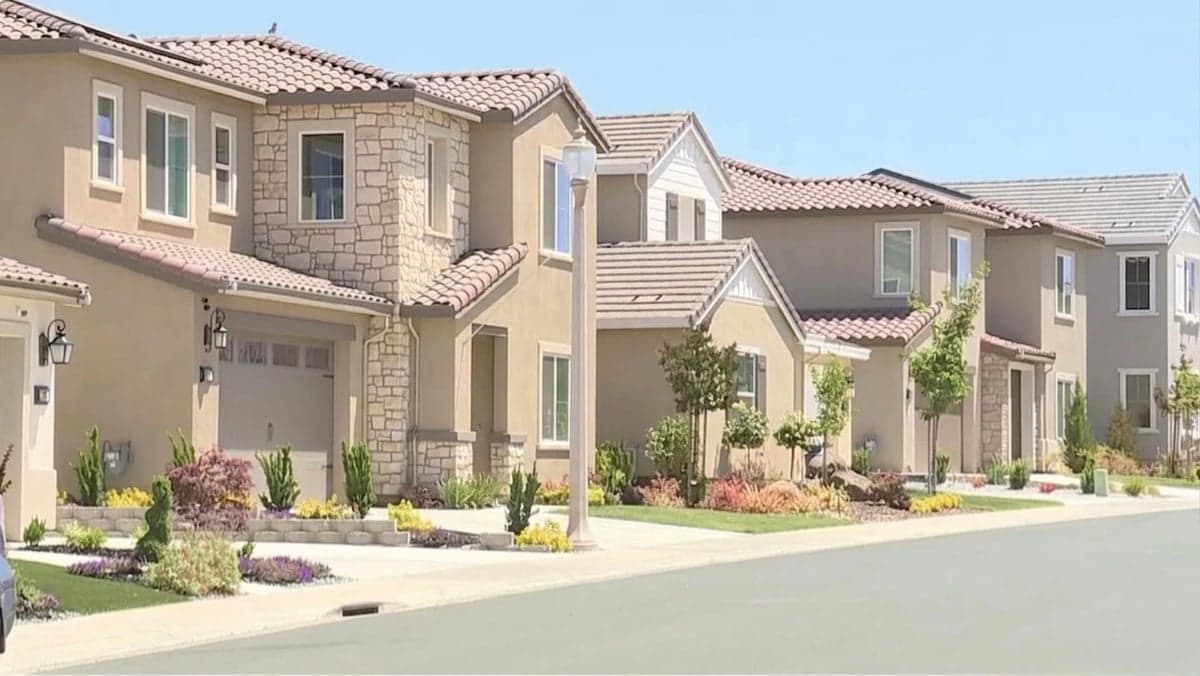
Roseville, California, is a rapidly growing city of 152,438 residents that has transformed from a railroad hub into a prosperous Sacramento suburb. Its population today is predominantly white (62.0%) with a significant Hispanic minority (16.5%) and growing East/Southeast Asian (9.3%) and Indian (3.6%) communities. The city is notably well-educated, with 44.1% of adults holding a college degree, and has a low foreign-born share of just 4.4%, reflecting its character as a destination for domestic migrants rather than a traditional immigrant gateway. Roseville’s identity is shaped by its blend of established families, upwardly mobile professionals, and a strong sense of suburban order.
How the city was settled and grew
Roseville’s population history begins not with agriculture but with the railroad. Founded in 1864 as a junction point for the Central Pacific Railroad, the city’s original population was a mix of railroad workers, including Irish and Chinese laborers who built and maintained the tracks. The Chinese community, though small, was instrumental in the early construction and settled in what is now the Old Town Roseville district, near the rail yards. By the early 20th century, the railroad brought a wave of European immigrants—primarily Italian, German, and Scandinavian families—who found work in the rail yards and supporting industries. These groups established roots in the Riverside and Washington Boulevard neighborhoods, where modest bungalows and worker cottages still stand. The city remained a small railroad town through the 1940s, with a population under 10,000, as the railroad and a handful of fruit-packing plants formed the economic backbone.
Modern era (post-1965)
The post-1965 era marked Roseville’s transformation from a railroad town to a booming suburb. The 1980s and 1990s saw a massive wave of domestic in-migration, driven by Sacramento’s expansion and the construction of Highway 65. White families from the Bay Area and the Central Valley moved in for affordable housing and good schools, settling in master-planned communities like West Park and Diamond Oaks. These neighborhoods, with their large lots and cul-de-sacs, became the heart of Roseville’s middle-class identity. The Hispanic population grew steadily during this period, drawn by construction and service jobs, and concentrated in the North Roseville area and parts of East Roseville, where older, more affordable housing stock exists. The East/Southeast Asian community, primarily Filipino and Vietnamese, began arriving in the 1990s and 2000s, often settling in West Roseville near the newer shopping centers and tech-related employment hubs. The Indian community, though smaller, has grown more recently, with professionals in healthcare and technology choosing neighborhoods like Fiddyment Farm for their proximity to top-rated schools and commute routes to Sacramento and the Bay Area. Notably, Roseville’s foreign-born share remains low at 4.4%, indicating that most growth has come from domestic migration rather than international immigration.
The future
Roseville’s demographic future points toward continued growth and gradual diversification, but not rapid ethnic change. The white population, while still the majority, is slowly declining as a share, while Hispanic and East/Southeast Asian communities are growing through both domestic migration and higher birth rates. The Indian community, though small, is likely to expand as tech and medical sectors draw more professionals. However, Roseville is not tribalizing into distinct ethnic enclaves; instead, newer master-planned communities like West Roseville and Fiddyment Farm are relatively integrated, with ethnic groups dispersed across neighborhoods rather than clustered. The city’s low foreign-born share and high college attainment rate suggest it will remain a destination for educated, middle-class families rather than a primary immigrant gateway. Over the next 10–20 years, expect the population to approach 200,000, with the Hispanic share rising toward 20% and East/Southeast Asian share toward 12%, while the white share drops to around 55%. The Indian community may reach 5–6%, driven by professional migration.
For someone moving to Roseville today, the city offers a stable, family-oriented environment with strong schools and a growing but orderly diversity. It is not a place of rapid ethnic transformation or cultural friction, but rather a suburb where demographic change happens gradually, absorbed into a landscape of planned communities and civic pride. The bottom line: Roseville is becoming a more diverse version of its current self—still predominantly white and domestic-born, but with a steadily growing Hispanic and Asian presence that enriches its suburban character without fundamentally altering it.

* Values derived from national, state, county, city and local statistics and may differ in a specific area. Last updated: 2026-04-24T13:19:52.000Z
Narrative content on this page is AI-generated and may contain mistakes. Verify any details that matter before acting on them.
ReloMaps may earn a commission from affiliate links at no extra cost to you.

