 Popular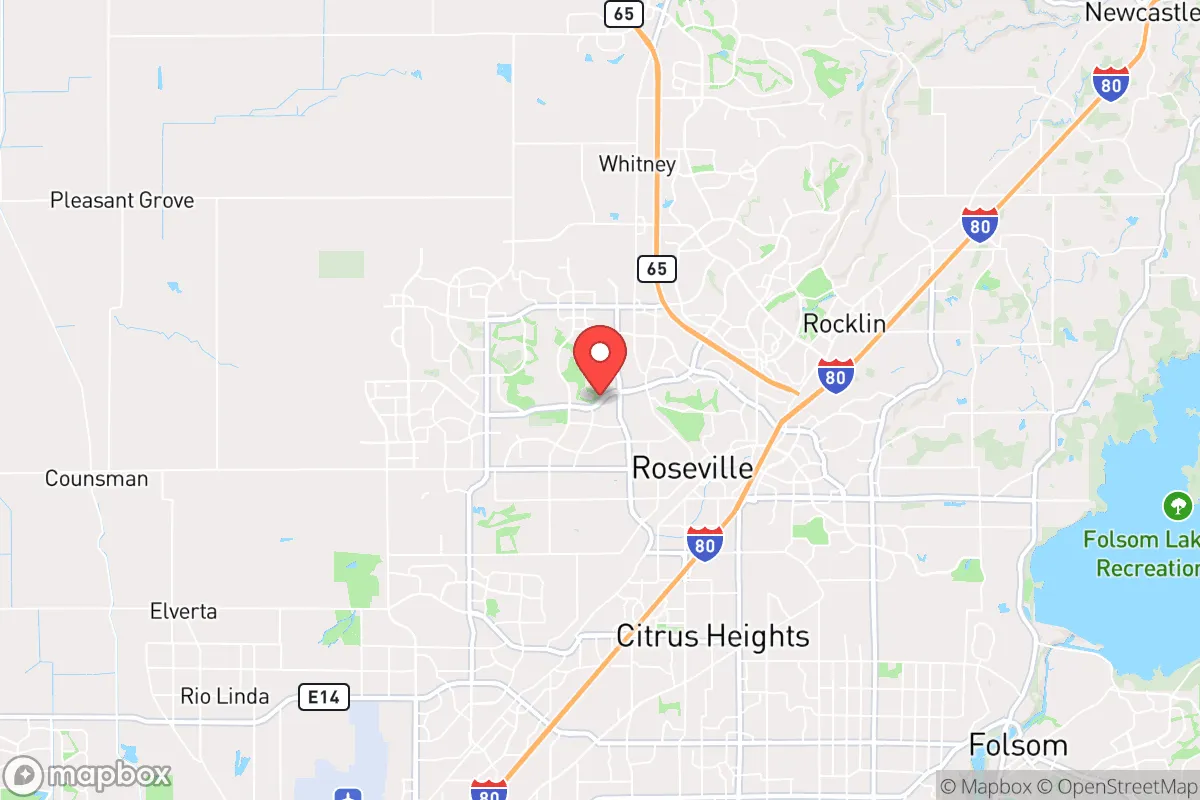
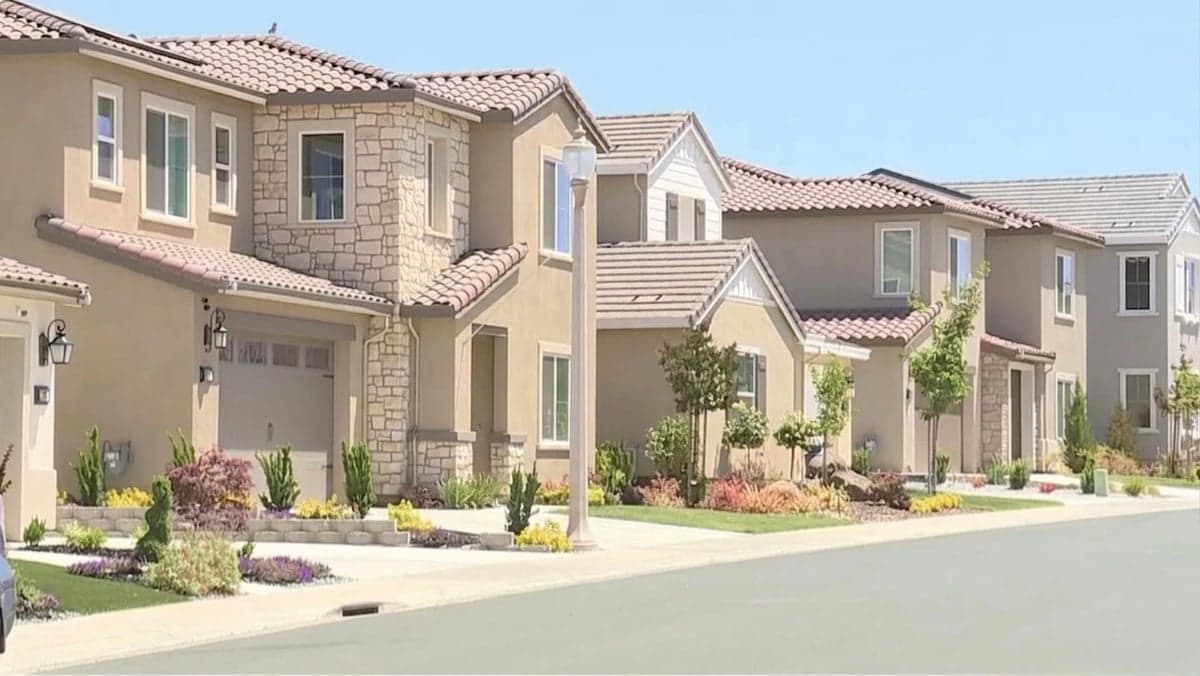
Photo: Wikipedia
Strategic Assessment of Roseville, CA
Multiple tactical vulnerabilities. Population density, target proximity, or disaster risk are likely compounding. A retreat property and exit planning is required.
What does the Strategic Assessment tell us?
Our Strategic Assessment grades tactical survivability of an area. Major population centers, military targets, fallout zones, natural disasters, and border exposure all drive risk — lower exposure means a more defensible position in a crisis.
This is heavily inspired by Joel Skousen's Strategic Relocation book. Highly recommended you checkout the book ($)What does this tell us?
Our Strategic Assessment grades tactical survivability of an area. Major population centers, military targets, fallout zones, natural disasters, and border exposure all drive risk — lower exposure means a more defensible position in a crisis.
This is heavily inspired by Joel Skousen's Strategic Relocation book. Highly recommended you checkout the book ($)Strategic Pillars

Key Distances
Regional Safe Places
Below is our recommended "safe zones" in California and the surrounding area based on our strategic heuristics. For most people, it's unrealistic to live in a “safe zone” full-time due to work, family or other personal reasons. They tend to be more rural. However, many of these areas are perfect for second homes and retreat properties that double as a vacation home or even a short-term rental.

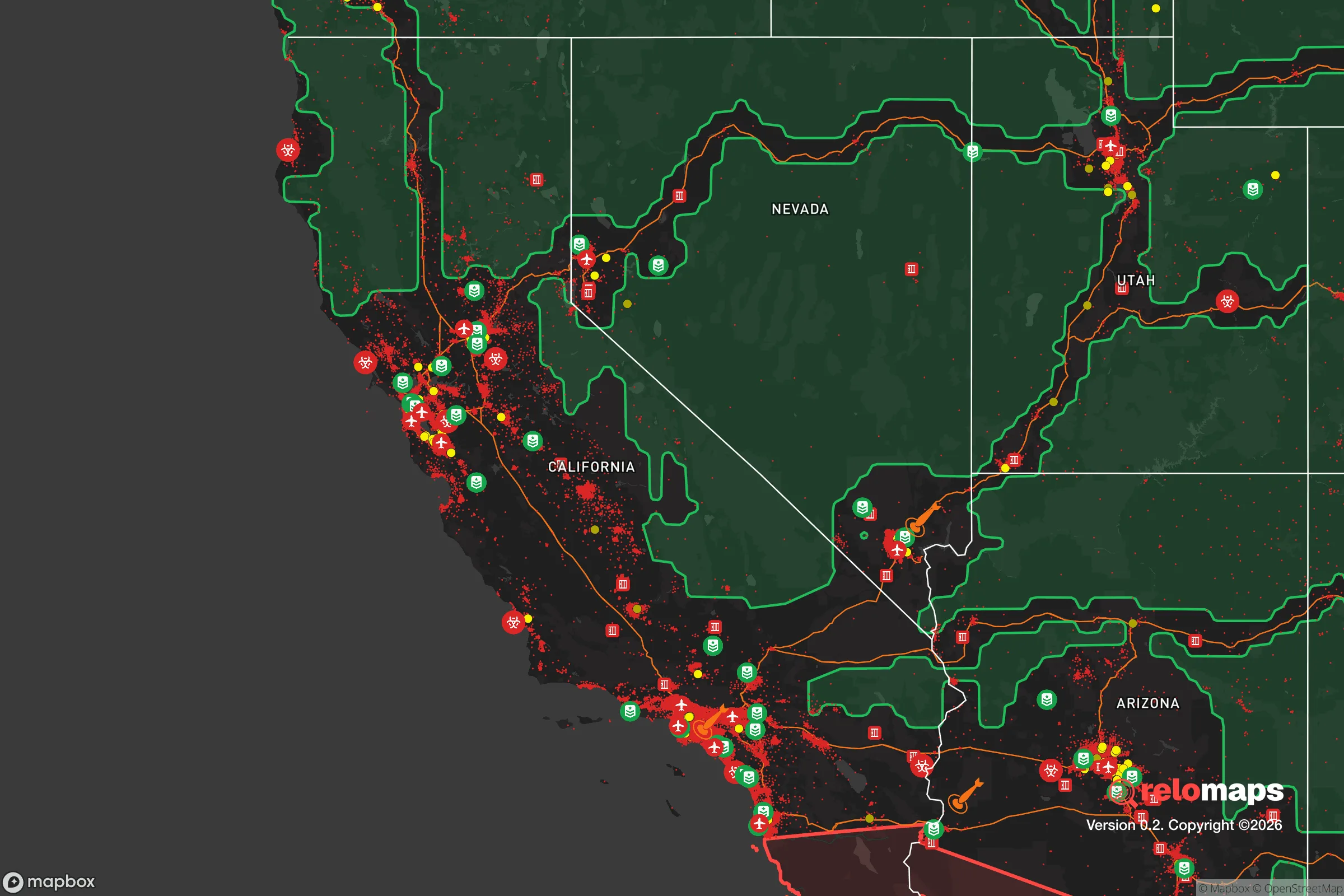


Important Note: For informational purposes only. This does not mean nothing bad ever happens in the green zones. Please use common sense. This is based on public data and modeled with AI. We tried to take a conservative approach but mistakes happen. We update this regularly as new information becomes available.
Solar Generator Recommendations
Backup power matters more here than in safer locations. We've picked three solar generators across budgets and capacity tiers — start with the budget unit if you only need a few essentials, or step up if you want to run a fridge and HVAC for days at a time.

Jackery Portable Power Station Explorer 300
Budget OptionPower on the Go: Weighing only 11 lbs, it's convenient to set up and store with book-sized foldable solar panels

BLUETTI Portable Power Station AC180
Designed for both indoor and outdoor scenarios, AC180 is highly capable as it has a robost capacity and continuous output power.

EF ECOFLOW DELTA Pro Ultra Power Station
Upgraded PickEcoFlow DELTA Pro Ultra is a whole-home energy system designed to grow with your family. Integrated with the Smart Home Panel 2, it scales to meet your evolving energy needs — keeping your home powered, intelligent, and secure through every stage of life.
We earn a commission, at no additional cost to you.
Strategic Assessment Analysis
Roseville, California, presents a mixed strategic picture for the conservative prepper or survivalist family. Its primary resilience advantage lies in its position as a major logistics and transportation hub, anchored by the massive Placer County Government Center and a robust local economy that is less dependent on the coastal tech sector than the Bay Area. However, its proximity to Sacramento and the sprawling Sacramento-San Joaquin Delta region introduces significant vulnerabilities, particularly regarding population density and potential fallout from a major event. For a relocator prioritizing long-term sustainability and defensibility, Roseville is a calculated compromise—offering strong economic stability and infrastructure but demanding a clear-eyed assessment of its exposure to regional risks.
Geographic position and natural advantages for long-term survival
Roseville sits at the western edge of the Sierra Nevada foothills, roughly 20 miles northeast of Sacramento. This location provides a meaningful elevation advantage—the city sits at about 200–300 feet above sea level—which offers some protection against the catastrophic flooding that threatens the Sacramento Valley and Delta regions. The city's position along the Interstate 80 corridor and its proximity to the Union Pacific Railroad's massive rail yard (one of the largest in the western U.S.) make it a critical node for supply chains. For a prepper, this means that in a crisis, Roseville would likely be a priority for resupply and emergency services, but it also means it could become a chokepoint for refugees fleeing the Bay Area or Sacramento. The natural terrain to the east—the Sierra Nevada—offers a potential retreat corridor, but the immediate area is suburban sprawl, not wilderness. The climate is Mediterranean, with hot, dry summers and mild, wet winters, which is favorable for off-grid gardening and rainwater catchment, though drought is a recurring concern.
Risks, exposures, and proximity to fallout-relevant landmarks
The most significant risk for Roseville is its proximity to Sacramento, a major state capital and population center of roughly 500,000 people. In a scenario of civil unrest, mass casualty events, or a major disaster, Sacramento would likely become a focal point for chaos, and Roseville sits directly in the path of any evacuation or refugee flow heading east on I-80. The city is also within 50 miles of the Rancho Seco nuclear power plant (decommissioned but still a potential hazard site) and within 100 miles of the Diablo Canyon nuclear plant on the coast. While the immediate fallout risk from a nuclear event is lower than for communities closer to those plants, the prevailing winds from the west could carry contamination into the region. Additionally, the Sacramento-San Joaquin Delta, a critical water infrastructure system, is vulnerable to earthquake-induced levee failures, which could disrupt water supply and create a humanitarian crisis that spills into Roseville. The city's own infrastructure—including the Roseville Energy Park (a natural gas power plant) and the Placer County Water Agency—is robust but not hardened against a coordinated attack or prolonged grid failure. For a survivalist, the key takeaway is that Roseville is not a remote retreat; it is a suburban node with clear exposure to regional collapse scenarios.
Practical resilience for a relocator: food, water, energy, and defensibility
For a family or individual looking to establish a resilient homestead, Roseville offers a mixed bag. Water is the most critical concern. The city draws from the Placer County Water Agency, which relies on snowmelt from the Sierra Nevada and the Folsom Lake reservoir. In a prolonged drought or after a major earthquake, this supply could be disrupted. A prepper should plan for at least 30–60 days of stored water and consider drilling a private well if purchasing property on the outskirts. Food security is moderate: the region has a strong agricultural base (Placer County is known for rice, almonds, and citrus), but Roseville itself is suburban. Local farmers' markets and community gardens exist, but a serious prepper would need to establish a home garden or join a local food co-op. The city's zoning is generally not friendly to livestock or large-scale homesteading within city limits. Energy is a bright spot: the Roseville Energy Park provides a local power source, and the city has invested in microgrid technology. However, a determined adversary or a major EMP event could still take the grid down. Solar panels with battery storage are a wise investment, and the region's high solar insolation makes this practical. Defensibility is the weakest link. Roseville is a sprawling suburban city with multiple entry points, a large population (over 150,000), and a police force that would be overwhelmed in a major crisis. The city's layout—with its many cul-de-sacs and interconnected neighborhoods—makes it difficult to secure a perimeter. A relocator should prioritize a home on the eastern edge of the city, closer to the foothills, with a clear egress route toward Auburn or Foresthill. Gated communities or properties with significant setbacks offer better defensibility than typical suburban tracts.
The overall strategic picture for Roseville is one of calculated risk. It is not a bug-out location or a remote survivalist retreat, but it offers a strong economic base, decent infrastructure, and a relatively conservative local culture (Placer County leans Republican, and the city has a strong law-and-order reputation). For a family that wants to maintain a professional career while building resilience, Roseville is a viable option—provided you invest in water storage, solar power, and a home defense plan. The city's biggest vulnerability is its location as a suburban buffer zone between Sacramento and the Sierra Nevada. In a crisis, you will not be able to hide; you will need to be prepared to either defend your position or execute a well-rehearsed retreat eastward. If you are looking for a place to ride out the storm while still having access to jobs and services, Roseville is a solid B-tier choice. If you want true isolation and defensibility, look farther into the mountains.

* Values derived from national, state, county, city and local statistics and may differ in a specific area. Last updated: 2026-04-24T13:19:52.000Z
Narrative content on this page is AI-generated and may contain mistakes. Verify any details that matter before acting on them.
ReloMaps may earn a commission from affiliate links at no extra cost to you.

