 Popular
Photo: Wikipedia
Personal Sovereignty in Roseville, CA
Viable for self-reliance. Generally workable, though some barriers may limit total independence.
What does Personal Sovereignty tell us?
Personal Sovereignty measures your capacity for self-reliance and independence with minimal government friction. Higher scores mean fewer barriers between you and the way you want to live... but it assumes you have the space you need and good neighbors.
What does this tell us?
Personal Sovereignty measures your capacity for self-reliance and independence with minimal government friction. Higher scores mean fewer barriers between you and the way you want to live... but it assumes you have the space you need and good neighbors.
State Policy
Energy independence: Importer (33% of energy produced in-state)
Personal Liberty
Homesteading

Personal Liberty Analysis
For the liberty-minded individual or family evaluating Roseville, California, the personal sovereignty picture is a study in contrasts: the city offers a notably higher degree of local autonomy and community self-reliance than much of the state, but it remains firmly under the thumb of California’s aggressively progressive state government. A survivalist or prepper will find a more welcoming environment here than in Sacramento or the Bay Area, with a strong local culture of property rights, self-defense, and civic independence. However, the overarching reality is that you are still operating within a state that taxes heavily, regulates pervasively, and has shown a willingness to override local control on everything from housing mandates to energy policy. The key question is whether Roseville’s local buffer is thick enough to insulate you from Sacramento’s reach.
Tax burden and regulatory posture: How much of your income and freedom does the state take?
California’s tax burden is among the highest in the nation, and Roseville residents are not exempt. The state’s progressive income tax tops out at 13.3% on high earners, and the state sales tax base rate of 7.25% is supplemented by local add-ons, bringing the total in Placer County to roughly 7.75%. Property taxes, while capped at 1% of assessed value under Proposition 13, are levied on a base that has appreciated significantly in recent years, and the state’s Mello-Roos districts can add hundreds to thousands of dollars annually for new developments. On the regulatory front, Roseville’s city government is notably more business-friendly than its coastal counterparts. The city has a streamlined permitting process for new construction and has actively courted manufacturing and logistics employers, which signals a local culture that values economic growth over bureaucratic obstruction. However, state-level regulations—from California Environmental Quality Act (CEQA) lawsuits to strict energy codes for new homes—still apply. For a prepper, this means that while you can build a shop or a garage on your property more easily here than in, say, Berkeley, you will still face state-mandated solar panels, fire-hardening requirements, and potential delays from environmental reviews if you plan any significant land alteration. The net effect is a moderate tax burden by national standards (high for the region) and a regulatory environment that is locally permissive but state-constrained.
Self-defense and gun law specifics: What can you legally own and carry?
This is the most critical area for the survivalist mindset, and the news is mixed. California’s state-level gun laws are among the most restrictive in the nation, and Roseville residents must comply with them. The state bans the sale of new semiautomatic rifles with “assault weapon” features (pistol grips, flash hiders, adjustable stocks), limits magazine capacity to 10 rounds, requires a 10-day waiting period and a background check for all firearm purchases, and mandates a Firearm Safety Certificate. Concealed carry is a “may-issue” system in practice, though the Supreme Court’s Bruen decision has forced many counties to become more permissive. Placer County, which includes Roseville, has historically been more supportive of Second Amendment rights than Sacramento or San Francisco. The county sheriff’s office has issued concealed carry permits to qualified applicants, though the process still requires a good cause statement, a training course, and a fee. Open carry of handguns is generally prohibited, and open carry of long guns is legal only in unincorporated areas with specific restrictions. For the prepper, this means you can own a handgun and a bolt-action rifle without much hassle, but building a “battle rifle” or stockpiling standard-capacity magazines is illegal. The local culture is pro-gun, but the state law is the ceiling. If self-defense is your top priority, Roseville is far better than Los Angeles or San Francisco, but it is not a free state like Texas or Arizona.
Self-reliance and homesteading viability: Lot sizes, zoning, and off-grid feasibility
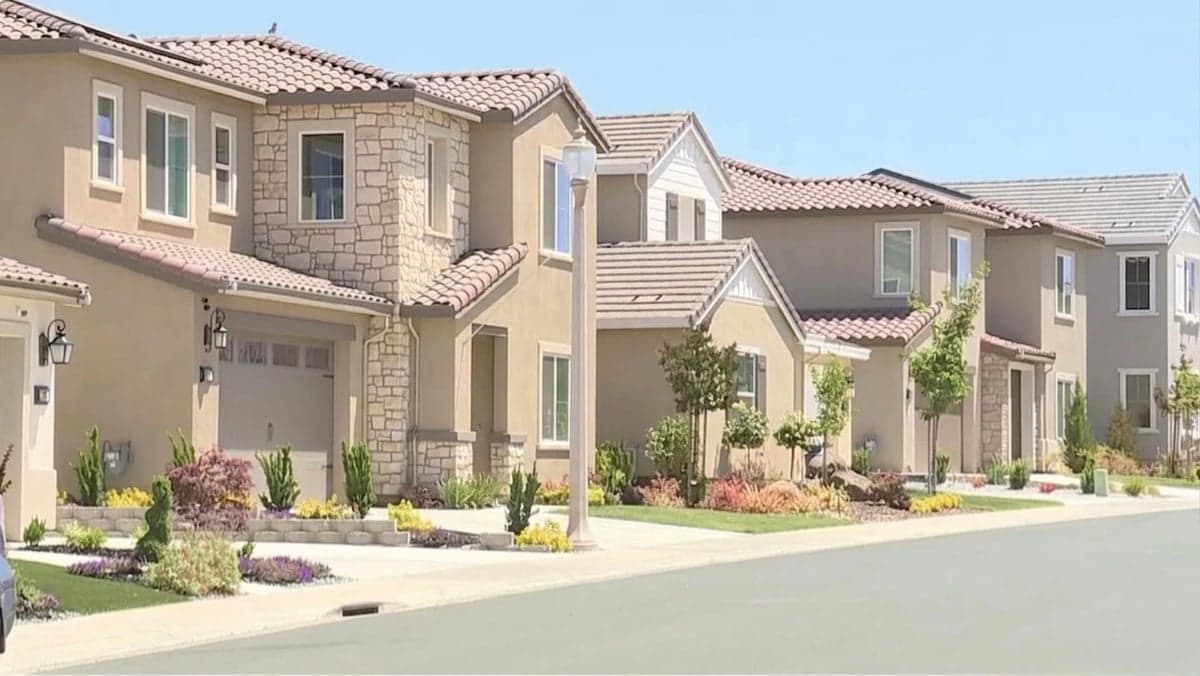
Roseville is a sprawling suburban city, and the vast majority of its residential lots are standard subdivision parcels of 0.15 to 0.25 acres. This is not homesteading country. Zoning codes in the city limits prohibit keeping livestock (chickens are allowed in some areas with a permit, but goats, pigs, and horses are generally not), and the city’s municipal code requires connection to the public water and sewer systems. Off-grid living—solar panels with battery storage, rainwater catchment, composting toilets—is technically possible but heavily regulated. The city requires permits for solar installations, and while net metering is available, disconnecting from the grid entirely is not permitted for residential properties. For a serious prepper seeking land for food production, water independence, and a retreat, the unincorporated areas of Placer County east of Roseville (like Newcastle or Auburn) offer much larger parcels—1 to 20 acres—with fewer restrictions. In those areas, you can keep livestock, drill a well, install a septic system, and build a shop or bunker with less bureaucratic interference. Within Roseville itself, the best you can do is a suburban garden and a backup generator. The city’s fire code also mandates defensible space around structures, which limits the accumulation of brush or woodpiles. For the survivalist, Roseville is a good base for access to supplies and community, but the actual homesteading must happen outside the city limits.
Personal liberties: Parental rights, medical autonomy, speech, and property
On parental rights, California state law has moved aggressively in recent years to assert state authority over children’s education and healthcare. The state’s “Safe Place to Learn Act” and related laws prohibit schools from notifying parents if a child requests a change in gender identity or pronouns, a policy that directly conflicts with the parental rights many conservative families hold sacred. Roseville’s local school board has been a battleground on this issue, with conservative members pushing for parental notification policies, but state law preempts local control. On medical autonomy, California mandates vaccination for school attendance (with limited medical exemptions) and has a strict regulatory environment for alternative treatments. The state’s public health orders during the COVID-19 pandemic were among the most restrictive in the nation, and while Roseville’s local officials pushed back, they were ultimately overruled by the state. Free speech is protected by the First Amendment, but California’s “hate speech” laws and workplace harassment regulations create a chilling effect on certain political or religious expressions. Property rights are stronger in Roseville than in many California cities. The city does not have rent control, and zoning is generally stable. However, the state’s housing mandates (like SB 9, which allows duplexes on single-family lots) are beginning to erode the character of established neighborhoods. For the liberty-minded individual, the local culture in Roseville is far more respectful of personal autonomy than the state government. You will find neighbors who share your values, churches that support traditional families, and a city council that is skeptical of state overreach. But the legal framework is still California’s.
In the final analysis, Roseville offers a relatively high degree of personal sovereignty for a California city, but it is still California. The local culture is conservative, the city government is pragmatic, and the community is supportive of self-reliance and self-defense. However, the state’s tax burden, gun laws, and parental rights policies are significant constraints. For a survivalist or prepper, Roseville works best as a base of operations—a place to earn a living, build a network, and access supplies—while maintaining a more independent property in the nearby foothills. Compared to the Bay Area or Los Angeles, Roseville is a sanctuary. Compared to Texas, Florida, or Idaho, it is a compromise. If you are willing to navigate the state’s regulatory maze and pay the tax premium, you can carve out a life of significant personal freedom here. But if total sovereignty is your non-negotiable goal, you will eventually need to look beyond California’s borders.

* Values derived from national, state, county, city and local statistics and may differ in a specific area. Last updated: 2026-04-24T13:19:52.000Z
Narrative content on this page is AI-generated and may contain mistakes. Verify any details that matter before acting on them.
ReloMaps may earn a commission from affiliate links at no extra cost to you.

