 Popular
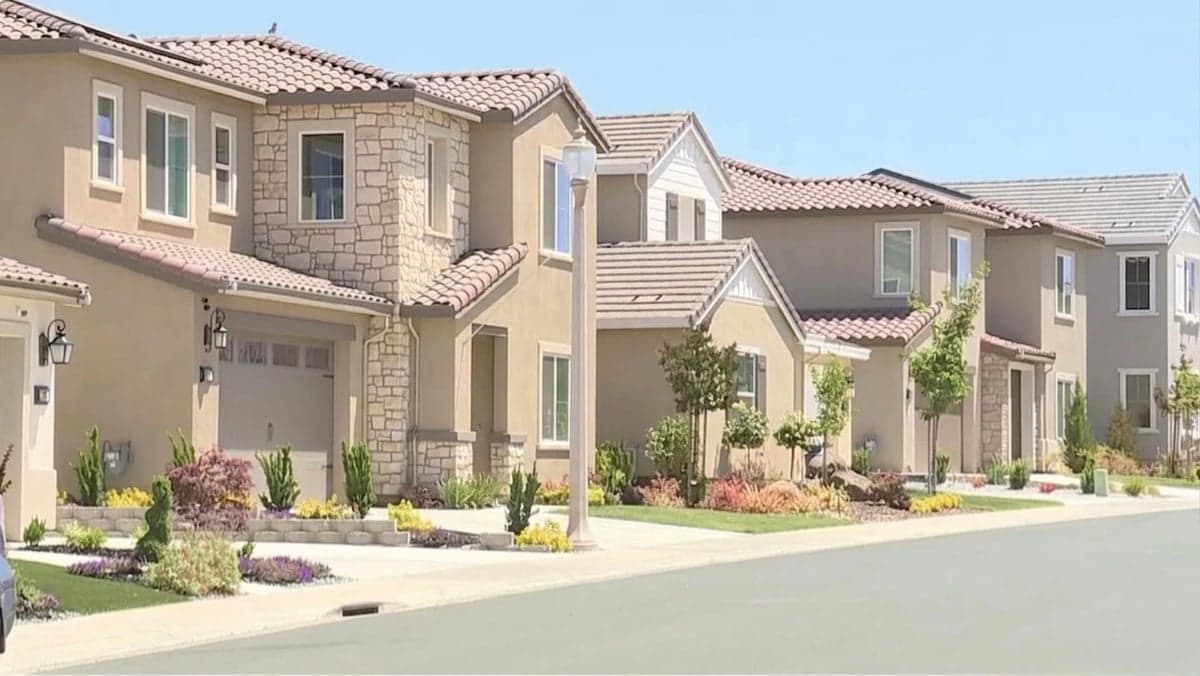
Photo: Wikipedia
Quality of Life in Roseville, CA
A high quality of life with strong walkability, manageable living costs, healthy neighborhood signals, and solid amenity access.
What does Quality of Life tell us?
Quality of Life blends cost of living, nearby amenities, socioeconomic signals, and neighborhood character. City-level scores represent the whole municipality; individual neighborhoods can differ.
What does this tell us?
Quality of Life blends cost of living, nearby amenities, socioeconomic signals, and neighborhood character. City-level scores represent the whole municipality; individual neighborhoods can differ.
Cost of Living
98% above national average
The Real Cost of Living in Roseville, CA for 2026
| Tier | Individual | Family (4) |
|---|---|---|
| Survival | $33k | $63k |
| Comfortable | $118k | $173k |
| Luxury | $173k+ | $268k+ |
| Elite (Top 5%) | $203k+ | $315k+ |
68%
The Area Signal
A metric tracking the socioeconomic signals of the area.
Hobbies
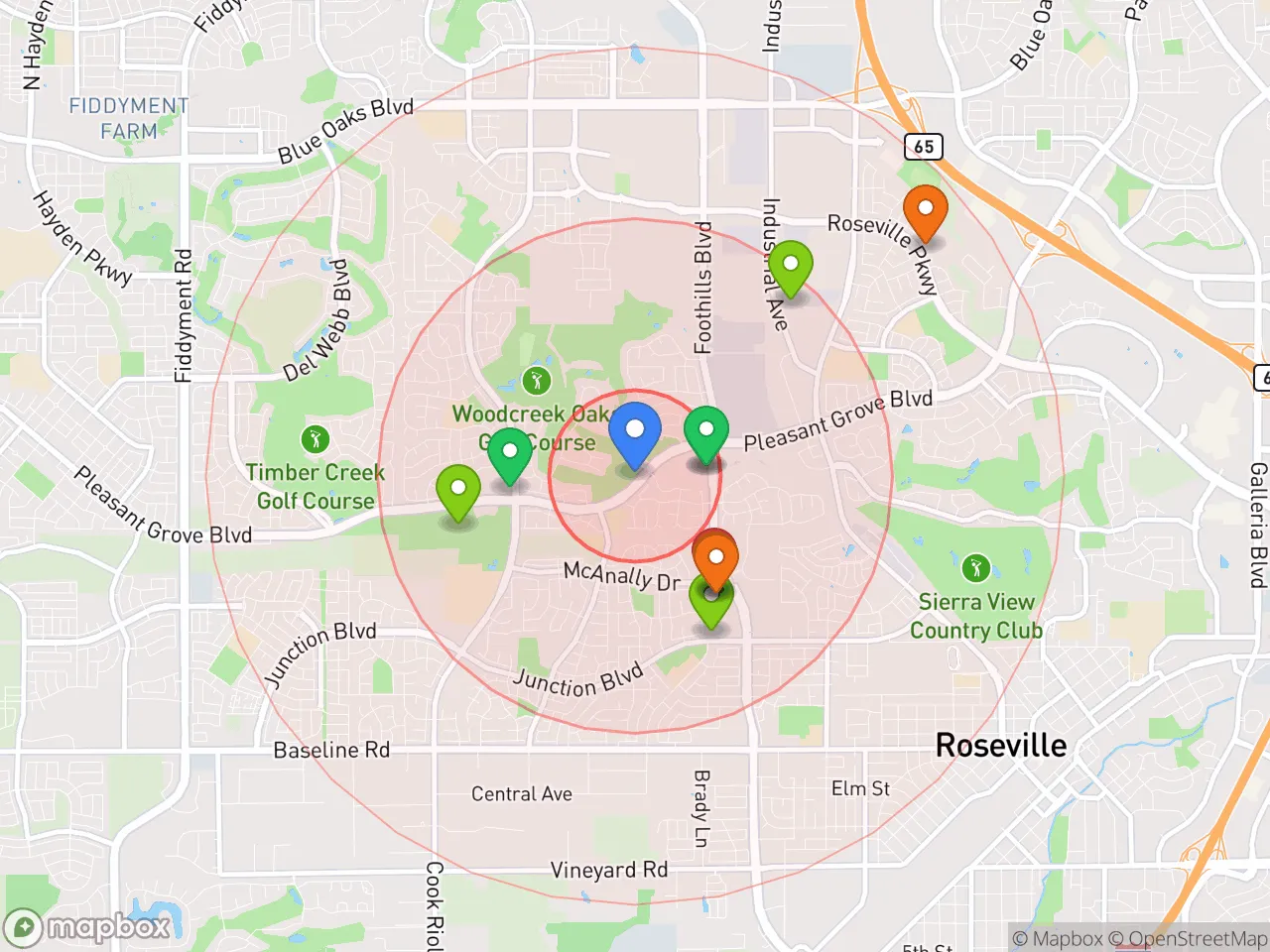
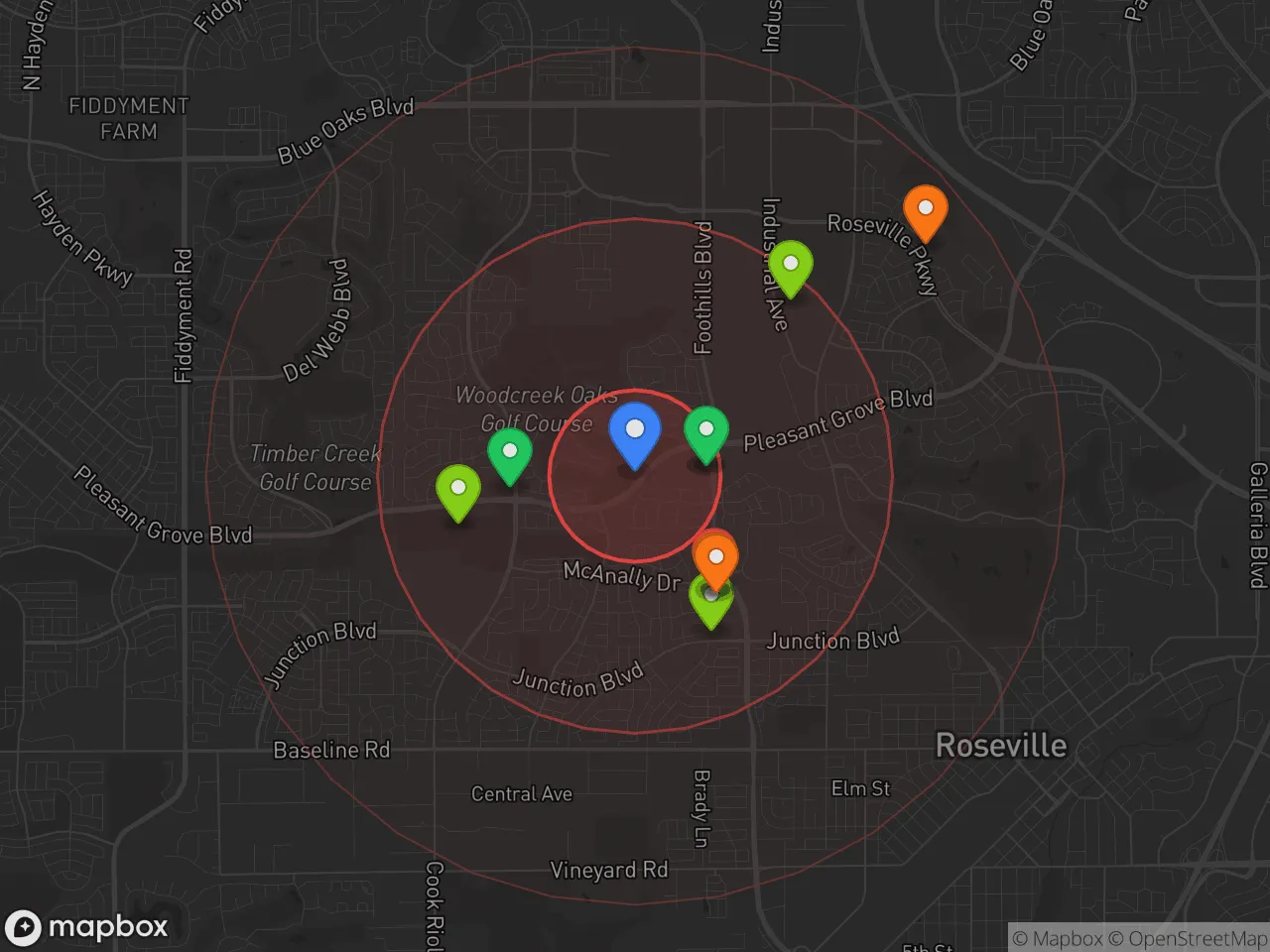
Explore the areaGroceries
9 within 10 miles
Gas
20 within 10 miles
Hospital
20 within 20 miles
Airport
SAN — Oakland San Francisco Bay
Post Office
USPS — Roseville, CA
Critical Amenities
Quality-of-Life Analysis
Roseville, California, presents a quality of life defined by affluence and suburban stability, attracting a demographic of upper-middle-class families, professionals, and long-term residents who prioritize safety, strong schools, and convenient access to the Sacramento metropolitan area. With a cost of living index of 198—nearly double the national average—the city commands a premium for its well-maintained neighborhoods and low crime rates, drawing people who can afford the trade-off for a quieter, more predictable lifestyle than what is found in pricier Bay Area suburbs or the denser core of Sacramento.
Cost of living, housing, and affordability compared to nearby areas
Roseville’s housing market is the primary driver of its elevated cost of living. The median home value sits at $630,600, and the median rent is $2,099 per month. While these figures are steep relative to the national baseline, they are notably lower than in the Bay Area—for example, comparable homes in San Jose or Fremont often exceed $1.2 million—making Roseville a more attainable option for commuters who work in the Bay Area but seek a larger home and yard. Compared to nearby Sacramento, where the median home value is roughly $420,000, Roseville is about 50% more expensive, but it offers newer housing stock, lower crime rates, and higher-rated schools. The average commute time of 27.6 minutes reflects the city’s role as a bedroom community; many residents drive to jobs in Sacramento (about 20 minutes west) or to tech hubs in Placer County and the Bay Area via Interstate 80. For renters, the $2,099 median rent is manageable for dual-income professional households but strains single earners, and the rental vacancy rate has tightened to around 3% as of 2025, pushing prices upward.
Daily life, amenities, and school quality for families
Daily life in Roseville centers on a well-planned suburban rhythm. The city boasts over 60 parks, the expansive Maidu Regional Park, and the Roseville Sports Center, while the Westfield Galleria at Roseville provides a major shopping and dining hub. The public school system, primarily under the Roseville City School District and Roseville Joint Union High School District, consistently earns ratings of 7 to 9 out of 10 on GreatSchools, with Woodcreek High School and Roseville High School noted for strong Advanced Placement programs and extracurriculars. Commuters rely heavily on I-80 and Highway 65, which can become congested during peak hours, pushing the average commute to 27.6 minutes. The city’s low violent crime rate—roughly 1.5 incidents per 1,000 residents, well below the national average—reinforces its appeal for families with children. Weekend life often includes trips to Folsom Lake for boating or hiking, or short drives to downtown Sacramento for cultural events, but most daily errands and entertainment remain within Roseville’s own boundaries.
Roseville is best suited for professionals and families who value safety, space, and school quality over urban excitement or low housing costs. The high cost of living filters out lower-income households, creating a relatively homogeneous socioeconomic environment. Those who thrive here are typically dual-income couples earning a combined $120,000 or more, or remote workers with Bay Area salaries who want a larger home and yard. Singles or renters on a tight budget may find the city financially stressful, but for the target demographic, Roseville delivers a predictable, amenity-rich suburban life with strong community ties and easy access to both Sacramento and the Sierra Nevada foothills.

Crime in Roseville, CA
Generally safer than 67% of comparable U.S. locations.
Violent CrimeViolent Crime Analysis
Property CrimeProperty Crime Analysis
Crime Analysis
Roseville, California, reports a violent crime rate of 190.8 incidents per 100,000 residents and a property crime rate of 1,283.9 per 100,000, according to the most recent data. While these figures place Roseville below the national average for violent crime, the property crime rate is notably higher than both the California state average and the national median. The overall safety picture is complicated by the city’s location within the Sacramento metropolitan area, where progressive prosecutorial policies in surrounding counties have been linked to reduced incarceration rates and increased recidivism, a dynamic that directly impacts public safety in Roseville.
Crime in context
Roseville’s violent crime rate of 190.8 per 100,000 is roughly 45% lower than the national average of about 370 per 100,000, and significantly below the California state average of approximately 440 per 100,000. However, its property crime rate of 1,283.9 per 100,000 is about 20% higher than the national average of roughly 1,100 per 100,000 and well above the California average of approximately 1,000 per 100,000. This disparity reflects a pattern seen across the broader Sacramento region, where property offenses—particularly vehicle theft and burglary—have risen sharply. The presence of large retail corridors like the Westfield Galleria and extensive residential subdivisions creates ample opportunity for property crime, a challenge exacerbated by what critics describe as a lenient justice system in Placer County and neighboring jurisdictions.
What residents experience
For daily life in Roseville, the low violent crime rate means that random acts of violence are rare, and most neighborhoods feel safe during daylight hours. Residents report that property crime is the primary concern, with package theft, vehicle break-ins, and catalytic converter thefts being common complaints on neighborhood social media groups. The city’s police department maintains a visible presence and has invested in license-plate-reading cameras and community policing programs, but the effectiveness of these measures is undercut by what many view as a revolving-door justice system. In Placer County and the broader Sacramento metro area, progressive district attorneys and judges have championed policies like zero-bail, reduced sentencing for nonviolent property offenses, and diversion programs. While intended to reduce incarceration, these policies have resulted in repeat offenders cycling through the system quickly, directly increasing the likelihood that property crimes will affect Roseville residents. Victims often express frustration that stolen property is rarely recovered and that perpetrators face minimal consequences, a reality that erodes trust in the justice system.
Neighborhood-level variation in Roseville is significant. Older, established areas like East Roseville and the central core near the historic downtown tend to have lower crime rates, while newer developments on the city’s western and northern edges—particularly near Highway 65 and the Galleria—see higher concentrations of property crime. Gated communities and HOAs with private security offer an additional layer of protection, but they are not immune to the broader regional trends. For those considering a move to Roseville, the data suggests that while violent crime is not a major concern, the combination of elevated property crime and a progressive legal environment that prioritizes offender rehabilitation over public safety warrants careful consideration. Prospective residents should research specific neighborhoods, review local police reports, and factor in the cost of comprehensive home and auto insurance.
* Values derived from national, state, county, city and local statistics and may differ in a specific area. Last updated: 2026-04-24T13:19:52.000Z
Narrative content on this page is AI-generated and may contain mistakes. Verify any details that matter before acting on them.
ReloMaps may earn a commission from affiliate links at no extra cost to you.

