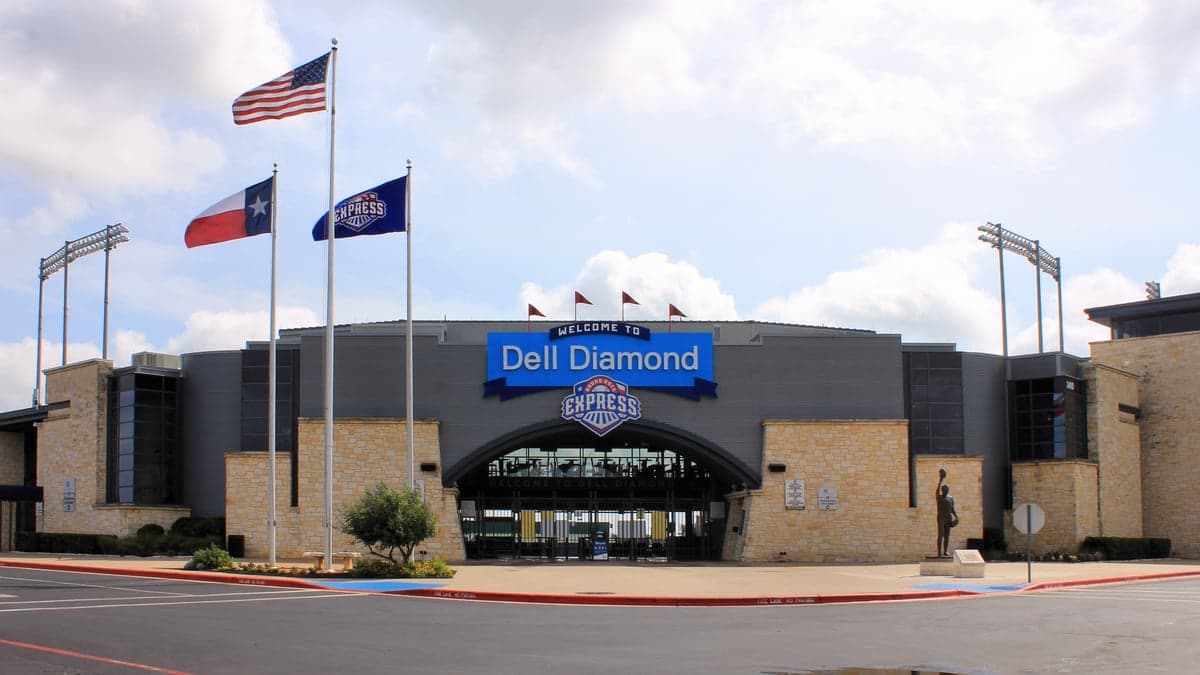
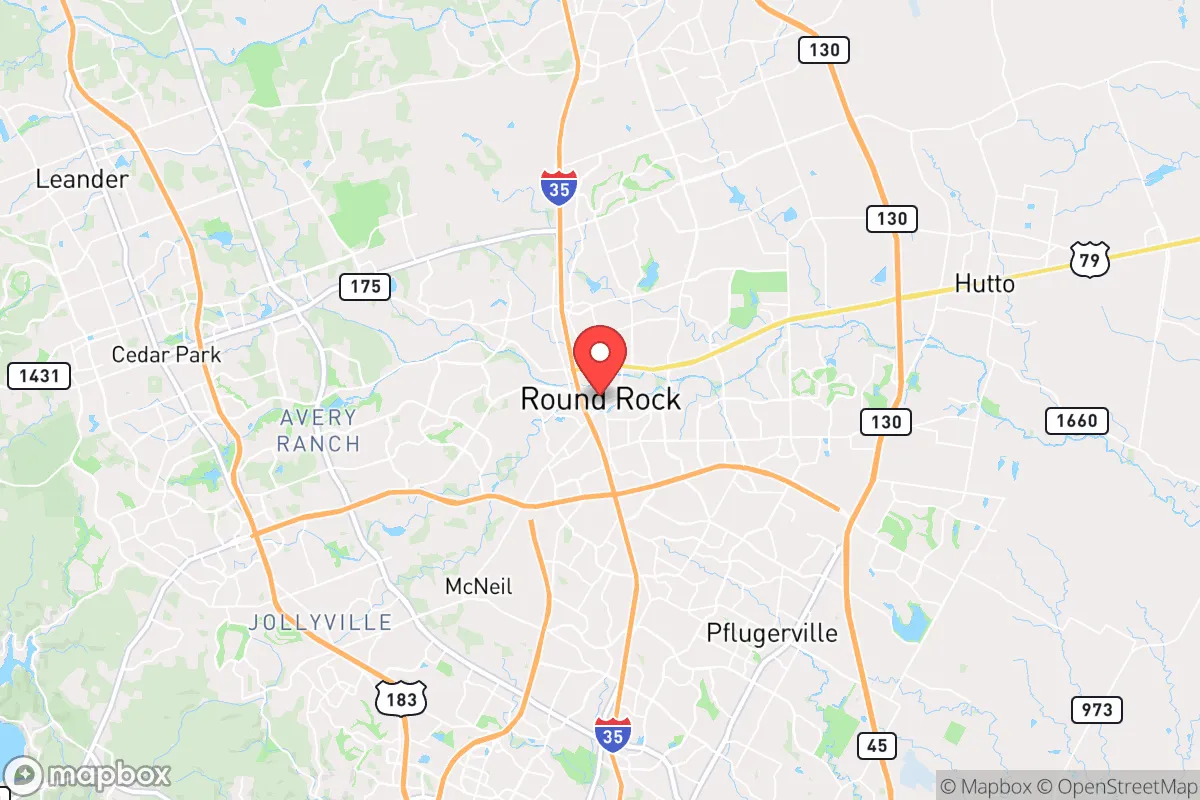
Photo: Wikipedia
Quality of Life in Round Rock, TX
A high quality of life with strong walkability, manageable living costs, healthy neighborhood signals, and solid amenity access.
What does Quality of Life tell us?
Quality of Life blends cost of living, nearby amenities, socioeconomic signals, and neighborhood character. City-level scores represent the whole municipality; individual neighborhoods can differ.
What does this tell us?
Quality of Life blends cost of living, nearby amenities, socioeconomic signals, and neighborhood character. City-level scores represent the whole municipality; individual neighborhoods can differ.
Cost of Living
43% above national average
The Real Cost of Living in Round Rock, TX for 2026
| Tier | Individual | Family (4) |
|---|---|---|
| Survival | $27k | $51k |
| Comfortable | $75k | $110k |
| Luxury | $161k+ | $249k+ |
| Elite (Top 5%) | $189k+ | $293k+ |
89%
The Area Signal
A metric tracking the socioeconomic signals of the area.


Hobbies
Explore the areaGroceries
2 within 10 miles
Gas
0 within 10 miles
Hospital
3 within 20 miles
Airport
AUS — Austin-Bergstrom International
Post Office
USPS — Austin, TX
Critical Amenities
Quality-of-Life Analysis
Round Rock, Texas, stands as one of the most affluent and family-oriented suburbs in the Austin metro area, with a cost of living index of 143—43% above the national average—reflecting its desirability among professionals, tech workers, and families seeking top-tier schools and low crime rates. The city’s population of roughly 130,000 skews younger and more educated than the state average, with a median age around 34 and over 40% of adults holding a bachelor’s degree or higher. This demographic profile drives a daily rhythm centered on career growth, school activities, and outdoor recreation, making Round Rock a magnet for those who prioritize stability and convenience over urban nightlife.
Cost of living, housing, and affordability compared to Austin
Round Rock’s housing market is expensive by national standards but remains a relative bargain compared to central Austin. The median home value sits at $383,700, roughly $100,000 less than the Austin citywide median, while the median rent of $1,713 is about $300 cheaper per month than comparable rentals in downtown Austin. This price gap is the primary driver of Round Rock’s popularity: households earning the area’s median income of $85,000 can afford a mortgage on a typical home with a 20% down payment, whereas in Austin proper, the same income would require a longer commute or a smaller property. Property taxes in Williamson County average 1.8% of assessed value—higher than the national norm but lower than Travis County’s 2.1%—adding roughly $6,900 annually on a median-priced home. Renters face a tighter market, with vacancy rates below 5% and annual rent increases averaging 6% since 2020, though new apartment construction along the SH-45 corridor is beginning to ease pressure.
What daily life is like for families: schools, parks, and commute
Daily life in Round Rock revolves around the highly rated Round Rock Independent School District (RRISD), which serves over 48,000 students and includes nationally recognized campuses like Cedar Ridge High School and Walsh Middle School. The district’s average SAT score of 1170 and graduation rate of 95% consistently rank among the top 10% in Texas, drawing families who prioritize education. Outside school hours, the city’s 2,600-acre park system—anchored by the 640-acre Old Settlers Park with its sports complex, disc golf course, and aquatic center—provides ample recreation. The average commute of 24.4 minutes is notably shorter than Austin’s 28-minute average, thanks to direct access to I-35 and SH-45, though rush-hour congestion on I-35 between Round Rock and downtown Austin can stretch that to 40 minutes. For errands and dining, the La Frontera mixed-use development and the Round Rock Premium Outlets offer retail and restaurants within a 10-minute drive from most neighborhoods.
Round Rock is best suited for families and professionals who want a suburban lifestyle with strong schools, manageable commutes, and a lower cost of living than central Austin, but who can absorb the above-average housing and property tax costs. Singles and young renters may find the social scene limited compared to Austin’s downtown, while retirees on fixed incomes might struggle with the high cost of living index. For those who value safety—the city’s violent crime rate is 60% below the national average—and access to Austin’s job market without living in the urban core, Round Rock delivers a balanced, predictable quality of life that justifies its premium price tag.

Crime in Round Rock, TX
Generally safer than 73% of comparable U.S. locations.
Violent CrimeViolent Crime Analysis
Property CrimeProperty Crime Analysis
Crime Analysis
Round Rock, Texas, reports a violent crime rate of 120.6 incidents per 100,000 residents and a property crime rate of 1,441.9 per 100,000, based on the most recent data. While these figures place Round Rock below the national average for violent crime, the property crime rate is a notable concern for residents. The city's overall safety picture is shaped by its status as a growing suburb of Austin, where regional crime trends and local law enforcement strategies intersect.
Crime in context
Round Rock's violent crime rate of 120.6 per 100,000 is roughly 60% lower than the national average of 380 per 100,000, and also significantly below the Texas state average of 447 per 100,000. This positions Round Rock as a relatively safe large suburb in terms of violent offenses like homicide, robbery, and aggravated assault. However, the property crime rate of 1,441.9 per 100,000 is about 10% higher than the national average of 1,300 per 100,000, driven largely by theft and vehicle break-ins. Readers should be aware that Round Rock falls within Williamson County, which has historically elected conservative district attorneys and judges. This prosecutorial approach contrasts sharply with neighboring Travis County (Austin), where progressive criminal justice reforms have been linked to higher recidivism and reduced accountability for property offenders. The proximity to a large metro area with a liberal justice system means that criminals operating regionally may cross jurisdictional lines, potentially impacting Round Rock's property crime numbers.
What residents experience
For daily life, Round Rock residents report that violent crime is rare and often confined to specific circumstances, such as domestic disputes or isolated incidents near late-night businesses. The more tangible concern is property crime, particularly theft from vehicles and package theft, which are common in apartment complexes and neighborhoods near major retail corridors like I-35 and SH 45. Residents in subdivisions with active neighborhood watch programs or private security patrols generally report fewer incidents. The city's police department maintains a visible presence, with response times averaging under 10 minutes for priority calls, and they actively use automated license plate readers and crime mapping tools to track patterns. However, the broader regional context matters: progressive policies in Austin, such as reduced jail bookings and diversion programs for theft, have been criticized for creating a "catch-and-release" environment that emboldens repeat offenders. Round Rock's location as a wealthy target just 20 minutes from Austin means it can attract criminals who know they face minimal consequences if caught in the more lenient Travis County system.
Neighborhood-level variation is significant. Areas west of I-35, including the Forest Creek and Paloma Lake subdivisions, consistently report the lowest crime rates, with violent crime nearly nonexistent and property crime rates below 800 per 100,000. In contrast, older neighborhoods near downtown Round Rock and apartment complexes along University Boulevard see property crime rates exceeding 2,000 per 100,000. The city's safest pockets are those with higher home values, gated entries, and strong homeowners' associations. Prospective residents should prioritize properties in the western and northern parts of the city and verify specific street-level data through the Round Rock Police Department's online crime map before committing to a lease or purchase.
* Values derived from national, state, county, city and local statistics and may differ in a specific area. Last updated: 2026-04-19T07:25:10.000Z
Narrative content on this page is AI-generated and may contain mistakes. Verify any details that matter before acting on them.
ReloMaps may earn a commission from affiliate links at no extra cost to you.

