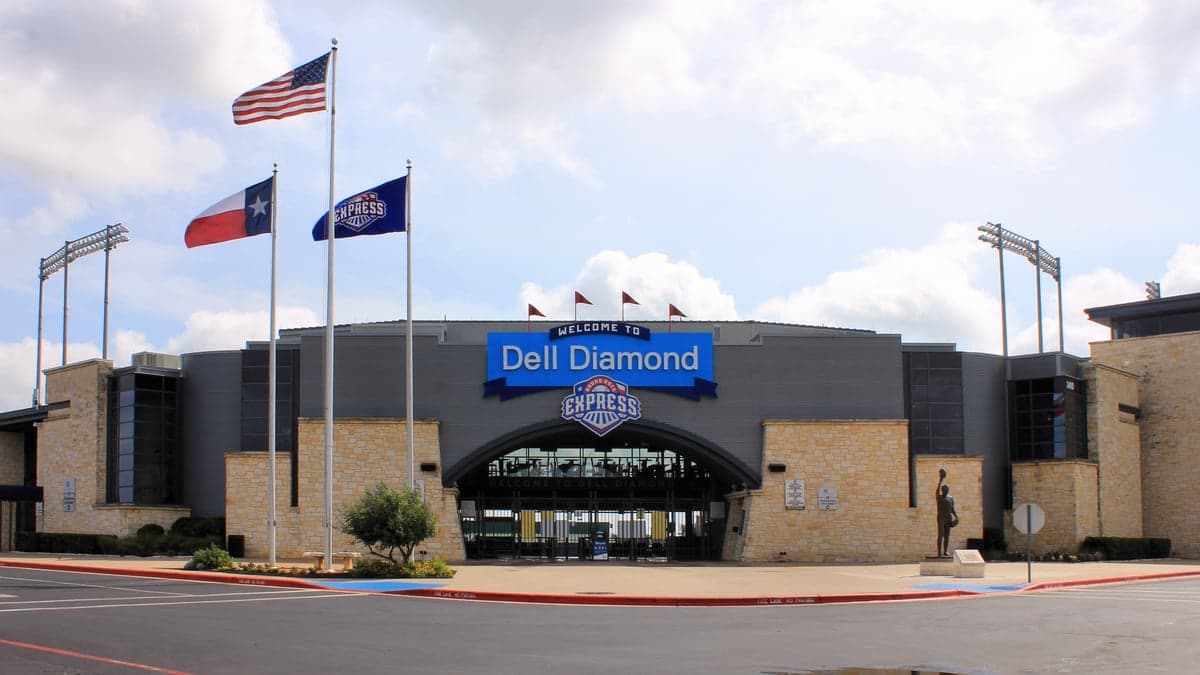

Photo: Wikipedia
Political ClimatePolitical Climate in Round Rock, TX
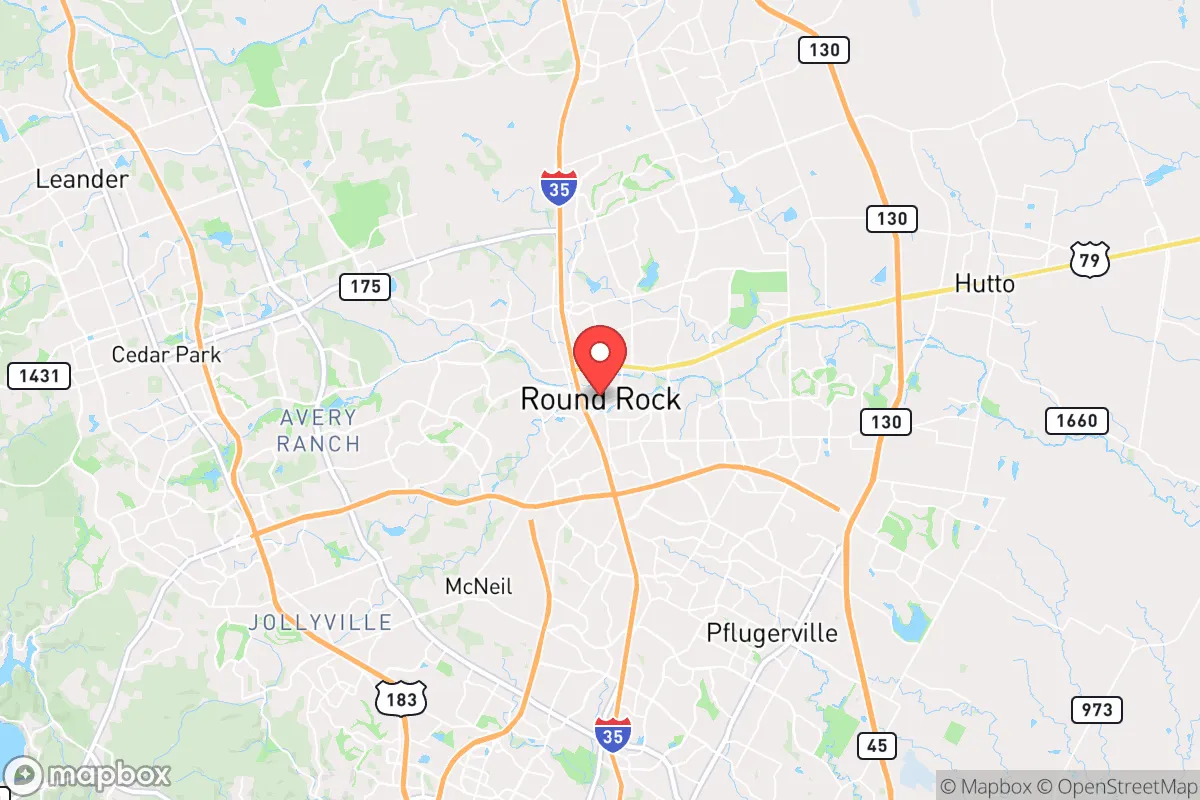
District shown is the primary district for this city’s centroid. Cities may span multiple districts.
Local Political AnalysisPolitical Analysis of Round Rock, TX
Round Rock has long been a reliably conservative community, and that hasn’t changed much even as the Austin metro area has grown like crazy. The Cook PVI rating of R+14 tells you the real story here—this isn’t some purple swing town; it’s a place where Republican candidates can count on winning by double digits in most elections. But if you’ve lived here as long as I have, you’ve noticed the political winds shifting a bit, especially as folks from California and the Northeast move in. The core of Round Rock still leans solidly red, but the edges are getting a little frayed, and that’s worth keeping an eye on.
How it compares
Drive ten miles south into Austin proper, and you’re in a completely different world—a deep-blue city where progressive policies on taxes, policing, and land use are the norm. That contrast is stark. Round Rock feels like a refuge from that kind of government overreach. Compare us to nearby Georgetown, which is even more conservative (think R+20 or so), or to Pflugerville, which has shifted noticeably left in recent years. Round Rock sits right in the middle—conservative enough to keep property taxes lower than Austin’s and to avoid the worst of the homelessness and crime spillover, but not so far right that it’s hostile to business growth. That balance is what makes it work, but the worry is that as more people flood in from blue states, they’ll bring their voting habits with them. We’ve already seen a few city council races get tighter than they used to be.
What this means for residents
For the average family here, the conservative lean means you get to keep more of your paycheck. Round Rock’s property tax rate is about 20% lower than Austin’s, and there’s no city income tax—Texas doesn’t have one, and that’s not changing anytime soon. The local government generally stays out of your business when it comes to things like school curriculum, business regulations, and Second Amendment rights. You can still open-carry in most places, and the city hasn’t gone down the road of defunding the police like some nearby towns have flirted with. Crime rates here are roughly half the national average, and that’s directly tied to a law-and-order approach that residents overwhelmingly support. The downside? If you’re hoping for more progressive policies on things like public transit or affordable housing mandates, you’ll be disappointed. But for most folks, that’s a feature, not a bug.
The cultural and policy distinctions in Round Rock are subtle but real. You won’t find the kind of aggressive zoning changes or “missing middle” housing experiments that Austin has pushed through. The city has resisted a citywide plastic bag ban and hasn’t adopted sanctuary city policies, which keeps things simpler for businesses and families alike. The long-term trajectory is the big question. If the metro area keeps growing at its current pace—and it shows no signs of slowing—Round Rock could eventually face pressure to shift left. But for now, it remains one of the most stable conservative suburbs in Central Texas, a place where you can still raise a family without feeling like the government is breathing down your neck. Just keep an eye on those city council elections; that’s where the real change will start, if it ever does.

State Political ClimatePolitical Climate in Texas
State Political AnalysisPolitical Environment in the State
Texas has been a reliably Republican state for decades, but the political landscape is far more complex than a simple red-state label suggests. The dominant coalition remains conservative, anchored by a strong rural and suburban base, but the state has seen a notable shift toward competitiveness in recent cycles, driven by explosive population growth in urban centers like Austin, Dallas, and Houston. Over the past 10-20 years, the GOP’s grip has tightened in some areas while loosening in others, with the 2020 and 2024 elections showing a narrowing margin at the presidential level—though statewide offices remain firmly in Republican hands. For a conservative-leaning individual or family, Texas still offers a robust environment for traditional values, but the cultural and political winds are shifting in ways that demand attention.
Urban vs. rural divide
The political map of Texas is a study in contrasts. The vast rural expanse—places like Lubbock, Amarillo, and the Panhandle—votes overwhelmingly Republican, often by margins of 70% or more. These areas are the backbone of the state’s conservative identity. Meanwhile, the major metros tell a different story. Austin has become a progressive stronghold, with Travis County delivering some of the largest Democratic margins in the state. Dallas and Houston are more mixed, with urban cores trending blue while suburbs like Collin County (north of Dallas) and Fort Bend County (southwest of Houston) have flipped from red to purple or even blue in recent cycles. El Paso remains a Democratic bastion, while San Antonio and Corpus Christi lean more moderate but are slowly drifting left. The key battleground is the suburban ring—places like Katy, Frisco, and Round Rock—where educated, affluent voters are increasingly splitting tickets or voting Democratic, a trend that has made statewide races tighter than they were a decade ago.
Policy environment
Texas’s policy environment is a mixed bag for conservatives. On the plus side, there is no state income tax, a major draw for families and businesses. The regulatory posture is generally business-friendly, with minimal red tape compared to states like California or New York. Property taxes, however, are among the highest in the nation, which can be a shock for newcomers. Education policy has been a flashpoint: the state has expanded school choice through programs like the Texas Education Savings Account, but battles over curriculum and library content continue. Healthcare remains a sore spot—Texas has the highest uninsured rate in the country, and the state has refused to expand Medicaid, a stance that pleases fiscal conservatives but frustrates those who want more access. Election laws have been tightened with the passage of SB 1 in 2021, which added voter ID requirements and limited mail-in voting, a move that drew national criticism but was popular among conservatives concerned about election integrity. Overall, the policy environment leans conservative, but the high property tax burden and ongoing fights over education and healthcare are real concerns for anyone moving here.
Trajectory & freedom
When it comes to personal freedom, Texas has been a leader in some areas and a laggard in others. On the positive side, the state has expanded gun rights significantly—permitless carry (HB 1927) became law in 2021, allowing most adults to carry a handgun without a license. Parental rights have been strengthened through the passage of the Texas Parental Bill of Rights, which gives parents more say in their children’s education and medical decisions. Medical autonomy took a hit, however, with the state’s strict abortion ban (SB 8 and the trigger law) and the ongoing debate over medical marijuana, which remains highly restricted. Property rights are generally strong, but local zoning battles in fast-growing suburbs can feel intrusive. The biggest concern for freedom-minded residents is the growth of government overreach in the name of public health or safety—during the pandemic, local mandates varied wildly, and the state’s response was a patchwork. Overall, Texas is still freer than most states, but the trend is toward more regulation, not less, especially in urban areas.
Civil unrest & political movements
Texas has seen its share of political turbulence. The 2020 protests in Austin and Dallas over racial justice turned violent at times, leading to property damage and a lasting sense of unease among residents. The border crisis has been a constant flashpoint, with Governor Abbott’s Operation Lone Star drawing both praise and legal challenges. Immigration politics are front and center—sanctuary city bans are in place, but the reality on the ground is that border communities like El Paso and the Rio Grande Valley are deeply affected by federal policy. Secession rhetoric has flared up among some conservative groups, but it remains fringe. Election integrity controversies have been a major theme since 2020, with the state’s new voting laws sparking lawsuits and protests from the left. A new resident would notice the strong presence of activist groups on both sides—from Moms for Liberty on the right to Indivisible on the left—and the constant tension over cultural issues like transgender rights and critical race theory in schools.
Projection
Looking ahead 5-10 years, Texas is likely to become more politically competitive, not less. The in-migration from blue states—California, New York, Illinois—is bringing a wave of voters who are more moderate or liberal, especially in the suburbs. The Hispanic vote, long a target for Republicans, is shifting slowly toward Democrats in some areas, though it remains up for grabs. The rural vote will stay red, but its influence will shrink as the population concentrates in the metros. For a conservative moving in now, the expectation should be that the state will continue to have a Republican legislature and governor, but the margins will tighten. The biggest wildcard is how the state handles growth—if it can keep taxes low and maintain its business-friendly climate, it may hold onto its conservative character. If not, the progressive drift seen in Austin could spread to Dallas and Houston faster than many expect.
For a new resident, the bottom line is this: Texas still offers a strong foundation for conservative values—low taxes, gun rights, and a culture of personal responsibility—but it is not immune to the national trends. The state is a battleground in miniature, and the fight over its future is happening in every school board meeting, county commission, and state legislative session. If you’re moving here, expect to be part of that fight, and plan accordingly. The freedom you find will depend on where you land—rural Texas is one world, suburban Texas another, and urban Texas a third. Choose your county wisely.
* Values derived from national, state, county, city and local statistics and may differ in a specific area. Last updated: 2026-04-19T07:25:10.000Z
Narrative content on this page is AI-generated and may contain mistakes. Verify any details that matter before acting on them.
ReloMaps may earn a commission from affiliate links at no extra cost to you.

