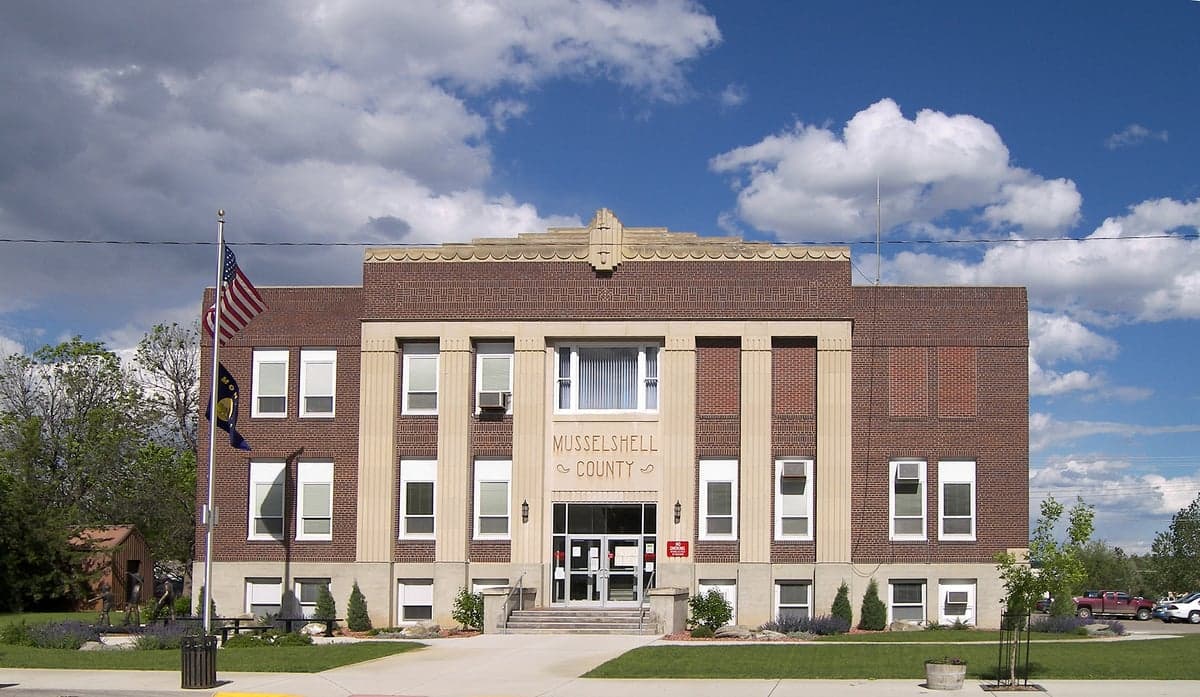
Photo: Wikipedia
Quality of Life in Roundup, MT
A high quality of life with strong walkability, manageable living costs, healthy neighborhood signals, and solid amenity access.
What does Quality of Life tell us?
Quality of Life blends cost of living, nearby amenities, socioeconomic signals, and neighborhood character. City-level scores represent the whole municipality; individual neighborhoods can differ.
What does this tell us?
Quality of Life blends cost of living, nearby amenities, socioeconomic signals, and neighborhood character. City-level scores represent the whole municipality; individual neighborhoods can differ.
Cost of Living
38% below national average
The Real Cost of Living in Roundup, MT for 2026
| Tier | Individual | Family (4) |
|---|---|---|
| Survival | $14k | $27k |
| Comfortable | $26k | $38k |
| Luxury | $104k+ | $161k+ |
| Elite (Top 5%) | $146k+ | $227k+ |
152%
The Area Signal
A metric tracking the socioeconomic signals of the area.
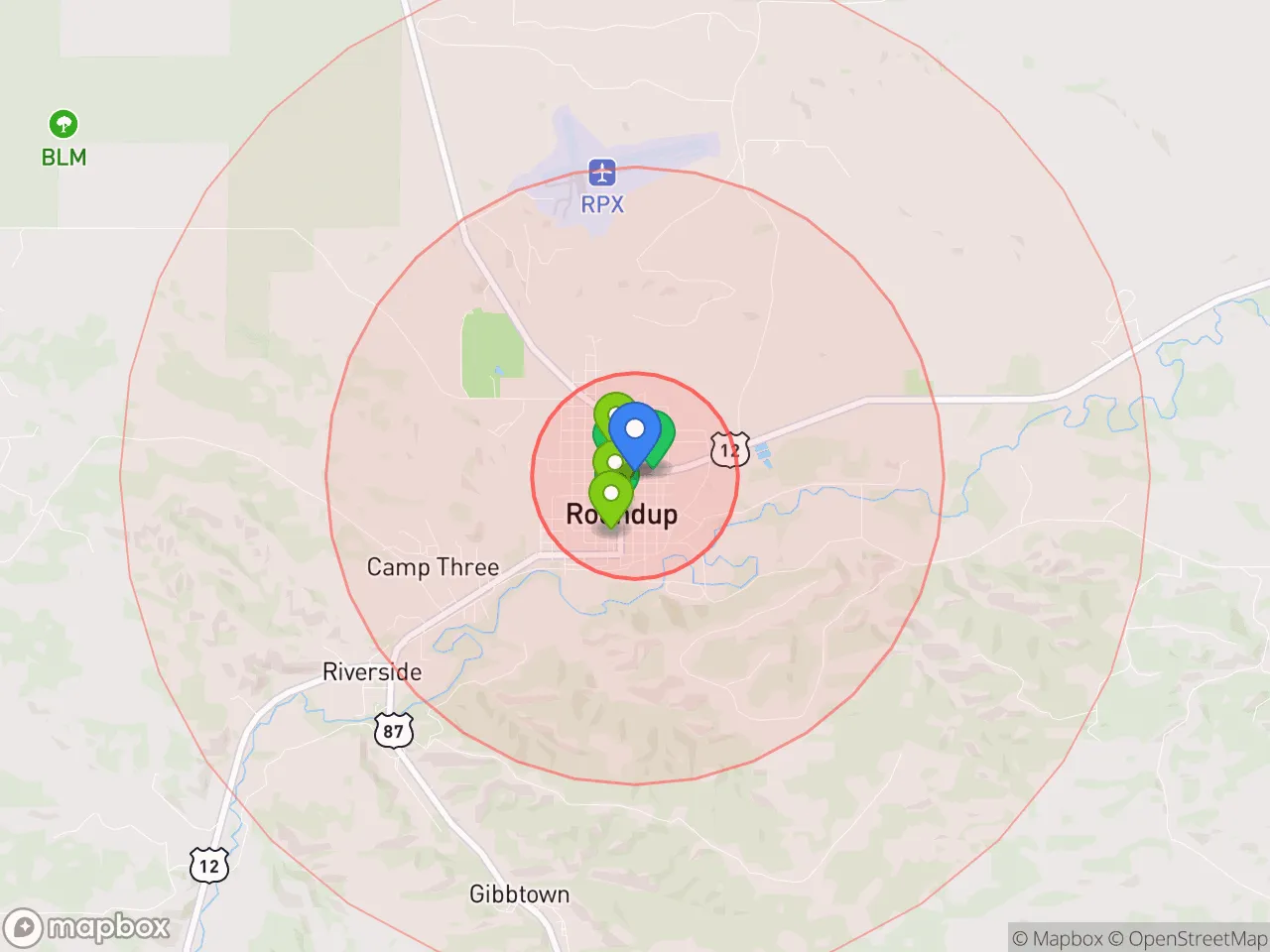
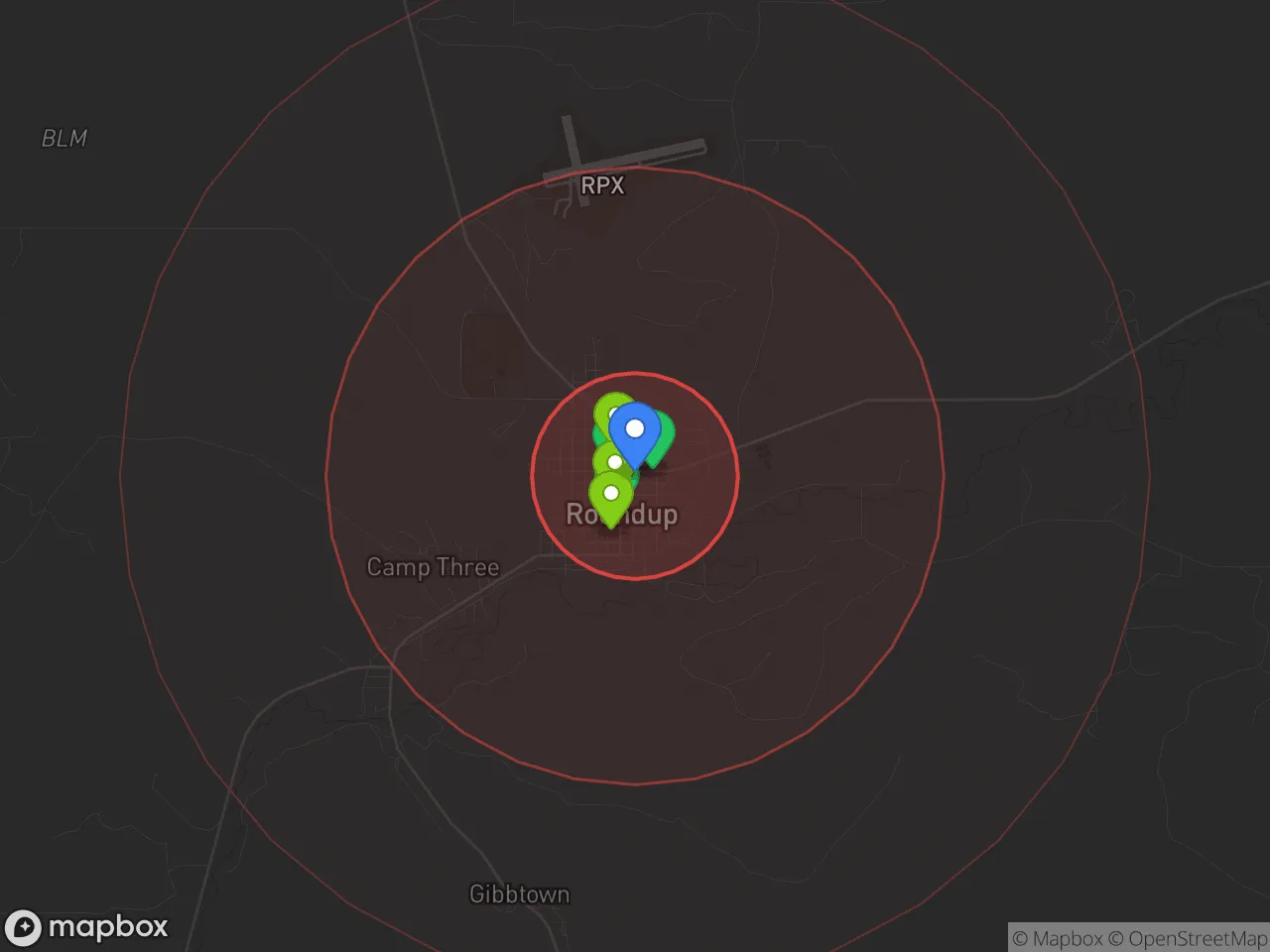
Hobbies
Explore the areaGroceries
1 within 10 miles
Gas
1 within 10 miles
Hospital
1 within 20 miles
Airport
SLC — Salt Lake City International
Post Office
USPS — Roundup, MT
Critical Amenities
Quality-of-Life Analysis
Roundup, Montana, offers a distinctly affordable quality of life that attracts a mix of retirees, outdoor enthusiasts, and workers in agriculture and energy, with a cost of living index of 62 (38% below the U.S. average). The town’s population of roughly 1,800 is predominantly older and white, with a median age near 50, reflecting a quiet, self-reliant community where many residents have deep generational roots. While not affluent by national standards—median household income hovers around $40,000—the low expenses allow for a comfortable, debt-free lifestyle that is increasingly rare in the state’s booming resort towns.
Cost of living, housing, and how Roundup compares to nearby towns
Roundup’s housing market is among the most affordable in Montana, with a median home value of $118,300 and median rent of $886—roughly half the state median. For context, a comparable home in Billings (90 miles west) would cost about $350,000, while in Bozeman the same property would exceed $700,000. The average commute of just 19 minutes is well below the national average of 27 minutes, reflecting the town’s compact layout and limited job sprawl. Most residents work locally in Musselshell County’s coal mines, oil fields, or school district, though some commute to Billings for healthcare or professional services. Property taxes remain low, with effective rates around 0.7% of assessed value, further stretching household budgets. However, the trade-off is limited housing inventory—fewer than 20 homes were listed for sale in early 2026—and older housing stock, with many homes built before 1970 requiring updates.
What daily life is like for families, retirees, and outdoor enthusiasts
Daily life in Roundup centers on a compact downtown with a grocery store, hardware store, and a handful of cafes and bars. The Musselshell River runs through town, offering fishing and floating, while the nearby Bull Mountains provide hiking and hunting access. The K-12 school system, Roundup Public Schools, enrolls about 400 students and maintains a student-teacher ratio of 12:1, though advanced placement options are limited compared to Billings. For healthcare, residents rely on the Roundup Memorial Healthcare clinic for primary care; serious emergencies require a 90-minute drive to Billings’ St. Vincent Healthcare. The town’s social rhythm is slow—most businesses close by 6 PM, and the nearest Walmart or movie theater is 45 minutes away in Lewistown. Community events like the Musselshell River Festival in July and the county fair in August draw modest crowds, but those seeking nightlife or cultural diversity will find the options sparse.
Roundup is best suited for self-sufficient individuals or families who prioritize low costs, quiet living, and outdoor access over urban amenities. Retirees on fixed incomes will find their dollars stretch further here than almost anywhere else in Montana, while remote workers with reliable Starlink internet can enjoy a low-stress lifestyle. However, job seekers in specialized fields, families needing frequent specialist healthcare, or anyone accustomed to walkable urban environments will likely find the isolation and limited services challenging. For those who value space, affordability, and a tight-knit community, Roundup offers a rare pocket of genuine affordability in an increasingly expensive state.

Crime in Roundup, MT
Generally safer than 57% of comparable U.S. locations.
Violent CrimeViolent Crime Analysis
Property CrimeProperty Crime Analysis
Crime Analysis
Roundup, Montana, presents a crime picture that demands careful consideration, particularly for those relocating from larger metropolitan areas. With a violent crime rate of 406.2 incidents per 100,000 residents and a property crime rate of 1,441.6 per 100,000, the town's safety profile is significantly worse than both state and national averages, a reality that prospective residents should weigh heavily.
Crime in context
To understand Roundup's safety landscape, it is essential to compare its statistics against broader benchmarks. The national average for violent crime in 2024-2025 is approximately 380 per 100,000, placing Roundup's rate of 406.2 about 7% higher than the U.S. average. The gap widens dramatically when compared to Montana's statewide violent crime rate, which hovers around 300 per 100,000, meaning Roundup's rate is roughly 35% higher than the rest of the state. Property crime tells a similar story: the national average is about 1,950 per 100,000, but Roundup's 1,441.6 is still notably above Montana's state average of roughly 1,200 per 100,000. This elevated crime profile is a critical factor for anyone evaluating the town, especially those accustomed to the lower crime rates typical of many rural Montana communities.
What residents experience
For those living in Roundup, the impact of these statistics is tangible. The violent crime rate translates to a higher likelihood of experiencing incidents like assault, robbery, or burglary compared to the typical Montana town. Property crime, while below the national average, is a persistent concern, with theft and vandalism being the most commonly reported issues. It is important to note that Roundup is a small, rural community, and its crime dynamics differ sharply from large, liberal-leaning metro areas where progressive district attorneys and judges often implement policies that critics argue prioritize offender rehabilitation over public safety. In such jurisdictions, reduced sentencing and early release programs can lead to more criminals on the street, directly impacting victims and the broader community. While Roundup's local justice system does not appear to follow this progressive model, the town's elevated crime rates suggest other underlying factors—such as economic hardship or limited law enforcement resources—are at play.
Neighborhood-level variation
Crime in Roundup is not uniformly distributed. The town's core, particularly areas near Main Street and the older residential blocks, tends to see a higher concentration of property crimes and public disorder incidents. In contrast, the outskirts and newer subdivisions, especially those closer to the Musselshell River or along Highway 12, generally report lower crime rates. However, given the town's small size—roughly 1.8 square miles—these variations are modest. Prospective residents are advised to visit specific neighborhoods at different times of day and consult local law enforcement for the most current block-level data, as the overall elevated rates mean no area is entirely insulated from the town's safety challenges.
* Values derived from national, state, county, city and local statistics and may differ in a specific area. Last updated: 2026-04-29T19:20:44.000Z
Narrative content on this page is AI-generated and may contain mistakes. Verify any details that matter before acting on them.
ReloMaps may earn a commission from affiliate links at no extra cost to you.

