Photo: Wikipedia
Strategic Assessment of Royal Oak, MI
Multiple tactical vulnerabilities. Population density, target proximity, or disaster risk are likely compounding. A retreat property and exit planning is required.
What does the Strategic Assessment tell us?
Our Strategic Assessment grades tactical survivability of an area. Major population centers, military targets, fallout zones, natural disasters, and border exposure all drive risk — lower exposure means a more defensible position in a crisis.
This is heavily inspired by Joel Skousen's Strategic Relocation book. Highly recommended you checkout the book ($)What does this tell us?
Our Strategic Assessment grades tactical survivability of an area. Major population centers, military targets, fallout zones, natural disasters, and border exposure all drive risk — lower exposure means a more defensible position in a crisis.
This is heavily inspired by Joel Skousen's Strategic Relocation book. Highly recommended you checkout the book ($)Strategic Pillars

Key Distances
Regional Safe Places
Below is our recommended "safe zones" in Michigan and the surrounding area based on our strategic heuristics. For most people, it's unrealistic to live in a “safe zone” full-time due to work, family or other personal reasons. They tend to be more rural. However, many of these areas are perfect for second homes and retreat properties that double as a vacation home or even a short-term rental.


Important Note: For informational purposes only. This does not mean nothing bad ever happens in the green zones. Please use common sense. This is based on public data and modeled with AI. We tried to take a conservative approach but mistakes happen. We update this regularly as new information becomes available.
Solar Generator Recommendations
Backup power matters more here than in safer locations. We've picked three solar generators across budgets and capacity tiers — start with the budget unit if you only need a few essentials, or step up if you want to run a fridge and HVAC for days at a time.

Jackery Portable Power Station Explorer 300
Budget OptionPower on the Go: Weighing only 11 lbs, it's convenient to set up and store with book-sized foldable solar panels

BLUETTI Portable Power Station AC180
Designed for both indoor and outdoor scenarios, AC180 is highly capable as it has a robost capacity and continuous output power.

EF ECOFLOW DELTA Pro Ultra Power Station
Upgraded PickEcoFlow DELTA Pro Ultra is a whole-home energy system designed to grow with your family. Integrated with the Smart Home Panel 2, it scales to meet your evolving energy needs — keeping your home powered, intelligent, and secure through every stage of life.
We earn a commission, at no additional cost to you.
Strategic Assessment Analysis
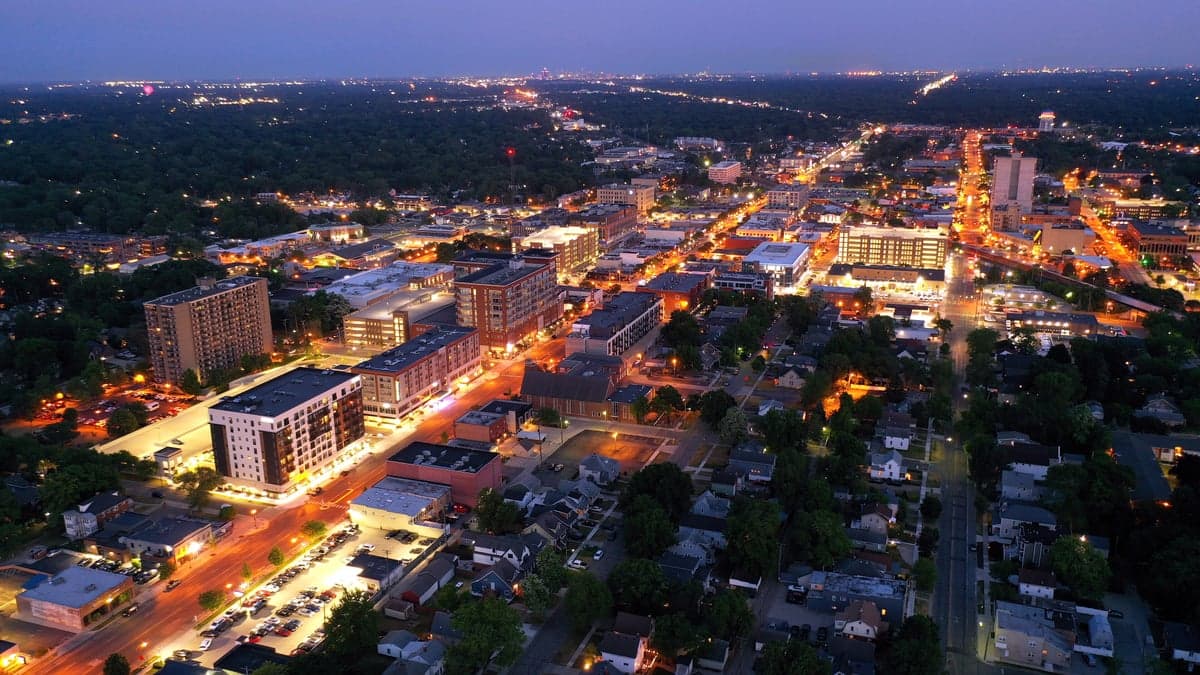
Royal Oak, Michigan, presents a complex strategic picture for the conservative-minded relocator. Its resilience is a double-edged sword: the city benefits from a robust local economy and a dense, walkable core, but its position as a close-in suburb of Detroit introduces significant vulnerabilities. For those prioritizing preparedness, the key question is whether Royal Oak’s advantages in community cohesion and infrastructure outweigh the inherent risks of proximity to a major urban center and its associated fallout targets.
Geographic position and natural advantages for long-term stability
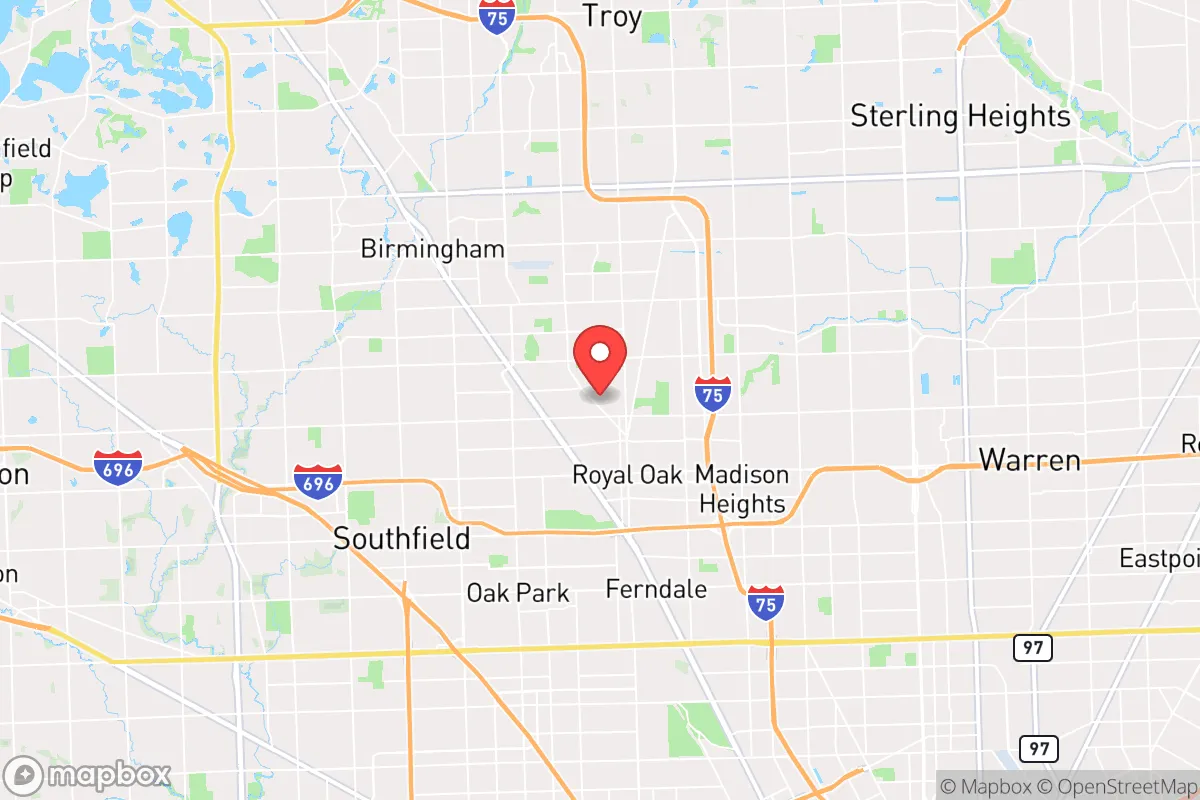
Royal Oak sits roughly 12 miles north of downtown Detroit, placing it squarely within the Detroit metropolitan area’s suburban ring. This location offers a mix of natural and man-made advantages. The city is not directly on the Great Lakes shoreline, which reduces exposure to lake-effect snow extremes and storm surge, but it is within a 20-minute drive of Lake St. Clair and the Detroit River, providing access to fresh water and potential evacuation routes by water if roads become impassable. The terrain is flat, with a mix of older, mature tree cover in residential neighborhoods and open parkland—notably the 100-acre Royal Oak Memorial Park and the expansive Detroit Zoo grounds, which could serve as emergency gathering or staging areas. The area’s soil is primarily clay and loam, which is workable for gardening but poor for deep well drilling without significant expense. The region’s four-season climate means winter preparedness is non-negotiable, but the absence of hurricane, wildfire, or earthquake risk is a genuine plus for long-term stability.
Risks, exposures, and proximity to fallout-relevant landmarks
The most glaring risk for a prepper in Royal Oak is its proximity to Detroit and the dense web of critical infrastructure in Southeast Michigan. Detroit is a Tier 1 target for any major conflict scenario—home to the Detroit Arsenal in Warren (a major tank plant and military logistics hub), the Detroit Metropolitan Airport (a major cargo and passenger hub), and the Ambassador Bridge (the busiest border crossing in North America). All of these are within a 20- to 30-mile radius of Royal Oak. A conventional or nuclear strike on any of these would produce significant fallout patterns that could easily reach the city, especially given prevailing westerly winds. Additionally, the city is crisscrossed by major highways—I-75, I-696, and M-59—which are choke points for evacuation and likely targets for civil unrest or infrastructure sabotage. The Detroit Water and Sewerage Department system, which serves Royal Oak, is a single-point-of-failure risk; a disruption to that system would affect hundreds of thousands of residents. The city’s dense population (over 60,000 in just 11.8 square miles) means that in a crisis, you are competing with a lot of neighbors for limited resources, and the typical suburban grid layout offers few natural defensible positions.
Practical resilience for a relocator: food, water, energy, and defensibility
For a relocator focused on practical resilience, Royal Oak requires a proactive, not passive, approach. Food security is a mixed bag. The city has a strong farmers’ market (the Royal Oak Farmers Market, open year-round) and several community gardens, but the average residential lot is small—often less than a quarter-acre—limiting serious home food production. You’ll need to plan for raised beds, vertical gardening, or a community plot. Water security is the bigger challenge. The municipal water supply is treated and reliable in normal times, but a grid-down scenario means you’re entirely dependent on stored water or a private well. Drilling a well in Royal Oak is possible but expensive (typically $8,000–$15,000) and requires a permit; many homes are on city water and have no well. A 55-gallon drum or a Berkey filter system is a minimum. Energy resilience is more achievable. Many homes have natural gas hookups, which can power a generator or a gas stove even during an electrical outage. Solar panels are viable, though the region’s cloudy winters reduce output; a small propane generator with a 100-pound tank is a more reliable backup. Defensibility is the weakest link. Royal Oak is a walkable, bikeable city with a strong sense of community—which is a double-edged sword. In a crisis, that community cohesion can be a force multiplier for mutual aid, but it also means you cannot easily isolate yourself. The city’s police department is well-funded and professional, but in a widespread event, they will be overwhelmed. Your best bet is to build a trusted network of like-minded neighbors and harden your immediate property—reinforced doors, window film, and a clear line of sight from your home to the street. The city’s many one-way streets and narrow roads also make it easy to block off a neighborhood with a few vehicles, which could be a tactical advantage if you control the choke points.
The overall strategic picture for Royal Oak is one of calculated trade-offs. It is not a bug-out location; it is a stay-and-build location for those willing to invest in redundancy and community. The city’s proximity to Detroit and its critical infrastructure is a genuine liability, but its strong local economy, walkable layout, and engaged population offer a foundation for resilience that many exurban or rural locations lack. For the conservative prepper who values community over isolation and is willing to put in the work—drilling a well, installing a generator, building a garden network—Royal Oak can be a viable base. But for those seeking true strategic depth, far from major targets and with room to maneuver, the rural counties north of Detroit—Lapeer, St. Clair, or Sanilac—offer a more defensible and self-sufficient alternative. Royal Oak is a good place to live; it is not a good place to hide. Know the difference before you commit.

* Values derived from national, state, county, city and local statistics and may differ in a specific area. Last updated: 2026-04-24T03:37:19.000Z
Narrative content on this page is AI-generated and may contain mistakes. Verify any details that matter before acting on them.
ReloMaps may earn a commission from affiliate links at no extra cost to you.

