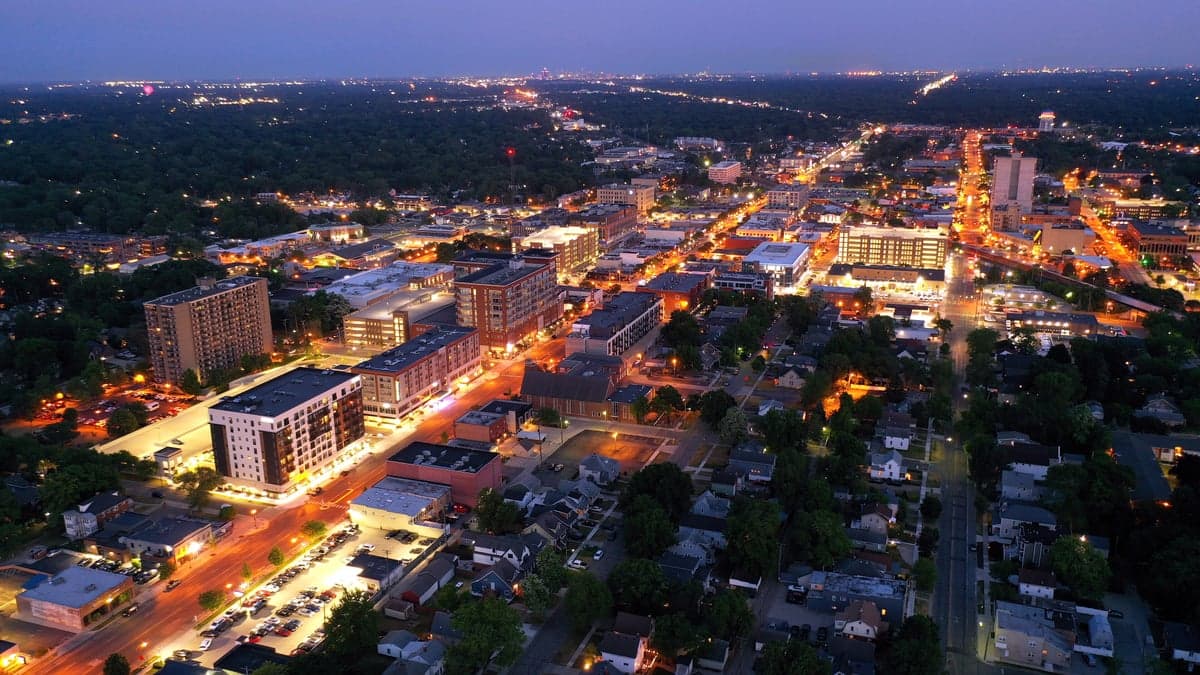
Photo: Wikipedia
Quality of Life in Royal Oak, MI
A high quality of life with strong walkability, manageable living costs, healthy neighborhood signals, and solid amenity access.
What does Quality of Life tell us?
Quality of Life blends cost of living, nearby amenities, socioeconomic signals, and neighborhood character. City-level scores represent the whole municipality; individual neighborhoods can differ.
What does this tell us?
Quality of Life blends cost of living, nearby amenities, socioeconomic signals, and neighborhood character. City-level scores represent the whole municipality; individual neighborhoods can differ.
Cost of Living
12% above national average
The Real Cost of Living in Royal Oak, MI for 2026
| Tier | Individual | Family (4) |
|---|---|---|
| Survival | $21k | $40k |
| Comfortable | $59k | $87k |
| Luxury | $157k+ | $243k+ |
| Elite (Top 5%) | $184k+ | $286k+ |
109%
The Area Signal
A metric tracking the socioeconomic signals of the area.
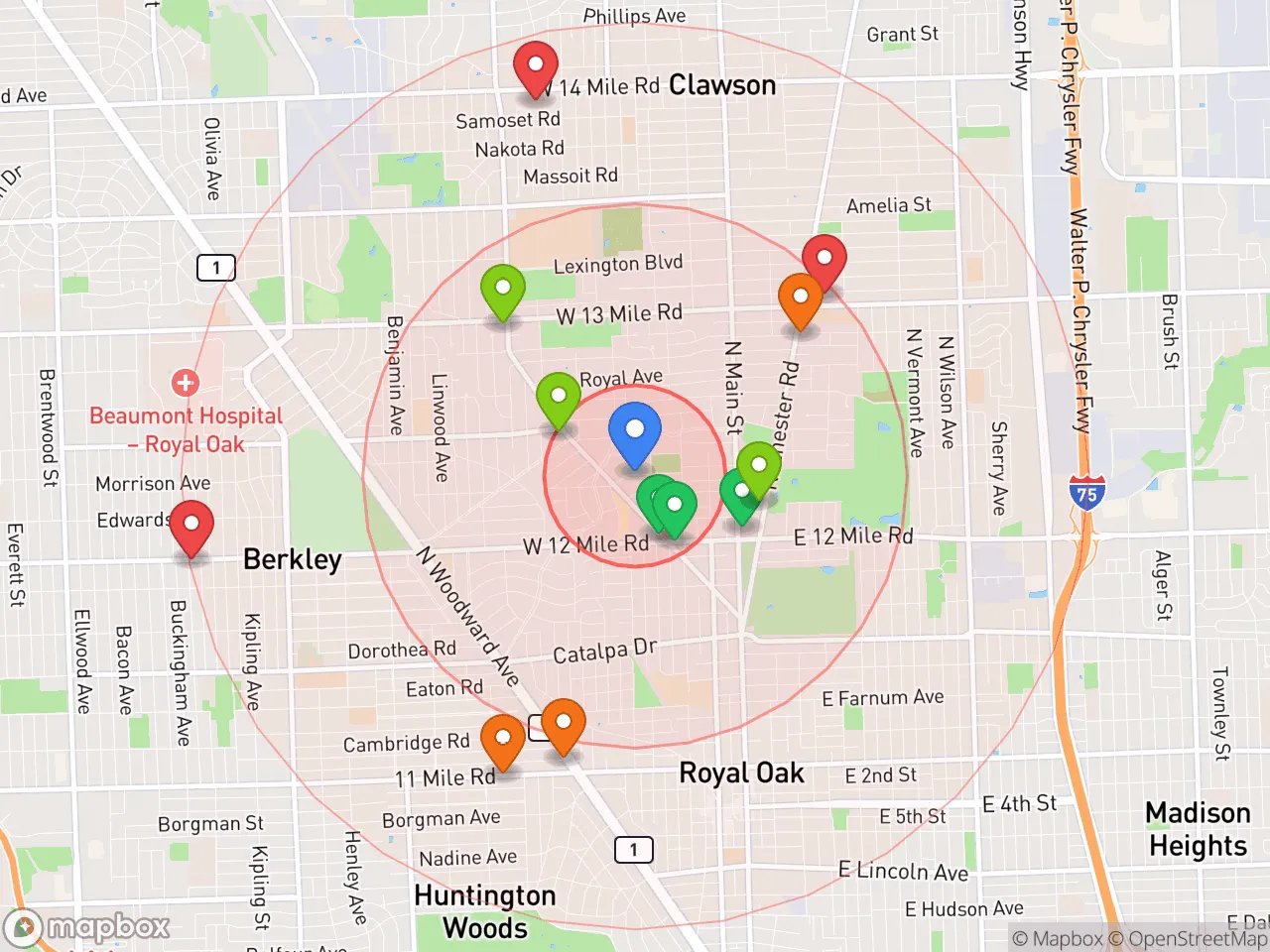
Hobbies
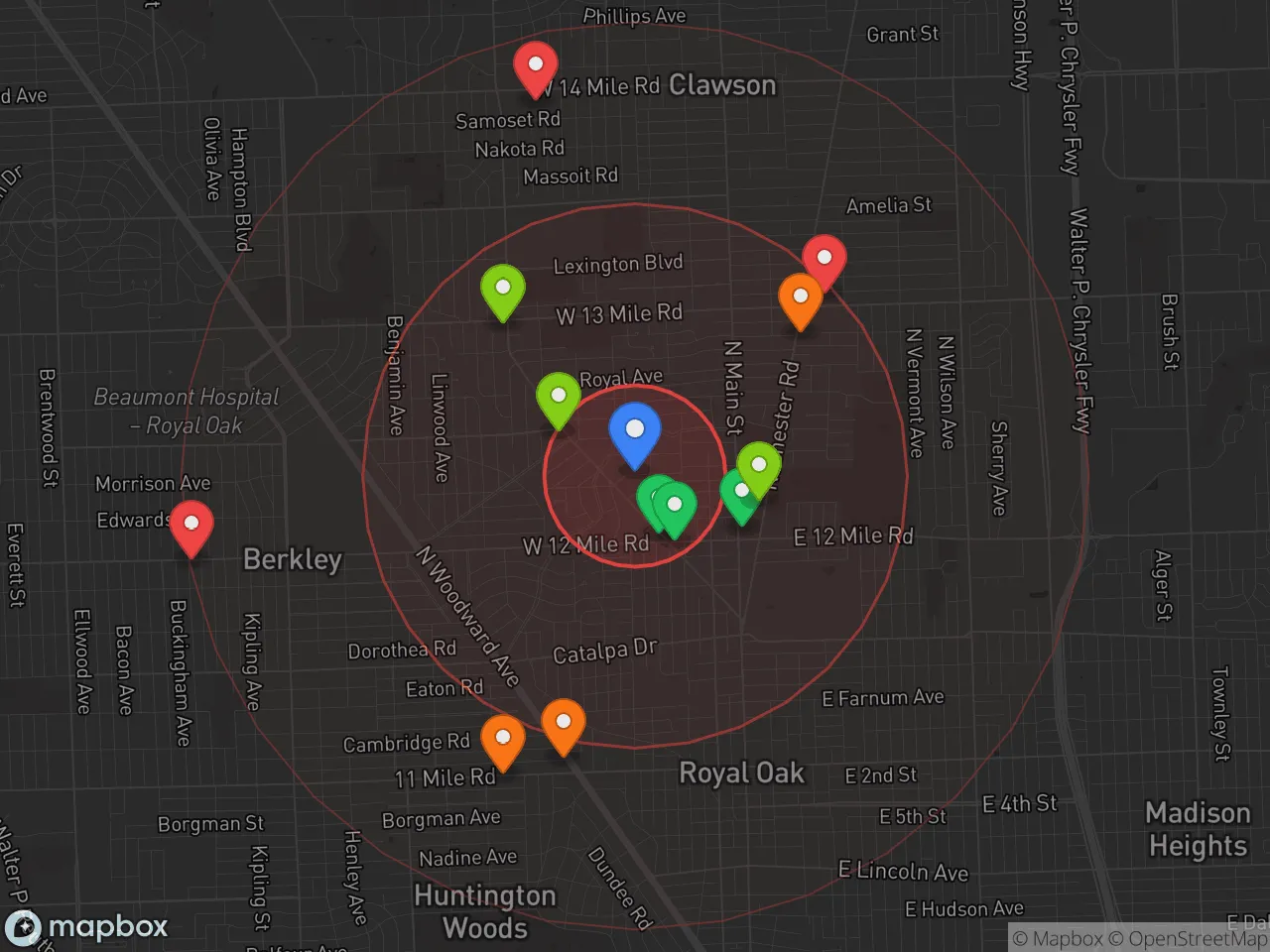
Explore the areaGroceries
9 within 10 miles
Gas
20 within 10 miles
Hospital
20 within 20 miles
Airport
DTW — Detroit Metropolitan Wayne County
Post Office
USPS — Royal Oak, MI
Critical Amenities
Quality-of-Life Analysis
Royal Oak, Michigan, is an affluent, densely populated inner-ring suburb of Detroit with a cost-of-living index of 112 (12% above the U.S. average), attracting a mix of young professionals, families, and empty-nesters who prioritize walkability, nightlife, and top-tier public schools over suburban sprawl. The city’s median home value of $305,900 and median rent of $1,335 reflect a premium for its vibrant downtown and proximity to Detroit, yet remain notably lower than comparable suburbs like Birmingham or Ann Arbor. With an average commute of just 24.4 minutes, Royal Oak offers a rare balance of urban energy and manageable access to regional employment hubs.
Cost of living, housing, and affordability compared to nearby suburbs
Royal Oak’s housing market sits in a competitive middle tier among Metro Detroit suburbs. The median home value of $305,900 is roughly 15% below Birmingham’s median and 20% below Ann Arbor’s, but about 10% higher than Ferndale’s and 25% higher than Warren’s. Median rent of $1,335 aligns closely with Ferndale and slightly undercuts Birmingham’s $1,500+ average. The overall cost-of-living index of 112 is driven primarily by housing and transportation; groceries and healthcare are near the national average. Property taxes in Oakland County are among Michigan’s highest, typically 1.5–2.0% of assessed value, which adds roughly $4,500–$6,000 annually on a median-priced home. For renters, the market is tight — vacancy rates hover around 3–4% — so securing a unit often requires acting quickly. Compared to Detroit proper, Royal Oak is significantly more expensive, but its lower crime rates and higher-rated schools justify the premium for many movers.
Walkable downtown, top-rated schools, and daily life rhythm
Royal Oak’s daily life revolves around its pedestrian-friendly downtown, anchored by the Royal Oak Farmers Market (open Saturdays year-round) and over 100 restaurants, bars, and shops along Main Street and Washington Avenue. The city’s public schools, part of the Royal Oak School District, consistently earn A-minus ratings from Niche, with Royal Oak High School offering International Baccalaureate and strong STEM programs. For families, the presence of Memorial Park (with a splash pad, skate park, and sports fields) and the Detroit Zoo (located within city limits) provides year-round recreation. Commuters benefit from the 24.4-minute average drive to downtown Detroit via I-696 or I-75, plus SMART bus service and the nearby Troy Transit Center for regional rail. The rhythm is distinctly urban-suburban: weekdays see a steady flow of professionals heading to jobs in Detroit, Troy, or Southfield, while weekends bring crowds to the downtown strip for brunch, live music at the Royal Oak Music Theatre, or craft beer at local breweries like Bastone Brewery.
Royal Oak is best suited for buyers and renters who want a walkable, amenity-rich lifestyle without the premium pricing of Birmingham or Ann Arbor, and who can absorb the higher cost of living relative to outer-ring suburbs. Young professionals will thrive on the nightlife and short commute, while families will value the strong school system and park access. Empty-nesters downsizing from larger homes in Oakland County often find the downtown condos and townhomes appealing. However, those seeking large lots, ultra-low property taxes, or a quiet rural setting should look farther north or west. For anyone prioritizing convenience, culture, and community in a compact package, Royal Oak delivers a quality of life that punches above its price point.

Crime in Royal Oak, MI
Generally safer than 69% of comparable U.S. locations.
Violent CrimeViolent Crime Analysis
Property CrimeProperty Crime Analysis
Crime Analysis
Royal Oak, Michigan, reports a violent crime rate of 145.8 incidents per 100,000 residents and a property crime rate of 744.4 per 100,000, figures that place it below national averages for violent offenses but above the state median for property crime. While these numbers suggest a generally safe environment compared to many urban centers, the city’s location within the Detroit metropolitan area and its progressive judicial climate introduce specific risks that potential residents should weigh carefully. The overall safety picture is mixed: lower violent crime is a positive, but property crime and the broader criminal justice philosophy in the region warrant close attention.
Crime in context
Royal Oak’s violent crime rate is roughly half the national average of about 380 per 100,000, making it statistically safer than many comparably sized suburbs. However, its property crime rate exceeds the Michigan state average of approximately 620 per 100,000, driven largely by larceny and vehicle theft. The city benefits from a well-funded police department, but it operates within Oakland County’s court system, which has seen a shift toward progressive prosecution policies in recent years. These policies, while intended to reduce incarceration, have been linked to higher recidivism rates and softer sentencing for repeat offenders, a dynamic that directly impacts public safety by keeping more criminals on the street. For context, neighboring Detroit’s violent crime rate remains much higher at over 1,800 per 100,000, but Royal Oak’s proximity means it absorbs spillover property crime from the larger metro area.
What residents experience
Residents report that property crime—particularly theft from vehicles and package theft—is the most common safety concern in Royal Oak’s walkable downtown and residential neighborhoods. The city’s vibrant nightlife and restaurant scene attract visitors, but also create opportunities for opportunistic crime, especially in parking structures and along Main Street. Violent crime is rare and typically confined to isolated incidents, such as domestic disputes or altercations outside bars, rather than random attacks. The presence of progressive district attorneys in Oakland County has led to criticism from local law enforcement about plea deals that reduce charges for burglary and theft, undermining deterrence. For families and professionals, the practical impact is a need for vigilance: locking cars, securing packages, and avoiding late-night solo walks in less trafficked areas. The city’s police department does maintain a visible presence and publishes regular crime maps, but the judicial environment remains a point of concern for those prioritizing long-term safety.
Neighborhood-level variation is notable. Areas north of 11 Mile Road and west of Woodward Avenue, including the historic residential districts, experience the lowest crime rates, while the downtown core and areas near I-696 see higher property crime volumes. The southern edge of Royal Oak, bordering Ferndale and Detroit, has slightly elevated incident reports. Prospective residents should consult the city’s online crime mapping tool and consider specific block-level data, as safety can vary significantly even within a few blocks. Overall, Royal Oak offers a safer environment than many metro Detroit suburbs, but the progressive justice system’s impact on property crime recidivism is a legitimate factor for relocation decisions.
* Values derived from national, state, county, city and local statistics and may differ in a specific area. Last updated: 2026-04-24T03:37:19.000Z
Narrative content on this page is AI-generated and may contain mistakes. Verify any details that matter before acting on them.
ReloMaps may earn a commission from affiliate links at no extra cost to you.

