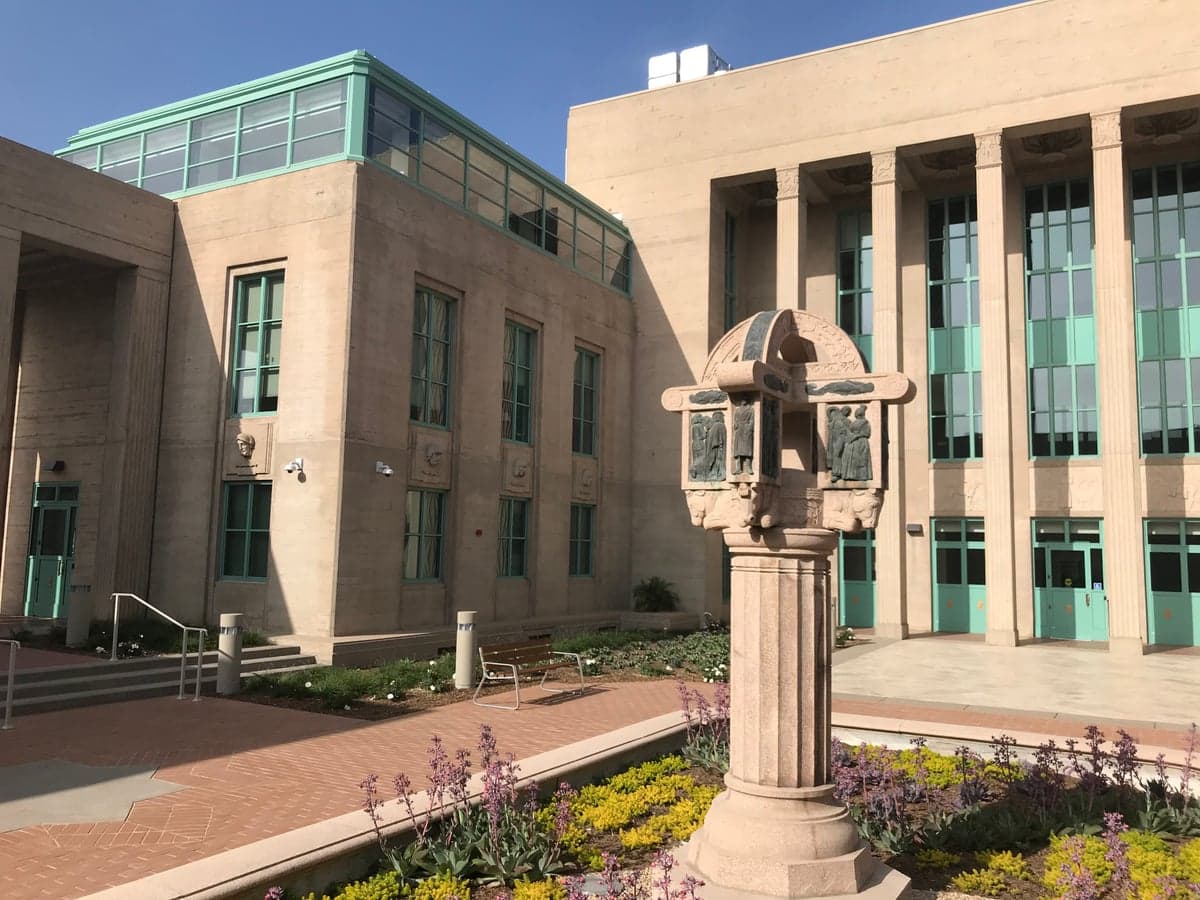
Photo: Wikipedia
Quality of Life in Salinas, CA
Above-average quality of iife. The area offers a reasonable cost of living, decent mobility, and a mix of neighborhood amenities.
What does Quality of Life tell us?
Quality of Life blends cost of living, nearby amenities, socioeconomic signals, and neighborhood character. City-level scores represent the whole municipality; individual neighborhoods can differ.
What does this tell us?
Quality of Life blends cost of living, nearby amenities, socioeconomic signals, and neighborhood character. City-level scores represent the whole municipality; individual neighborhoods can differ.
Cost of Living
86% above national average
The Real Cost of Living in Salinas, CA for 2026
| Tier | Individual | Family (4) |
|---|---|---|
| Survival | $31k | $58k |
| Comfortable | $91k | $134k |
| Luxury | $133k+ | $207k+ |
| Elite (Top 5%) | $157k+ | $243k+ |
67%
The Area Signal
A metric tracking the socioeconomic signals of the area.


Hobbies
Explore the areaGroceries
2 within 10 miles
Gas
0 within 10 miles
Hospital
3 within 20 miles
Airport
SAN — San Jose Mineta International
Post Office
USPS — Monterey, CA
Critical Amenities
Quality-of-Life Analysis
Salinas, California, presents a quality-of-life profile shaped by its role as the agricultural heart of the Central Coast, where a median home value of $610,900 and a cost-of-living index of 186 (nearly double the U.S. average) create a high-barrier entry for newcomers. The population is a mix of long-established farming families, first-generation immigrant workers tied to the region's $8 billion ag industry, and professionals commuting to Monterey, Santa Cruz, and Silicon Valley. Affluence is uneven: while the city's overall median household income hovers around $65,000, the cost burden falls hardest on renters and lower-wage workers, making Salinas a place of stark economic contrasts rather than uniform prosperity.
Cost of living, housing costs, and affordability compared to nearby cities
Salinas is significantly cheaper than its coastal neighbors but remains expensive by national standards. The cost-of-living index of 186 means everyday expenses—groceries, utilities, healthcare—are roughly 86% above the U.S. baseline. The median home value of $610,900 is about half of what you'd pay in Monterey ($1.1M) or Carmel ($1.8M), but still out of reach for many local earners. Median rent sits at $1,923, which is $400–$600 less than comparable units in Monterey or Santa Cruz. The average commute of 26.6 minutes is manageable, though many residents drive north to Silicon Valley (45–60 minutes) for higher-paying tech jobs, trading time for housing cost relief. Property taxes are capped at roughly 1.1% under Proposition 13, but sales tax (9.25%) and state income tax (up to 13.3%) add to the overall burden. For renters, the vacancy rate hovers around 3%, keeping upward pressure on prices.
Local amenities, schools, and what daily life feels like
Daily life in Salinas revolves around its agricultural rhythm, with the Salinas Valley producing lettuce, strawberries, and broccoli that supply much of the U.S. The city offers a modest downtown anchored by the National Steinbeck Center and the historic Fox Theater, plus the Salinas Sports Complex hosting rodeos and concerts. Outdoor access is strong: the 18-mile Salinas River Trail connects neighborhoods, and the nearby Pinnacles National Park (45 minutes) and Big Sur coast (1 hour) provide weekend escapes. The Salinas Union High School District includes several well-regarded schools like Salinas High (rated 8/10 on GreatSchools), though elementary and middle schools in the Alisal Union district face challenges with funding and English-learner support. Crime rates are a concern—the city's violent crime rate is roughly 2.5x the national average, concentrated in specific neighborhoods—so newcomers often research block-level safety data. The climate is mild year-round (60s–70s°F), with foggy mornings and afternoon winds, creating a consistent but not dramatic weather pattern.
Salinas works best for people who have a direct economic tie to the region—agriculture workers, healthcare professionals at Salinas Valley Memorial Hospital, or commuters willing to trade a longer drive for lower housing costs than the coast. Families with school-age children should weigh the district disparities carefully, while remote workers with coastal budgets may find the trade-offs unappealing. The city's cultural identity is deeply tied to its farmworker heritage and annual California Rodeo, offering a grounded, less touristy alternative to Monterey Peninsula living—but only for those who can absorb the high cost of living without stretching their finances thin.

Crime in Salinas, CA
Higher crime rates than 62% of comparable U.S. locations.
Violent CrimeViolent Crime Analysis
Property CrimeProperty Crime Analysis
Crime Analysis
Salinas, California, faces a serious public safety challenge, with violent and property crime rates that significantly exceed both state and national averages. The city's 2024 crime data shows a violent crime rate of 512.7 incidents per 100,000 residents and a property crime rate of 1,476.9 per 100,000, placing it among the more dangerous communities in Monterey County. These figures reflect systemic issues tied to gang activity, socioeconomic pressures, and a local justice system influenced by progressive policies that prioritize offender rehabilitation over public safety.
Crime in context
Salinas' violent crime rate is roughly 40% higher than the California state average and nearly double the national median for cities of comparable size. Property crime, while slightly below the state average, remains elevated due to widespread theft, vehicle break-ins, and retail crime. The city's location as an agricultural hub and its proximity to major transportation corridors (US-101 and Highway 68) contribute to transient criminal activity. However, the most significant driver is the influence of Monterey County's progressive district attorney and judiciary, who have implemented policies such as reduced cash bail, diversion programs for repeat offenders, and lenient sentencing guidelines. These measures, while intended to reduce incarceration, have resulted in higher recidivism rates and a perception among residents that the justice system does not adequately deter crime.
What residents experience
Daily life in Salinas is marked by a heightened sense of vigilance. Residents report frequent property crimes—stolen packages, broken car windows, and garage burglaries—even in neighborhoods considered "safe." Violent crime, including aggravated assault and gang-related shootings, is concentrated in specific areas but can spill into commercial districts and public spaces. The city's police department has struggled with staffing shortages, leading to slower response times for non-emergency calls. Many residents invest in private security systems, neighborhood watch programs, and even personal protection measures. The progressive legal environment means that arrests for property crimes often do not lead to prosecution, and repeat offenders are frequently released without meaningful consequences, eroding trust in the criminal justice system.
Neighborhood-level variation
Safety in Salinas varies dramatically by neighborhood. The southwestern areas, including Laurelwood and Creekbridge, experience lower crime rates and are considered relatively safe, with violent crime incidents rare. In contrast, the central and eastern districts—such as the Alisal, Chinatown, and Hebbron Heights neighborhoods—see the highest concentrations of gang violence, drug activity, and property crime. The city's historic downtown has seen a modest revitalization but still struggles with daytime theft and occasional violent incidents. For prospective residents, choosing a home in the safer southwestern quadrant is strongly advised, while avoiding the high-crime zones near Highway 101 and the downtown core is critical for personal safety.
* Values derived from national, state, county, city and local statistics and may differ in a specific area. Last updated: 2026-04-19T08:41:49.000Z
Narrative content on this page is AI-generated and may contain mistakes. Verify any details that matter before acting on them.
ReloMaps may earn a commission from affiliate links at no extra cost to you.

