Photo: Wikipedia
Find The Best Places To Live in Monterey County
PRO TIP! You can paste a Zillow or Redfin link to get info on that property.
Best Places to Live in Monterey County

Cities & Towns in Monterey County
Cities in Monterey County
What It's Like Living in Monterey County, CA
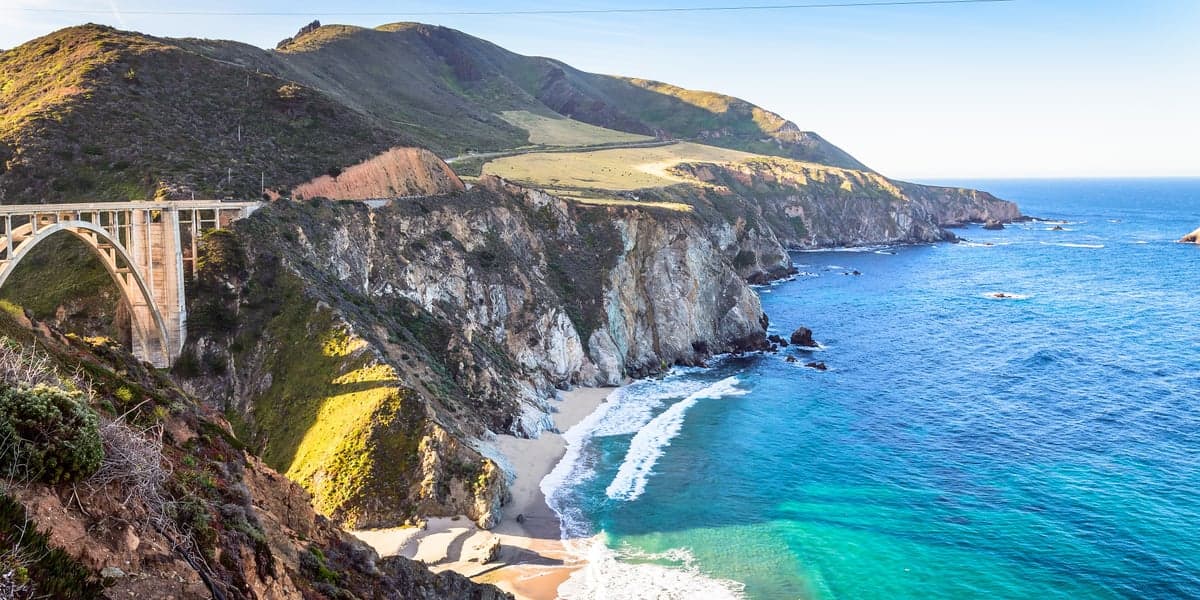
Monterey County is a stretch of California where rugged coastline meets working farmland, and the pace of life shifts dramatically as you drive from the tourist-friendly streets of Monterey to the agricultural heart of Salinas. It’s a place where the median age hovers around 35.3, meaning you get a mix of young families, mid-career professionals, and retirees, all sharing a landscape that ranges from dramatic cliffs to endless rows of lettuce. If you’re considering a move here, you’re likely drawn by the natural beauty and mild weather, but you need to be honest about the trade-offs — high housing costs, serious economic divides, and crime that isn’t evenly distributed.
The Daily Rhythm: From Cannery Row to the Salad Bowl
Your daily life in Monterey County depends heavily on which city you land in. In Monterey and Pacific Grove, mornings often start with a walk along the Monterey Bay Coastal Trail or a quick breakfast at first Awakenings before the fog burns off. People here work in tourism, hospitality, and the vast health-care sector centered around Community Hospital of the Monterey Peninsula. Drive twenty minutes inland to Salinas, and the rhythm is completely different — sunrise means trucks hauling produce out of the Salinas Valley, and conversations revolve around the harvest schedule and school pickup lines. Seaside and Marina are where a lot of the workforce lives; they’re more affordable (though that’s relative), denser, and closer to the Fort Ord recreational trails. The county’s median commute clocks in at about 25.4 minutes — short by California standards — but the stretch of Highway 68 between Salinas and Monterey can feel like a parking lot during festival weekends. The weather is the region’s greatest quiet luxury: temperatures rarely break 80°F along the coast, though inland towns like King City and Greenfield bake in the summer 90s. Everyone leans on layers and learns to love the marine layer.
Sports & Community — Where High School Football Rivals Ocean Views
This is not a pro sports town, but the spirit runs deep at the high school and college level. Friday nights in the fall belong to Salinas High, Palma, and Monterey High football — the rivalry games draw crowds that pack bleachers and fill parking lots for miles. At the college level, Cal State Monterey Bay Otters in Seaside draw solid crowds for basketball and soccer, and the university itself anchors a lot of the county’s cultural and economic energy. For a taste of local pride, the California Rodeo Salinas in July is a massive, multi-day event that brings in rodeo fans from across the West — think bull riding, concerts, and a carnival that takes over the Salinas Sports Complex. Soccer families will find thriving club programs in Marina and Seaside. What’s less discussed but worth noting: the county’s violent crime rate stands at 434 per 100,000 — significantly above the national average, and heavily concentrated in specific neighborhoods of Salinas and Seaside. Most of the coastal towns are much safer, but the perception bleeds countywide. It’s an honest factor that weighs on parents choosing school districts and evening routines.
The Big Trade-Offs: What You’ll Love and What Might Drive You Nuts
Let’s start with the obvious upside: the setting is world-class. Point Lobos, Big Sur, the Monterey Bay Aquarium, and a hundred hidden coves are all within a 45-minute drive from anywhere in the county. Weekend culture means hiking at Jacks Peak Park, wine tasting in Carmel Valley, or hitting the Monterey Jazz Festival — one of the longest-running jazz events in the country. Dining is strong but pricey; locals have their standby taquerias in Salinas and the hidden sushi spots in Monterey proper. Now for the rough edges. The cost of living index sits at 206 — more than double the U.S. average — and the median home value of $723,100 puts homeownership out of reach for many single people and young families (especially those making the median household income of $94,486). Only about 28% of adults hold a bachelor’s degree, which reflects the heavy presence of agricultural labor and service jobs. Residents who have been here for decades gripe about increasing traffic on Lighthouse Avenue in Monterey, the scarcity of affordable rentals, and the fact that good elementary schools come with a zip-code price tag. Carmel-by-the-Sea is beautiful but feels like a gated resort; Pacific Grove keeps a quiet, older vibe. For conservatives, the county leans blue but with pockets of red in the agricultural south — and there’s a live-and-let-live attitude that mostly stays out of daily conversation. What people really bond over here is the shared appreciation for open space, the ocean, and the simple privilege of seeing the sunset over the bay after a long commute.

* Values derived from national, state, county, city and local statistics and may differ in a specific area. Last updated: 2026-06-01T14:04:16.000Z
Narrative content on this page is AI-generated and may contain mistakes. Verify any details that matter before acting on them.
ReloMaps may earn a commission from affiliate links at no extra cost to you.

