Photo: Wikipedia
Find The Best Places To Live
in Salinas
PRO TIP! You can paste a Zillow or Redfin link to get info on that property.
What It's Like Living in Salinas, CA
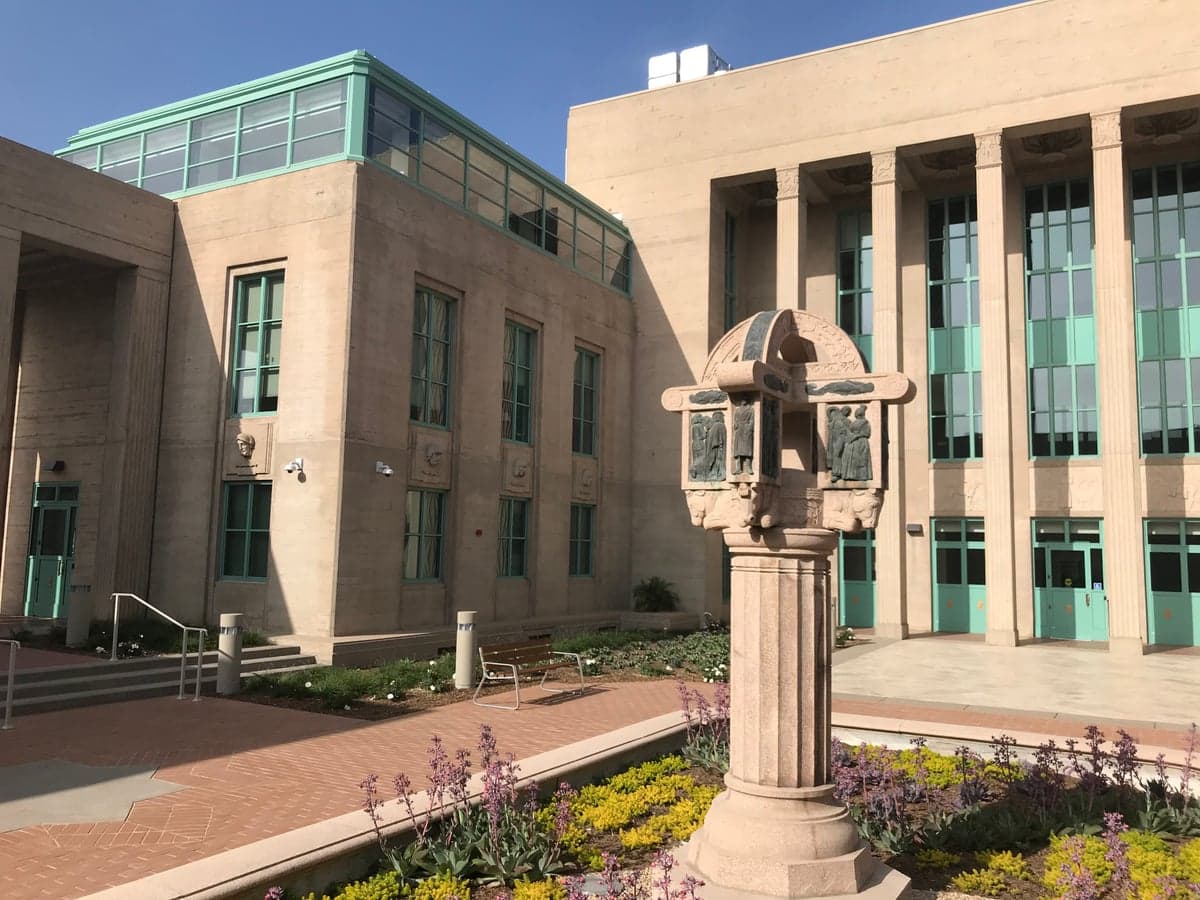
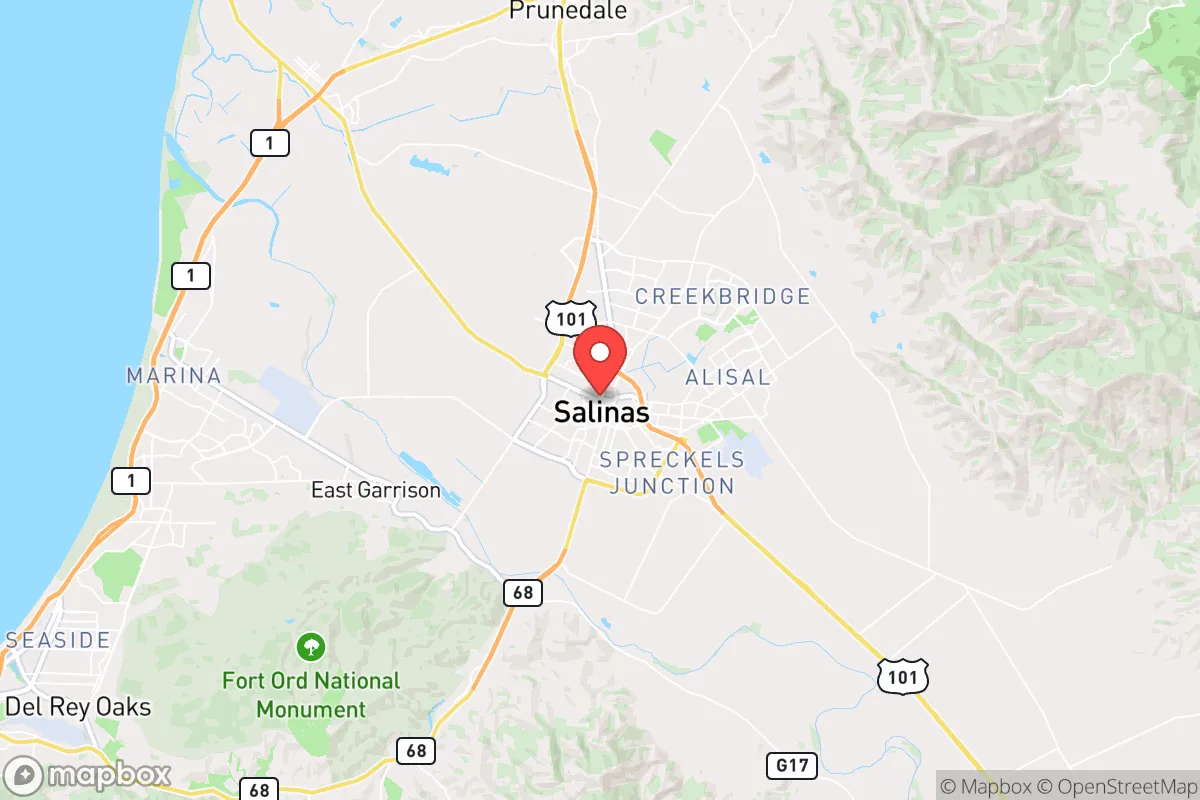
Salinas is a working city with an agricultural soul, where the smell of strawberries and lettuce fields mixes with the salt air from Monterey Bay just 20 minutes west. It’s not a polished tourist town like Carmel or a tech hub like San Jose — it’s a place where people actually live, work, and raise families, often for generations. If you’re considering a move here, you’re looking at a community that’s younger, more family-oriented, and more grounded than its coastal neighbors, but also one wrestling with real challenges around crime and affordability.
The Daily Rhythm: Work, Family, and the 26-Minute Commute
Life in Salinas revolves around the workweek, and that work often starts early. With a median age of just 32.1, this is a young city — think early-career professionals, tradespeople, and young families. The biggest employers are agriculture (Dole, Taylor Farms, and countless growers), the county government, and healthcare (Salinas Valley Memorial Hospital). A typical day means a 26-minute average commute, which is shorter than the Bay Area norm, but still long enough to feel like a real drive. Most people head west on Highway 68 toward Monterey or north on 101 toward the Silicon Valley edge, but plenty of folks work right in town at the Steinbeck Industrial Center or the ag offices along Blanco Road. Weekends are for Costco runs, soccer games at the Salinas Sports Complex, or a trip to the National Steinbeck Center downtown — a museum that doubles as a community gathering spot. The weather is a constant blessing: 60-70°F year-round, with foggy mornings that burn off by noon. No snow, no humidity, just a steady, mild rhythm.
Sports, Community, and Where People Actually Hang Out
High school sports are a huge deal here. Salinas High, Palma (the Catholic powerhouse), and Everett Alvarez draw thousands to Friday night football games in the fall. The Salinas Rodeo in July is the biggest event of the year — a four-day spectacle of bull riding, concerts, and carnival rides that brings in over 30,000 people. For pro sports, locals drive 90 minutes to San Francisco or San Jose for Giants, 49ers, or Sharks games, but the Salinas Valley Fair in nearby King City fills the gap with demolition derbies and 4-H livestock shows. For nightlife, it’s not a club scene. People gather at Alvarado Street Brewery downtown for craft beer and burgers, or at First Awakenings for a massive breakfast after a hike at Torres Park. The Salinas Valley Memorial Park and Lake San Antonio (45 minutes east) are where families spend summer weekends fishing, kayaking, or just barbecuing. The Oldtown Salinas district has a few wine bars and live music spots, but it’s quiet by 10 p.m. — this is a city that goes to bed early because the workday starts before dawn.
What Fits and What Frustrates: The Honest Trade-Offs
Salinas works best for people who value affordability relative to the coast, a strong sense of community, and a slower pace. The median income of $89,150 is decent for the region, but the cost of living index of 186 (nearly double the national average) means that money doesn’t stretch as far as it would in Texas or the Midwest. The median home value of $610,900 is a shock if you’re coming from the Midwest, but it’s half of what you’d pay in Monterey or Carmel. Rent for a two-bedroom apartment runs around $2,200–$2,800. The biggest frustration residents cite is crime. The violent crime rate of 512.7 per 100,000 is roughly double the national average, and property crime — especially car break-ins and package theft — is a daily annoyance. Gangs have a presence in some neighborhoods, particularly east of Highway 101. That said, many families choose Salinas specifically because schools are deeply embedded in community life. The Salinas Union High School District runs strong programs at Salinas High and Alisal, and the Hartnell College campus downtown offers a solid path to a four-year degree. The Alisal School District has a reputation for high parental involvement, especially among the large Latino population that makes up over 75% of the city.
Cultural Quirks and the Real Salinas Identity
Salinas is the birthplace of John Steinbeck, and the city leans into that legacy hard — the Steinbeck Center, the annual Steinbeck Festival, and the “Steinbeck Country” branding on everything from wine labels to highway signs. But the real cultural pulse is Mexican-American. The Salinas Valley is one of the most productive agricultural regions in the world, and the city’s identity is shaped by the farmworkers, families, and small businesses that support that industry. Spanish is heard as often as English in grocery stores and on the streets. The Alisal neighborhood has some of the best taquerias in California — try Taqueria El Grullense for al pastor or La Fogata for carnitas. The Salinas Valley Pride Parade in June is a growing event, but the city overall is socially conservative-leaning compared to the rest of Monterey County. Church attendance is high, and family events dominate the calendar. If you’re looking for a place where neighbors know each other, where the high school football coach is a local celebrity, and where you can buy fresh strawberries from a roadside stand in April, Salinas delivers. If you want nightlife, walkable downtown density, or a place where you never need a car, this isn’t it.
Pros and cons at a glance:
- Pros: Mild weather year-round, shorter commute than the Bay Area, strong community and school involvement, lower home prices than coastal neighbors, access to Monterey Bay beaches and Big Sur within 30 minutes.
- Cons: High violent crime rate, limited nightlife and entertainment options, cost of living well above national average, heavy traffic on Highway 101 during commute hours, limited public transit.

Similar small cities to Salinas
* Values derived from national, state, county, city and local statistics and may differ in a specific area. Last updated: 2026-04-19T08:41:49.000Z
Narrative content on this page is AI-generated and may contain mistakes. Verify any details that matter before acting on them.
ReloMaps may earn a commission from affiliate links at no extra cost to you.

