 Popular
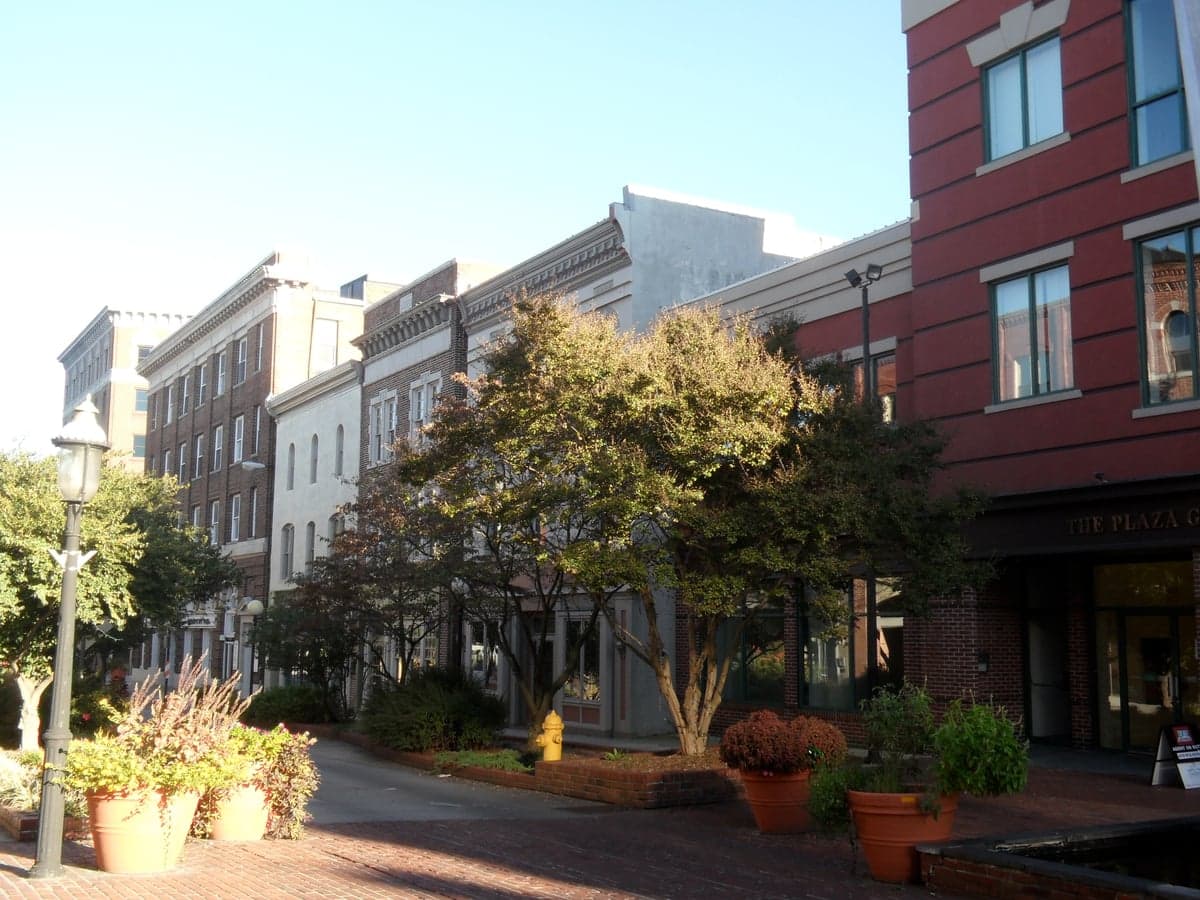
Photo: Wikipedia
Personal Sovereignty in Salisbury, MD
Viable for self-reliance. Generally workable, though some barriers may limit total independence.
What does Personal Sovereignty tell us?
Personal Sovereignty measures your capacity for self-reliance and independence with minimal government friction. Higher scores mean fewer barriers between you and the way you want to live... but it assumes you have the space you need and good neighbors.
What does this tell us?
Personal Sovereignty measures your capacity for self-reliance and independence with minimal government friction. Higher scores mean fewer barriers between you and the way you want to live... but it assumes you have the space you need and good neighbors.
State Policy
Energy independence: Importer (8% of energy produced in-state)
Personal Liberty
Homesteading

Personal Liberty Analysis
Salisbury, Maryland, offers a mixed bag for those prioritizing personal sovereignty, where the promise of Eastern Shore independence clashes with the long arm of a progressive state government. While the city itself and surrounding Wicomico County provide a more rural, self-reliant atmosphere than the D.C. or Baltimore suburbs, residents must contend with Maryland’s increasingly restrictive state-level policies on taxes, self-defense, and medical autonomy. For the strategic relocation researcher with a conservative, survivalist mindset, Salisbury represents a compromise: a place where you can carve out a degree of autonomy, but only if you are willing to navigate and push back against state overreach.
Tax burden and regulatory posture in Wicomico County
Maryland’s tax burden is among the highest in the nation, and Salisbury is not exempt from this reality. The state levies a progressive income tax that can reach 5.75%, and Wicomico County adds its own local income tax of 3.2%, bringing the combined top marginal rate to nearly 9%. Property taxes are moderate for the region, with Wicomico County’s rate around $0.92 per $100 of assessed value, but the state’s property tax assessment system is aggressive and can lead to unexpected hikes. Sales tax is 6%, applied to most goods and services. The regulatory posture is heavily tilted toward Annapolis, meaning local businesses and landowners face state-level environmental regulations, particularly concerning the Chesapeake Bay watershed, which can restrict land use and development. For a prepper or homesteader, this means any significant land modification—clearing, building, or even certain agricultural practices—may require state permits. The regulatory burden is a constant friction point, eroding the ideal of local control and making self-sufficiency more expensive and bureaucratic than in states like West Virginia or Delaware.
Self-defense and gun law specifics in a restrictive state
Maryland is one of the most restrictive states for gun owners in the country, and Salisbury residents must operate within that framework. The state requires a Handgun Qualification License (HQL) to purchase a handgun, which involves a training course, fingerprinting, and a background check. The "good and substantial reason" requirement for concealed carry was struck down in 2022 following the Bruen decision, but the state has since implemented a "wear and carry" permit system that still requires a 16-hour training course and a background check. Open carry is effectively illegal without a permit. The state also bans "assault weapons" and standard-capacity magazines (over 10 rounds for long guns, over 10 for handguns). For a survivalist, this is a critical limitation: you cannot legally possess the same defensive tools available in most other states. While Wicomico County’s sheriff’s office is generally more pro-Second Amendment than state authorities, they must enforce state law. The practical reality is that building a robust personal armory requires navigating a complex, costly, and time-consuming licensing system, and any future legislative changes could further restrict rights. This is a significant sovereignty deficit compared to states with constitutional carry.
Self-reliance and homesteading viability in the Salisbury area
The Eastern Shore offers genuine opportunities for self-reliance, but with caveats. Lot sizes in unincorporated Wicomico County can be as small as half an acre in subdivisions, but rural parcels of 2 to 10 acres are common and affordable relative to the rest of Maryland. Zoning in agricultural districts (AG) allows for livestock, gardens, and even small-scale farming without excessive county interference. However, state-level environmental regulations—particularly the Critical Area Act for properties within 1,000 feet of tidal waters—can restrict clearing, building, and even the use of fertilizers. Off-grid living is legally challenging: Maryland requires connection to the electrical grid for new construction in most areas, and while solar panels are permitted, net metering policies are state-controlled and can be unfavorable. Rainwater collection is legal but regulated, and septic systems must meet strict state standards. For a prepper, the viability is real but requires careful property selection—avoiding the Critical Area buffer and choosing a parcel with existing infrastructure or a grandfather clause. The soil is fertile, the growing season is long, and water is abundant, but the regulatory overhead is a constant reminder that the state has a say in your self-sufficiency.
Personal liberties: parental rights, medical autonomy, and free speech
Maryland’s progressive tilt directly impacts personal liberties in ways that concern conservative residents. Parental rights are under pressure: the state has passed laws that allow minors to consent to certain medical treatments without parental notification, including reproductive health services and gender-affirming care. School boards in Wicomico County have been battlegrounds over curriculum transparency and parental opt-out rights, with state-level mandates often overriding local control. Medical autonomy is similarly constrained—Maryland has a strict vaccine mandate for school attendance, and during the COVID-19 pandemic, the state imposed some of the longest-lasting emergency orders in the region. For those prioritizing medical freedom, this is a red flag. Free speech and property rights are generally protected under the First Amendment, but the state’s public health and emergency powers have been used to limit assembly and business operations. The overall environment is one where individual rights are subject to the shifting political winds of Annapolis, and local resistance—while present—is often overruled by state preemption. This makes Salisbury a place where you must be vigilant and politically engaged to preserve your freedoms.
In the broader landscape of personal sovereignty, Salisbury sits in a middle tier. It offers more breathing room than the heavily regulated suburbs of D.C. or Baltimore, with lower population density, more affordable land, and a community that values independence. However, it falls far short of the sovereignty found in states like Texas, Idaho, or even neighboring Delaware, where tax burdens are lower, gun laws are more permissive, and state-level overreach is less aggressive. For the strategic relocator, Salisbury is a viable option if you are willing to fight for your rights at the local level and accept the constraints of a blue state. It is not a refuge from government overreach, but it is a place where a determined individual can build a self-reliant life—provided they keep one eye on Annapolis and the other on their property line.

* Values derived from national, state, county, city and local statistics and may differ in a specific area. Last updated: 2026-04-19T07:05:31.000Z
Narrative content on this page is AI-generated and may contain mistakes. Verify any details that matter before acting on them.
ReloMaps may earn a commission from affiliate links at no extra cost to you.

