 Popular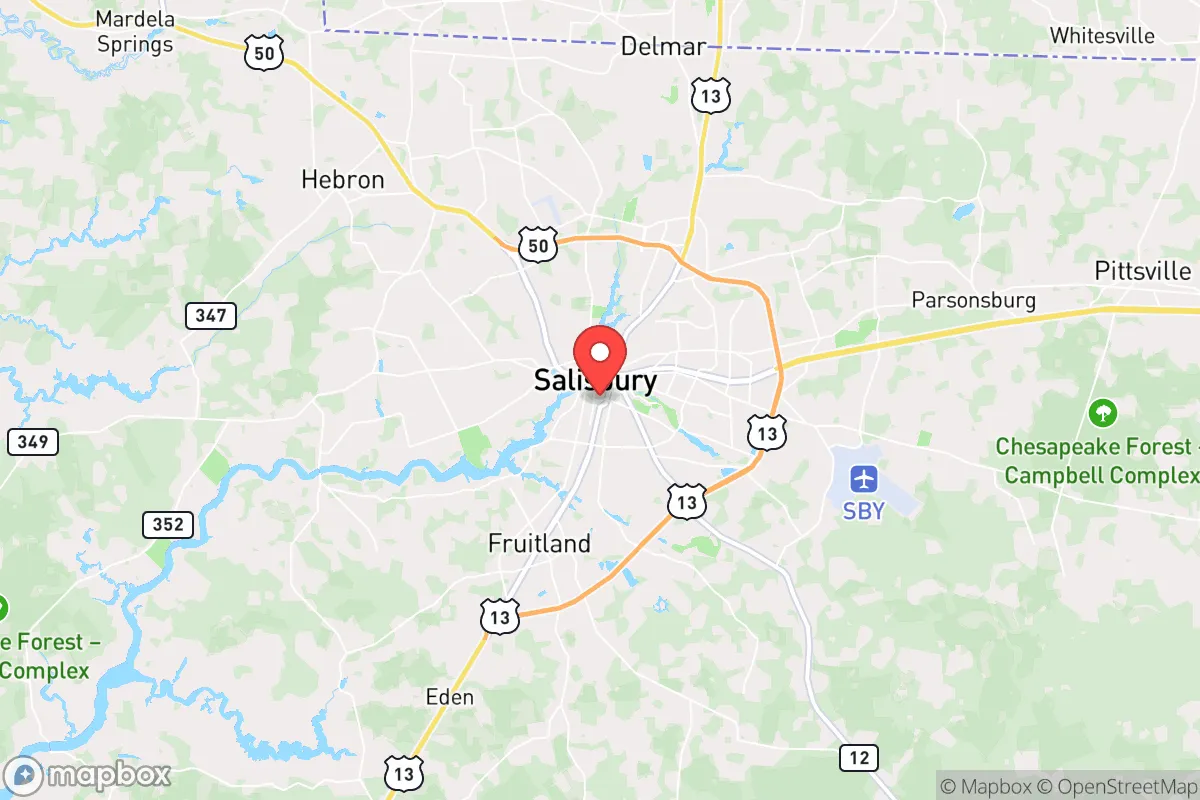
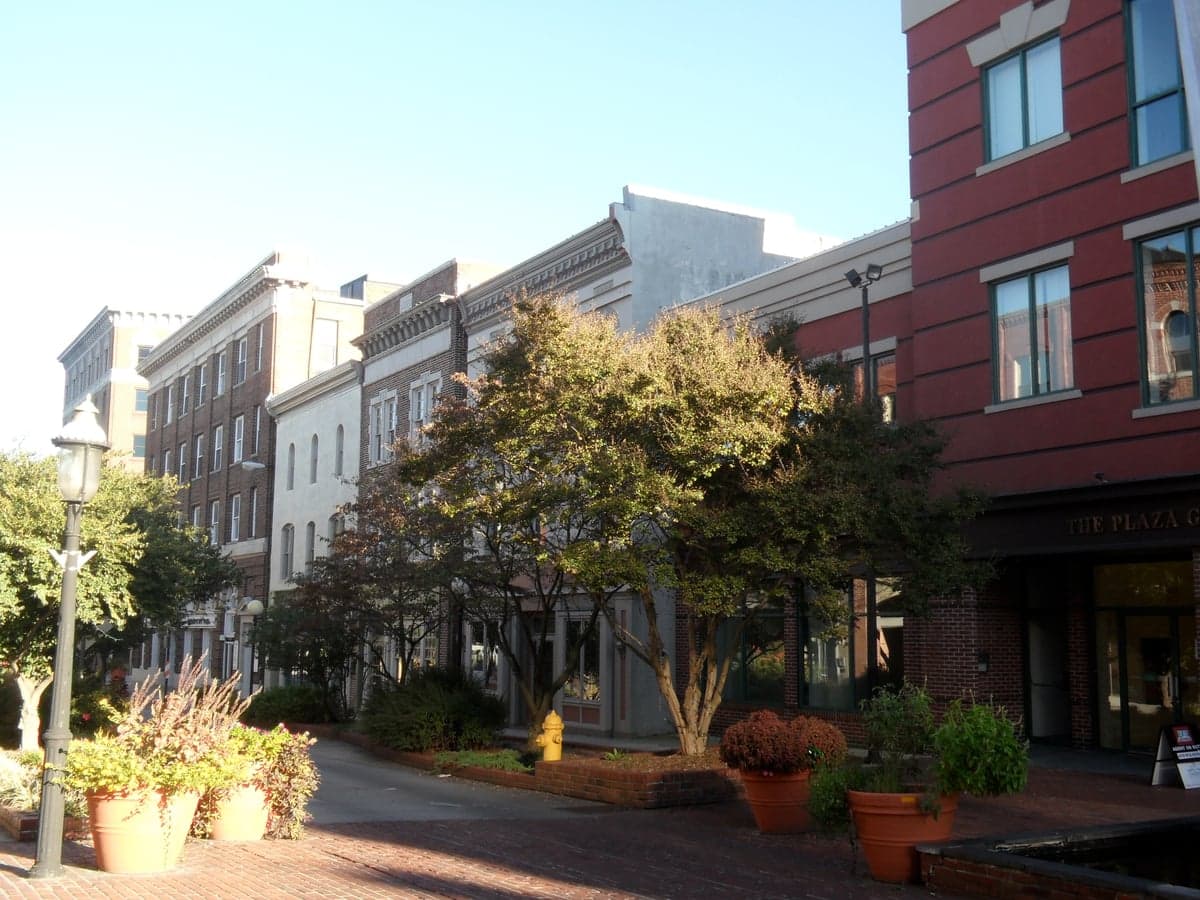
Photo: Wikipedia
Political ClimatePolitical Climate in Salisbury, MD
District shown is the primary district for this city’s centroid. Cities may span multiple districts.
Local Political AnalysisPolitical Analysis of Salisbury, MD
Salisbury, Maryland, sits in a reliably conservative region, anchored by a Cook PVI of R+8, but the political reality here is more complicated than that number suggests. For decades, this was a place where folks minded their own business and the government mostly stayed out of the way, but you can feel the ground shifting under your feet. The surrounding rural areas of Wicomico County still lean heavily red, but the city itself has seen a slow, steady creep of progressive influence, especially in local governance and school board decisions. It’s not a full-blown blue wave, but it’s a noticeable change from the Salisbury I grew up in, and it’s worth keeping an eye on if you value personal freedoms and limited government.
How it compares
To really understand Salisbury’s politics, you have to look at the towns around it. Head north to Delmar or west to Fruitland, and you’ll find communities that are still solidly conservative, with a strong emphasis on property rights and local control. But drive east to Ocean City or south to the more tourist-heavy parts of the Eastern Shore, and you’ll see a different vibe—more transient, more influenced by out-of-state money and attitudes. Salisbury itself is the economic hub, which means it attracts a mix of college students from Salisbury University and younger professionals who often bring more progressive ideas with them. That contrast is real: the county commission stays conservative, but the city council has been flirting with policies that feel like they’re imported from places like Annapolis or Baltimore. It’s a tension that didn’t exist twenty years ago.
What this means for residents
For someone who values personal freedom, the biggest concern is the slow expansion of government overreach into daily life. You’re seeing it in things like zoning restrictions that make it harder to run a small business out of your home, or local ordinances that feel like they’re designed to manage behavior rather than protect rights. The school system has become a battleground too, with debates over curriculum and parental involvement that would have been unthinkable a generation ago. Property taxes have crept up as the city tries to fund new initiatives, and there’s a growing sense that the people in charge are more interested in following state-level mandates than listening to what locals actually want. If you’re the kind of person who believes the best government is the one closest to the people, Salisbury’s recent trajectory is a reason to stay engaged—and maybe a little wary.
The cultural and policy distinctions here are subtle but real. Salisbury still has a strong agricultural and blue-collar backbone, and you’ll find plenty of folks who hunt, fish, and go to church on Sundays. But there’s a growing push for things like “equity” initiatives in city hiring and more aggressive environmental regulations that hit small farmers and contractors harder than they hit the big developers. The Second Amendment is still respected in the county, but you can feel the pressure from the state level, and some local leaders seem all too willing to go along with it. My advice? Keep your ear to the ground, vote in every local election, and don’t assume the R+8 rating means you can take your foot off the gas. The character of this place is still worth fighting for, but it’s not going to preserve itself.

State Political ClimatePolitical Climate in Maryland
State Political AnalysisPolitical Environment in the State
Maryland has long been a deeply blue state, but its political reality is far more complex than the statewide numbers suggest. For the past 20 years, Democrats have held a supermajority in the legislature and every statewide office, with the state voting +32 points for Joe Biden in 2020. However, this lopsided result is almost entirely driven by the Washington D.C. suburbs and Baltimore City, while vast swaths of the state—particularly the Eastern Shore, Western Maryland, and the rural counties—vote reliably Republican. The trajectory over the last decade has been one of accelerating one-party control, with progressive policies being enacted in Annapolis that often leave conservative residents feeling increasingly marginalized.
Urban vs. rural divide
The political map of Maryland is a textbook case of the urban-rural chasm. The Democratic stronghold is anchored by Montgomery County and Prince George's County, two D.C. suburbs that together cast nearly a third of the state's votes and deliver margins of +60 to +80 points for Democrats. Baltimore City is another deep-blue enclave, though its shrinking population has reduced its statewide influence. The city of Baltimore itself is overwhelmingly Democratic, but its surrounding suburbs in Baltimore County have become a key battleground—the county voted for Biden by just 12 points in 2020, down from 18 points for Hillary Clinton in 2016, signaling a rightward shift among working-class voters. On the other side, Garrett County in the far west is the most Republican county in the state, voting +50 points for Trump, while the Eastern Shore counties of Queen Anne's, Talbot, and Worcester are reliably red. The city of Frederick has become a political microcosm: the city itself leans left, but the surrounding Frederick County is a purple-to-red area that has been trending rightward as more conservatives flee the D.C. suburbs.
Policy environment
Maryland's policy environment is a mixed bag that leans heavily toward government intervention. The state has a progressive income tax structure with rates up to 5.75%, plus a local "piggyback" tax that can push the combined rate over 8% in places like Montgomery County. Property taxes are high, and the state's estate tax kicks in at $5 million, which is a major concern for landowners and small business owners. On education, Maryland spends more per pupil than almost any other state, yet outcomes in Baltimore City remain abysmal—a classic case of high spending with low accountability. The state has a strict "red flag" gun law, a ban on assault weapons, and a handgun permit system that was effectively "may issue" until a 2022 Supreme Court ruling forced a shift to "shall issue." Election laws are among the most permissive in the nation: no-excuse mail-in voting, same-day registration, and automatic voter registration are all in place. The state also has a sanctuary policy that limits cooperation between local law enforcement and federal immigration authorities, a point of tension in more conservative counties.
Trajectory & freedom
Maryland is becoming less free by nearly any measure, especially for conservatives. The 2023 legislative session saw the passage of the "Freedom to Read Act," which critics argue is a thinly veiled attempt to remove parental oversight of school library materials. In 2024, the legislature overrode Governor Wes Moore's veto of a bill that bans the sale and transfer of certain "ghost guns" and expands background checks on private firearm sales. The state also passed a law requiring all public schools to adopt "comprehensive" sex education curricula that include LGBTQ+ content, with no parental opt-out for certain lessons. On the economic freedom front, Maryland enacted a paid family leave program in 2022 that imposes a new payroll tax on both employers and employees, and the state's minimum wage is set to rise to $15 an hour by 2025. The only bright spot for liberty-minded residents has been the 2024 passage of a "parental bill of rights" in some counties, though a statewide version has repeatedly failed. The trend is clear: Annapolis is moving further left, and individual freedoms—especially around firearms, education, and economic choice—are being steadily curtailed.
Civil unrest & political movements
Maryland has seen its share of political flashpoints. The 2015 Baltimore riots following the death of Freddie Gray remain a defining scar, leading to a significant drop in the city's population and a lasting distrust of local government. More recently, the 2020 protests in Baltimore and the D.C. suburbs were large and occasionally violent, with statues being toppled and businesses damaged. On the right, the "Maryland Shall Issue" gun rights group has been a persistent legal force, successfully challenging the state's handgun permit law all the way to the Supreme Court. The Eastern Shore has seen a growing "Second Amendment sanctuary" movement, with several counties passing resolutions declaring they will not enforce new gun laws they deem unconstitutional. Immigration politics are a live wire: the state's sanctuary policies have led to clashes between the Moore administration and Republican county executives, particularly in Harford County and Carroll County, where local sheriffs have refused to comply with state directives to limit ICE cooperation. Election integrity remains a concern for many conservatives, especially after the 2020 election saw widespread use of mail-in ballots and ballot drop boxes, though no major fraud has been proven in court.
Projection
Over the next 5-10 years, Maryland is likely to become even more blue, but with a growing conservative countercurrent in the exurbs and rural areas. The D.C. suburbs continue to grow and diversify, bringing in more progressive voters, while Baltimore City's population decline reduces its Democratic vote share. The key wildcard is the Frederick and Howard County corridor, where high housing costs are pushing moderate and conservative families further west into Washington County and Allegany County, potentially flipping some of those areas from purple to red. However, the state's overall partisan lean is unlikely to change dramatically because the legislature's district maps are heavily gerrymandered to protect Democratic incumbents. A conservative moving to Maryland now should expect to live under one-party rule for the foreseeable future, with taxes and regulations likely to increase. The best bet for a like-minded community is the Eastern Shore, Western Maryland, or the northern Baltimore County exurbs, where local governments are more responsive to conservative concerns.
For a conservative considering a move to Maryland, the bottom line is this: you will be living in a state where your vote for president or Senate is essentially irrelevant, but where local elections in certain counties and towns still matter. If you can afford the high taxes and navigate the regulatory environment, places like Hagerstown, Cumberland, or Easton offer a quality of life that is more aligned with traditional values. But be prepared for a constant political battle at the state level—Annapolis is not your friend, and it's only getting more hostile to the principles of limited government and personal freedom.
* Values derived from national, state, county, city and local statistics and may differ in a specific area. Last updated: 2026-04-19T07:05:31.000Z
Narrative content on this page is AI-generated and may contain mistakes. Verify any details that matter before acting on them.
ReloMaps may earn a commission from affiliate links at no extra cost to you.

