 Popular
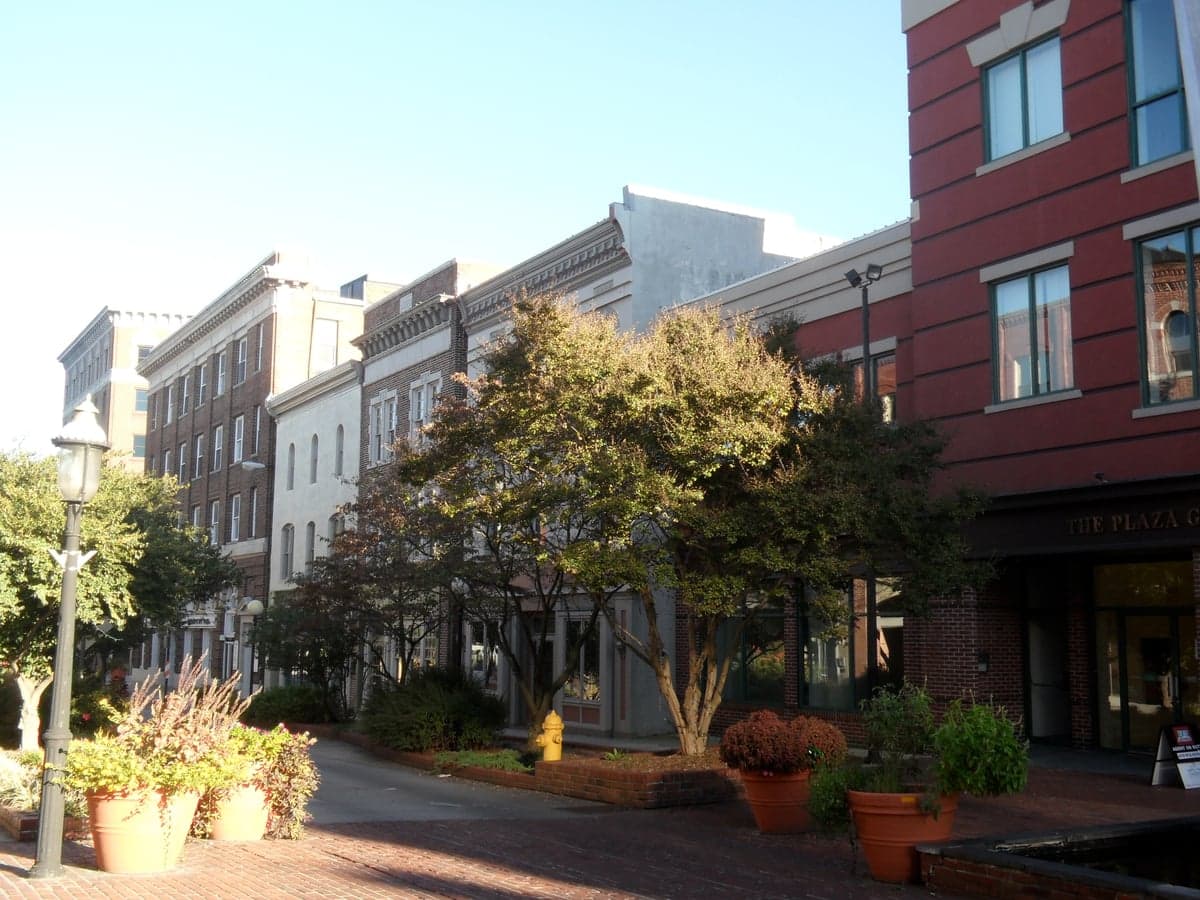
Photo: Wikipedia
Quality of Life in Salisbury, MD
Above-average quality of iife. The area offers a reasonable cost of living, decent mobility, and a mix of neighborhood amenities.
What does Quality of Life tell us?
Quality of Life blends cost of living, nearby amenities, socioeconomic signals, and neighborhood character. City-level scores represent the whole municipality; individual neighborhoods can differ.
What does this tell us?
Quality of Life blends cost of living, nearby amenities, socioeconomic signals, and neighborhood character. City-level scores represent the whole municipality; individual neighborhoods can differ.
Cost of Living
5% below national average
The Real Cost of Living in Salisbury, MD for 2026
| Tier | Individual | Family (4) |
|---|---|---|
| Survival | $20k | $37k |
| Comfortable | $42k | $62k |
| Luxury | $102k+ | $158k+ |
| Elite (Top 5%) | $130k+ | $201k+ |
91%
The Area Signal
A metric tracking the socioeconomic signals of the area.


Hobbies
Explore the areaGroceries
5 within 10 miles
Gas
0 within 10 miles
Hospital
3 within 20 miles
Airport
BWI — Baltimore/Washington International Thurgood Marshall
Post Office
USPS — Salisbury, MD
Critical Amenities
Quality-of-Life Analysis
Salisbury, Maryland, presents a quality of life defined by its position as a regional hub on the Eastern Shore, where a mix of university students, healthcare professionals, and long-standing local families creates a community that is more diverse and economically varied than the surrounding rural areas. While not an affluent enclave, the city offers a cost of living that is notably lower than the national average, attracting those who seek a slower pace of life without sacrificing access to essential services and cultural amenities. The median household income hovers near the national median, reflecting a community of middle-class workers, educators, and service-industry employees rather than a high-income professional class.
Cost of living, housing affordability, and how Salisbury compares to nearby areas
Salisbury’s cost of living index stands at 95, meaning everyday expenses are roughly 5% below the U.S. average, a significant advantage over pricier Maryland markets like the Washington, D.C., suburbs or Baltimore. The median home value of $217,500 is a key draw, offering a path to homeownership that is increasingly out of reach in coastal Maryland; for context, comparable homes in Ocean City or Annapolis often cost two to three times more. Renters also find relief, with a median rent of $1,247, which is affordable compared to the statewide median of roughly $1,600. However, this affordability comes with trade-offs: property taxes in Wicomico County are moderate, but the housing stock includes many older homes that may require renovation, and the market has seen steady price increases as remote workers from higher-cost areas relocate to the Shore. The average commute of 21.5 minutes is a standout advantage, far shorter than the 30+ minute averages in major metro areas, allowing residents to spend less time in traffic and more time on local pursuits.
What daily life is like: amenities, schools, and the local rhythm
Daily life in Salisbury revolves around a compact, walkable downtown anchored by Salisbury University, which injects a youthful energy and cultural programming—such as concerts and art exhibits—into the city’s rhythm. The Wicomico County Public Schools system serves the area, with Salisbury’s own schools like Parkside High School and Bennett Middle School offering a mix of academic and vocational programs, though families often compare performance metrics with nearby private options like Salisbury Christian School. For errands and entertainment, the city provides a full range of big-box retailers, grocery stores, and a regional hospital (TidalHealth Peninsula Regional), eliminating the need to drive to larger cities for most needs. The local pace is distinctly unhurried; residents frequently spend weekends on the nearby Wicomico River, at the Salisbury Zoo, or driving 30 minutes to the Atlantic beaches. The presence of the university and the Perdue corporate headquarters means the job market is anchored by education, healthcare, and agribusiness, creating a stable but not rapidly growing economy.
This combination of low housing costs, a short commute, and access to both urban amenities and natural recreation makes Salisbury an ideal fit for a specific set of people: first-time homebuyers priced out of the I-95 corridor, healthcare and education professionals seeking stable employment, and retirees who want a quieter life within reach of the beach. Those who thrive here are comfortable with a slower social tempo and a community where local events—like the National Folk Festival or a Shorebirds baseball game—are the highlight of the week. Conversely, individuals seeking high-end dining, a fast-paced career ladder, or a diverse, cosmopolitan social scene may find Salisbury limiting. For the right resident, however, the city offers a rare balance of affordability, convenience, and coastal proximity that is increasingly hard to find on the East Coast.

Crime in Salisbury, MD
Generally safer than 60% of comparable U.S. locations.
Violent CrimeViolent Crime Analysis
Property CrimeProperty Crime Analysis
Crime Analysis
Salisbury, Maryland, experiences crime rates that significantly exceed both state and national averages, presenting a notable safety concern for residents and those considering relocation. With a violent crime rate of 506.2 per 100,000 residents and a property crime rate of 1,456.5 per 100,000, the city faces challenges that are compounded by the broader criminal justice environment in Wicomico County and the state of Maryland. The presence of progressive prosecutorial policies in the region, which often prioritize rehabilitation and diversion over incarceration, has been linked to higher recidivism and a greater number of offenders remaining on the streets, directly impacting public safety and victim justice.
Crime in context
To understand Salisbury's safety landscape, it is essential to compare its crime rates to broader benchmarks. The city's violent crime rate of 506.2 per 100,000 is roughly 40% higher than the national average and nearly double the Maryland state average. Property crime, at 1,456.5 per 100,000, also outpaces national figures by a significant margin. These elevated numbers are not isolated to Salisbury alone but reflect a trend seen across many small cities within larger metro areas, particularly those where liberal-leaning district attorneys and judges have implemented policies that reduce penalties for non-violent and even some violent offenses. In Wicomico County, such approaches have been criticized for creating a revolving-door effect, where repeat offenders are quickly returned to the community, undermining deterrence and eroding public trust in the justice system.
What residents experience
For those living in Salisbury, the statistical reality translates into tangible daily concerns. Violent crimes, including aggravated assault, robbery, and homicide, occur with enough frequency that many residents avoid certain areas after dark or take extra precautions when parking or walking alone. Property crimes such as burglary, theft, and motor vehicle theft are even more common, with one in every 26 residents likely to be a victim of property crime each year. The progressive criminal justice policies in place—emphasizing restorative justice and reduced sentencing—mean that offenders often face minimal consequences, leading to higher rates of re-offense. This directly impacts victims, who may see their perpetrators back on the street within weeks, and creates a climate of frustration and insecurity among law-abiding citizens.
Neighborhood-level variation is notable within Salisbury. Areas closer to the downtown core and the Salisbury University campus tend to report higher concentrations of both violent and property crime, while outlying residential neighborhoods and newer subdivisions on the city's periphery generally experience lower rates. However, the city's overall crime problem is systemic, and even safer neighborhoods are not immune to spillover effects from high-crime zones. Prospective residents are advised to research specific blocks and consult local police crime maps, as the difference between a relatively safe street and a high-risk one can be just a few blocks. Ultimately, Salisbury's safety picture is one where progressive justice policies have created an environment that prioritizes offender rehabilitation over public protection, leaving residents to bear the consequences of a system that often fails to hold criminals accountable.
* Values derived from national, state, county, city and local statistics and may differ in a specific area. Last updated: 2026-04-19T07:05:31.000Z
Narrative content on this page is AI-generated and may contain mistakes. Verify any details that matter before acting on them.
ReloMaps may earn a commission from affiliate links at no extra cost to you.

