 Popular
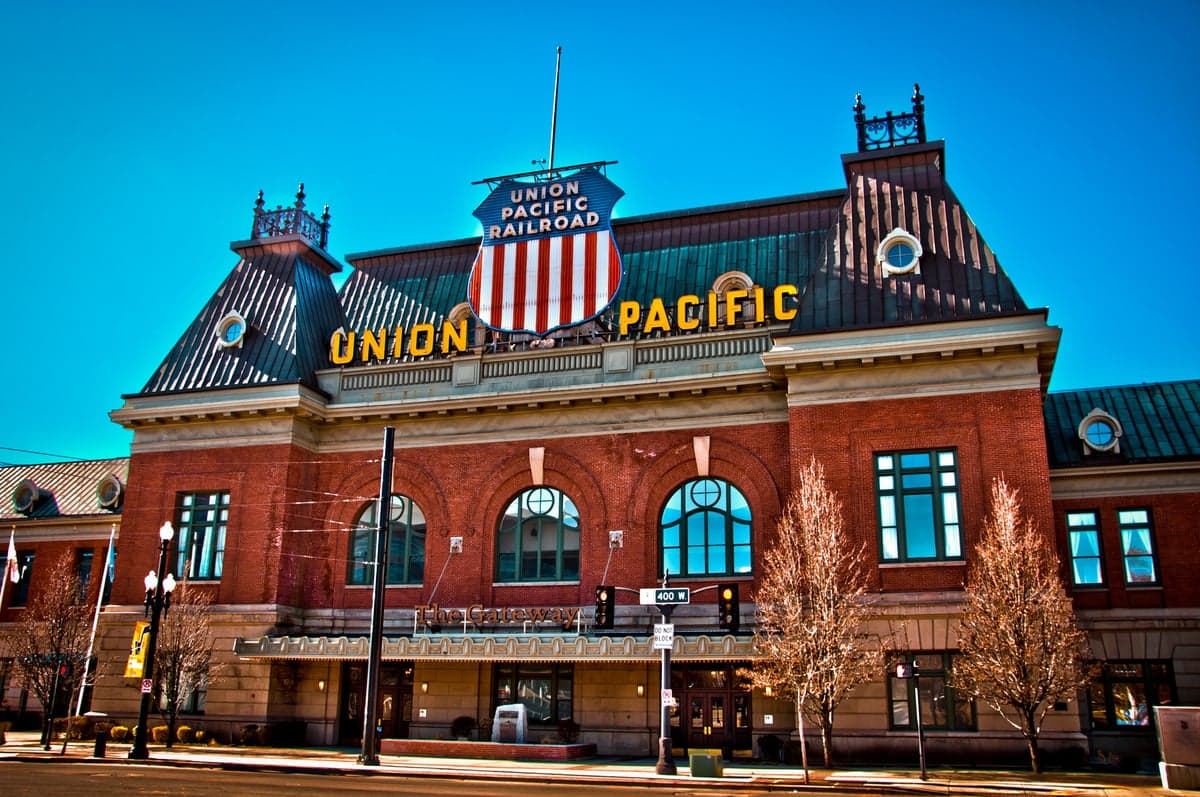
Photo: Wikipedia
Demographics of Salt Lake City, UT
Affluence Level in Salt Lake City, UT
A middle-class area roughly in line with national averages across income, home values, education, and employment.
People of Salt Lake City, UT
Salt Lake City today is a majority-white city of 203,888 residents, but its character is far from monolithic. The population is 64.7% white, 20.8% Hispanic, 4.1% East/Southeast Asian, 2.4% Black, and 1.2% Indian (subcontinent), with 9.4% foreign-born and a highly educated workforce — 50.9% hold a college degree. The city retains a strong Latter-day Saint cultural imprint, but the non-Mormon and secular share has grown steadily, creating a more politically and socially diverse urban core than the surrounding suburbs.
How the city was settled and grew
Salt Lake City was founded in 1847 by Mormon pioneers led by Brigham Young, who fled religious persecution in the eastern United States. The original settlers were predominantly converts from the British Isles, Scandinavia, and Germany, organized into tightly knit wards that defined the city’s early layout. The Avenues neighborhood, built on a grid system east of downtown, housed many of these early families in Victorian and Craftsman homes. By the late 19th century, mining booms in the nearby Wasatch Mountains drew a wave of non-Mormon immigrants — Irish, Italian, Greek, and Chinese laborers — who settled in the Central City and Rio Grande districts near the railroad depots. The Greek community concentrated around Greek Town (now part of the downtown west side), while Chinese workers built a small enclave along 200 South. Through the mid-20th century, the city remained overwhelmingly white and LDS, with a small Black population centered in the Liberty Wells area near Liberty Park.
Modern era (post-1965)
The 1965 Hart-Cellar Act reshaped Salt Lake City’s demographics by opening immigration from Asia and Latin America. The Hispanic population grew rapidly from the 1970s onward, driven by Mexican and Central American immigrants seeking construction, hospitality, and service jobs. Today, the Glendale and Rose Park neighborhoods west of I-15 are the heart of the Hispanic community, with a mix of long-established families and newer arrivals. East/Southeast Asian communities — primarily Vietnamese, Chinese, and Korean — settled in the East Central district and along State Street, often drawn by affordable housing and proximity to the University of Utah. The Indian (subcontinent) population, though smaller at 1.2%, has grown since the 1990s, concentrated in the University and Yalecrest areas near tech and medical employers. Domestic in-migration from California and the Pacific Northwest accelerated after 2010, bringing younger, secular, and more liberal residents to the Downtown and Central Ninth neighborhoods, where new apartment towers and transit-oriented development have reshaped the urban fabric.
The future
Salt Lake City’s population is trending toward greater diversity, but the pace is uneven. The white share has declined from roughly 75% in 2000 to 64.7% today, while the Hispanic share continues to rise. East/Southeast Asian and Indian communities are growing slowly, driven by tech and healthcare employment, but remain small in absolute numbers. The city is not homogenizing — instead, it is tribalizing into distinct enclaves: Glendale and Rose Park remain heavily Hispanic; Yalecrest and the Avenues are predominantly white and affluent; Central City and Liberty Wells are becoming more mixed as younger professionals move in. The foreign-born share (9.4%) is below the national average (13.7%), suggesting immigration is not the primary driver of change — domestic migration is. Over the next 10-20 years, expect the city to become more secular, more politically left-leaning, and slightly more diverse, but the core white majority will persist, especially in the historic east-side neighborhoods.
For someone moving in now, Salt Lake City offers a highly educated, growing urban center with a distinctive religious heritage that is gradually giving way to a more pluralistic identity. The west side is where most new immigrant and Hispanic families settle, while the east side and downtown attract young professionals and empty-nesters. The city is becoming less insular and more cosmopolitan, but the pace of change is moderate — not the rapid transformation seen in Denver or Austin. New arrivals should expect a city that values outdoor recreation, education, and civic engagement, but where cultural and economic divides between the LDS and non-LDS populations remain a defining feature of daily life.

* Values derived from national, state, county, city and local statistics and may differ in a specific area. Last updated: 2026-04-15T23:30:00.000Z
Narrative content on this page is AI-generated and may contain mistakes. Verify any details that matter before acting on them.
ReloMaps may earn a commission from affiliate links at no extra cost to you.

