 Popular
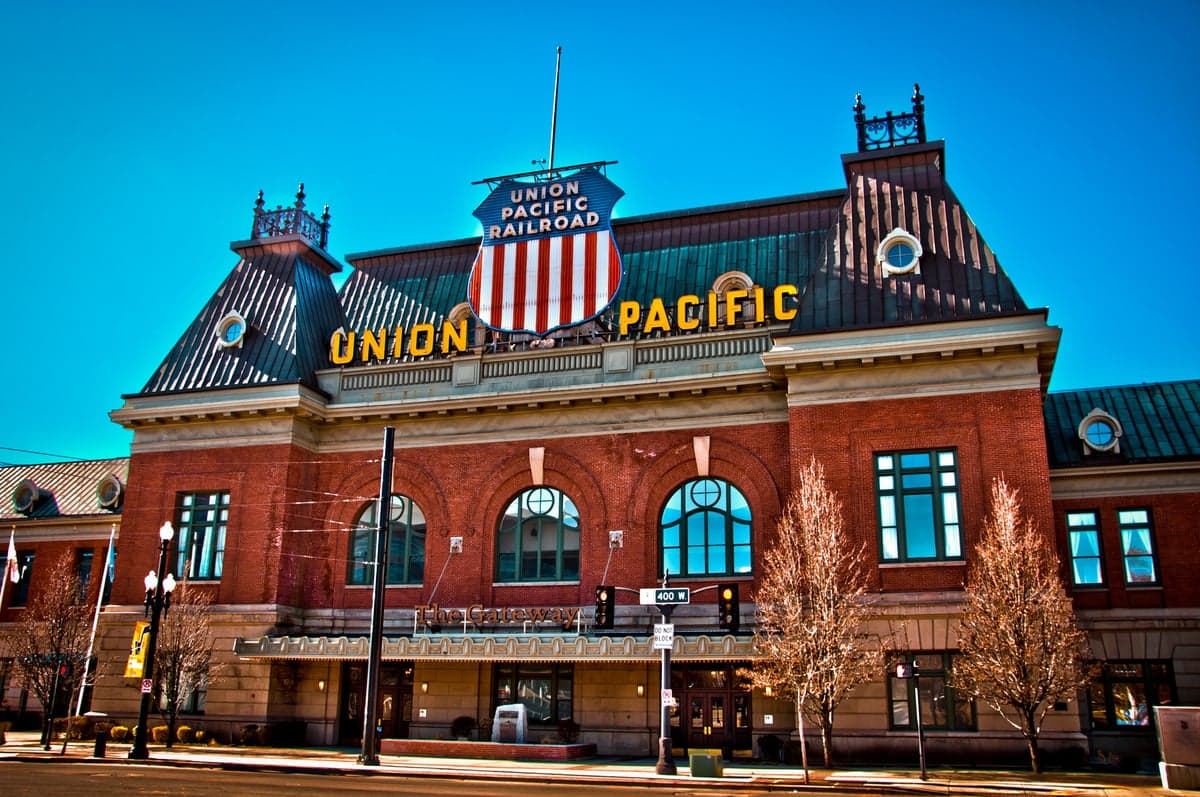
Photo: Wikipedia
Quality of Life in Salt Lake City, UT
Above-average quality of iife. The area offers a reasonable cost of living, decent mobility, and a mix of neighborhood amenities.
What does Quality of Life tell us?
Quality of Life blends cost of living, nearby amenities, socioeconomic signals, and neighborhood character. City-level scores represent the whole municipality; individual neighborhoods can differ.
What does this tell us?
Quality of Life blends cost of living, nearby amenities, socioeconomic signals, and neighborhood character. City-level scores represent the whole municipality; individual neighborhoods can differ.
Cost of Living
40% above national average
The Real Cost of Living in Salt Lake City, UT for 2026
| Tier | Individual | Family (4) |
|---|---|---|
| Survival | $21k | $40k |
| Comfortable | $96k | $142k |
| Luxury | $135k+ | $210k+ |
| Elite (Top 5%) | $195k+ | $302k+ |
53%
The Area Signal
A metric tracking the socioeconomic signals of the area.


Hobbies
Explore the areaGroceries
5 within 10 miles
Gas
0 within 10 miles
Hospital
3 within 20 miles
Airport
SLC — Salt Lake City International
Post Office
USPS — Salt Lake City, UT
Critical Amenities
Quality-of-Life Analysis
Salt Lake City is an affluent urban center with a cost of living index of 140 (40% above the U.S. average), attracting a mix of young professionals, outdoor enthusiasts, and families drawn to its robust economy and mountain access. The city's population skews younger and more educated than the national average, with a median age of around 32 and a high proportion of college graduates employed in tech, healthcare, and finance. This demographic profile shapes a quality of life defined by high incomes, strong civic engagement, and a culture that balances urban convenience with immediate access to world-class recreation.
Cost of living, housing affordability, and how it compares to nearby areas
Salt Lake City's housing market is the primary driver of its elevated cost of living. The median home value sits at $495,700, roughly 35% above the national median, while the median rent of $1,343 is more moderate but still above the U.S. average. Compared to nearby suburbs like Sandy or Holladay, Salt Lake City proper offers slightly lower home prices but higher density and older housing stock. The average commute of 19.6 minutes is notably short for a metro area of its size, a direct benefit of the city's compact grid layout and efficient public transit system (UTA Trax and bus lines). This commute time is about 30% shorter than the national average, meaning residents save significant time and money on transportation. However, affordability is a growing concern: home prices have risen roughly 50% since 2020, outpacing wage growth, and inventory remains tight. Renters face competition, especially in popular neighborhoods like Sugar House and the Avenues, where rents can exceed $1,800 for a one-bedroom. For those willing to live 20–30 minutes outside the city core, areas like West Valley City or Taylorsville offer median home values closer to $400,000, but with longer commutes and fewer walkable amenities.
What daily life is like for families: schools, amenities, and neighborhood rhythm
Daily life in Salt Lake City is shaped by a strong sense of community and an outdoor-oriented lifestyle. The city's public schools, part of the Salt Lake City School District, include highly rated options like East High School and Bryant Middle School, though families often supplement with charter or private schools for specialized programs. Amenities are abundant: the city boasts over 100 parks, a thriving farmers' market at Pioneer Park, and the City Creek Center shopping complex downtown. The neighborhood rhythm varies by area—the Avenues offers historic homes and quiet streets popular with families, while the Central City and Liberty Wells areas have a more urban, walkable feel with coffee shops and breweries. The city's 19.6-minute average commute means most residents can reach work, school, or recreation within a short drive or train ride, a rarity among U.S. metros of similar size. Cultural amenities include the Utah Symphony, Ballet West, and the Natural History Museum of Utah, all within a 15-minute radius of most neighborhoods. The Wasatch Front's hiking and skiing are accessible within 30 minutes, making weekend recreation a seamless part of daily life.
Salt Lake City is best suited for professionals and families who prioritize career opportunity, outdoor recreation, and a relatively short commute over low housing costs. The city's strong job market—anchored by tech employers like Adobe, eBay, and a growing biotech sector—supports higher incomes that offset the elevated cost of living. Those who thrive here are typically active, value community engagement, and are comfortable with a moderate urban density that still feels spacious compared to coastal cities. Renters and first-time buyers may find the market challenging, but the trade-off is access to a clean, safe, and amenity-rich environment with unparalleled proximity to nature. For anyone seeking a balanced lifestyle where work, family, and recreation coexist within a 20-minute radius, Salt Lake City delivers a compelling quality of life.

Crime in Salt Lake City, UT
Higher crime rates than 74% of comparable U.S. locations.
Violent CrimeViolent Crime Analysis
Property CrimeProperty Crime Analysis
Crime Analysis
Salt Lake City's overall safety picture is mixed, with crime rates significantly exceeding both state and national averages. The city recorded a violent crime rate of 856.5 incidents per 100,000 residents and a property crime rate of 4,752.5 per 100,000 in the most recent reporting period. These figures place Salt Lake City among the higher-crime urban centers in the Intermountain West, though the experience of crime varies sharply by neighborhood and time of day.
Crime in context
Compared to Utah's statewide violent crime rate of roughly 240 per 100,000, Salt Lake City's rate is more than 3.5 times higher. Nationally, the average violent crime rate hovers around 380 per 100,000, meaning Salt Lake City's rate is more than double the U.S. figure. Property crime in the city is similarly elevated, running about 2.5 times the national average of roughly 1,950 per 100,000. A key factor driving these elevated numbers is the city's role as a regional hub, which concentrates transient populations, drug-related activity, and property offenses. Additionally, Salt Lake County has seen a trend toward progressive prosecution policies, with some observers noting that reduced penalties for theft and drug possession have contributed to repeat offending and a perception of low consequences for property crime.
What residents experience
For most residents, property crime is the most tangible safety concern. Vehicle break-ins, bicycle theft, and package theft are common, particularly in downtown neighborhoods, the Central City area, and near the University of Utah. Violent crime, while less frequent in daily life, is concentrated in specific corridors—especially along State Street and parts of the west side—and is often tied to gang activity or substance abuse. Residents in neighborhoods like the Avenues, Federal Heights, and East Bench report far fewer incidents than those in Glendale, Poplar Grove, or Rose Park. The city's homeless population, estimated at over 3,000 on any given night, also contributes to visible disorder and petty crime in the downtown core and near the Rio Grande shelter. Many locals adjust by using steering wheel locks, avoiding parking on the street overnight, and staying alert after dark in high-traffic areas.
Neighborhood-level variation is substantial. The safest areas—such as the Avenues, Yalecrest, and East Bench—see violent crime rates comparable to the state average, while high-density downtown zones and west-side neighborhoods can experience rates two to three times the citywide figure. Prospective residents should research specific block-level data on the Salt Lake City Police Department's crime map and consider that the city's progressive judicial environment, while intended to reduce incarceration, has been linked by critics to higher recidivism and a greater number of offenders on the street. For those prioritizing safety, choosing a neighborhood east of I-15 or north of South Temple typically offers a significantly lower risk profile.
* Values derived from national, state, county, city and local statistics and may differ in a specific area. Last updated: 2026-04-15T23:30:00.000Z
Narrative content on this page is AI-generated and may contain mistakes. Verify any details that matter before acting on them.
ReloMaps may earn a commission from affiliate links at no extra cost to you.

