 Popular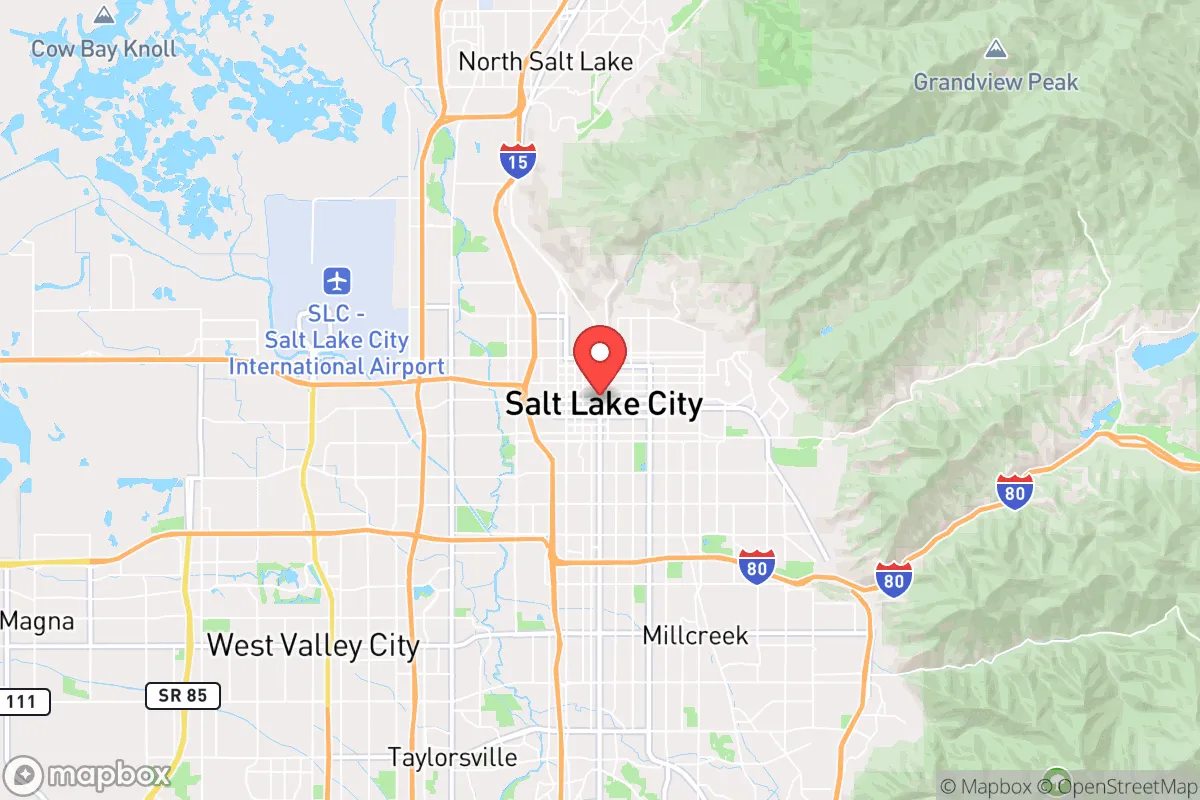
Photo: Wikipedia
Political ClimatePolitical Climate in Salt Lake City, UT
District shown is the primary district for this city’s centroid. Cities may span multiple districts.
Local Political AnalysisPolitical Analysis of Salt Lake City, UT
Salt Lake City has long been a conservative stronghold, anchored by the deep-rooted influence of the LDS Church and a culture that values self-reliance and traditional family structures. The area’s Cook PVI of R+10 reflects this, but if you’ve lived here as long as I have, you’ve seen the ground shift under your feet. The city itself is trending more progressive with each election cycle, while the surrounding suburbs and rural counties—places like Draper, Alpine, and Heber City—still hold the line. It’s a tale of two Utahs now, and the tension between them is palpable.
How it compares
Drive 20 minutes south to Provo or Orem, and you’re in a world that still votes reliably red, with local leaders pushing back hard on federal overreach and protecting Second Amendment rights. Head north to Ogden, and you’ll find a similar blue-collar conservatism that values fiscal restraint. But inside the Salt Lake City limits—especially in neighborhoods like the Avenues, Sugar House, and the growing downtown core—you’ll see a different story. The city council has been flirting with policies that feel more like Portland or Denver: zoning changes that dilute single-family neighborhoods, bike lane expansions that choke traffic, and a growing acceptance of homeless encampments that erode public safety. The contrast is stark. While the state legislature in the Capitol building fights to keep taxes low and parental rights strong, the city government seems increasingly eager to experiment with progressive social engineering.
What this means for residents
For those of us who remember when Salt Lake City was a place where you could raise a family without worrying about government overreach, the changes are concerning. Property taxes have crept up to fund new transit projects and affordable housing mandates that feel more like social experiments than practical solutions. The city’s push for “equity” in everything from business licensing to school curriculum has many longtime residents feeling like their voice doesn’t matter anymore. If you value personal freedoms—like the right to choose your own healthcare, send your kids to a school that aligns with your values, or run a small business without endless red tape—you’ll find the suburbs offer a much better fit. Places like Sandy, South Jordan, or even the newer developments in Herriman still prioritize low taxes, strong police presence, and community standards that respect individual liberty over collective ideology.
One thing that hasn’t changed is the state’s overall resistance to federal overreach. Utah’s legislature has been a national leader in pushing back against federal mandates on land use, education, and gun control. But inside the city, you’ll see a different attitude—a willingness to adopt California-style regulations on everything from plastic bags to energy efficiency standards. The cultural divide is real, and it’s only widening. If you’re considering a move here, my advice is to look closely at the neighborhood and the local elections. The city’s trajectory is clear, and it’s not heading in a direction that respects the traditional freedoms that made this state great. The suburbs still offer a refuge, but the city itself is becoming a place where you need to keep an eye on what the government is planning next.

State Political ClimatePolitical Climate in Utah
State Political AnalysisPolitical Environment in the State
Utah has long been one of the most reliably conservative states in the nation, with a Republican trifecta controlling the governorship and both legislative chambers for decades. The state’s dominant political coalition is a blend of the Church of Jesus Christ of Latter-day Saints’ cultural influence, a strong free-market ethos, and a deeply ingrained skepticism of federal overreach. Over the past 10-20 years, the overall partisan lean has only hardened, with the GOP routinely winning 60-70% of the presidential vote, though the Wasatch Front’s explosive growth has introduced subtle cracks in that monolith. A new resident moving here today will find a state that is still overwhelmingly red, but the political conversation is increasingly shaped by a tension between traditional conservatism and a newer, more libertarian-leaning strain that prioritizes individual freedom over government mandates.
Urban vs. rural divide
The political map of Utah is a study in contrasts. The vast rural expanse—places like Moab, Cedar City, and Vernal—votes overwhelmingly Republican, often by margins of 70-80% or more. These areas are the heartland of the state’s conservative identity, where gun rights, property rights, and local control are non-negotiable. The real action, however, is along the Wasatch Front, where 80% of the population lives. Salt Lake City itself is a deep blue island, with progressive politics on social issues, environmental regulation, and public transit. But the surrounding suburbs tell a more nuanced story. Utah County, anchored by Provo and Orem, is a conservative stronghold, though it’s increasingly split between traditional LDS-aligned Republicans and a younger, more tech-driven libertarian crowd. Davis County and Weber County north of Salt Lake are reliably red but have seen some suburban drift toward purple in recent cycles, particularly in areas like Farmington and Layton. The key takeaway: the urban core is a progressive bubble, but the surrounding suburbs and rural areas keep the state firmly in the conservative column.
Policy environment
Utah’s policy environment is a model of limited government, though not without its own brand of paternalism. The state has a flat income tax rate of 4.65%, no inheritance tax, and a relatively low property tax burden, making it attractive for families and businesses. The regulatory posture is business-friendly, with right-to-work laws and minimal red tape for startups. On education, Utah has embraced school choice, including a robust charter school system and a new universal school voucher program passed in 2023, which allows parents to direct public funds to private or homeschool options. Healthcare policy is a mixed bag: the state expanded Medicaid under a conservative waiver, but it also passed some of the nation’s strictest abortion laws, including a near-total ban (currently tied up in court). Election laws are secure, with voter ID requirements and no-excuse mail-in voting, which has actually boosted turnout without the fraud concerns seen in other states. The biggest red flag for a freedom-minded resident is the state’s alcohol and drug laws, which remain heavily regulated due to lingering LDS influence—beer can only be sold in grocery stores at 5% ABV, and Sunday liquor sales are restricted. Still, compared to California or Colorado, Utah’s policy environment is a breath of fresh air for anyone tired of government overreach.
Trajectory & freedom
Utah is on a trajectory of expanding personal freedom, but the path is not without bumps. The state has been a national leader in protecting Second Amendment rights, with constitutional carry passed in 2021, allowing law-abiding citizens to carry a concealed firearm without a permit. Parental rights have been strengthened through the Utah Parental Rights Act, which gives parents explicit authority over their children’s education and medical decisions. On medical autonomy, Utah has resisted federal COVID mandates more aggressively than most blue states, though it did impose some temporary restrictions that sparked backlash. Property rights are generally strong, with no state income tax on capital gains and a robust homestead exemption. However, the state has also seen a push for more government intervention in the name of “public health,” including a statewide flavored vape ban in 2023 that angered libertarians. The most concerning trend for conservatives is the growing influence of the “SLC progressive” agenda, which has pushed for more zoning regulations and climate mandates in the capital. But overall, the state legislature has been pushing back, passing bills to preempt local gun control and limit local government’s ability to impose rent control. A new resident will find a state that is still moving in the right direction on most freedom metrics, but vigilance is needed to keep it that way.
Civil unrest & political movements
Utah is not a hotbed of civil unrest, but it has its flashpoints. The most visible political movements are on the right, with the Utah Republican Party often split between establishment figures and a more populist, anti-establishment wing that has gained traction in rural counties. The “Utah Patriot” movement, centered around groups like the Utah Tenth Amendment Center, has been vocal on nullification issues, pushing back against federal land control and gun laws. On the left, the progressive movement is concentrated in Salt Lake City, with groups like the Utah Progressive Caucus organizing around environmental justice and police reform. Immigration politics are relatively calm compared to border states, but there have been tensions in communities like West Valley City, where a growing Hispanic population has led to debates over sanctuary policies. The state has no sanctuary cities, and the legislature passed a law requiring local law enforcement to cooperate with federal immigration authorities. Election integrity has been a minor issue, with some conservatives questioning the security of the state’s universal mail-in voting system, though no major fraud has been uncovered. The most visible flashpoint for a new resident would be the annual Utah Legislature session, where debates over transgender rights, gun laws, and education reform often draw passionate crowds to the Capitol. Overall, the political climate is civil but intense, with a strong undercurrent of distrust toward federal authority.
Projection
Over the next 5-10 years, Utah’s political trajectory will be shaped by two forces: demographic change and in-migration. The state is growing fast, with many newcomers coming from California and other blue states, bringing more moderate or even progressive views. This is already shifting the Wasatch Front, particularly in Salt Lake County, which has become a swing county in recent elections. The rural areas will remain deeply red, but their political power will diminish as the population concentrates along the I-15 corridor. The most likely outcome is a slow, steady drift toward a more competitive two-party system, with the GOP still dominant but facing real challenges in the suburbs. For a conservative moving in now, expect to see more debates over housing policy, environmental regulation, and education funding as the state grapples with growth. The good news is that the state’s institutional conservatism—rooted in the LDS culture and a strong small-government tradition—will act as a brake on rapid progressive change. A decade from now, Utah will still be a red state, but it will look more like Arizona or Georgia than Texas or Idaho. The key for a new resident is to get involved early, especially in local politics, to ensure the state’s freedom-friendly character is preserved.
For a conservative individual or family considering a move to Utah, the bottom line is this: you will find a state that largely shares your values on taxes, guns, and parental rights, but you will also encounter a growing progressive presence in the urban core and a unique LDS cultural influence that can feel restrictive on social issues. The practical takeaway is to choose your location carefully—stick to the suburbs of Utah County or the rural areas if you want a reliably conservative environment, and be prepared to engage in the political process to protect the freedoms that make Utah attractive. The state is not perfect, but it is one of the few places in the country where the trajectory is still pointing in the right direction for those who value personal liberty and limited government.
* Values derived from national, state, county, city and local statistics and may differ in a specific area. Last updated: 2026-04-15T23:30:00.000Z
Narrative content on this page is AI-generated and may contain mistakes. Verify any details that matter before acting on them.
ReloMaps may earn a commission from affiliate links at no extra cost to you.

