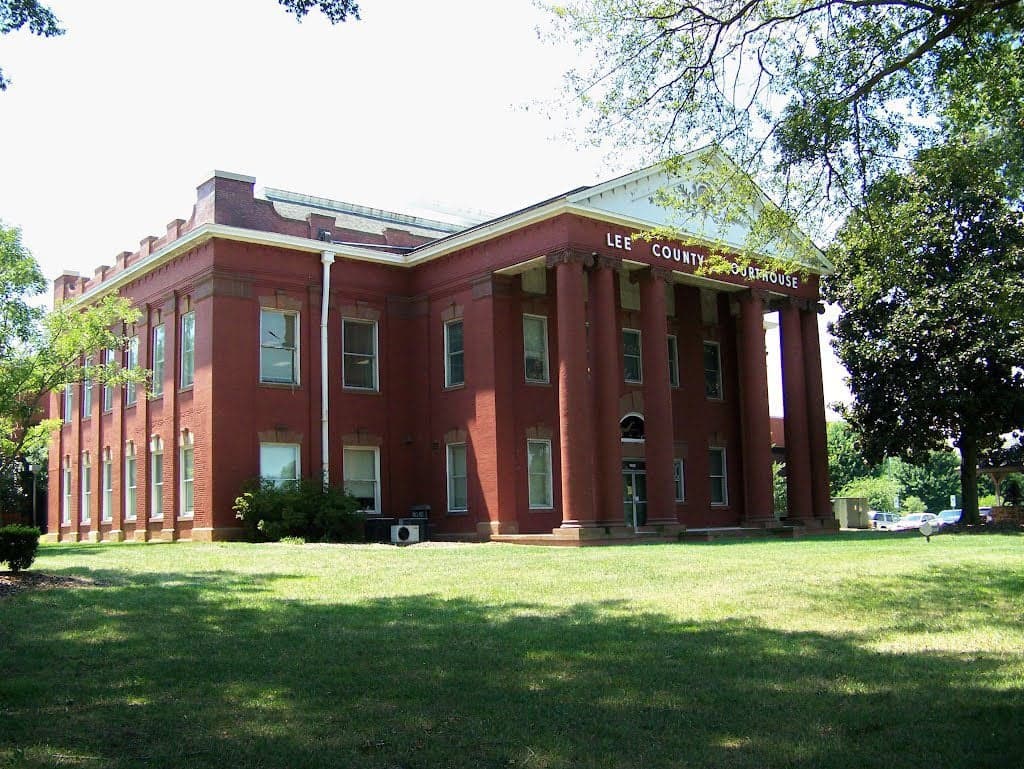
Photo: Wikipedia
Quality of Life in Sanford, NC
A high quality of life with strong walkability, manageable living costs, healthy neighborhood signals, and solid amenity access.
What does Quality of Life tell us?
Quality of Life blends cost of living, nearby amenities, socioeconomic signals, and neighborhood character. City-level scores represent the whole municipality; individual neighborhoods can differ.
What does this tell us?
Quality of Life blends cost of living, nearby amenities, socioeconomic signals, and neighborhood character. City-level scores represent the whole municipality; individual neighborhoods can differ.
Cost of Living
19% below national average
The Real Cost of Living in Sanford, NC for 2026
| Tier | Individual | Family (4) |
|---|---|---|
| Survival | $15k | $29k |
| Comfortable | $43k | $63k |
| Luxury | $98k+ | $152k+ |
| Elite (Top 5%) | $121k+ | $188k+ |
86%
The Area Signal
A metric tracking the socioeconomic signals of the area.
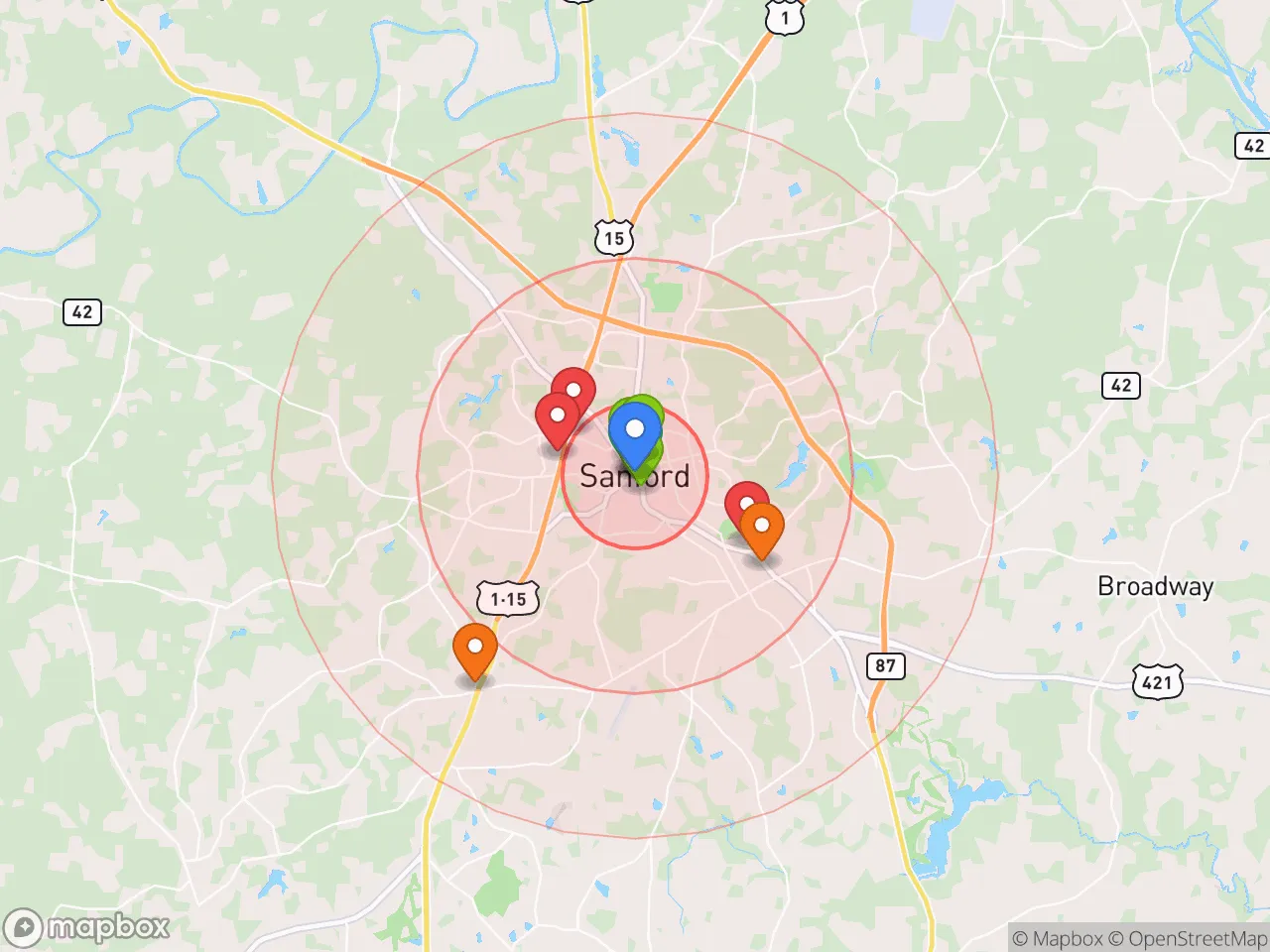
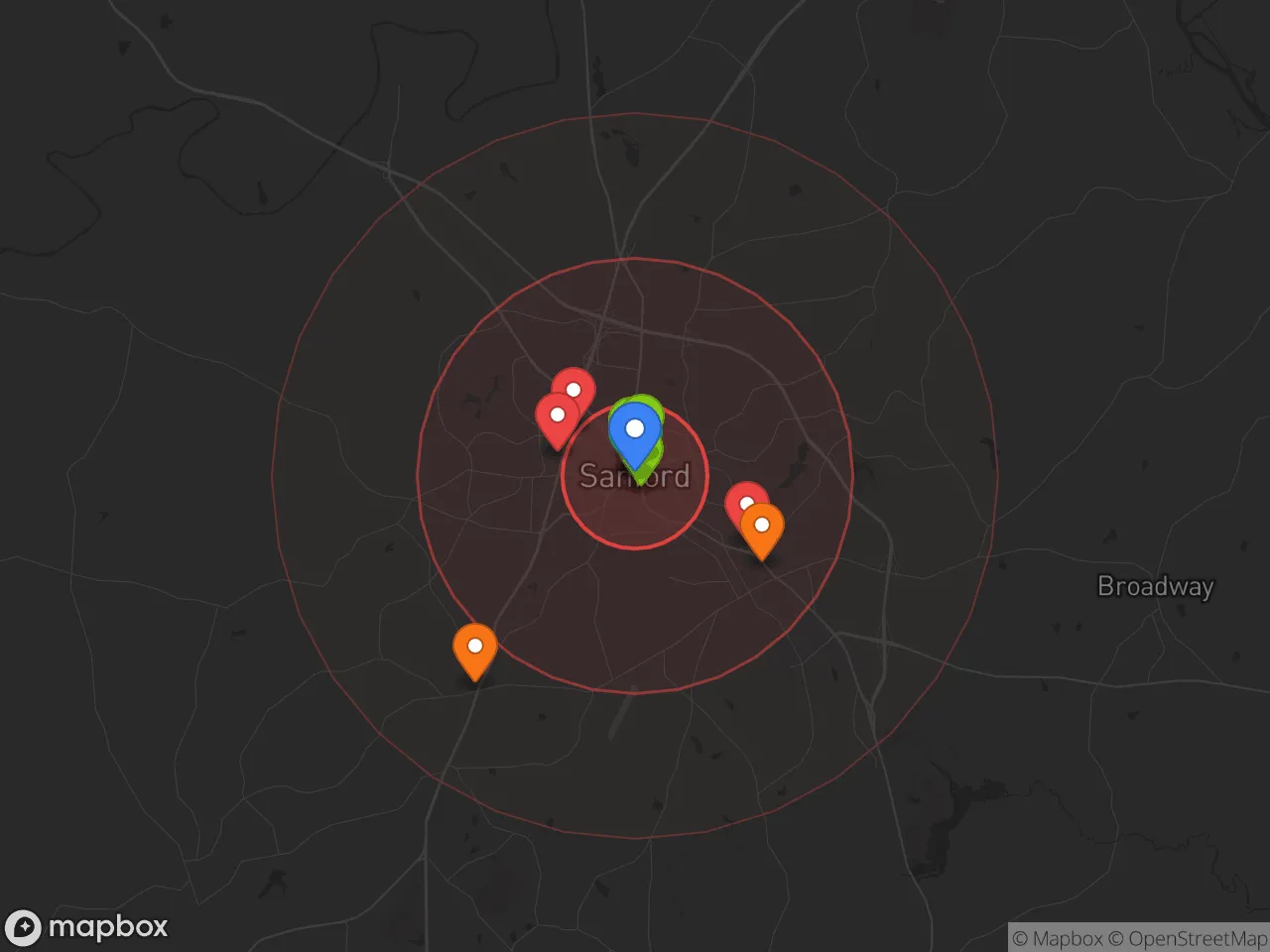
Hobbies
Explore the areaGroceries
6 within 10 miles
Gas
20 within 10 miles
Hospital
1 within 20 miles
Airport
RDU — Raleigh–Durham International
Post Office
USPS — Sanford, NC
Critical Amenities
Quality-of-Life Analysis
Sanford, North Carolina, offers a quality of life defined by small-town affordability within striking distance of the Research Triangle’s economic engine. With a cost-of-living index of 81—19 percent below the national average—the city attracts a mix of young families seeking starter homes, remote workers priced out of Raleigh, and retirees drawn to its slower pace and lower taxes. The median household income of roughly $50,000 aligns with the area’s modest housing market, creating a community where middle-class stability, not wealth, is the norm.
How Sanford’s cost of living and housing compare to Raleigh and Fayetteville
Sanford’s housing market is the primary driver of its affordability. The median home value sits at $222,000, roughly half the median in Raleigh ($450,000) and about 30 percent below Fayetteville’s median. Median rent is $965 per month, making it one of the most budget-friendly rental markets in the Triangle region. For context, a two-bedroom apartment in Cary or Apex often rents for $1,500–$1,800. The average commute of 23 minutes is shorter than the Triangle-wide average of 28 minutes, reflecting Sanford’s role as a bedroom community where residents can reach major employers in Lee County—such as Caterpillar, Pfizer, and the Central Carolina Hospital—without enduring the congestion of US-1 or NC-87 during peak hours. Property taxes remain low: Lee County’s rate of roughly 0.75 percent of assessed value keeps annual tax bills on a $222,000 home around $1,665, well below Wake County’s 0.95 percent.
What daily life is like for families: schools, parks, and local amenities
Daily life in Sanford revolves around a compact downtown anchored by the historic Temple Theatre and the Railroad House Museum, alongside a growing network of parks and greenways. The Lee County School District serves the area with 14 schools; Lee County High School offers an Early College program in partnership with Central Carolina Community College, while SanLee Middle School has seen recent facility upgrades. For recreation, the 40-acre Kiwanis Family Park features sports fields, a splash pad, and walking trails, and the 7-mile Deep River State Trail provides paved paths for biking and jogging. Grocery and retail options are concentrated along US-421 and Horner Boulevard, anchored by a Walmart Supercenter and a Food Lion, though residents often drive 30 minutes to Apex or Cary for specialty shopping and dining. The rhythm is distinctly unhurried: local coffee shops like Railhouse Brewery and Carolina Creamery serve as community hubs, and seasonal events such as the Sanford Spring Festival and the Fourth of July fireworks at Depot Park draw consistent crowds. Healthcare access is adequate, with Central Carolina Hospital offering emergency and surgical services, though specialists in cardiology or oncology typically require a trip to UNC Rex in Raleigh.
Sanford is best suited for those who prioritize affordability and space over urban amenities and career density. Remote workers, early-career professionals, and retirees on fixed incomes will find the low housing costs and short commute particularly attractive. Families should weigh the trade-off: lower home prices and a slower pace versus fewer top-tier schools and limited entertainment options compared to the Triangle core. For anyone willing to drive 30–40 minutes for a concert or a fine-dining dinner, Sanford delivers a solid, budget-friendly foundation for daily life.

Crime in Sanford, NC
Lower crime rates than 100% of comparable U.S. locations.
Violent CrimeViolent Crime Analysis
Property CrimeProperty Crime Analysis
Crime Analysis
Sanford, North Carolina, reports a violent crime rate of 0 per 100,000 residents and a property crime rate of 0 per 100,000, figures that place it far below both state and national averages. However, these statistics should be interpreted with caution, as they may not fully capture the day-to-day reality for residents, particularly given the area's proximity to the larger, high-crime metro of Fayetteville and the broader Triangle region. The influence of progressive criminal justice policies in surrounding counties, including the election of district attorneys who prioritize diversion and reduced sentencing, can create a regional environment where property crime and recidivism are persistent concerns, even if Sanford's reported numbers appear low.
Crime in context
Sanford's reported violent crime rate of 0 per 100,000 is dramatically lower than the North Carolina state average of roughly 4.0 per 100,000 and the national average of approximately 4.5 per 100,000. Similarly, its property crime rate of 0 per 100,000 is a fraction of the state average of around 22 per 100,000 and the national average of 19 per 100,000. While these figures suggest an exceptionally safe environment, they may reflect underreporting or a statistical anomaly in a given year. For context, nearby cities like Fayetteville and Raleigh have violent crime rates several times the national average, and the broader Lee County area has historically seen property crime rates that fluctuate. The presence of a progressive district attorney in the 11th Prosecutorial District, which includes Lee County, has been associated with a focus on rehabilitation over incarceration, a policy that critics argue can lead to higher rates of repeat offenses and a perception of lawlessness, particularly in unincorporated areas and along the US-1 corridor.
What residents experience
Residents of Sanford often describe the town as quiet and family-oriented, with most crime concentrated in specific commercial zones rather than residential neighborhoods. The downtown area, centered around Steele Street and Carthage Street, generally sees low levels of violent crime, though petty theft and vehicle break-ins can occur near bars and restaurants on weekend nights. The absence of a major violent crime problem means that most residents feel safe walking downtown during the day and letting children play in their yards. However, the influence of progressive justice policies is felt in the form of a revolving door for property offenders. Residents report that shoplifting and car break-ins are common nuisances, with offenders often released without bail due to state-level bail reform and local prosecutorial discretion. This creates a sense of frustration, as the same individuals may be seen committing crimes repeatedly, undermining trust in the justice system. The Sanford Police Department maintains a visible presence, but its effectiveness is hampered by a judicial environment that prioritizes offender treatment over public safety.
Neighborhood-level variation is significant. Newer subdivisions like Carolina Lakes and the areas near the Sanford-Lee County line tend to have the lowest crime rates, often with zero reported violent incidents. In contrast, older neighborhoods near the city center, particularly around Horner Boulevard and the railroad tracks, see higher rates of property crime and occasional drug-related disturbances. The city's proximity to the larger metro areas of Raleigh and Fayetteville also means that transient criminal activity, including organized retail theft rings and drug trafficking, can spill into Sanford. For prospective residents, choosing a home in the newer, gated communities or the rural outskirts of Lee County offers the best statistical safety, while those living closer to downtown should invest in home security systems and remain vigilant about vehicle security. The overall safety picture is positive on paper, but the regional justice philosophy creates an undercurrent of concern for long-term property crime trends.
* Values derived from national, state, county, city and local statistics and may differ in a specific area. Last updated: 2026-05-03T20:26:32.000Z
Narrative content on this page is AI-generated and may contain mistakes. Verify any details that matter before acting on them.
ReloMaps may earn a commission from affiliate links at no extra cost to you.

