
Photo: Wikipedia
Find The Best Places To Live
in Cary
PRO TIP! You can paste a Zillow or Redfin link to get info on that property.
What It's Like Living in Cary, NC
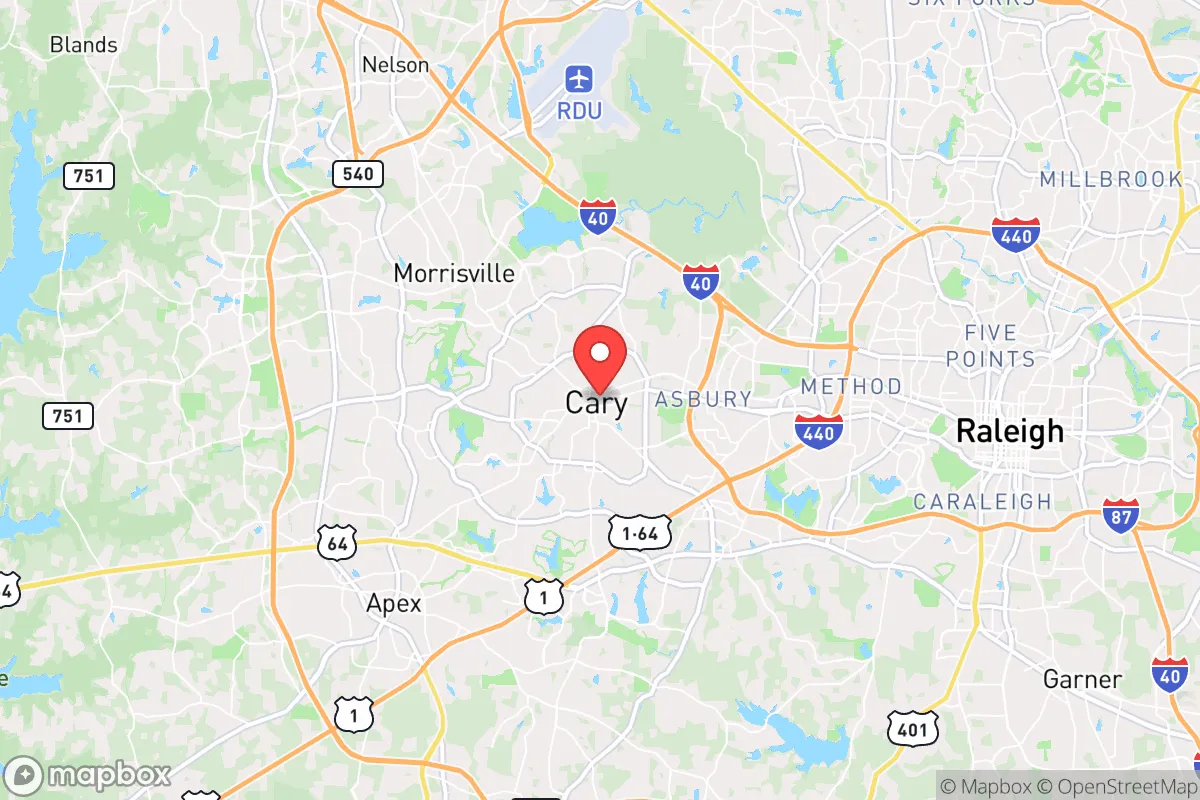
If you describe Cary as a quiet, well-kept suburb where the biggest controversy is a new traffic circle, you wouldn’t be wrong—but you’d be missing the texture. This is a town of nearly 177,000 people that somehow still feels like a collection of neighborhoods rather than a city, where the median household income pushes past $129,000 and over 70% of adults hold a college degree. The result is a place that’s orderly, educated, and comfortable, but also one where you have to look a little harder for the rough edges that give a town character.
The Daily Rhythm: Work, School, and the 22-Minute Commute
Life in Cary revolves around a few predictable anchors: the school day, the workday, and the weekend trip to a park or a restaurant. The average commute clocks in at just over 22 minutes, which is notably better than what you’d find in nearby Raleigh or Durham. That short drive is a genuine quality-of-life perk—you can live in a quiet cul-de-sac and still be at an office park near Research Triangle Park in under half an hour. The big employers here aren’t factories or retail centers; they’re tech firms, pharmaceutical companies, and SAS Institute, the analytics giant that’s headquartered in Cary and employs thousands. If you work in STEM, healthcare, or professional services, you’ll find plenty of neighbors who do the same.
Weekends tend to start with a trip to a local coffee shop—Brew Coffee Bar on Chatham Street is a favorite—or a run on the American Tobacco Trail, a paved greenway that cuts through the western edge of town. Families spend Saturday mornings at soccer games or at the Cary Downtown Farmers Market, which runs year-round and draws a reliably polite, stroller-heavy crowd. By afternoon, you’ll see people at Bond Brothers Beer Company or Fortnight Brewing, two of the better-known craft breweries where the vibe is more “conversation on a patio” than “loud taproom.” The median age here is 39.8, so the social scene leans toward established adults rather than recent grads—think dinner parties and book clubs, not late-night bar crawls.
Sports, Schools, and the Community That Forms Around Them
High school sports are a surprisingly big deal in Cary, largely because the schools themselves are the social hubs. Green Hope High School and Panther Creek High School both field competitive teams in soccer, basketball, and baseball, and Friday night football games at WakeMed Soccer Park draw crowds that include parents, alumni, and local business owners. That soccer park is also home to the North Carolina Courage of the National Women’s Soccer League, who regularly pack the stands—Cary is one of the few places in the country where women’s professional soccer draws a bigger local following than the men’s side. For college sports, it’s a short drive to Chapel Hill for UNC Tar Heels basketball or to Raleigh for NC State, and plenty of Cary residents have season tickets to one or the other.
The schools themselves are a major reason people move here. The Wake County Public School System is one of the largest in the country, and Cary’s schools consistently rank among the top in the state. That reputation drives home values—the median home price sits at $525,200, which is steep for North Carolina but reasonable compared to the Northeast or West Coast transplants who often buy here. The cost of living index of 158 (100 being the national average) reflects that housing premium, but for many families, the trade-off is a school system where the PTA meetings are well-attended and the magnet programs are genuinely competitive.
What’s There to Do (and What’s Missing)
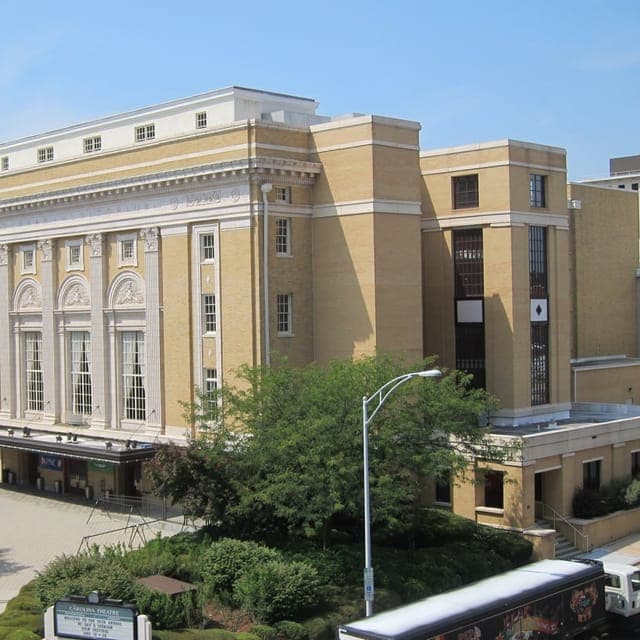
Cary has a solid roster of festivals and outdoor events that give the town a sense of occasion. Lazy Daze Arts & Crafts Festival in August is the biggest, drawing tens of thousands to downtown for a weekend of local art and live music. Diwali Celebration at Koka Booth Amphitheatre is another highlight, reflecting the large Indian-American community that has shaped Cary’s restaurant scene—you’ll find excellent dosa, biryani, and chaat at places like Udupi Cafe and Bombay Cafe. The Cary Theater downtown shows indie films and hosts live performances, and Hemlock Bluffs Nature Preserve offers easy hiking trails that feel farther from civilization than they actually are.
That said, the honest con is that Cary can feel a bit sanitized. Nightlife is limited to a handful of breweries and wine bars; there’s no real music venue of note, no dive bars with character, and very little that stays open past 10 p.m. on a weeknight. The violent crime rate is remarkably low—75.3 per 100,000, which is a fraction of the national average—but that safety comes with a certain homogeneity. Longtime residents sometimes joke that Cary stands for “Containment Area for Relocated Yankees,” and while the joke is tired, it captures a truth: the town attracts a lot of people from the Northeast and Midwest who bring their expectations for good schools, safe streets, and reliable infrastructure. That’s a feature for many, but it can feel sterile if you’re looking for grit or spontaneity.
Traffic is the other persistent gripe. The town’s growth has outpaced its road network, and corridors like Walnut Street and Highway 55 can back up during rush hour. It’s not Atlanta-level gridlock, but it’s enough that locals plan errands around it. Weather-wise, you get four distinct seasons: mild springs and falls, humid summers that push into the 90s, and winters that are cold enough for a coat but rarely see snow. The seasonal rhythm is pleasant, but the pollen in March and April is legendary—expect a yellow film on everything for a few weeks.
The kind of person who fits in Cary is someone who values predictability, good schools, and a community where neighbors know each other’s names. It’s a great fit for families with school-age children, for professionals who want a short commute to RTP, and for anyone who prefers a well-maintained park over a crowded bar. If you want a place where you can raise kids, host a backyard cookout, and drive 20 minutes to a Hurricanes game or a concert in Raleigh, Cary delivers. If you want urban energy, late-night options, or a place with a bit of rough charm, you’ll probably find yourself driving into Raleigh more often than you’d like.

Similar small cities to Cary
* Values derived from national, state, county, city and local statistics and may differ in a specific area. Last updated: 2026-04-15T23:28:05.000Z
Narrative content on this page is AI-generated and may contain mistakes. Verify any details that matter before acting on them.
ReloMaps may earn a commission from affiliate links at no extra cost to you.

