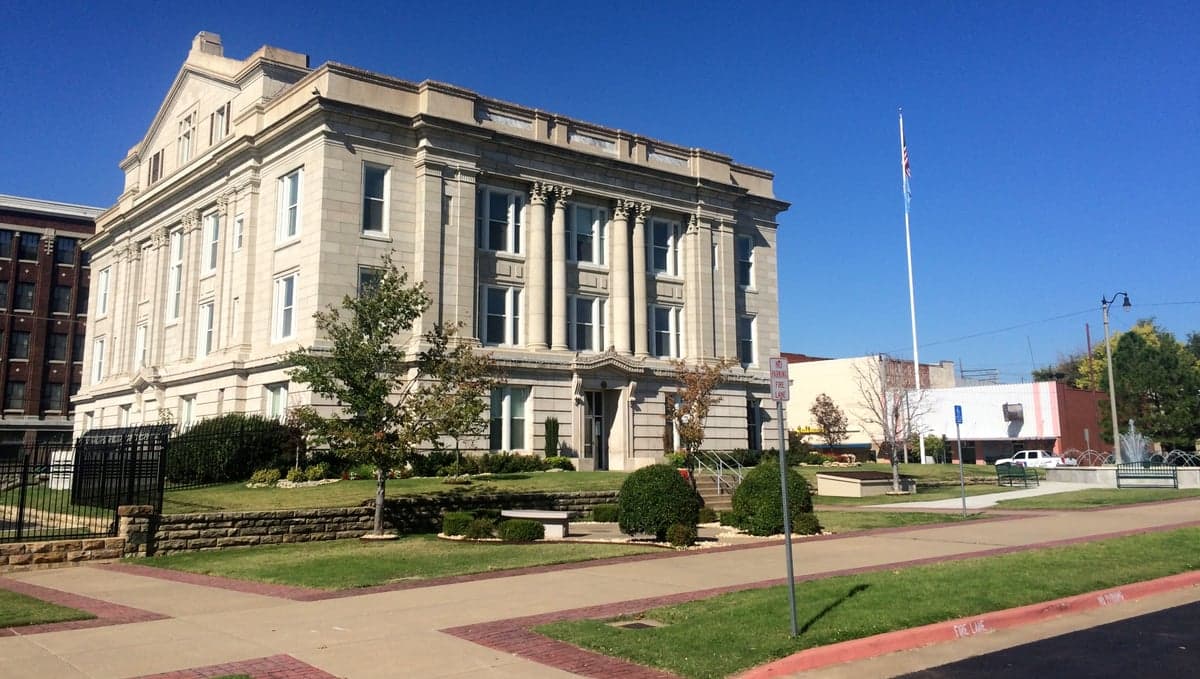
Photo: Wikipedia
Quality of Life in Sapulpa, OK
A high quality of life with strong walkability, manageable living costs, healthy neighborhood signals, and solid amenity access.
What does Quality of Life tell us?
Quality of Life blends cost of living, nearby amenities, socioeconomic signals, and neighborhood character. City-level scores represent the whole municipality; individual neighborhoods can differ.
What does this tell us?
Quality of Life blends cost of living, nearby amenities, socioeconomic signals, and neighborhood character. City-level scores represent the whole municipality; individual neighborhoods can differ.
Cost of Living
26% below national average
The Real Cost of Living in Sapulpa, OK for 2026
| Tier | Individual | Family (4) |
|---|---|---|
| Survival | $16k | $30k |
| Comfortable | $31k | $45k |
| Luxury | $91k+ | $141k+ |
| Elite (Top 5%) | $107k+ | $166k+ |
136%
The Area Signal
A metric tracking the socioeconomic signals of the area.
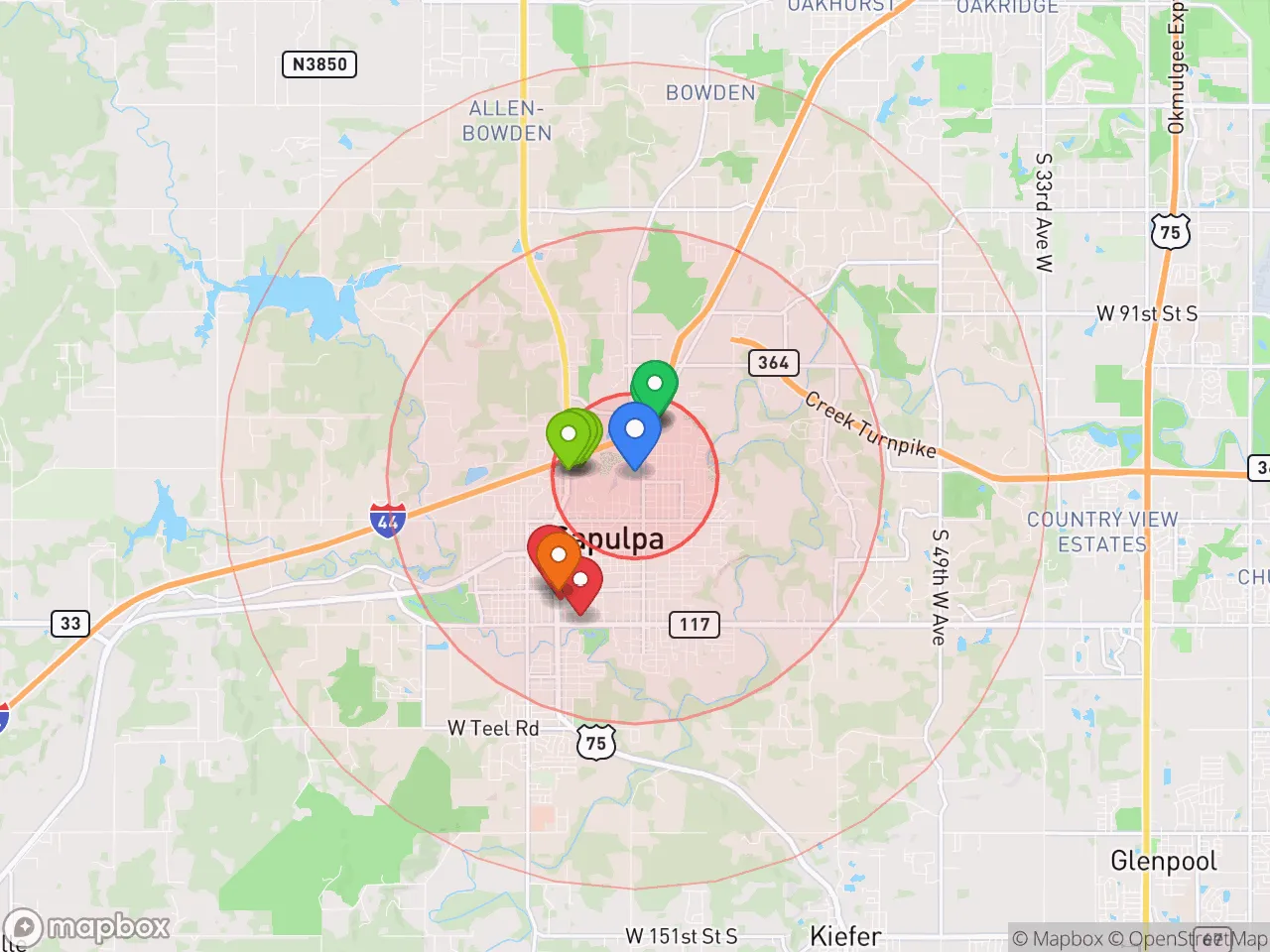
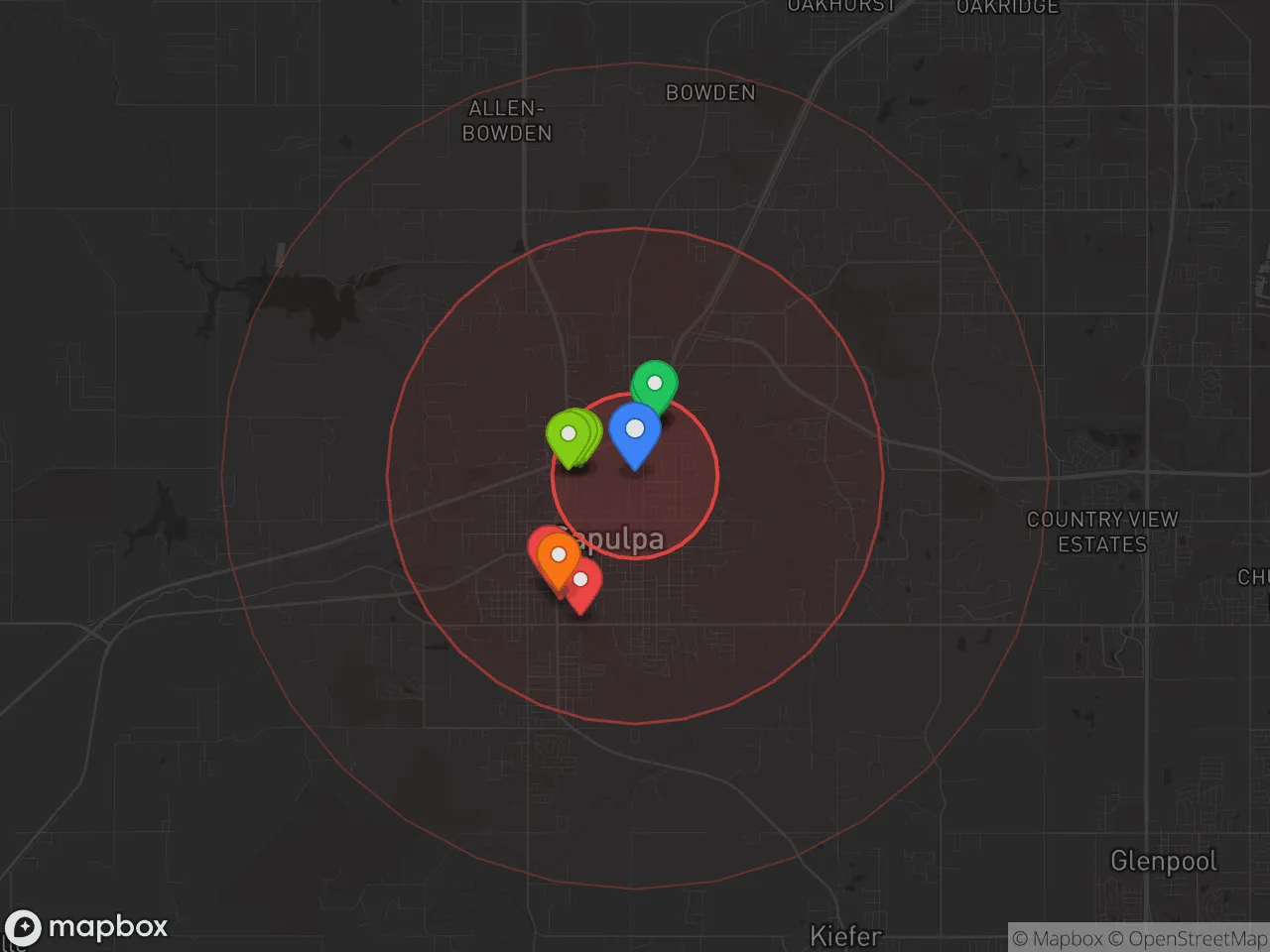
Hobbies
Explore the areaGroceries
0 within 10 miles
Gas
0 within 10 miles
Hospital
0 within 20 miles
Airport
DFW — Dallas/Fort Worth International
Post Office
Critical Amenities
Quality-of-Life Analysis
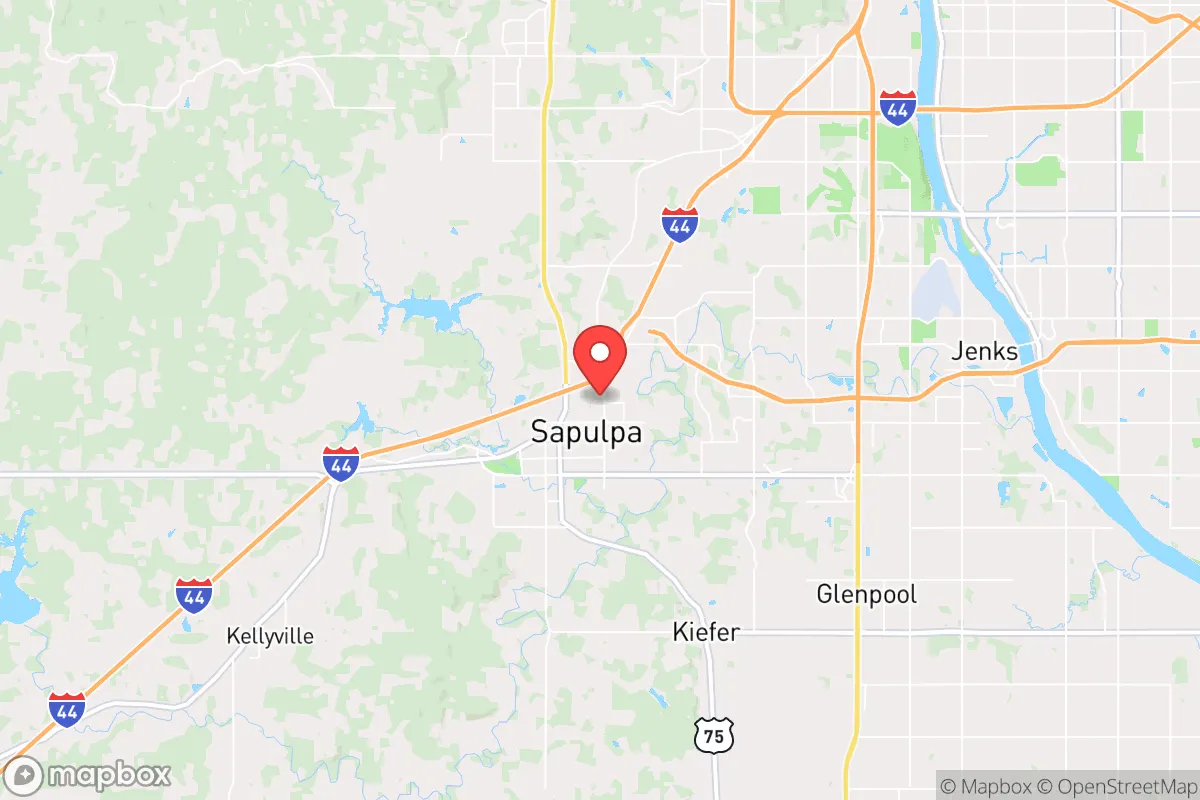
Sapulpa, Oklahoma, offers a notably affordable quality of life that attracts a mix of working-class families, retirees, and commuters seeking a quieter alternative to nearby Tulsa. With a cost of living index of 74 (26% below the U.S. average), the city provides a low-stress financial environment where median incomes stretch further than in most metropolitan areas. The population skews toward long-term residents and those employed in manufacturing, healthcare, and retail, with a growing number of remote workers drawn by the combination of low housing costs and a small-town feel just 15 minutes from downtown Tulsa.
How housing costs and affordability compare to Tulsa and surrounding areas
Sapulpa’s housing market is one of the most accessible in the Tulsa region. The median home value sits at $158,300, roughly $60,000 less than the Tulsa metro median and well below the national figure of $420,000. Median rent is $998 per month, making it a viable option for renters who cannot afford the $1,200+ averages in Broken Arrow or Jenks. The average commute of 22.4 minutes is slightly longer than Sapulpa’s own city limits but still shorter than the national average of 27 minutes, reflecting the ease of reaching Tulsa via the Creek Turnpike or Route 66. Property taxes in Creek County are also lower than in Tulsa County, adding to the long-term affordability for homeowners. Compared to nearby Glenpool or Bixby, Sapulpa offers more square footage per dollar, though inventory tends to be older homes from the 1950s–1970s rather than new construction.
What daily life is like for families: schools, parks, and local amenities
Daily life in Sapulpa centers on a walkable downtown historic district with locally owned shops, the Sapulpa Public Library, and the annual Route 66 Blowout festival. The Sapulpa Public School system includes three elementary schools, a middle school, and Sapulpa High School, which offers concurrent enrollment at Tulsa Community College. For recreation, residents use the 40-acre Kelly Lane Park with sports fields and a splash pad, or the nearby 1,200-acre Keystone Lake for fishing and boating. Healthcare access is provided by the Sapulpa Medical Center (a 25-bed critical access hospital) and multiple clinics, though specialized care requires a 20-minute drive to Tulsa hospitals like St. Francis or Hillcrest. Grocery options include a Walmart Supercenter and local markets, while dining leans toward family-owned diners and barbecue joints rather than national chains. The city lacks a major entertainment venue, but the Sapulpa Community Theatre and the annual Christmas Chute light display fill the gap for local culture.
Sapulpa is best suited for budget-conscious families, retirees on fixed incomes, and commuters who prioritize low housing costs over urban amenities. The city’s affordability and short commute to Tulsa make it a practical choice for first-time homebuyers and those in trades or manufacturing who want a yard and a garage without a six-figure mortgage. Professionals seeking nightlife, high-end dining, or top-tier school districts (like those in Jenks or Union) will find Sapulpa too quiet, but for anyone who values financial breathing room and a slower pace, it delivers a solid, unpretentious quality of life.

Crime in Sapulpa, OK
Crime rates similar to the national median for U.S. locations.
Violent CrimeViolent Crime Analysis
Property CrimeProperty Crime Analysis
Crime Analysis
Sapulpa, Oklahoma, presents a mixed safety profile for potential residents. The city’s violent crime rate of 351.2 incidents per 100,000 residents is notably higher than the national average, while its property crime rate of 1,366.6 per 100,000 also exceeds typical benchmarks. These figures place Sapulpa in a cautionary category for those evaluating relocation, particularly given its proximity to the Tulsa metropolitan area, where broader regional crime trends and justice system policies can influence local safety.
Crime in context
Compared to state and national averages, Sapulpa’s violent crime rate is approximately 1.5 times higher than the U.S. median, while property crime runs about 1.3 times higher. The city’s location within the Tulsa metro area is a key factor: large metropolitan regions, especially those with progressive district attorneys and judges, often see elevated recidivism and reduced public safety due to lenient sentencing and diversion programs. While Sapulpa itself is a smaller, more conservative-leaning city, its proximity to Tulsa means it can be affected by regional crime spillover and the policies of the Tulsa County District Attorney’s office, which has faced criticism for progressive approaches to prosecution. This context is critical for readers concerned about justice system ideology directly impacting community safety.
What residents experience
Residents commonly report property crimes—such as vehicle break-ins, theft from porches, and burglary—as the most frequent safety concerns. Violent incidents, while less common, do occur and are often concentrated in specific areas. The city’s police department maintains a visible presence, and community watch programs are active in several neighborhoods. However, the overall crime rates suggest that residents should take standard precautions: securing vehicles, using outdoor lighting, and staying informed about local crime alerts. The influence of Tulsa’s justice policies means that even minor offenses may not always lead to meaningful consequences, potentially emboldening repeat offenders in the region.
Neighborhood-level variation is significant in Sapulpa. Areas closer to the historic downtown and along the Route 66 corridor tend to have lower reported crime, while some residential zones near the city’s industrial edges and major highways see higher incident rates. Prospective residents are advised to examine block-level crime maps and speak with local real estate agents about specific subdivisions. The safest pockets are often found in the newer developments on the city’s north and west sides, where community cohesion and private security measures are stronger. Overall, Sapulpa requires a vigilant approach to personal safety, with an understanding that regional justice policies may reduce the deterrent effect of law enforcement.
* Values derived from national, state, county, city and local statistics and may differ in a specific area. Last updated: 2026-04-21T09:09:34.000Z
Narrative content on this page is AI-generated and may contain mistakes. Verify any details that matter before acting on them.
ReloMaps may earn a commission from affiliate links at no extra cost to you.

